
machine calibration safety checks: Essential OHSE Steps for Safer, More Accurate Workplaces

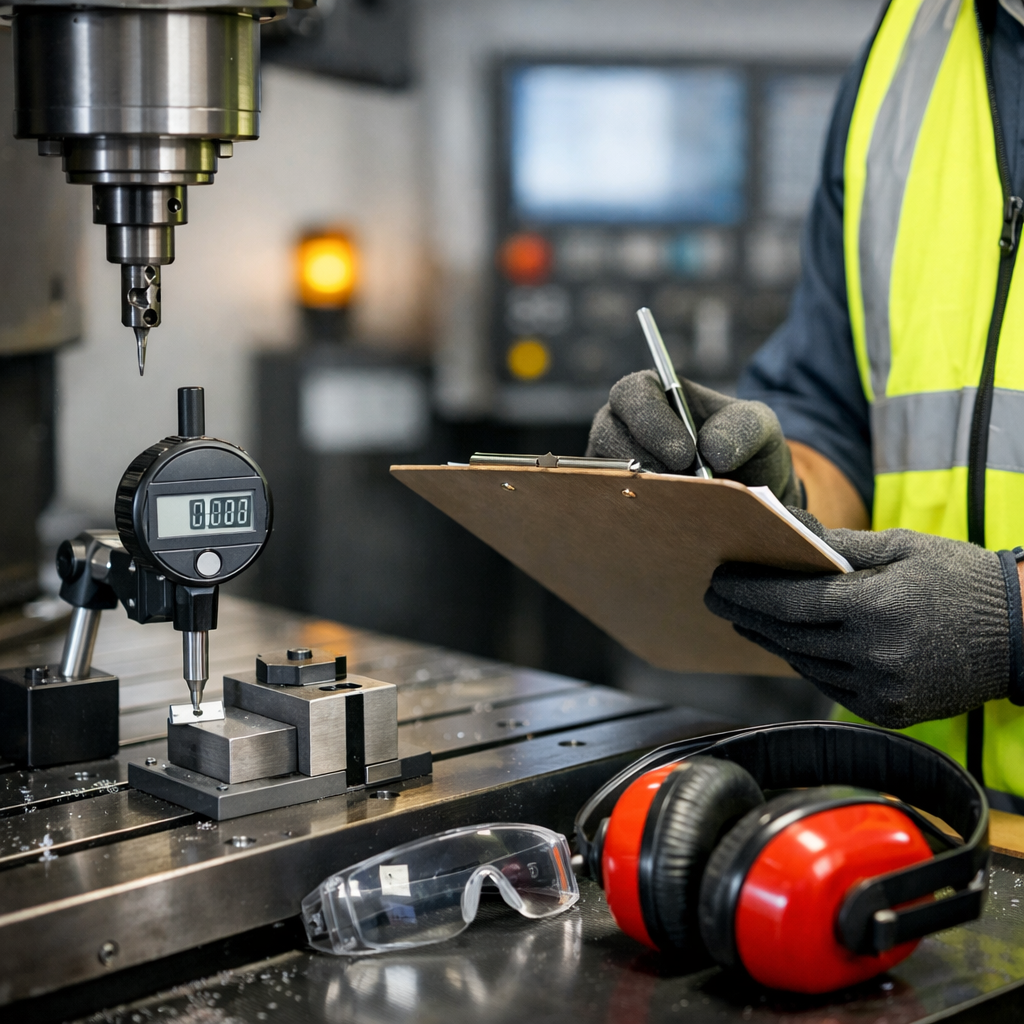
machine calibration safety checks are a critical part of safe maintenance, accurate production, and legal compliance in industrial workplaces.
When calibration is rushed, incomplete, or done without proper safeguards, workers can face serious hazards including unexpected startup, electrical exposure, pinch points, pressure release, and incorrect machine readings that lead to defective products or unsafe operations.
In OHSE terms, calibration is not only about measurement accuracy. It is also about controlling risk while equipment is isolated, tested, adjusted, and returned to service.
This article explains why machine calibration safety checks matter, the risks involved, how to apply preventive controls, what PPE may be needed, and how employers can align the process with guidance from organizations such as OSHA and CCOHS.
- Why machine calibration safety checks matter in OHSE
- Key risks linked to machine calibration safety checks
- How to prevent incidents during machine calibration safety checks
- PPE and compliance requirements for machine calibration safety checks
- Practical examples of safer machine calibration safety checks
Why machine calibration safety checks matter in OHSE
Calibration ensures that machines, sensors, gauges, scales, temperature controls, pressure systems, and automated equipment operate within specified tolerances.
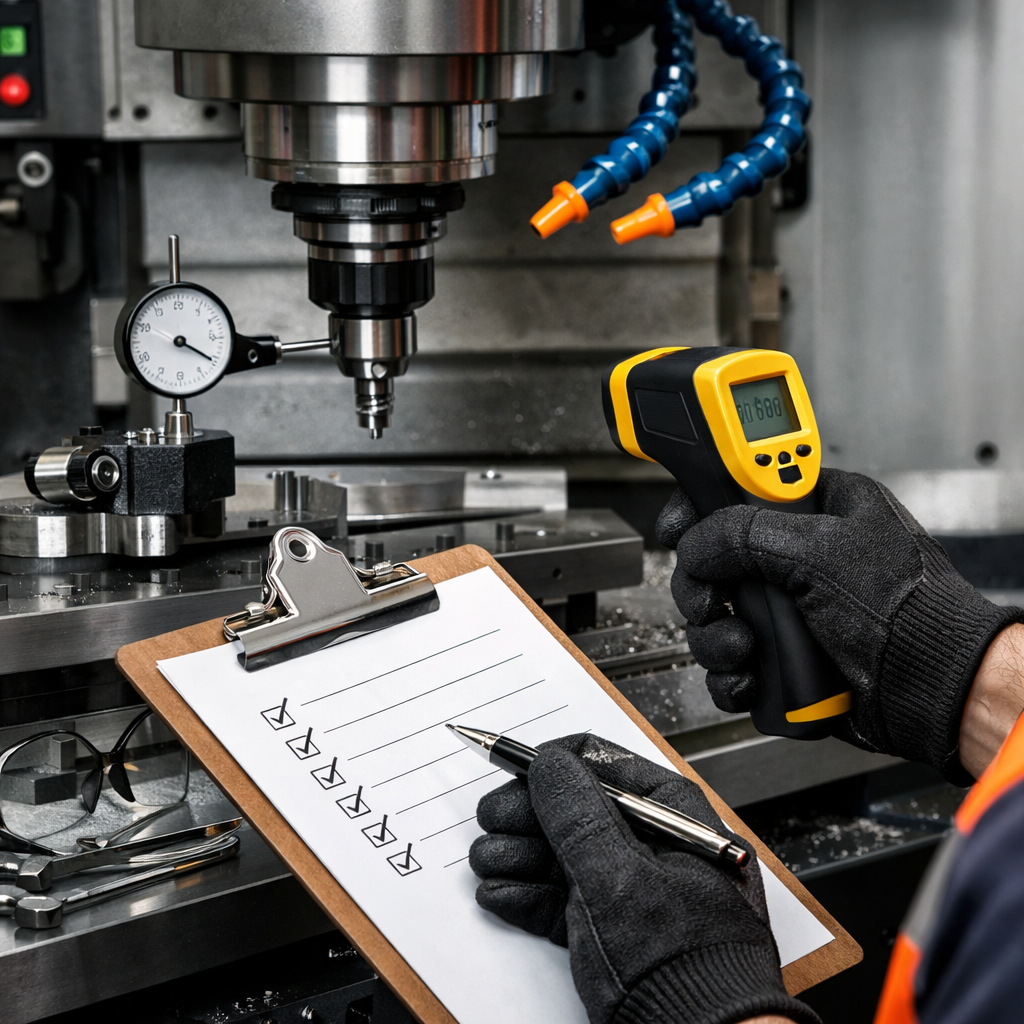
From an OHSE perspective, machine calibration safety checks help confirm that the equipment can be worked on safely and that it will operate safely once returned to production.
A poorly calibrated machine can create both direct and indirect hazards. Direct hazards include sudden movement during test cycles, overpressure, overheating, or electrical faults.
Indirect hazards are just as serious. For example, a miscalibrated torque tool may under-tighten critical fasteners, or a faulty temperature sensor may allow unsafe process conditions to continue unnoticed.
In manufacturing, food processing, mining, warehousing, laboratories, and construction support operations, calibration errors can lead to incidents, product loss, environmental releases, and enforcement action.
That is why many workplaces include calibration within their broader safety inspection checklists and preventive maintenance systems.
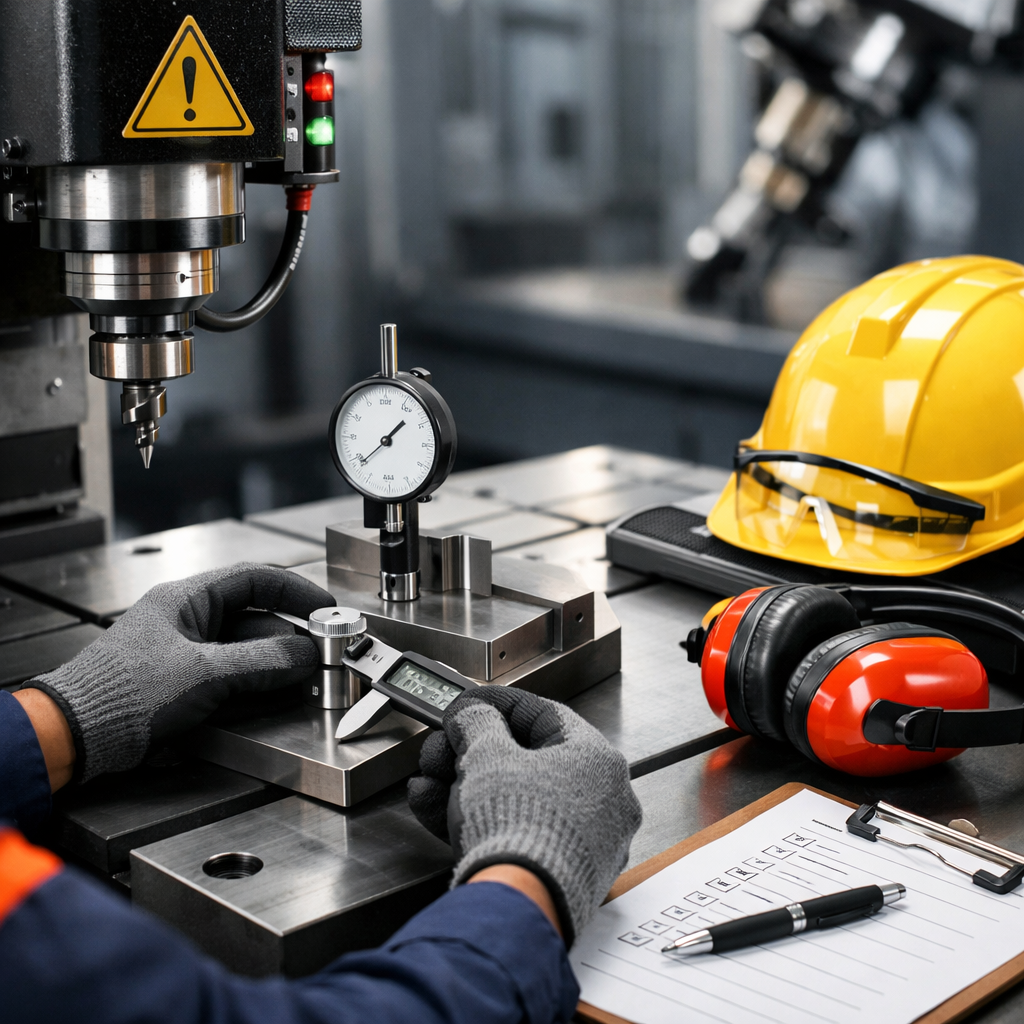
Common equipment that needs calibration checks
- Pressure gauges and transmitters
- Temperature sensors and thermostats
- Load cells, scales, and weighing systems
- Flow meters and level sensors
- CNC machine settings and automated positioning systems
- Gas detection instruments
- Torque tools and testing devices
Key risks linked to machine calibration safety checks
The hazards associated with calibration depend on the machine, energy sources, and testing method. However, several risks appear repeatedly across workplaces.
Unexpected energization and movement
One of the biggest dangers during machine calibration safety checks is the unexpected release of hazardous energy.
If lockout/tagout is missing or incomplete, a machine can start while a worker is adjusting sensors, clearing access panels, or entering a restricted area. Rotating parts, hydraulic movement, pneumatic motion, and robotic arms can all cause severe injuries.
Electrical and stored energy hazards
Calibration often involves live testing, signal verification, and contact with control panels.
This can expose workers to shock, arc flash, burns, or stored energy from capacitors, batteries, hydraulic accumulators, springs, and compressed air systems.
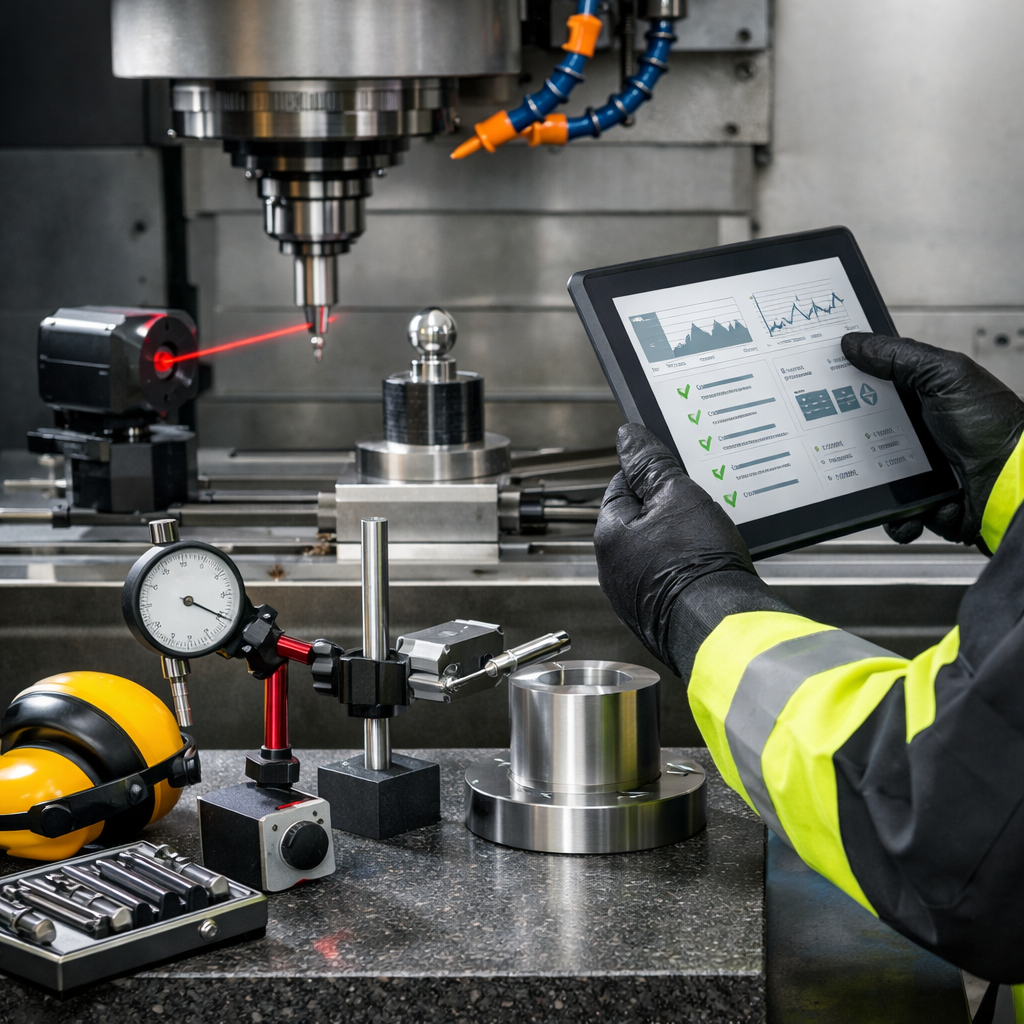
Exposure to heat, pressure, chemicals, and noise
Some calibration tasks occur on hot equipment, pressurized systems, or process lines containing steam, gas, fuel, refrigerants, or corrosive substances.
Even routine adjustments can become dangerous if a line is not fully isolated and depressurized before work begins.
Human error and incorrect settings
Calibration is a precision task. Using the wrong reference standard, skipping verification steps, or entering the wrong tolerance can make a machine unsafe after maintenance.
A practical example is a packaging line where photoelectric sensors are calibrated too loosely. Workers may believe guarding is functioning properly, but the machine may fail to stop when material jams occur.
How to prevent incidents during machine calibration safety checks
The most effective approach is to apply the Hierarchy of Controls. Instead of relying only on worker caution, employers should reduce hazards through planning, engineering, and safe systems of work.
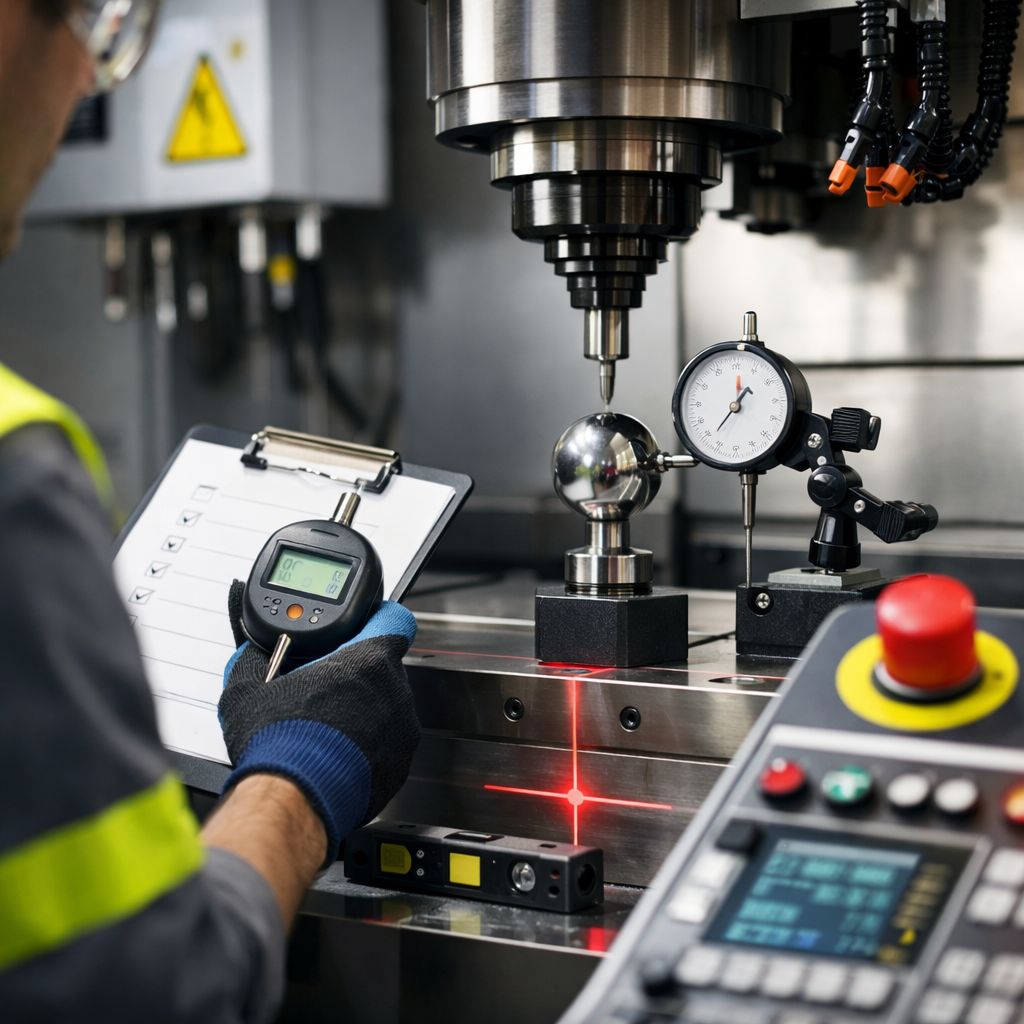
Apply the Hierarchy of Controls
Elimination: Remove the need for calibration under hazardous conditions where possible. For example, schedule work during shutdowns instead of while equipment is operating.
Substitution: Use safer testing tools, lower-voltage equipment, or remote calibration devices where suitable.
Engineering controls: Install isolation points, interlocks, barriers, guarding, and pressure relief systems. Use test ports designed for safe access rather than opening process lines.
Administrative controls: Develop written procedures, permits, training, competency checks, and supervision. Require sign-off before restarting equipment.
PPE: Use personal protective equipment as the final layer, not the only control.
Core prevention steps for machine calibration safety checks
- Review the machine manual, risk assessment, and calibration procedure before work starts.
- Identify all energy sources including electrical, hydraulic, pneumatic, thermal, gravity, and stored mechanical energy.
- Use lockout/tagout where full isolation is possible and verify zero energy.
- When live testing is necessary, restrict access and use an approved safe-work method.
- Inspect calibration tools to confirm they are certified, in date, and suitable for the task.
- Confirm guards, interlocks, and emergency stops are tested before return to service.
- Document readings, adjustments, deviations, and final verification results.
- Communicate clearly with operators, maintenance staff, and supervisors before restart.
Many employers also include calibration hazards in their lockout/tagout procedures to make sure the work is integrated into the overall energy-control program.
PPE and compliance requirements for machine calibration safety checks
PPE requirements depend on the machine and environment, but they should always be based on a documented hazard assessment.
PPE commonly used during calibration work
- Safety glasses or chemical splash goggles
- Cut-resistant or task-specific gloves
- Arc-rated clothing for electrical testing where required
- Hearing protection in high-noise areas
- Safety footwear with slip-resistant soles
- Face shields for pressure or splash risks
- Respiratory protection when contaminants are present and other controls are insufficient
PPE does not remove the hazard, but it can reduce injury severity when combined with isolation, guarding, and competent work practices.
Compliance is equally important. Employers should ensure that machine calibration safety checks meet internal safety rules, manufacturer requirements, and applicable legal standards.
In many workplaces, this means following energy-control and machine-guarding expectations outlined by OSHA’s lockout/tagout guidance, as well as broader Canadian health and safety resources from CCOHS on lockout.
Training records, calibration certificates, maintenance logs, and incident investigations all support compliance and demonstrate due diligence.
| Calibration activity | Main risk | Key control |
|---|---|---|
| Testing electrical sensors | Shock or arc exposure | Isolation, rated tools, qualified worker |
| Adjusting pneumatic equipment | Sudden movement or pressure release | Depressurize system and verify zero energy |
| Calibrating heated process controls | Burns and false readings | Cool-down period and verified test method |
| Restarting machine after calibration | Guarding failure or unsafe operation | Functional safety check before production |
Practical examples of safer machine calibration safety checks
A food processing plant may need to calibrate temperature probes on a cooking line. If the line is not isolated properly, workers could be exposed to hot surfaces, steam, and moving conveyors.
A safer process would include shutdown scheduling, lockout of drive systems, line depressurization, thermal cooling, probe verification with a certified reference device, and a restart check to confirm alarms and cutoffs are functioning correctly.
In a warehouse, a technician calibrating a weigh scale on a pallet-wrapping machine may face pinch points and unexpected automatic cycles. Good practice would include isolating the wrapping arm, blocking movement where needed, controlling access to the area, and testing the system at low speed before normal operation resumes.
Another example is a manufacturing facility calibrating pressure transmitters on hydraulic machinery. The risk is not only pressure release during adjustment, but also incorrect calibration that could allow the system to exceed safe operating limits later. Here, machine calibration safety checks should include isolation, bleed-off, correct reference standards, second-person verification, and recorded acceptance criteria.
Supervisors can strengthen these activities by reviewing near misses, updating job safety analyses, and checking whether workers are following the written procedure in the field rather than relying on memory.
machine calibration safety checks should never be treated as a simple technical task with no safety impact. They are a frontline OHSE activity that protects workers, supports reliable production, and helps organizations meet regulatory and quality expectations.
When employers identify risks, apply the Hierarchy of Controls, provide suitable PPE, and maintain clear documentation, machine calibration safety checks become far more effective and far safer. In every industry, consistent machine calibration safety checks are a practical investment in people, compliance, and operational performance.
No comments yet