


Understanding Code Red Fire: Meaning, Steps, Tools, and Preparedness
A Code Red Fire represents an emergency scenario where fire poses an immediate threat to life and property. This critical alert demands swift action, coordinated response, and access to essential tools to mitigate its impact.


Understanding what a Code Red Fire is and how to respond effectively can save lives and prevent catastrophic damage.
What is a Code Red Fire?
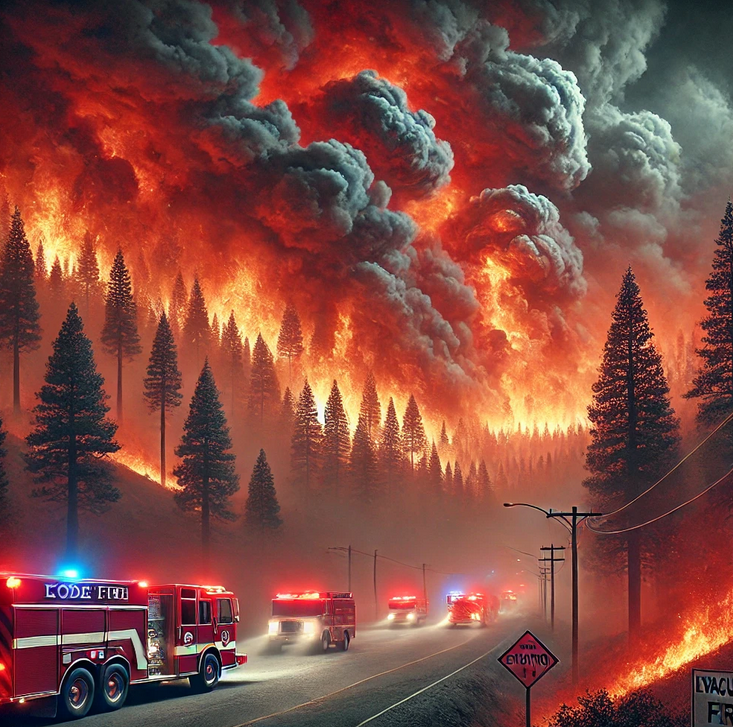
Code Red Fire is a high-level emergency designation often used to indicate extreme fire danger. This term is commonly associated with wildfires but can also apply to urban fire situations that threaten communities, infrastructure, or natural environments.
Key Characteristics:
- High Risk: Conditions such as strong winds, dry weather, and high temperatures exacerbate fire spread.
- Immediate Threat: Fires are either already burning or conditions indicate high likelihood.
- Evacuation Orders: Often accompanied by mandatory evacuations or alerts for immediate readiness.
Common Triggers:
- Wildfires: Sparked by natural causes like lightning or human activities.
- Industrial Fires: Explosions or chemical fires requiring immediate containment.
- Urban Fires: Rapidly spreading fires in densely populated areas.
Steps to Respond to a Code Red Fire

Effective response to a Code Red Fire involves preparation, action, and recovery. Here are the essential steps:
1. Understand the Warning System
- Familiarize yourself with local fire alert levels.
- Recognize Code Red announcements via local authorities, radio, or emergency apps.
2. Evacuation Readiness
- Prepare a “go-bag” with essentials: water, non-perishable food, important documents, and medications.
- Identify evacuation routes and alternatives in advance.
- Keep your vehicle fueled and ready.
3. Follow Safety Protocols
- Obey evacuation orders immediately.
- Wear protective clothing (long sleeves, sturdy shoes, and a mask if smoke is present).
- Avoid exposure to smoke and flames by staying low and covering your face.
4. Fire Suppression (If Safe)
- Use fire extinguishers to control small fires before they escalate.
- Create a defensible space around your property by removing flammable materials.
5. Post-Fire Recovery
- Wait for the official all-clear before returning to affected areas.
- Assess damages and contact local authorities for support and next steps.
Tools for Code Red Fire Preparedness and Response
Having the right tools and resources is critical during a Code Red Fire emergency. These tools can help you stay informed, protect yourself, and respond effectively.
1. Fire Safety Equipment
- Fire Extinguishers: Suitable for small, manageable fires.
- Fire Blankets: Useful for smothering flames or protecting individuals from heat.
- Smoke Masks: Protect against inhalation of toxic gases.
2. Emergency Communication Tools
- Weather Radios: Stay updated on alerts and evacuation orders.
- Mobile Apps: Apps like FEMA or Alert Ready provide real-time emergency information.
- Walkie-Talkies: Ensure communication when cellular networks fail.
3. Home and Property Defense Tools
- Fire Retardant Sprays: Pre-treat areas prone to fire spread.
- Hoses and Sprinkler Systems: Keep flammable areas wet.
- Chainsaws: Clear debris or create firebreaks.
Detailed Preparatory Measures
1. Create a Fire Safety Plan
- Establish a family meeting point and communication protocol.
- Practice evacuation drills to ensure everyone knows what to do.
2. Harden Your Home Against Fire
- Install fire-resistant roofing and siding.
- Seal gaps in eaves, vents, and decks to prevent ember intrusion.
- Keep gutters and roofs clear of debris.
3. Stay Informed and Educated
- Attend community fire safety workshops.
- Monitor local weather and fire risk indices.
- Understand fire behavior and potential escape routes.
REACT in Code Red: A Systematic Approach to Fire Emergencies
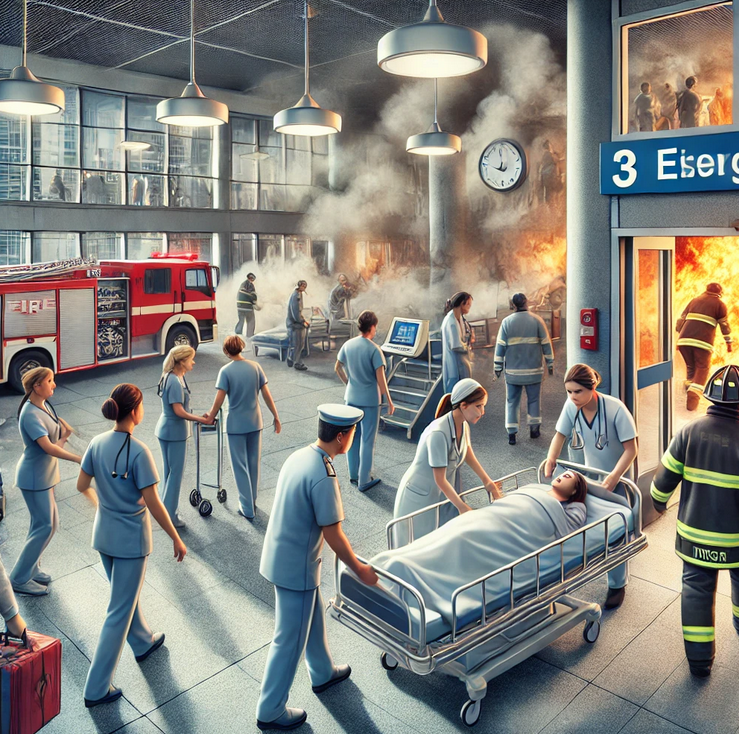
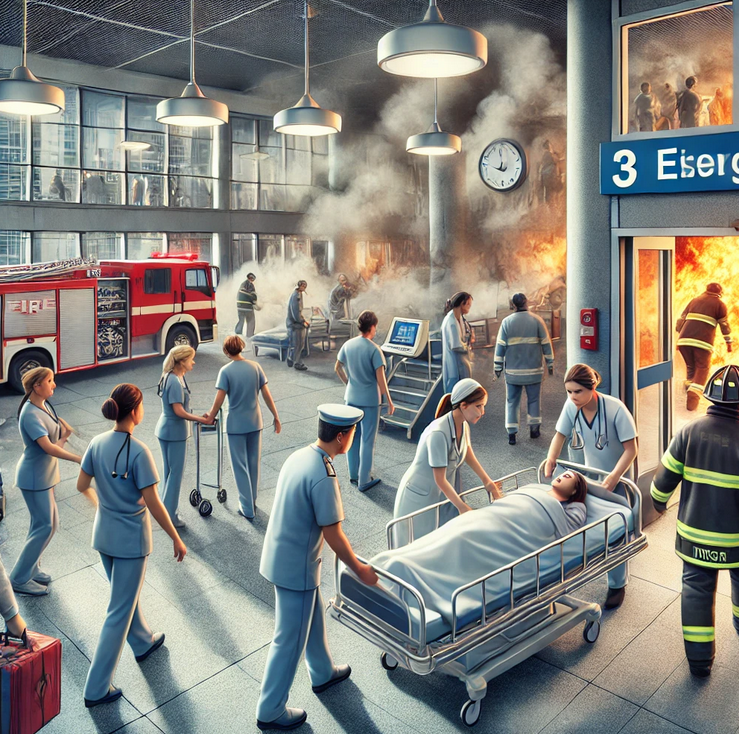
In the context of a Code Red Fire, REACT is an acronym that outlines a systematic approach to responding effectively to fire emergencies, particularly in healthcare and other structured environments. The REACT protocol ensures safety, minimizes confusion, and facilitates quick and coordinated actions.
What Does REACT Stand For?
- Remove
- The first priority during a Code Red Fire is to remove individuals in immediate danger. This includes patients, staff, and visitors who are at risk due to the fire’s proximity.
- In healthcare settings, prioritize moving immobile patients or those requiring assistance.
- Ensure
- Ensure doors are closed to contain the fire. Closed doors prevent the spread of flames, smoke, and toxic gases, giving more time for evacuation and firefighting efforts.
- Activate
- Activate the fire alarm system to alert everyone in the building. This step ensures that trained personnel and emergency responders are aware of the situation and can take appropriate actions.
- Call
- Call emergency services immediately. Dial the local emergency number (e.g., 911 in North America) to report the fire and provide precise details, including the fire’s location, size, and potential hazards.
- Try
- If it is safe to do so, try to extinguish the fire using the appropriate fire extinguisher. Always ensure you have an exit route and do not attempt to fight large or uncontrollable fires.
Applying REACT in a Code Red Scenario
In Healthcare:
- Remove: Move patients from high-risk areas, prioritizing those closest to the fire. Use evacuation equipment if necessary (e.g., wheeled stretchers or slide sheets).
- Ensure: Close doors to isolate the fire and protect patients in adjacent rooms.
- Activate: Pull the nearest fire alarm station to alert staff and activate automatic safety measures.
- Call: Inform the fire department and provide details about vulnerable populations within the facility.
- Try: Trained staff can use extinguishers to handle small fires, particularly near essential equipment or pathways.
In Other Environments:
- Factories, offices, or schools can adopt the REACT protocol for their evacuation plans. This involves regular drills to familiarize occupants with these steps and improve response times.
Why REACT is Crucial
The REACT protocol provides a clear, step-by-step plan that minimizes panic during emergencies. By focusing on evacuation, containment, and quick communication, it enhances the likelihood of saving lives and protecting property.
Its structured nature is particularly useful in environments like hospitals, schools, or large facilities where coordination is critical.
Key Details for High-Risk Areas
Urban Settings:
- Ensure fire hydrants are operational and accessible.
- Participate in neighborhood watch programs focused on fire safety.
Wildland Areas:
- Maintain a defensible perimeter around your property (e.g., 30-100 feet).
- Use landscaping practices that minimize fire risk, such as planting fire-resistant vegetation.
Industrial Sites:
- Equip facilities with automatic fire suppression systems.
- Train employees on evacuation and fire suppression techniques.
Roles and Responsibilities of a Code Red Lead
The Code Red Lead plays a crucial role in managing and coordinating responses during a fire emergency. This individual ensures that all safety protocols are followed, communication is clear, and actions are swift to safeguard lives and property. Below are the key roles and responsibilities of a Code Red Lead:
1. Immediate Assessment and Command
- Evaluate the Situation: Quickly assess the fire’s location, size, and potential risks to determine the immediate course of action.
- Take Charge: Assume leadership to coordinate responses among staff, emergency teams, and other stakeholders.
- Prioritize Safety: Focus on life safety as the top priority, ensuring the protection of all individuals in the affected area.
2. Communication
- Alert Emergency Services: Notify fire departments or emergency responders immediately, providing detailed and accurate information about the fire.
- Activate Alarms: Ensure that fire alarms or notification systems are triggered to alert occupants.
- Liaise with Teams: Serve as the central communication point between internal teams, emergency responders, and other decision-makers.
3. Coordination of Evacuation
- Guide Evacuation: Direct staff and occupants to follow evacuation routes and ensure vulnerable individuals (e.g., patients, children, or the elderly) receive necessary assistance.
- Check Accountability: Verify that everyone is accounted for, using attendance logs or headcounts.
- Avoid Panic: Maintain calmness to prevent chaos and confusion during the evacuation.
4. Implementation of Fire Containment
- Ensure Isolation: Direct staff to close doors and windows to prevent the spread of flames and smoke.
- Deploy Resources: Authorize the use of fire extinguishers or other firefighting tools if the fire is manageable and safe to address.
5. Oversight of Resources and Equipment
- Inspect Safety Tools: Verify the availability and functionality of fire extinguishers, alarms, and communication devices.
- Coordinate Personnel: Assign roles to team members (e.g., fire wardens, first responders) to handle specific tasks like assisting with evacuation or providing first aid.
6. Documentation and Reporting
- Incident Reporting: Ensure detailed records of the incident are maintained, including the fire’s cause, response actions, and evacuation procedures.
- Debriefing: Lead a post-incident review to identify strengths and areas for improvement in fire safety protocols.
7. Training and Preparedness
- Conduct Drills: Organize regular fire drills and ensure all team members understand their roles during a Code Red.
- Educate Staff: Train staff on evacuation procedures, fire equipment usage, and emergency communication protocols.
- Update Plans: Continuously evaluate and improve fire safety plans to adapt to new challenges or risks.
Key Competencies for a Code Red Lead
- Strong Leadership: Ability to lead under pressure and make decisive decisions.
- Effective Communication: Clear and concise communication to ensure everyone understands instructions.
- Situational Awareness: Quick thinking to assess risks and adapt to changing circumstances.
- Knowledge of Fire Safety: Thorough understanding of fire dynamics, equipment, and emergency protocols.
By taking ownership of these responsibilities, the Code Red Lead ensures a structured, efficient, and safe response to fire emergencies, minimizing harm and reinforcing organizational resilience.
Fire Watch Procedure
A Fire Watch Procedure is a critical safety protocol implemented when fire detection or suppression systems are inoperative or temporarily compromised. It ensures that a facility is actively monitored for fire hazards to prevent incidents or respond promptly to emergencies.

Below is a detailed Fire Watch Procedure that outlines the roles, responsibilities, and steps involved:
Purpose of a Fire Watch
- Prevent Fire Hazards: Identify and eliminate potential fire risks during high-risk activities or system outages.
- Ensure Occupant Safety: Provide continuous surveillance to protect lives and property.
- Regulatory Compliance: Fulfill legal or insurance requirements when fire alarms or sprinkler systems are not operational.
When is a Fire Watch Necessary?
- Fire alarms or sprinkler systems are offline due to maintenance or damage.
- Hot work (e.g., welding or cutting) is being performed.
- Increased fire risk due to specific conditions (e.g., construction, flammable material storage).
- High-occupancy events with a temporary risk of overcrowding or blocked exits.
Roles and Responsibilities
Fire Watch Personnel:
- Trained individuals assigned to monitor fire hazards and ensure the safety of occupants.
- Must be familiar with the facility layout, fire risks, and emergency procedures.
Responsibilities:
- Continuous Surveillance: Conduct regular patrols in assigned areas.
- Hazard Identification: Look for fire risks such as overloaded electrical circuits, open flames, or improper storage of flammable materials.
- Emergency Response: Alert occupants and activate emergency protocols in case of a fire.
- Documentation: Record patrol times, observations, and any actions taken during the fire watch.
Steps in the Fire Watch Procedure
1. Planning and Preparation
- Determine Coverage Area: Identify the areas requiring fire watch, including high-risk zones or locations without active fire protection systems.
- Assign Personnel: Appoint trained staff to monitor specific areas.
- Equip Watchers: Provide communication tools, flashlights, fire extinguishers, and personal protective equipment (PPE).
2. Establish Patrol Protocols
- Regular Patrols: Conduct patrols every 15-30 minutes, depending on the level of risk.
- Checkpoints: Monitor critical areas such as:
- Exits and stairwells
- Storage rooms for flammable materials
- Hot work zones
- Electrical and mechanical equipment rooms
- Note Hazards: Record potential fire hazards during each patrol.
3. Response During an Emergency
- Sound the Alarm: Notify all occupants and activate manual fire alarms if a fire is detected.
- Call Emergency Services: Dial the local emergency number (e.g., 911) to report the fire, providing detailed information about its location and severity.
- Attempt Extinguishment: Use a fire extinguisher only if the fire is small, manageable, and safe to address.
4. Communication
- Inform Stakeholders: Notify building occupants, facility managers, and emergency responders about the fire watch.
- Maintain Logs: Record patrol details, including:
- Date and time of patrols
- Observations
- Actions taken to address hazards
5. Termination of Fire Watch
- Resume normal operations only after fire systems are fully restored and verified by certified professionals.
- Conduct a final walkthrough to ensure no hazards remain.
Tools and Equipment for Fire Watch
- Communication Devices: Radios or mobile phones for immediate reporting.
- Fire Extinguishers: Accessible and fully charged extinguishers for small fire containment.
- Protective Gear: Gloves, goggles, and flame-resistant clothing for personnel in high-risk areas.
- Documentation Tools: Fire watch logs and checklists to maintain records.
Fire Watch Log Template
Training Requirements
- Fire Watch Training: Ensure all personnel understand fire risks, proper patrol techniques, and emergency protocols.
- Fire Equipment Use: Train staff on using fire extinguishers and other firefighting tools.
- Evacuation Procedures: Familiarize personnel with building evacuation routes and occupant safety measures.
Key Considerations
- Compliance: Adhere to local fire codes, such as those outlined by OSHA, NFPA, or regional regulations.
- Coverage: Ensure fire watch personnel provide uninterrupted coverage until systems are fully restored.
- Supervision: Assign a supervisor to oversee the fire watch process and verify compliance.
Conclusion
Code Red Fire alerts signify extreme fire danger that demands immediate attention and action. By understanding what a Code Red Fire entails, following clear response steps, and equipping yourself with the necessary tools, you can safeguard lives and property. Preparedness and education are the cornerstones of resilience in the face of fire emergencies.
Stay proactive, stay informed, and prioritize safety at all times. For further guidance, visit resources such as the National Fire Protection Association (NFPA) or OHSE.ca.
Frequently Asked Questions about Code Red Fire
1. What is a Code Red Fire?
A Code Red Fire is an emergency alert indicating extreme fire danger due to conditions like dry weather, high temperatures, and strong winds.
2. How can I prepare for a Code Red Fire?
Prepare an evacuation plan, assemble a go-bag, and stay informed through local authorities and weather updates.
3. What should I include in a go-bag for evacuation?
Essential items like water, non-perishable food, medications, important documents, flashlights, and extra batteries.
4. What tools are essential during a Code Red Fire?
Fire extinguishers, fire blankets, smoke masks, weather radios, and walkie-talkies are critical for safety and communication.
5. How do I know if my area is under a Code Red Fire alert?
Check updates from local authorities, emergency apps, or weather radios for real-time alerts.
6. What steps should I take during an evacuation?
Follow evacuation orders, use predetermined routes, and prioritize safety by avoiding smoke and fire-prone areas.
7. How can I protect my property during a Code Red Fire?
Clear flammable debris, use fire-resistant materials, and create defensible spaces around your home.
8. What is the PASS method for using a fire extinguisher?
P.A.S.S stands for Pull the pin, Aim at the base, Squeeze the handle, and Sweep side to side.
9. How can I stay informed about fire risks in my area?
Use mobile apps like FEMA or Alert Ready, listen to weather radios, and follow local news channels for updates.
10. What should I do after a Code Red Fire event?
Wait for the all-clear from authorities, assess damages safely, and contact emergency services for further assistance.