
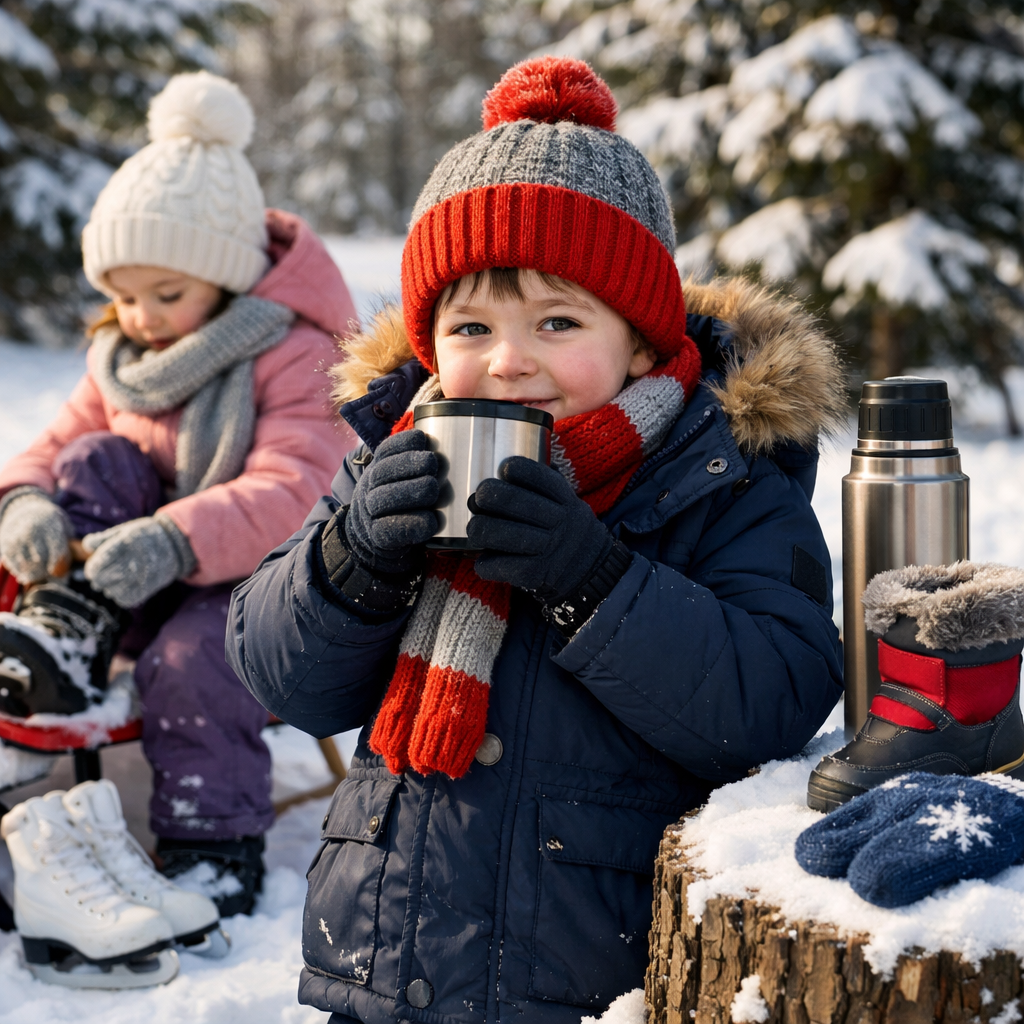

Cold weather safety for kids starts with simple planning, proper clothing, and clear routines at home and at school. In Canada, children can be exposed to cold temperatures during the walk to school, bus waits, recess, outdoor sports, field trips, and family activities, so prevention matters long before a child feels too cold.
Parents, caregivers, teachers, and school staff all play a role in reducing winter risks. A practical approach focuses on preparation, supervision, weather awareness, and age-appropriate habits that help children stay warm, dry, visible, and safe.
Why cold weather safety for kids matters in daily routines
Children can lose body heat faster than adults, and younger kids may not notice early warning signs such as cold fingers, wet clothing, or numb skin. They may also keep playing outside without stopping to warm up, especially during recess or snow play.
For schools, winter conditions can affect more than outdoor comfort. Snow, ice, slush, wind chill, poor visibility, and wet entryways increase the risk of slips, falls, and prolonged cold exposure. For families, common risk points include walking to school, waiting for transportation, and outdoor recreation after school or on weekends.
A prevention-focused plan should consider the basics of the Hierarchy of Controls. In practical terms, that means reducing exposure where possible, setting safe outdoor procedures, using proper winter clothing, and making sure adults supervise conditions closely. Guidance from organizations such as CCOHS, Ontario, and Health Canada can support local decision-making.
Dress for success: the foundation of cold weather safety for kids
Use layers that keep kids warm and dry
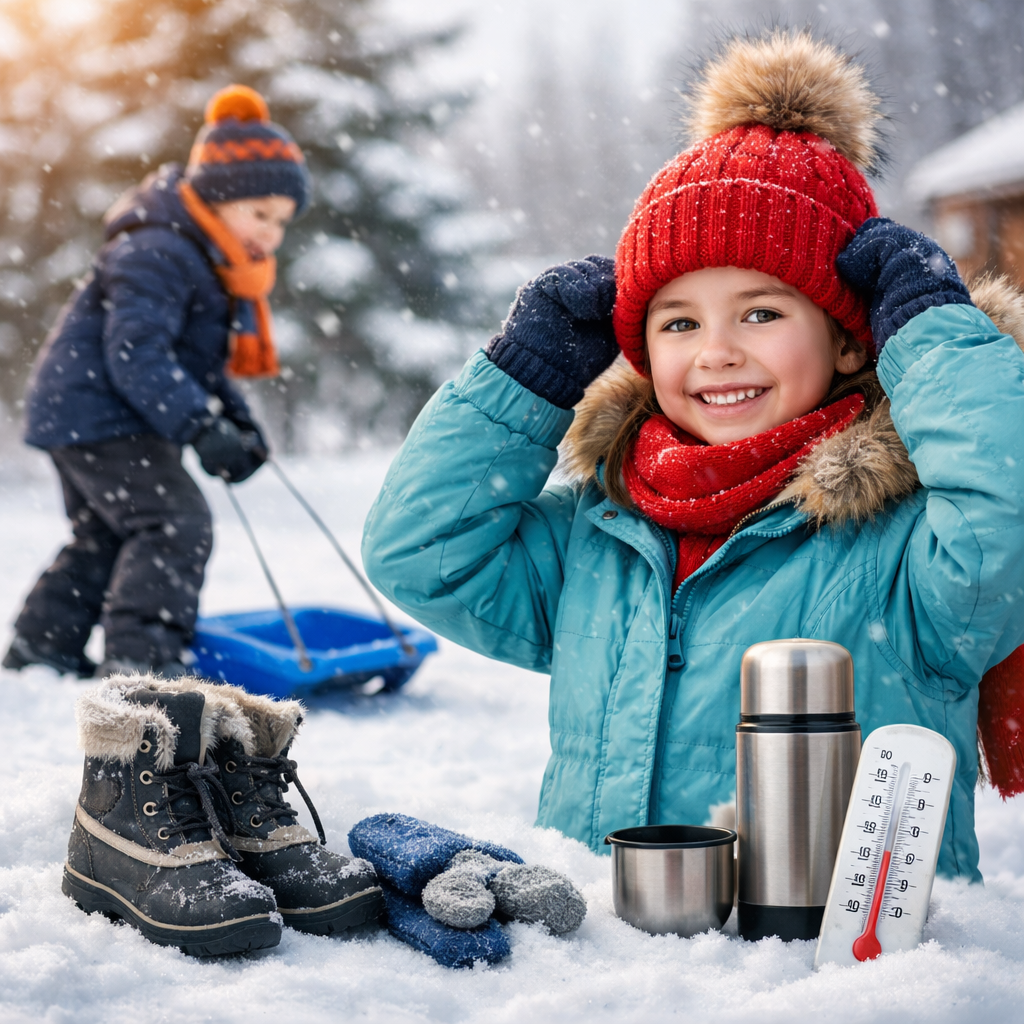
The most reliable clothing system is layering. A base layer helps manage moisture, a middle layer adds insulation, and an outer layer protects against wind, snow, and damp conditions. Wet clothing can increase heat loss quickly, so water-resistant outerwear and spare socks or mittens are often worth packing.
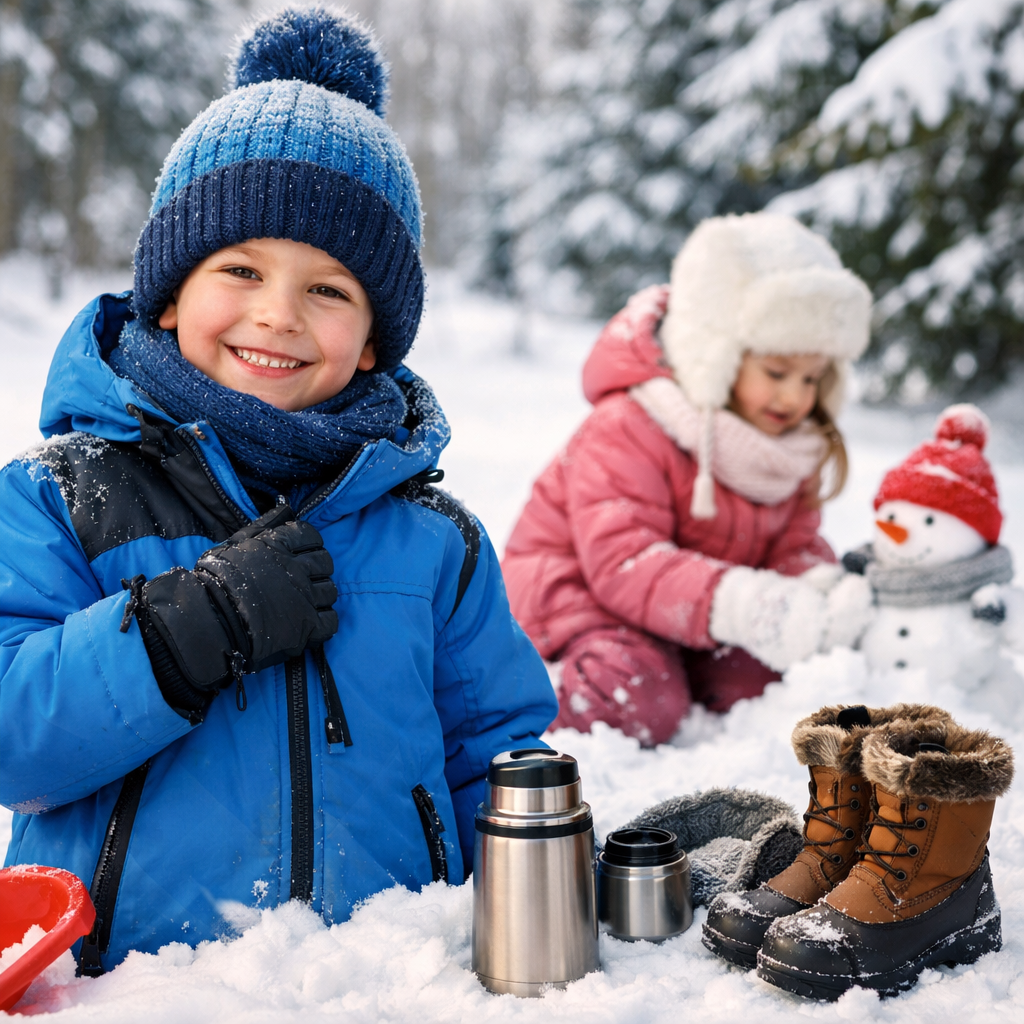
Children should also wear a hat that covers the ears, insulated mittens or gloves, winter boots with grip, and a scarf or neck warmer used safely so it does not create a snag hazard during play. For school-aged children, clothing should be easy enough to remove and put back on without constant adult help.
What parents and schools should check before outdoor time
- Clothing matches the temperature, wind, and wet conditions.
- Mittens, hats, and socks are dry before heading outside.
- Boots fit well and have slip-resistant soles.
- Outer layers allow movement for walking, climbing, and play.
- Reflective details are visible during darker winter mornings and afternoons.
- A labelled spare set of gloves or socks is available when possible.
For more everyday prevention resources, parents and schools can explore OHSE.ca. If staff need structured learning support, winter safety topics may also fit broader training at learn.ohse.ca.
Cold weather safety for kids at school, on the way, and during outdoor play
Walking to school and waiting for the bus
Cold weather safety for kids begins before the school day starts. Children should leave with enough time to avoid rushing on icy sidewalks or crossing streets carelessly in low visibility. Whenever possible, they should use cleared walkways, cross at designated locations, and avoid snowbanks that block their view of traffic.
At bus stops, children should stand back from the curb, avoid rough play, and keep backpacks and drawstrings under control. Schools and families should encourage bright or reflective winter gear so drivers can see children more easily during darker hours or snowy conditions.
Recess, sports, and outdoor learning
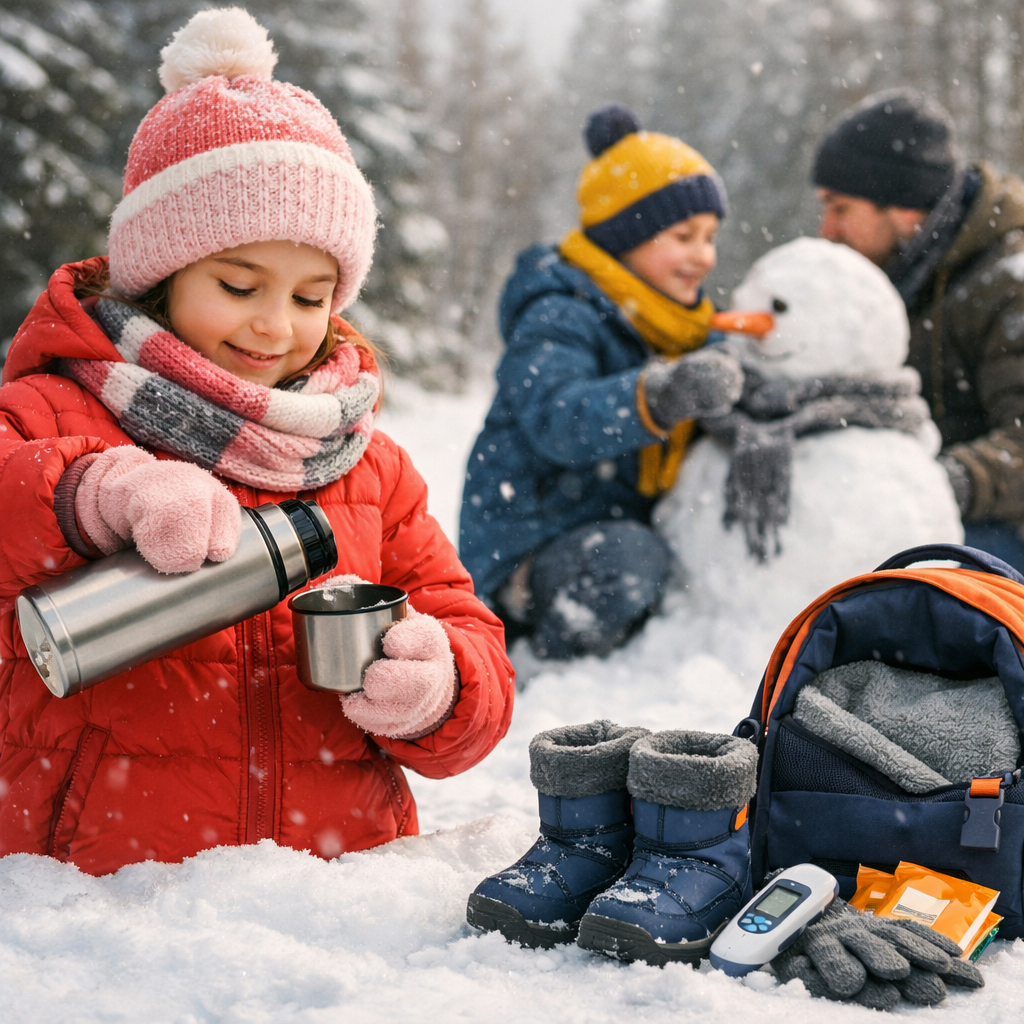
Outdoor activity is valuable in winter, but it should be managed carefully. Schools should monitor temperature, wind chill, ground conditions, and how long children are outside. Younger children may need more frequent checks because they are less likely to report discomfort early.
Staff should watch for wet gloves, uncovered skin, repeated falls on ice, and signs that a child is becoming too cold or tired. When conditions worsen, schools may shorten outdoor periods, move activities to sheltered areas, or bring students indoors. These are sensible administrative controls that reduce risk without removing activity entirely.
Play areas also need attention. Ice patches, packed snow, pooled meltwater, and slippery entrances should be identified and managed. Equipment surfaces can become very cold, and metal parts may be uncomfortable or unsafe to touch with bare skin.
Recognizing problems early and responding calmly
Watch for early warning signs
Parents and educators do not need to diagnose illness to spot when a child needs warming up. Practical cold weather safety for kids includes noticing behavioural and physical clues early and responding right away.
| Situation | What you may notice | What to do |
|---|---|---|
| Too cold during outdoor activity | Complaints of cold, stiff hands, red face, slowing down, wanting to stop | Move indoors, remove wet items, add dry layers, offer time to warm up |
| Possible skin cold injury | Numbness, pale or unusual skin colour, pain when warming | Get the child indoors and follow local school, medical, or emergency guidance |
| Slippery condition injury risk | Frequent slips, unstable footing, icy routes or entrances | Reroute children, improve supervision, and maintain surfaces promptly |
If a child seems unusually cold, confused, very uncomfortable, or has concerning skin changes, adults should stop outdoor exposure and follow local school procedures, manufacturer instructions for warming products if used, and emergency guidance where applicable. Avoid home diagnosis and use professional medical help when needed.
Communication is part of prevention
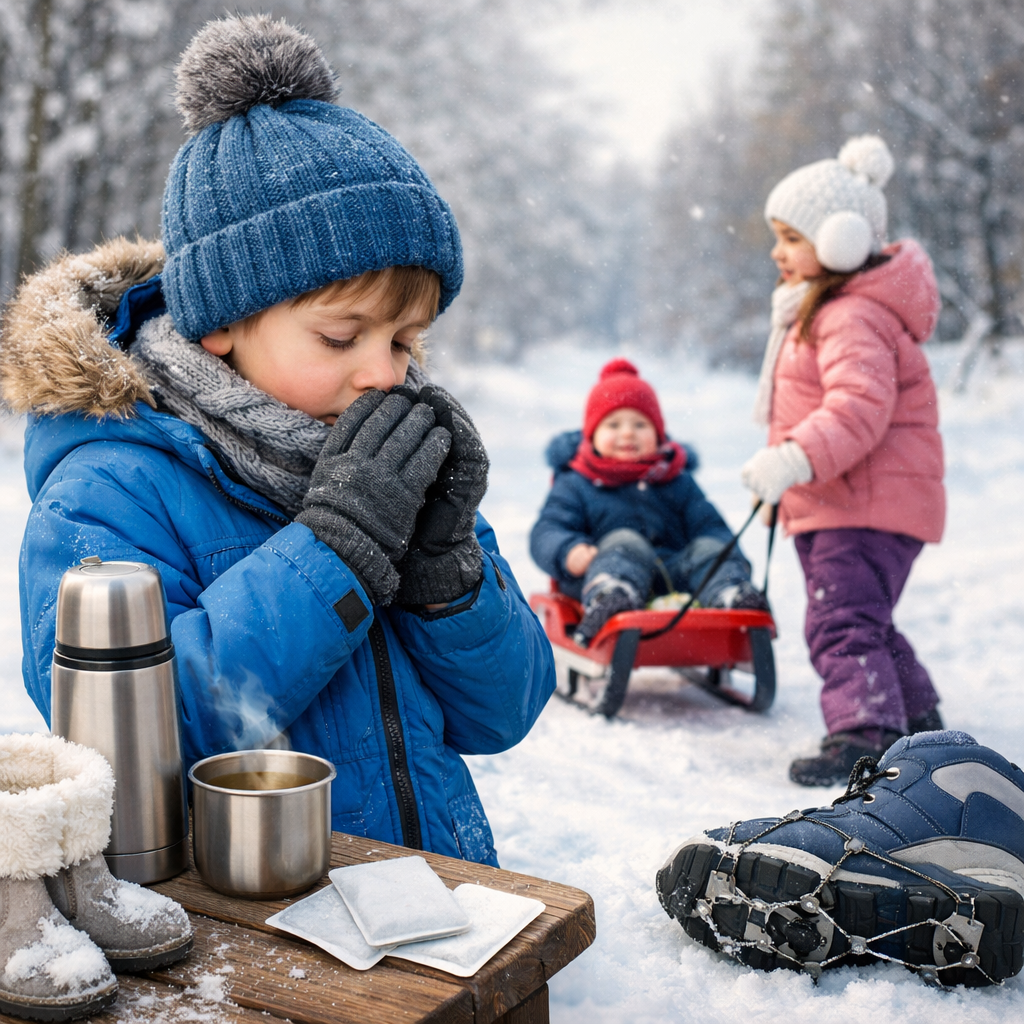
Children do better when expectations are simple and repeated. Remind them to tell an adult if their hands are cold, socks are wet, boots are leaking, or they cannot feel their fingers properly. Schools can reinforce the same message at entry points, before recess, and before trips or outdoor activities.
A practical checklist for parents and schools
The most effective cold weather safety for kids plan is one people can actually use every day. This short checklist helps turn general advice into consistent action.
- Check the day’s temperature, wind, and precipitation before children leave home or go outside.
- Dress children in layers and pack backups for items that commonly get wet.
- Choose boots with good traction and keep paths, school entries, and pickup areas as clear as possible.
- Use bright or reflective winter clothing for visibility during darker travel times.
- Set time limits or warming breaks for outdoor play when conditions are harsher.
- Teach children to report numbness, wet clothing, or slippery areas right away.
- Review school procedures for recess changes, field trips, transportation delays, and winter pickup routines.
- Follow local school, workplace, and emergency guidance when conditions change quickly.
Cold weather does not have to stop children from learning, playing, or travelling safely. With the right clothing, supervision, surface maintenance, and communication, families and schools can make winter routines much safer and less stressful.
In the end, cold weather safety for kids is about prevention, not fear. A calm routine, weather-aware decisions, and consistent habits help children enjoy winter more safely at home, at school, and in the community.
No comments yet