

Data Centers and IT Industry Safety
Data centers and IT facilities serve as the backbone of modern digital infrastructure, housing servers, networking equipment, and computing systems that power businesses, governments, and internet services.
These facilities operate 24/7, making electrical and fire safety critical for ensuring uninterrupted operations, data security, and personnel protection. Given the high energy consumption and complex electrical configurations within data centers, even a minor safety lapse can lead to catastrophic fires, power failures, equipment damage, and financial losses.

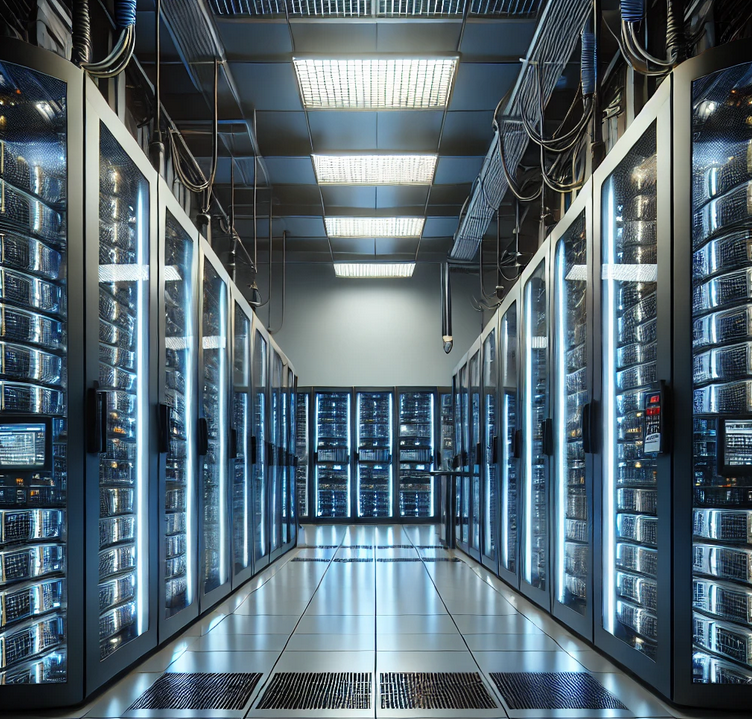
This article explores the common electrical and fire hazards in data centers, best practices for mitigating risks, compliance with industry safety standards, and proactive strategies to enhance safety and reliability in IT environments.
For further reading on industry safety guidelines, visit National Fire Protection Association (NFPA) and Occupational Safety and Health Administration (OSHA).
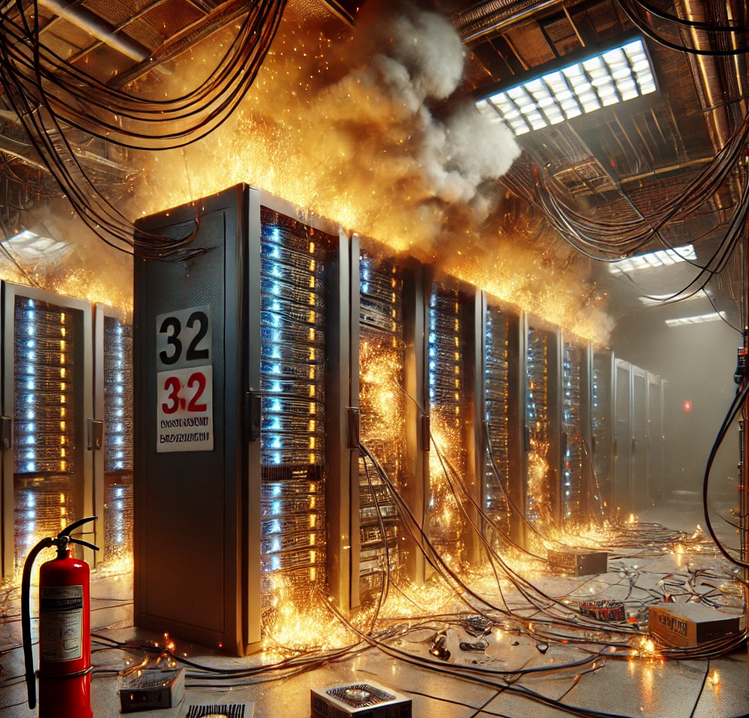
Common Electrical and Fire Hazards in Data Centers

| Hazard | Impact | Preventive Measures |
|---|---|---|
| Overloaded Electrical Circuits | Causes overheating, short circuits, and fires | Proper load balancing and monitoring |
| Faulty Wiring and Connections | Leads to power fluctuations and failures | Routine inspections and maintenance |
| UPS System Malfunctions | Can result in sudden power loss or fire | Regular testing and battery checks |
| Dust and Debris Accumulation | Increases fire risk by clogging cooling systems | Strict cleaning protocols |
| Inefficient Cooling Systems | Causes overheating and potential ignition | Hot aisle/cold aisle containment |
| Use of Substandard Electrical Parts | Raises risk of electrical failures and fires | Use certified and compliant products |
| Human Error and Unauthorized Access | Leads to mishandling of high-voltage equipment | Employee training and access control |
1. Overloaded Electrical Circuits
Data centers require significant power loads, and if circuits are overloaded, they can overheat, causing short circuits and fires. Improper power distribution and failure to monitor electrical loads increase this risk.
2. Faulty Wiring and Electrical Connections
Poorly installed or aging wiring can lead to arc faults, electrical surges, and potential fire hazards. Regular electrical system inspections and upgrades are essential for preventing failures.
3. UPS (Uninterruptible Power Supply) System Malfunctions
UPS systems act as a backup power source for critical IT equipment. However, poorly maintained UPS batteries can overheat or fail, leading to sudden power disruptions or fire hazards.
4. Dust and Debris Accumulation
Dust and debris in IT facilities can clog cooling systems, insulate heat sources, and increase the likelihood of electrical ignition. Implementing strict cleaning protocols and air filtration systems reduces these risks.
5. Inefficient Cooling and Ventilation Systems
Without proper cooling, server racks can overheat, leading to thermal runaway and potential ignition. Hot aisle/cold aisle containment, precision cooling, and real-time temperature monitoring are essential for preventing this hazard.
6. Use of Substandard Electrical Components
Subpar electrical components, such as non-certified circuit breakers, surge protectors, or PDUs, pose serious electrical hazards. Always ensure components meet UL, CE, or ISO safety certifications.
7. Human Error and Unauthorized Access
Untrained personnel or unauthorized individuals working on electrical systems increase the risk of mishandling critical infrastructure. Strict training programs and access control systems are necessary to minimize risks.
Best Practices for Managing Electrical Hazards
1. Implement Redundant Power Systems
- Use dual power supplies for critical IT equipment to prevent single points of failure.
- Install backup generators and UPS systems to ensure power continuity.
- Regularly test Automatic Transfer Switches (ATS) to confirm smooth transition between power sources.
2. Perform Routine Electrical Inspections
- Conduct thermal imaging to detect electrical hotspots before failures occur.
- Inspect power distribution units (PDUs) and circuit breakers frequently.
- Ensure proper grounding and bonding of electrical systems to minimize static discharge risks.
3. Use Certified Electrical Components
- Invest in UL-listed or CE-certified PDUs, cables, and circuit breakers.
- Replace outdated wiring and ensure surge protectors meet safety standards.
4. Train Employees on Electrical Safety
- Conduct electrical hazard awareness training for IT and maintenance staff.
- Restrict access to high-voltage areas and designate authorized personnel.
- Develop clear emergency response protocols for electrical incidents.
5. Optimize Power Load Distribution
- Balance loads across redundant circuits to prevent overloads.
- Use intelligent PDUs for real-time power monitoring and alerts.
- Implement load shedding strategies to reduce non-essential power usage.
For more insights, refer to Institute of Electrical and Electronics Engineers (IEEE).
Fire Prevention Strategies for IT Facilities

1. Install Advanced Fire Suppression Systems
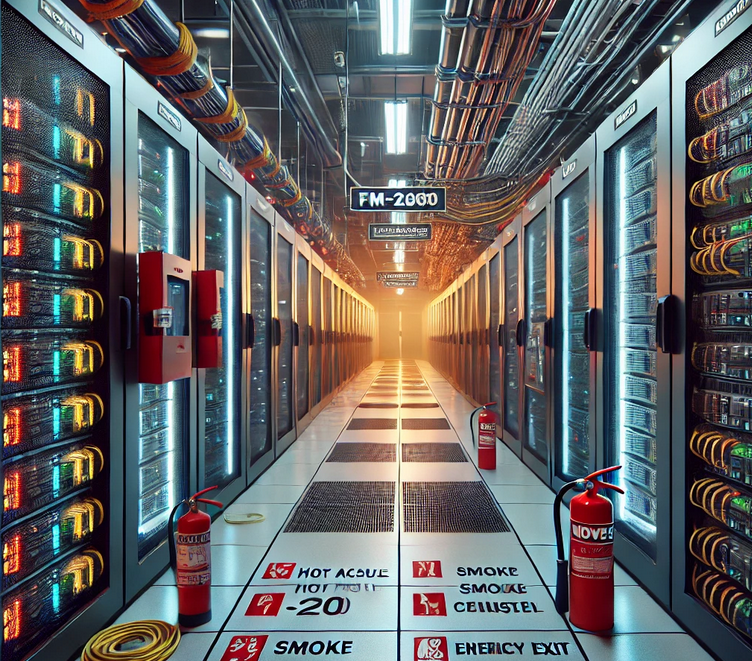
- Use FM-200 or Novec 1230 clean agent suppression systems for electronics.
- Avoid water-based fire suppression near electrical infrastructure.
- Ensure fire extinguishers in data centers are rated for electrical fires (Class C).
2. Improve Cooling and Ventilation
- Deploy hot aisle/cold aisle containment to regulate airflow.
- Maintain HVAC and air conditioning units to prevent overheating.
- Use server rack temperature sensors for real-time monitoring.
3. Reduce Dust and Combustible Materials
- Enforce strict dust removal and cleaning procedures.
- Store paper and combustible materials away from critical IT infrastructure.
- Install anti-static flooring to prevent static discharge ignition.
Industry Standards and Compliance
- NFPA 75 & NFPA 76 – Fire protection for data centers.
- ISO/IEC 27001 – Security best practices for IT infrastructure.
- OSHA Electrical Safety Guidelines – High-voltage safety procedures.
- ASHRAE TC 9.9 – Thermal management for IT environments.
- TIA-942 – Telecommunications infrastructure standard for data centers.
Conclusion
Data centers face significant electrical and fire hazards, which, if not managed properly, can result in costly downtime, data loss, and equipment damage. Implementing safety measures such as redundant power systems, regular maintenance, proper ventilation, and employee training significantly reduces risks.
By complying with industry safety standards and leveraging advanced fire suppression and electrical monitoring technologies, IT industry leaders can ensure the reliability, security, and safety of critical infrastructure.
For additional information, visit Uptime Institute.

