
- Defensive Driving for Fleet Operators: Reducing Road Risk, Protecting Workers, and Strengthening Compliance
- Why Defensive Driving for Fleet Operators Matters in OHSE
- Core Principles of Defensive Driving for Fleet Operators
- Prevention and the Hierarchy of Controls in Fleet Safety
- Compliance, Training, and Practical Defensive Driving for Fleet Operators
Defensive Driving for Fleet Operators: Reducing Road Risk, Protecting Workers, and Strengthening Compliance

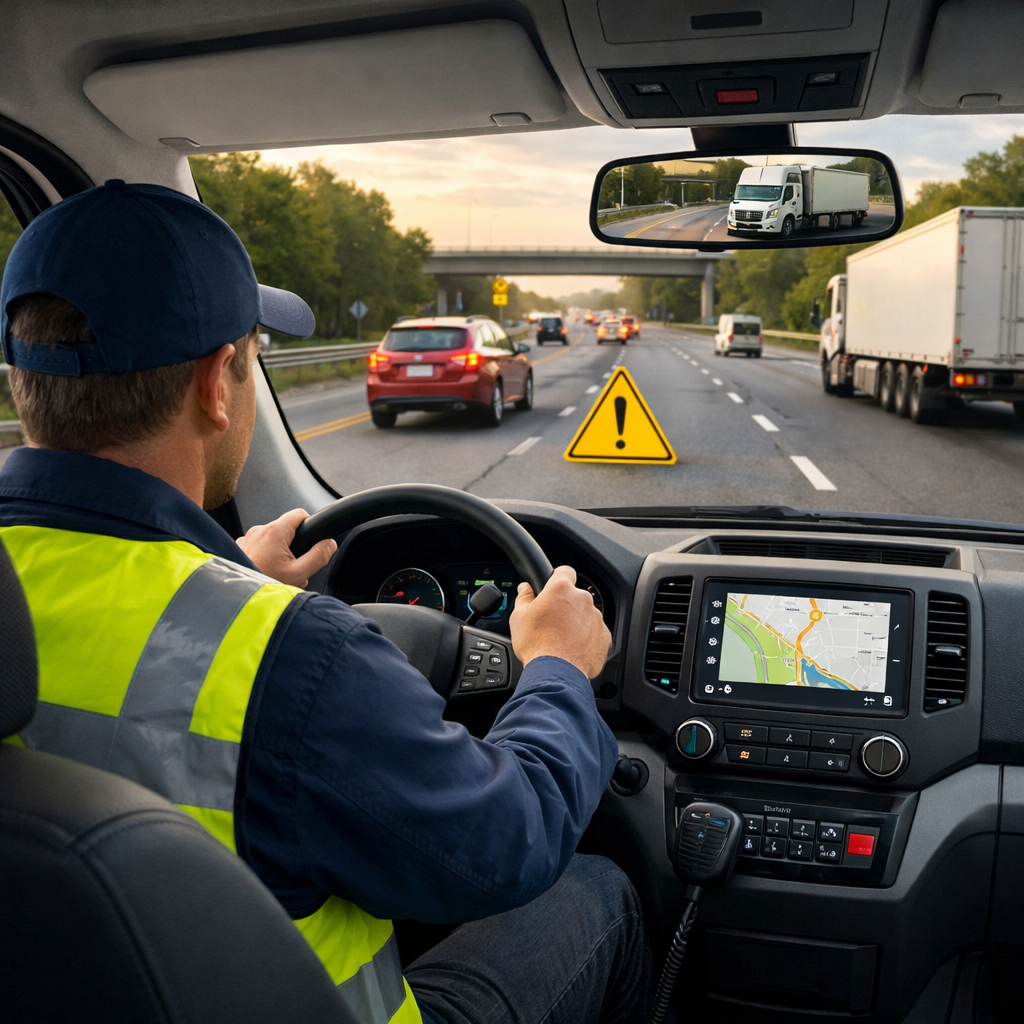
Defensive driving for fleet operators is one of the most effective ways to reduce crashes, injuries, downtime, and liability across transport, service, construction, delivery, and utility sectors.
From an OHSE perspective, fleet driving is a workplace activity with real exposure to harm, and employers have a duty to identify hazards, assess risk, and implement practical controls that keep drivers and the public safe.
Whether a business manages five vans or hundreds of heavy vehicles, road incidents can lead to serious injury, workers’ compensation claims, damaged equipment, reputational harm, and regulatory scrutiny.
A strong defensive driving program helps fleet operators anticipate hazards early, make safer decisions under pressure, and maintain consistent safety standards on every journey.
Why Defensive Driving for Fleet Operators Matters in OHSE
Driving for work is often one of the highest-risk tasks employees perform, even in businesses that are not primarily transport-based.
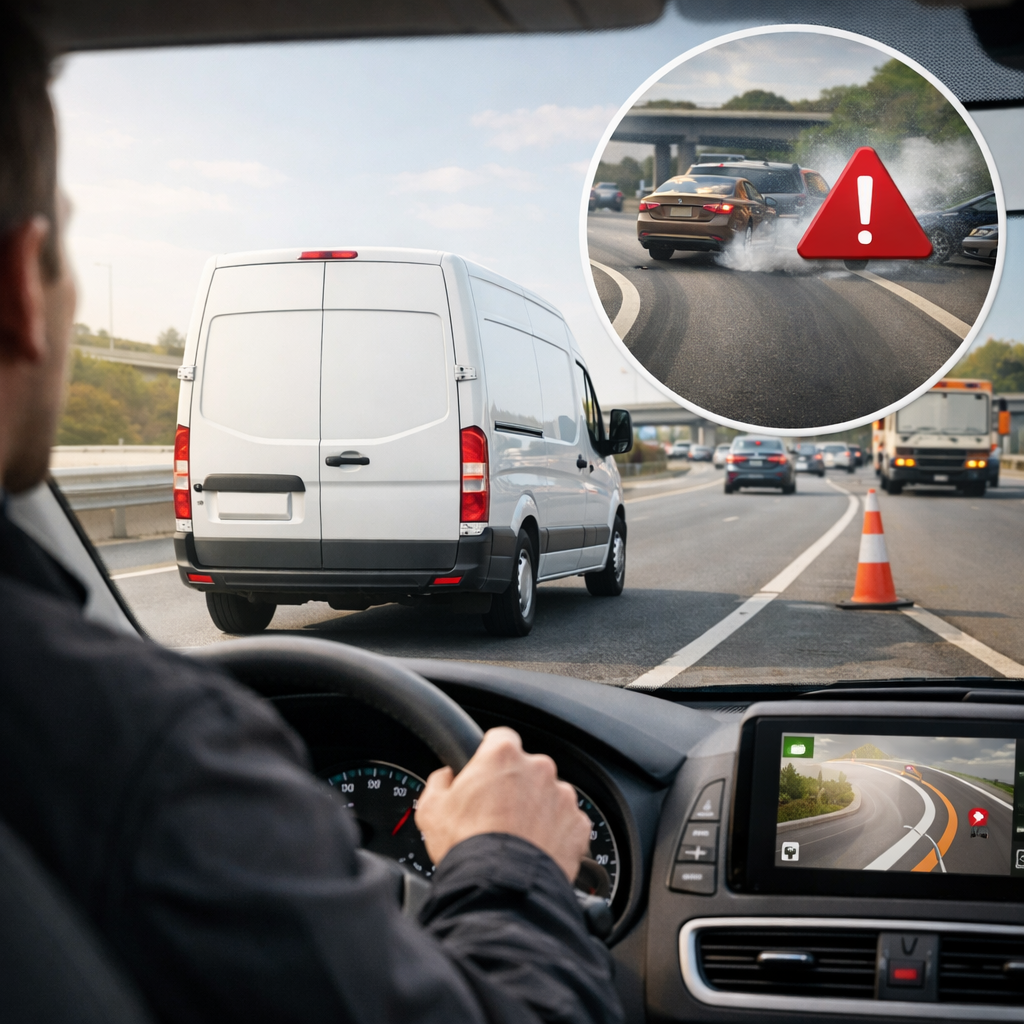
Sales teams, field technicians, couriers, supervisors, and plant operators may all spend significant time on the road, often under schedule pressure and in changing weather or traffic conditions.
In OHSE terms, common fleet risks include fatigue, distraction, speeding, poor vehicle condition, unsafe reversing, aggressive driving by other road users, and limited visibility around large vehicles.
These hazards increase further when drivers are unfamiliar with routes, carrying loads, using mobile devices, or operating in remote areas.
Common road risks for fleet operators
- Fatigue: reduced reaction time, poor judgment, and microsleeps during long or irregular shifts.
- Distraction: phones, dispatch systems, eating, paperwork, and in-cab conversations.
- Speed and following distance: less time to respond and greater stopping distances.
- Weather and road conditions: rain, glare, fog, ice, gravel, potholes, and floodwater.
- Vehicle blind spots: especially for trucks, buses, and commercial vans.
- Manual handling around vehicles: loading, unloading, securing cargo, and entering traffic areas.
- Driver health factors: stress, dehydration, poor sleep, medication effects, and impaired mobility.
According to guidance from organizations such as OSHA and CCOHS, employers should treat occupational driving as a managed safety risk rather than a routine activity.
That means driver behavior, vehicle condition, scheduling, training, and supervision all need to be part of the safety system.
Core Principles of Defensive Driving for Fleet Operators
Defensive driving for fleet operators is built on anticipation, space management, hazard recognition, and disciplined decision-making.
The goal is not simply to obey road rules, but to actively reduce exposure to predictable driving errors made by both the fleet driver and other road users.
Key defensive driving habits
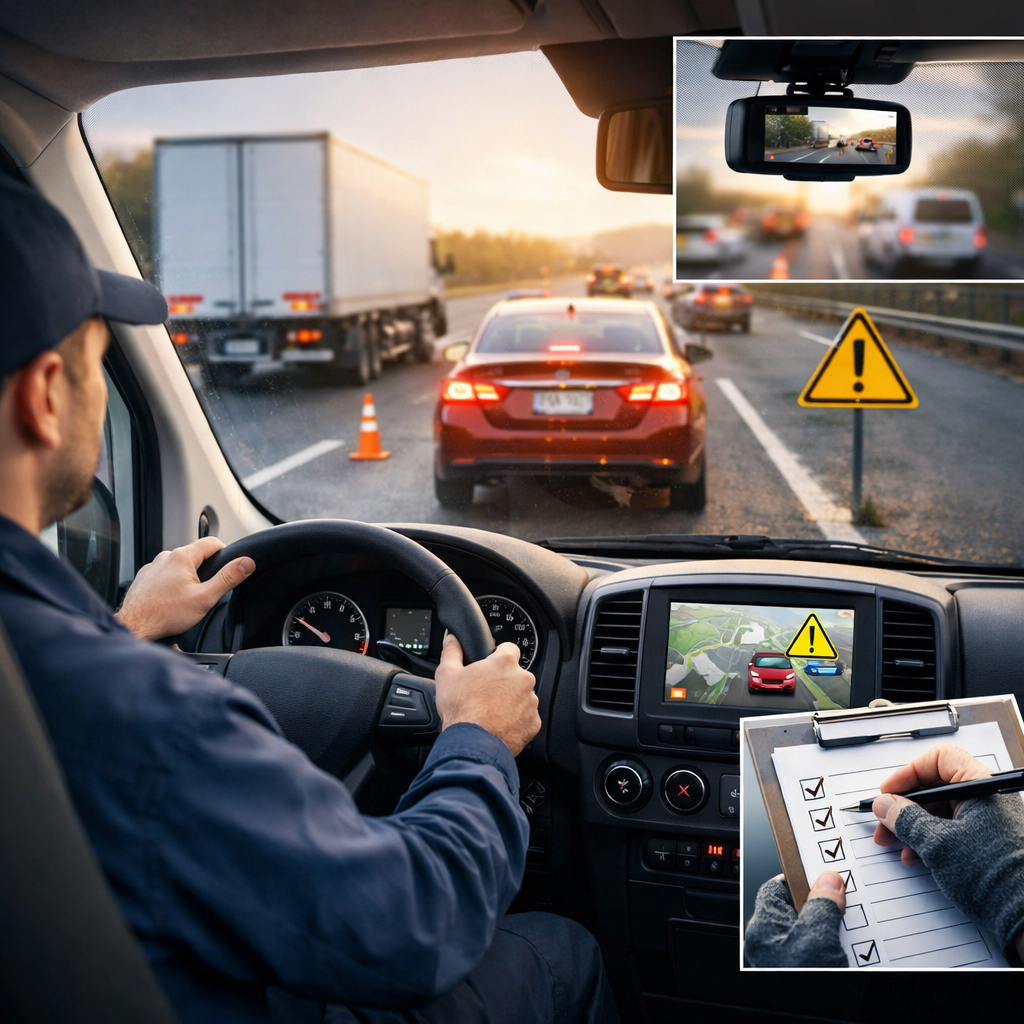
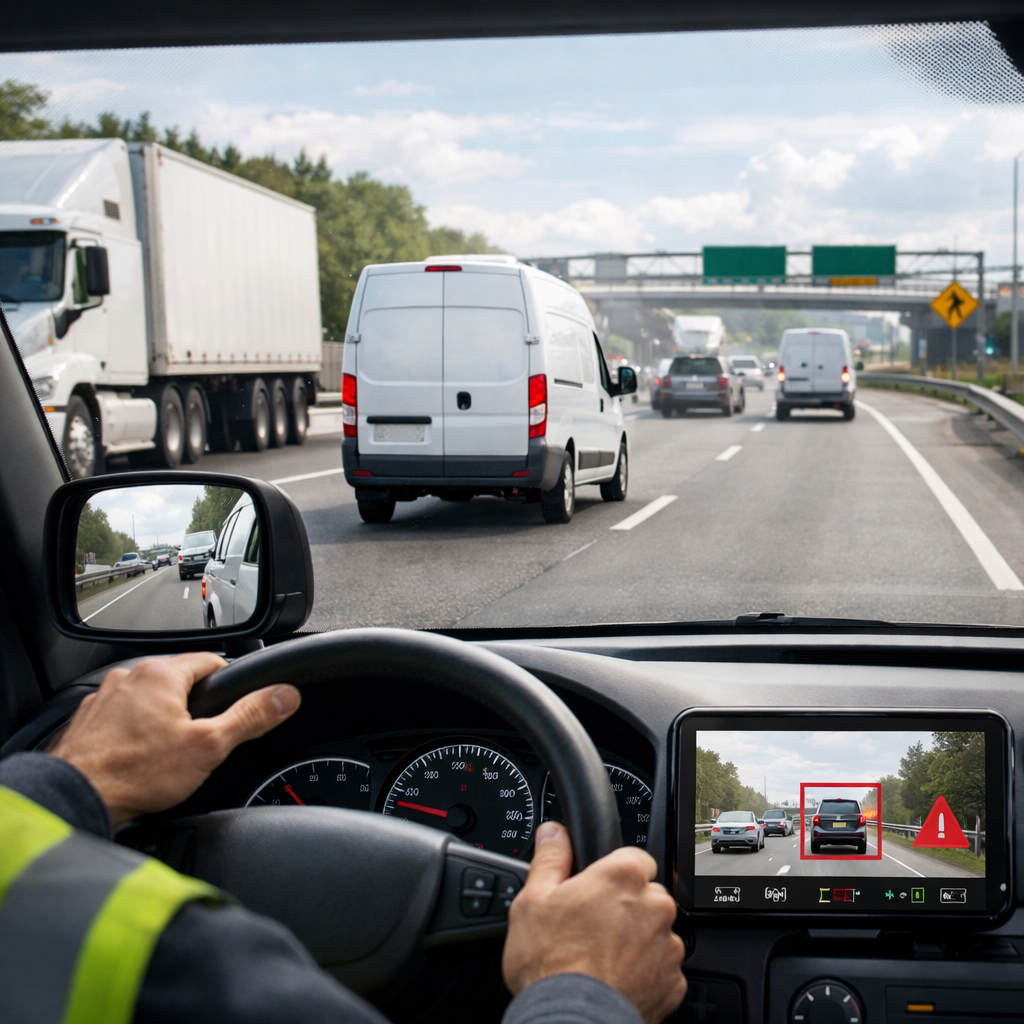
Fleet drivers should scan well ahead, check mirrors frequently, and identify escape routes whenever traffic or road conditions change.
They should maintain safe following distances, slow down before hazards develop, and avoid driving in other vehicles’ blind spots whenever possible.
Good defensive driving also means planning for the mistakes of others.
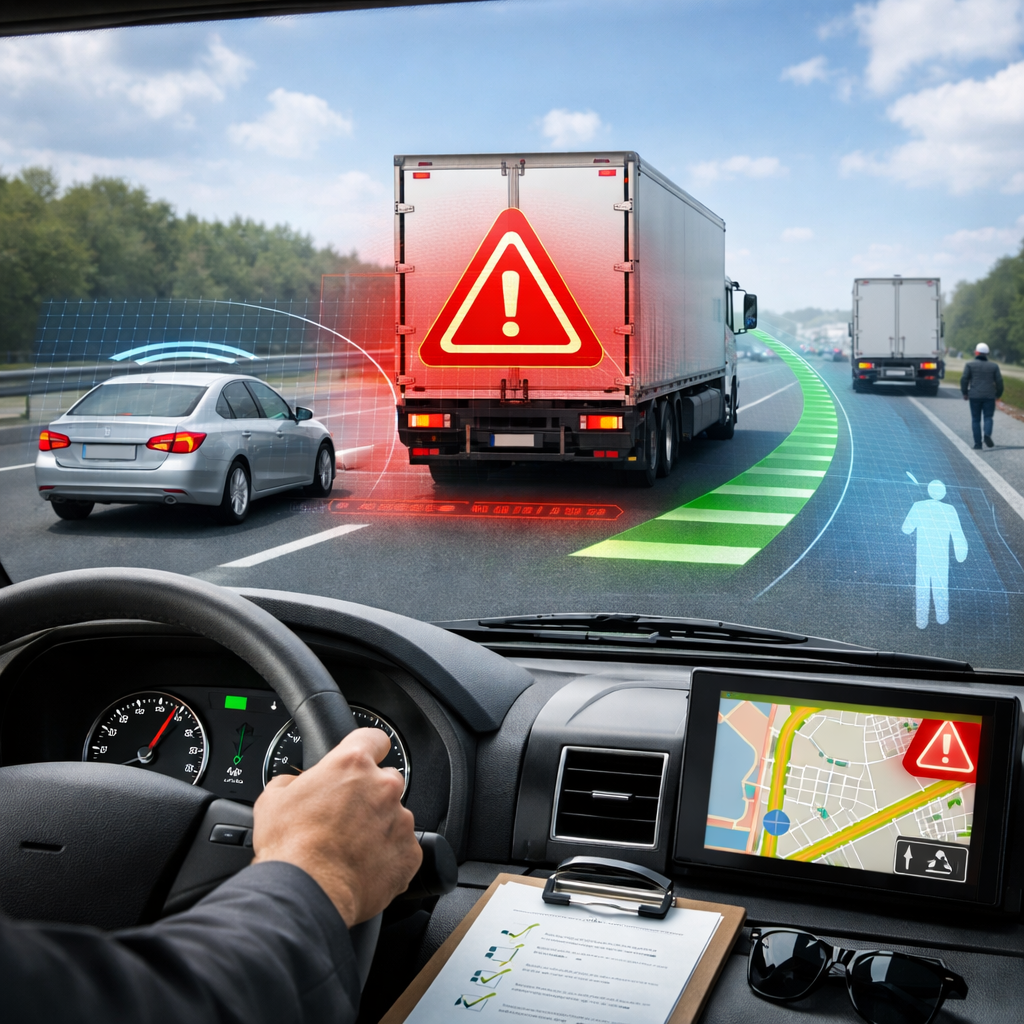
A driver approaching an intersection, school zone, work zone, or merging lane should expect sudden stops, late lane changes, or pedestrians entering the roadway.
Practical example
A delivery van operator running behind schedule may be tempted to speed through urban traffic and brake hard at intersections.
A defensive driver instead leaves more space, reduces speed near crossings, watches for cyclists beside parked cars, and accepts minor delays to avoid a collision.
That one decision protects the driver, the employer, and the public.
Vehicle checks support safer driving
Pre-start inspections are another essential part of defensive driving for fleet operators.
Drivers should check tires, lights, mirrors, windscreen condition, wipers, brakes, load security, reversing alarms, and fluid levels before travel.
Minor defects can quickly become major road hazards if left unreported.
For related safety planning, many businesses also connect vehicle checks to their safety management system and incident reporting procedure.
Prevention and the Hierarchy of Controls in Fleet Safety
OHSE programs are strongest when they apply the Hierarchy of Controls rather than relying only on driver reminders.
While PPE and training matter, the highest-value controls often come from better planning, safer equipment, and stronger operational systems.
Applying the Hierarchy of Controls
| Control Level | Fleet Safety Example | Safety Benefit |
|---|---|---|
| Elimination | Remove unnecessary trips through remote diagnostics, route consolidation, or virtual meetings | Reduces total driving exposure |
| Substitution | Use safer vehicles with advanced driver assistance systems | Lowers crash likelihood and severity |
| Engineering Controls | Cameras, telematics, speed limiters, cargo barriers, reversing sensors | Improves hazard detection and control |
| Administrative Controls | Driver training, journey planning, fatigue rules, maintenance schedules, policies | Creates consistent safe work practices |
| PPE | High-visibility clothing, gloves, safety boots, weather gear when outside the vehicle | Protects workers during roadside and loading tasks |
Administrative controls remain especially important for fleets.
These include seat belt rules, mobile phone restrictions, maximum driving hours, fit-for-work checks, incident review processes, and clear expectations for reversing and parking.
Journey management plans should consider route hazards, rest breaks, weather, high-risk delivery windows, and emergency communication methods.
PPE in fleet operations
PPE is sometimes overlooked in discussions about driving, but it has clear relevance to fleet safety.
Drivers frequently leave the vehicle to inspect loads, refuel, deliver materials, place warning devices, or manage breakdowns on roadsides and worksites.
Depending on the task, appropriate PPE may include:
- High-visibility vests or jackets
- Slip-resistant or steel-toe safety footwear
- Work gloves for load handling or inspections
- Eye protection for maintenance or debris exposure
- Wet weather gear and sun protection for outdoor tasks
PPE does not prevent crashes on its own, but it can reduce injury risk during many non-driving tasks linked to fleet work.
Compliance, Training, and Practical Defensive Driving for Fleet Operators
Defensive driving for fleet operators should sit within a documented compliance framework that reflects road laws, OHSE duties, licensing requirements, and internal company procedures.
Employers should ensure drivers are licensed, competent for the vehicles they operate, medically fit where required, and trained for task-specific risks such as towing, load restraint, or remote travel.
What compliance should cover
- Driver licence and authorization checks
- Vehicle inspection and maintenance records
- Fatigue management and hours-of-service controls
- Drug and alcohol policies where legally appropriate
- Incident reporting and investigation
- Training refreshers and competency assessments
- Emergency preparedness for collisions and breakdowns
For fleet operators working across multiple jurisdictions, it is important to align internal policies with national and local road safety laws, as well as occupational health and safety obligations.
Useful references can include the NHTSA, OSHA, and CCOHS guidance, depending on where the business operates.
Training that works in the real world
Classroom sessions alone are rarely enough.
Effective programs combine policy awareness, practical defensive driving instruction, supervised observation, incident trend analysis, and coaching based on actual driving data.
Telematics can help identify harsh braking, speeding, rapid acceleration, seat belt non-compliance, or excessive idling, but the data should be used constructively rather than only punitively.
A practical example is a utility fleet that sees repeated minor reversing collisions.
Instead of blaming individual drivers only, the company reviews yard layouts, parking design, reversing frequency, camera coverage, spotter procedures, and driver training.
Control measures might include designated one-way flow, no-reverse parking where feasible, mandatory walk-around checks, and refresher defensive driving sessions focused on low-speed maneuvering.
Another example is a regional service fleet facing fatigue risk during peak season.
The business may respond by staggering start times, limiting consecutive long-distance trips, requiring scheduled breaks, and using route planning software to reduce unnecessary travel.
These controls are often more effective than simply telling drivers to “be careful.”
In conclusion, defensive driving for fleet operators is not just a driving skill; it is a core OHSE strategy that helps prevent injuries, protect assets, and support legal compliance.
By identifying road risks, applying the Hierarchy of Controls, using PPE where tasks require it, and reinforcing safe driving through training and supervision, fleet operators can build a safer and more resilient transport operation.
When defensive driving for fleet operators becomes part of everyday work culture, safer journeys become the standard rather than the exception.
No comments yet