

Fire safety in large storage facilities is one of the most vital concerns for both employers and employees. Warehouses, distribution centers, and industrial storage facilities house flammable materials, high-value goods, and complex electrical systems.

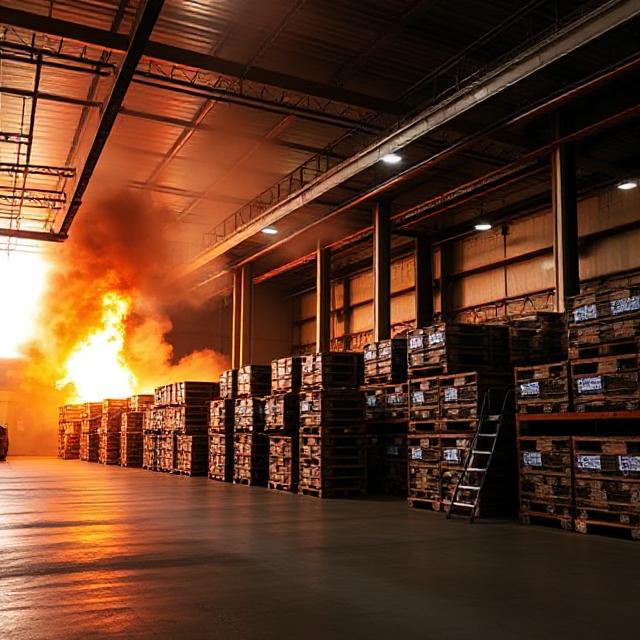
A single fire incident can not only cause property damage but also result in loss of life, production downtime, and legal consequences.
With the rapid growth of global e-commerce, storage facilities are expanding in size and complexity. This makes it even more important to adopt a proactive approach toward fire safety in large storage facilities.
Why Fire Safety in Storage Facilities Matters
Large storage facilities present unique fire hazards due to:
- High storage racks and aisles that make firefighting difficult.
- Large volumes of combustible materials such as cardboard, plastics, and pallets.
- Electrical systems powering machinery, lighting, and automation.
- Human factors including improper storage, blocked exits, or unsafe handling of flammable items.

According to the National Fire Protection Association (NFPA), warehouse fires cause millions of dollars in damages annually, with leading causes including electrical failures, heating equipment, and careless use of flammable materials.
Key Fire Hazards in Storage Facilities
- Combustible Storage Materials – Paper, plastics, textiles, and packaging.
- Flammable Liquids and Chemicals – Cleaning agents, paints, solvents.
- Electrical Systems – Overloaded circuits, damaged wiring, or equipment failures.
- Blocked or Inadequate Exits – Delaying evacuation in emergencies.
- Poor Housekeeping – Dust accumulation, cluttered aisles, or overfilled storage racks.
Identifying these hazards is the first step toward ensuring fire safety in large storage facilities.
Fire Prevention Strategies

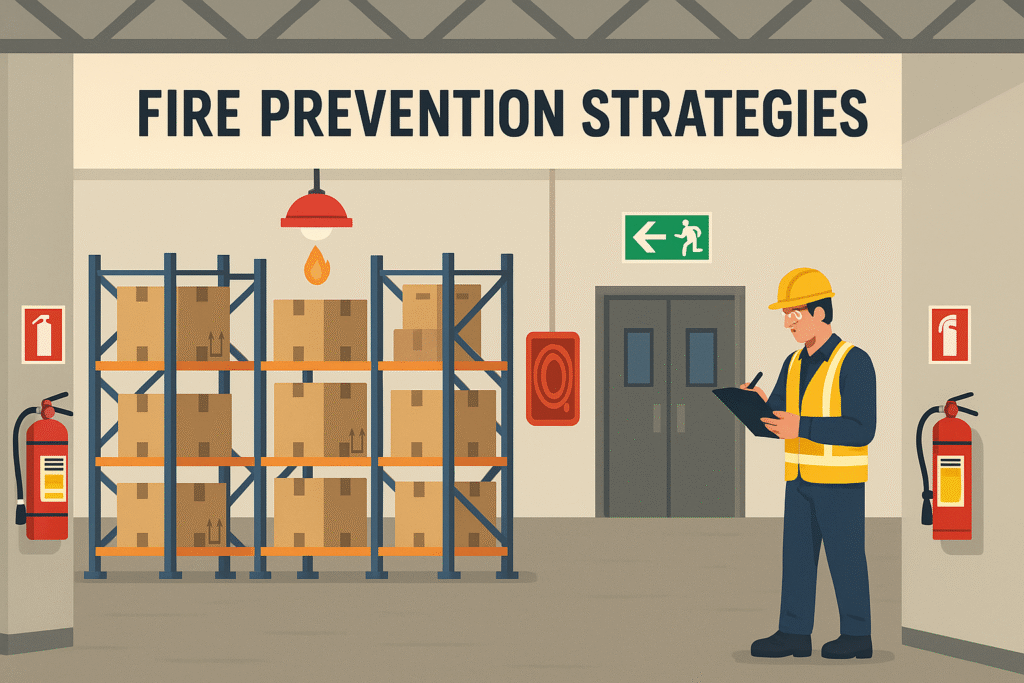
1. Engineering Controls
- Install sprinkler systems specifically designed for warehouse environments (e.g., ESFR – Early Suppression Fast Response sprinklers).
- Use fire-rated doors and walls to compartmentalize high-risk areas.
- Ensure adequate ventilation to prevent heat buildup.
- Deploy smoke detection and alarm systems that cover all storage zones.
2. Administrative Controls
- Develop a fire safety plan tailored to the facility’s layout and hazards.
- Conduct regular safety audits and fire risk assessments.
- Keep fire exits and pathways clear at all times.
- Store flammable liquids in approved safety cabinets.
3. Safe Work Practices
- Train employees in proper handling of flammable materials.
- Prohibit smoking and open flames inside and near storage areas.
- Encourage immediate reporting of unsafe conditions.
- Maintain strict housekeeping rules to reduce clutter and dust.
Emergency Preparedness and Response
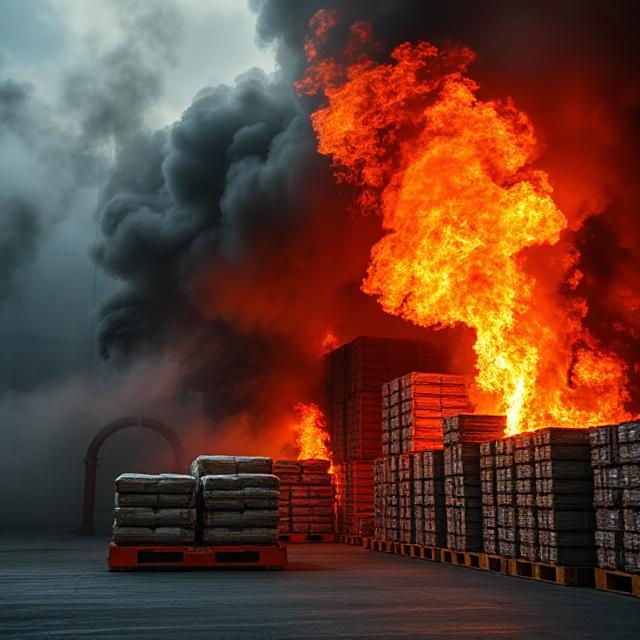
A comprehensive fire safety program must include:
- Evacuation Drills – Regularly practiced with all employees.
- Fire Warden Training – Assigning staff to guide others during evacuation.
- Emergency Lighting – Clearly illuminating escape routes even during power outages.
- Communication Systems – PA announcements, alarms, and two-way radios for coordination.
Facilities should also establish a relationship with local fire departments, ensuring responders are familiar with the layout and hazards of the facility.
Fire Suppression Systems for Warehouses
Modern large-scale storage facilities should integrate:
- Sprinkler Systems – ESFR or in-rack sprinklers for high-piled storage.
- Fire Extinguishers – Strategically placed and regularly inspected.
- Foam Suppression Systems – Effective for flammable liquids storage.
- Gas Suppression Systems – Useful for data centers or electrical control rooms inside storage facilities.
Regular inspection and maintenance of these systems is critical to their effectiveness.
Training and Awareness
Training is the backbone of fire safety in large storage facilities. Workers must understand:
- How to identify fire hazards.
- Correct use of fire extinguishers (PASS method: Pull, Aim, Squeeze, Sweep).
- Evacuation routes and assembly points.
- Procedures for reporting fire hazards or incidents.
Safety posters, digital reminders, and toolbox talks can reinforce this training.
Case Example
In 2021, a distribution warehouse in California experienced a major fire that destroyed millions in inventory. Investigations revealed overloaded electrical circuits and blocked sprinkler systems as the main causes.
After the incident, the company implemented stricter housekeeping rules, upgraded its fire suppression systems, and trained workers on hazard reporting—resulting in zero fire incidents in the following two years.
This highlights how fire safety in large storage facilities must combine engineering, administrative, and training measures.
Resources and Standards
- NFPA 13: Standard for the Installation of Sprinkler Systems (external)
- OSHA Fire Safety Regulations (external)
- OHSE.ca: Warehouse Safety Guidelines (internal)
Conclusion
Fire safety in large storage facilities is not just about compliance—it’s about saving lives, protecting property, and ensuring business continuity. By combining fire prevention strategies, robust suppression systems, proper training, and emergency preparedness, organizations can create safer storage environments.
Employers must commit to regular fire risk assessments, continuous employee training, and investment in modern safety systems. In doing so, they not only meet regulatory requirements but also build a culture of safety and responsibility.
Fire safety in large storage facilities should always remain a top priority in occupational health and safety planning.