

Fire hazards are a significant concern in high-risk industries, such as manufacturing, oil and gas, construction, mining, and chemical processing.
A fire in these industries can lead to devastating consequences, including severe injuries, loss of life, and damage to equipment and infrastructure. As a result, robust fire safety protocols are essential for protecting employees and minimizing the risk of fires.

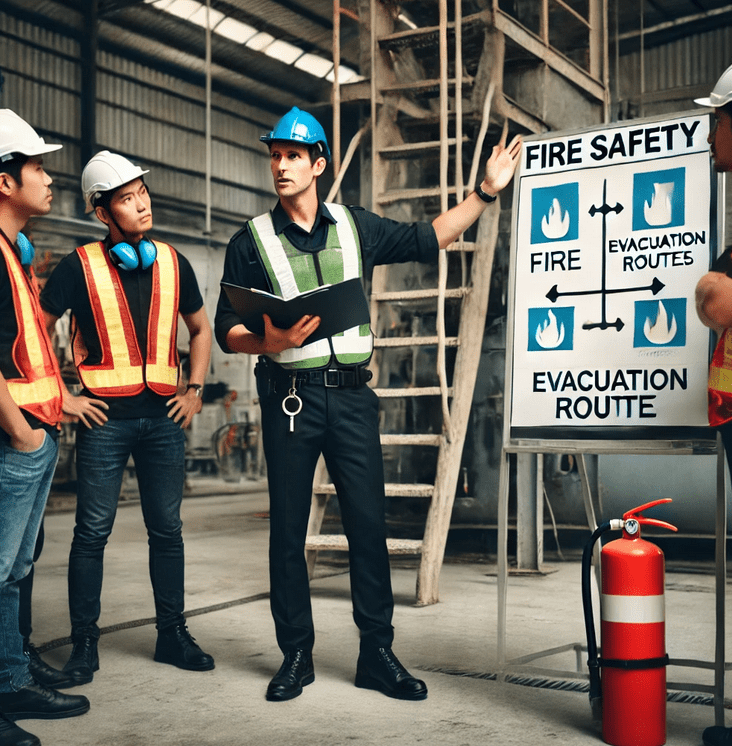
This article explores the best practices for fire safety in high-risk industries, focusing on the roles of both employers and employees in preventing, responding to, and mitigating fire hazards.
1. Understanding Fire Hazards in High-Risk Industries
High-risk industries face elevated fire risks due to the nature of the materials and processes involved. Combustible materials, flammable liquids, high-temperature equipment, and electrical hazards are common in such workplaces.
Common Fire Hazards:
- Flammable Chemicals and Liquids: Many industries use and store flammable chemicals, oils, and gases that can ignite easily.
- Hot Work: Welding, cutting, and other forms of hot work produce sparks and heat that can ignite nearby combustible materials.
- Electrical Hazards: Faulty wiring, overloaded circuits, and malfunctioning electrical equipment can cause electrical fires.
- Combustible Dust: In industries like woodworking, mining, and metalworking, fine combustible dust particles can ignite and cause explosions.
- Machinery and Equipment: High-temperature machinery, such as furnaces or dryers, can generate heat that leads to fires if not properly maintained.
2. The Role of Employers in Fire Safety
Employers in high-risk industries have a responsibility to create and implement fire safety protocols that protect workers and mitigate the risk of fire. These protocols should include prevention strategies, emergency response plans, training programs, and regular safety audits.
a. Conducting Fire Risk Assessments
A comprehensive fire risk assessment is essential for identifying fire hazards and assessing the potential impact of a fire. Employers should conduct regular assessments to pinpoint vulnerabilities and develop control measures to reduce fire risks.
- Identify Fire Hazards: Evaluate potential sources of ignition, such as hot work, electrical equipment, and combustible materials.
- Evaluate Fire Risks: Determine the likelihood of fire hazards leading to a fire and the potential impact on workers, equipment, and the facility.
- Develop Control Measures: Implement fire prevention strategies, such as proper storage of flammable materials, regular maintenance of equipment, and installation of fire suppression systems.
b. Developing a Fire Safety Plan
Every high-risk workplace must have a detailed fire safety plan that outlines fire prevention protocols, emergency procedures, and employee roles in the event of a fire.
- Fire Prevention: Include steps to minimize fire hazards, such as proper handling of flammable materials, regular inspections, and maintenance of fire suppression systems.
- Emergency Response: Detail the procedures for sounding the alarm, notifying emergency services, and initiating an evacuation.
- Evacuation Plan: Clearly define escape routes, assembly points, and the responsibilities of fire wardens and supervisors during an evacuation.
c. Installing Fire Detection and Suppression Systems
Effective fire detection and suppression systems are critical for preventing the spread of fire and reducing damage in high-risk industries.
- Fire Alarms: Install smoke and heat detectors throughout the workplace to detect fires early.
- Sprinkler Systems: Automatic sprinklers can help extinguish fires before they spread.
- Fire Extinguishers: Provide fire extinguishers in accessible locations, ensuring they are suitable for different types of fires (e.g., Class A, B, C, and D).
d. Maintenance and Inspection
Employers should ensure that all fire safety equipment, including alarms, sprinklers, and extinguishers, are regularly inspected and maintained to ensure they function properly in an emergency.
- Regular Testing: Conduct regular testing of fire alarms, emergency lighting, and fire suppression systems.
- Equipment Maintenance: Keep fire extinguishers, sprinklers, and smoke detectors in good working condition and replace faulty equipment promptly.
- Document Inspections: Maintain records of all fire safety inspections, equipment testing, and repairs.
e. Employee Training and Fire Drills


Employee training is a cornerstone of fire safety in high-risk industries. Workers must be trained on fire prevention, how to respond to a fire, and how to use fire safety equipment.
- Fire Safety Training: Provide all employees with training on fire prevention techniques, proper storage and handling of flammable materials, and emergency response procedures.
- Fire Drills: Conduct regular fire drills to familiarize employees with evacuation routes, assembly points, and their roles in case of a fire.
- Use of Fire Extinguishers: Train employees on the proper use of fire extinguishers, ensuring they know which type of extinguisher to use for different fire classes.
3. The Role of Employees in Fire Safety
Employees in high-risk industries play a crucial role in maintaining fire safety by adhering to safety protocols, reporting hazards, and participating in fire safety training. Every worker should be vigilant in preventing fire hazards and understanding the proper response in case of a fire.
a. Adhering to Fire Safety Procedures
Employees should follow all fire safety guidelines provided by their employer, including safe handling of flammable materials, proper storage of hazardous chemicals, and regular maintenance of equipment.
- Follow Storage Guidelines: Ensure that flammable liquids and chemicals are stored in approved containers and in designated areas.
- Hot Work Safety: Use protective barriers, fire blankets, and proper ventilation when performing hot work, such as welding or cutting.
- Prevent Electrical Fires: Avoid overloading circuits and report any malfunctioning electrical equipment to supervisors.
b. Reporting Fire Hazards
Workers should report any potential fire hazards they encounter in the workplace, such as frayed electrical wires, blocked fire exits, or improper storage of flammable materials.
- Report Hazards Immediately: Notify supervisors of any fire risks, including faulty equipment, unsafe hot work practices, or improper chemical storage.
- Remove Obstructions: Ensure that fire exits and evacuation routes remain clear of obstructions at all times.
c. Knowing Emergency Procedures
Employees should be familiar with the workplace’s fire safety plan, including evacuation routes, assembly points, and the location of fire safety equipment.
- Evacuation Routes: Know the primary and secondary evacuation routes and the nearest assembly point.
- Fire Alarm Activation: Understand how to activate the fire alarm and alert emergency services if a fire is detected.
- Stay Calm and Act Swiftly: In the event of a fire, employees should remain calm, follow their training, and assist colleagues in evacuating safely.
d. Using Fire Safety Equipment
Workers should be trained to use fire extinguishers and other fire safety equipment properly.
- Fire Extinguishers: Know the location of the nearest fire extinguisher and understand which type to use for different classes of fire (e.g., Class A for wood/paper, Class B for flammable liquids, Class C for electrical fires).
- Fire Blankets: Use fire blankets to smother small fires or protect individuals from flames.
4. Fire Safety Best Practices for Employers and Employees
For Employers:
- Develop Comprehensive Fire Safety Policies: Ensure all fire safety measures are documented, regularly updated, and communicated to employees.
- Conduct Fire Drills Regularly: Schedule regular fire drills to ensure employees are familiar with emergency procedures and evacuation routes.
- Ensure Proper Storage: Store flammable materials and chemicals in approved containers and in designated storage areas with proper ventilation.
- Provide PPE: Supply workers with personal protective equipment (PPE) such as fire-resistant clothing, gloves, and eye protection when working with flammable materials or near open flames.
- Designate Fire Wardens: Appoint and train fire wardens to lead evacuations and ensure safety procedures are followed.
For Employees:
- Be Aware of Fire Hazards: Always be mindful of potential fire hazards in the workplace, including improper storage of chemicals or malfunctioning equipment.
- Participate in Fire Safety Training: Attend all fire safety training sessions and fire drills to stay informed about the latest fire prevention and emergency response techniques.
- Report Fire Hazards Promptly: Immediately report any unsafe conditions to supervisors or safety officers.
- Use Fire Extinguishers Properly: Learn how to use fire extinguishers and other fire safety equipment effectively.
- Follow Safe Work Practices: Always adhere to fire safety protocols, especially when performing tasks involving flammable materials or hot work.
5. Questions for Self-Assessment
- What are the key fire hazards in high-risk industries, and how can they be mitigated?
- Why are fire drills essential in high-risk industries, and how often should they be conducted?
- How should employers store and handle flammable chemicals to prevent fires?
- What role do employees play in preventing and responding to fires in high-risk workplaces?
- How can employers ensure that fire detection and suppression systems are always functioning properly?
Fire safety in high-risk industries requires a proactive approach from both employers and employees. By identifying fire hazards, implementing preventive measures, and ensuring that workers are trained to respond effectively in an emergency, workplaces can significantly reduce the risk of fire-related incidents.
Employers must invest in robust fire safety protocols, provide adequate training, and maintain fire suppression systems, while employees must be vigilant in following safety procedures, reporting hazards, and using fire safety equipment.
With a strong focus on prevention, collaboration, and preparedness, both employers and employees can create a safer work environment for all.