

Workplace safety is a top priority for businesses, particularly when it comes to fire hazards. A fire can cause significant damage to property, disrupt operations, and, most importantly, threaten the safety of employees.

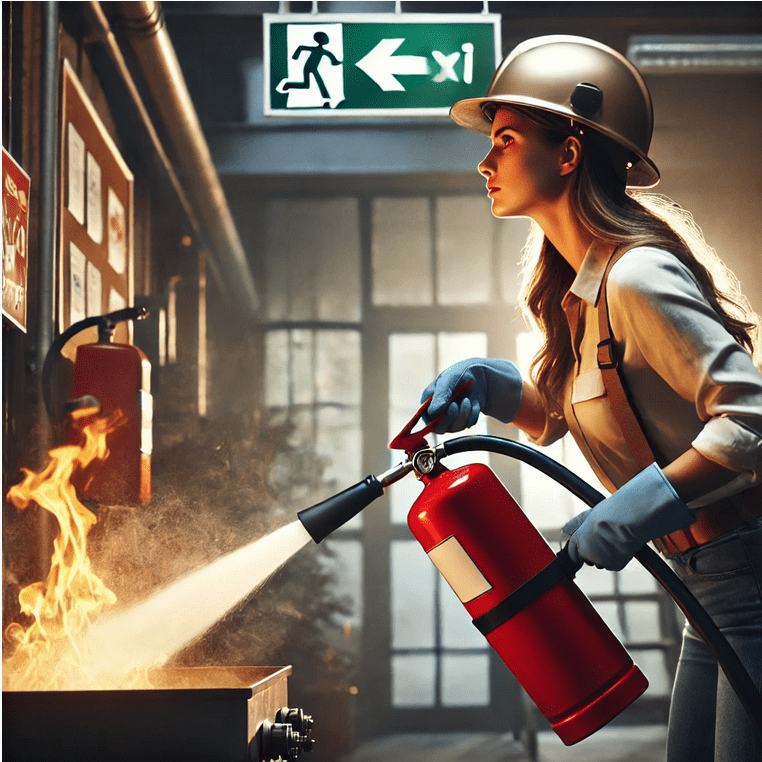
Fire suppression systems are critical tools designed to detect and extinguish fires before they cause widespread damage. However, choosing the right fire suppression system for your workplace requires careful consideration of various factors, such as the type of fire hazards present, the nature of your work environment, and compliance with fire safety regulations.
This article outlines different types of fire suppression systems and offers guidance on how to select the best solution for your workplace.
1. Understanding Fire Suppression Systems
Fire suppression systems are designed to automatically control or extinguish fires by releasing a substance that suppresses the flames. These systems are typically activated by heat, smoke, or flames and aim to minimize damage and reduce the risk of fire spreading. Unlike traditional fire sprinkler systems that rely on water, fire suppression systems may use various agents such as gas, foam, or chemicals, depending on the specific environment they are intended to protect.
2. Types of Fire Suppression Systems
There are several types of fire suppression systems, each suitable for different workplace environments and fire hazards. Below are some of the most common fire suppression systems available:
a. Water-Based Systems
Water-based suppression systems, often known as sprinkler systems, are among the most common and widely used types. They are effective in controlling fires in general office buildings, warehouses, and retail environments.
- Sprinkler Systems: These systems spray water to extinguish fires and are activated when a fire reaches a certain temperature. Sprinklers are ideal for workplaces with minimal risks of electrical or chemical fires.
- Mist Systems: Mist systems release fine water droplets that effectively cool the fire and reduce the supply of oxygen to the flames. They use less water than traditional sprinkler systems, making them suitable for environments where water damage must be minimized.
b. Gas-Based Fire Suppression Systems
Gas-based fire suppression systems are used in environments where water could damage valuable equipment, such as server rooms, data centers, and labs. These systems release inert gases or chemical agents to suppress the fire by reducing oxygen levels or disrupting the chemical reaction of the fire.
- Inert Gas Systems: These systems use gases like nitrogen, argon, or carbon dioxide to displace oxygen and suppress the fire. Since they don’t leave residue, inert gas systems are ideal for protecting sensitive equipment.
- CO2 Systems: Carbon dioxide (CO2) systems release CO2 gas to suffocate the fire by reducing the oxygen level in the area. They are commonly used in industrial settings and places where water or chemical-based extinguishing agents could cause damage.
c. Foam Fire Suppression Systems
Foam suppression systems work by smothering the fire and preventing oxygen from fueling the flames. They are highly effective against flammable liquid fires and are often used in environments such as aircraft hangars, chemical plants, and fuel storage areas.
- Aqueous Film-Forming Foam (AFFF): This type of foam is used to suppress flammable liquid fires by creating a blanket that smothers the flames and cools the fuel source. AFFF systems are often found in industries where the risk of oil, fuel, or chemical fires is high.
- High-Expansion Foam Systems: These systems are used in areas where large volumes of fire suppression are needed quickly, such as in warehouses or underground mines. The foam rapidly fills the area, smothering the fire and cooling the surroundings.
d. Chemical Fire Suppression Systems
Chemical suppression systems use dry chemicals or wet agents to suppress fires. These systems are particularly effective for specialized environments, such as kitchens, where grease fires are a major concern.
- Dry Chemical Systems: Dry chemical fire suppression systems use a fine powder to interrupt the chemical reactions of fire. These systems are used in environments like industrial facilities, automotive garages, or environments dealing with flammable metals.
- Wet Chemical Systems: Designed primarily for commercial kitchens, wet chemical systems release a liquid agent that reacts with fats and oils to create a foam that cools and suppresses fires. This makes them ideal for environments where cooking oil and grease fires are common.
3. Factors to Consider When Choosing a Fire Suppression System
Selecting the right fire suppression system depends on various factors related to your workplace’s specific risks and needs. Consider the following key factors when choosing the best solution:
a. Type of Fire Hazard
Different environments present different fire hazards. For example, an office building may be at risk of electrical fires, while a warehouse may face higher risks from combustible materials. It’s crucial to assess the types of fire hazards your workplace is most vulnerable to before selecting a system.
b. Workplace Environment
The physical environment of your workplace plays a significant role in determining the appropriate fire suppression system. For example, water-based systems may not be ideal for environments with sensitive electrical equipment, while foam systems are more suited for environments with flammable liquids.
c. Fire Safety Regulations
Compliance with local and national fire safety regulations is mandatory. Ensure that your fire suppression system meets the legal requirements for your specific industry and location. Consulting with fire safety experts or fire inspectors can help you determine the most suitable system that aligns with regulatory standards.
d. Impact on Equipment and Assets
Consider the potential impact of the fire suppression system on valuable equipment and assets in your workplace. Water or foam-based systems may cause damage in certain environments, while gas-based systems are designed to suppress fires without leaving residue or harming electronics.
e. Cost and Maintenance
The cost of installation and long-term maintenance of fire suppression systems should also be considered. While some systems may have a higher upfront cost, their efficiency and ability to protect valuable assets can provide significant savings in the long term. Ensure that your chosen system is easy to maintain and regularly tested to remain effective.
f. Integration with Existing Systems
If your workplace already has fire alarms or smoke detection systems in place, ensure that the new fire suppression system integrates smoothly with existing safety measures. This will provide a cohesive approach to fire detection and suppression.
4. Maintaining Fire Suppression Systems
Regular maintenance and testing of fire suppression systems are essential to ensure they function properly when needed. Failure to maintain these systems can lead to malfunctioning or delayed response in the event of a fire.
Steps for Proper Maintenance:
- Regular Inspections: Conduct routine inspections of fire suppression systems to ensure they are functioning correctly. This includes checking pressure levels, inspecting nozzles, and testing alarms.
- Annual Testing: Many fire suppression systems require annual testing by qualified technicians to ensure that they comply with fire safety regulations.
- Employee Training: Employees should be trained on the fire suppression system in place. This includes understanding how the system operates, where it is located, and how to respond in case of a fire.
Choosing the right fire suppression system is vital for ensuring workplace safety and minimizing the risk of fire-related damage. By understanding the various types of suppression systems—whether water-based, gas-based, foam, or chemical—you can select the most suitable option for your work environment.
Consideration of workplace-specific risks, regulatory requirements, and the need to protect valuable equipment is essential in making an informed decision.
With the proper fire suppression system in place and regular maintenance, businesses can safeguard their operations, employees, and assets against the devastating effects of workplace fires.