
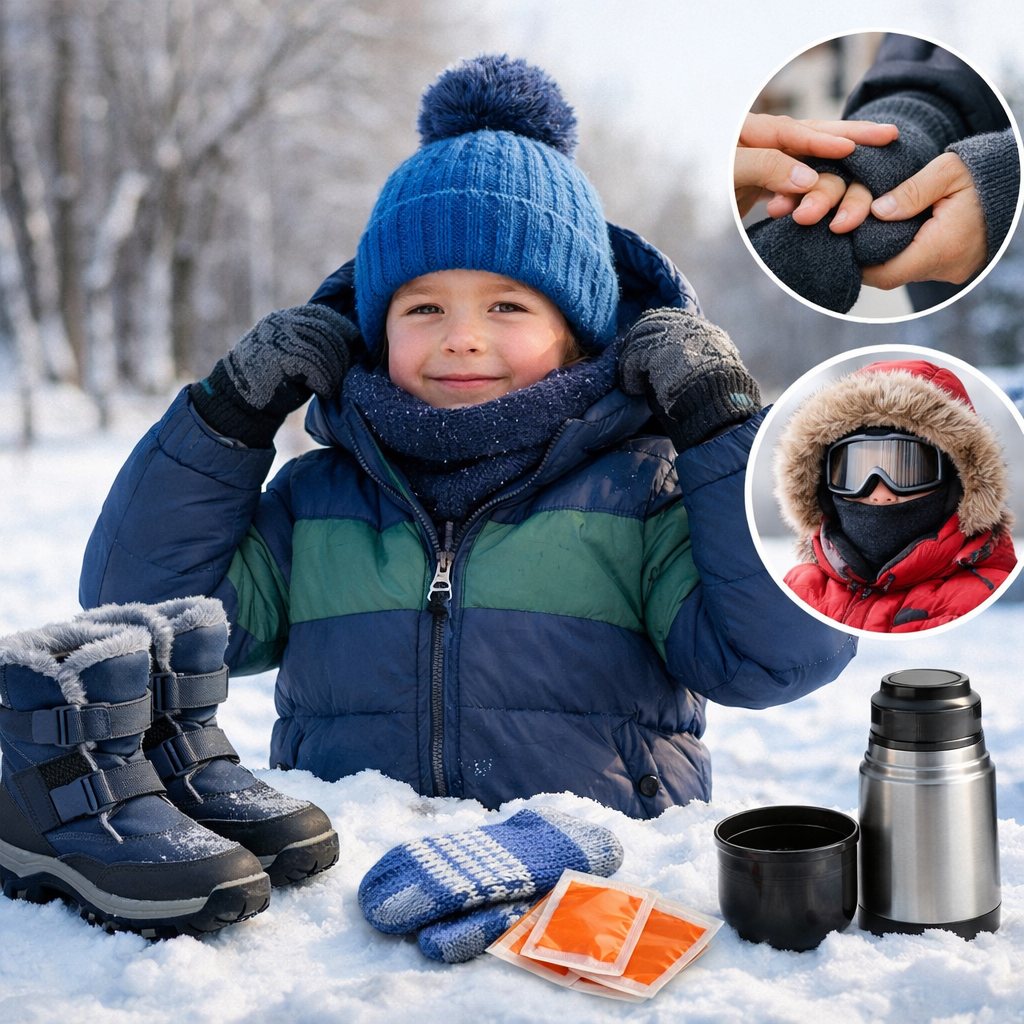

Frostbite prevention for children starts with understanding how quickly small bodies can lose heat in cold, windy, and wet Canadian weather. Children often stay focused on playing, walking to school, waiting for the bus, skating, or helping outdoors, and they may not notice that exposed skin is becoming dangerously cold.
For parents, schools, caregivers, and youth supervisors, the goal is simple: reduce exposure, dress properly, watch for early warning signs, and act quickly if a child becomes too cold. This practical guide explains what frostbite is, how to recognize concerns early, and what winter safety steps make the biggest difference in Ontario and across Canada.
- What frostbite is and why children are at higher risk
- Frostbite prevention for children: warning signs adults should not ignore
- Frostbite prevention for children: smart winter safety steps that work
- Practical routines for families, schools, and young workers
- Conclusion: frostbite prevention for children is about preparation and quick action
What frostbite is and why children are at higher risk
Frostbite happens when skin and the tissue beneath it freeze after exposure to cold temperatures, wind, or damp conditions. It most often affects fingers, toes, ears, cheeks, and the nose because these areas are more exposed and harder for the body to keep warm.
Children can be at higher risk because they have a larger surface area compared with body size than adults, may be less likely to recognize numbness, and often keep playing even when clothing becomes wet. Younger children also depend on adults to choose weather-appropriate clothing and to limit time outside when conditions worsen.
In school, recreation, and family settings, common situations include recess, outdoor sports, field trips, walking to class, shoveling light snow, and waiting for transportation. For older students or young workers doing outdoor tasks, winter exposure can also be a workplace safety issue. Helpful cold-weather guidance can be found from CCOHS, Ontario, and Health Canada.
Common risk factors
- Low temperatures combined with wind chill
- Wet gloves, socks, boots, or outerwear
- Long periods outdoors without warm-up breaks
- Exposed skin on the face, ears, or hands
- Tight boots or gloves that reduce circulation
- Fatigue, hunger, or poor hydration during outdoor activity
Frostbite prevention for children: warning signs adults should not ignore
Early recognition is one of the most important parts of frostbite prevention for children. A child may not clearly explain what feels wrong, so adults should watch for both physical signs and behaviour changes.
Skin affected by frostbite may first look red, then pale, waxy, or greyish. The child may say the area feels very cold, prickly, stinging, or numb. As numbness develops, they may stop complaining because they can no longer feel the area normally.
Behaviour can also provide clues. A child who becomes unusually quiet, clumsy, upset, or reluctant to use their hands may need immediate warming and closer assessment. Frostnip, a milder cold injury, can be an early warning that outdoor exposure has gone too far.
Quick warning-sign checklist
- Cold, pale, or waxy skin
- Numbness or tingling in fingers, toes, ears, cheeks, or nose
- Pain followed by reduced feeling
- Stiff or awkward hand movements
- Complaints that boots, gloves, or toes feel strange
- Shivering, irritability, or wanting to stop activity
| Area | Early sign | Action |
|---|---|---|
| Fingers or hands | Cold, tingling, reduced grip | Go indoors, remove wet gloves, warm gradually |
| Toes or feet | Numbness, pain, stiff walking | Replace wet socks, warm feet, avoid re-exposure |
| Ears, cheeks, nose | Pale or waxy exposed skin | Cover skin and move to a warm shelter right away |
Frostbite prevention for children: smart winter safety steps that work
The best frostbite prevention for children plan is based on simple controls used consistently. In safety terms, this means reducing exposure first, then using proper clothing and supervision to lower risk.
1. Plan around conditions
Check temperature, wind chill, and expected precipitation before children go out. If weather is severe, shorten outdoor time, move activities indoors, or add more frequent warm-up breaks. Schools, daycares, sports groups, and families should follow local policies and adjust quickly when conditions change.
2. Dress in layers
Use a base layer to help keep skin dry, a middle insulating layer, and a wind-resistant outer layer. Mittens are often warmer than gloves for younger children. A hat, neck warmer, warm socks, and insulated boots are essential because heat loss and cold injury often involve the head, hands, and feet.
Avoid tight clothing or boots that limit circulation. Replace wet items promptly. If children are playing in snow, extra socks and mittens in a backpack can make a big difference by the end of the day.
3. Cover exposed skin
Exposed cheeks, ears, and noses are common frostbite sites. A winter hat, hood, and neck tube or face covering can help reduce direct wind exposure. Make sure face coverings do not become soaked and frozen from breath and snow.
4. Build in warm-up breaks
Children should come indoors regularly to warm up, especially during recess, outdoor practices, winter walks, or community events. Warm drinks can help with comfort, but supervision and dry clothing matter more than any single item.
5. Supervise and use the buddy system
Younger children need direct observation. Older children and teens should be encouraged to check each other’s faces and exposed skin. This is especially useful during skating, tobogganing, bus waits, and outdoor school activities when early colour changes may be easier for a friend or adult to spot.
Practical routines for families, schools, and young workers
Daily routines can make frostbite prevention for children much easier. At home, lay out winter gear the night before and teach children to speak up if gloves, boots, or socks are wet. At school, staff can remind students to zip coats fully, keep mittens on, and report numb fingers or toes right away.
For older teens doing outdoor chores, co-op placements, or part-time work, winter exposure should be treated like any other hazard. That means orientation, weather planning, proper PPE, warm-up access, and reporting concerns early. Safety education resources from OHSE.ca and training support through learn.ohse.ca can help reinforce cold-weather awareness in schools and workplaces.
Short actionable checklist
- Check weather and wind chill before going out
- Dress children in dry, layered winter clothing
- Cover hands, feet, ears, cheeks, and nose
- Pack spare mittens, socks, and a hat if needed
- Limit time outside during severe cold
- Schedule regular indoor warm-up breaks
- Watch for pale skin, numbness, or unusual behaviour
- Follow school, workplace, manufacturer, and local emergency guidance where applicable
If you suspect frostbite
Move the child to a warm place as soon as possible. Remove wet or tight clothing and replace it with dry, warm layers. Warm the affected area gently. Do not rub or massage cold skin, and do not return the child outdoors until the area is warmed and protected.
If there is significant pain, ongoing numbness, skin colour changes that do not improve, or concern about more serious cold injury, seek medical care promptly and follow local guidance. This article is for prevention and awareness and is not a medical diagnosis tool.
Conclusion: frostbite prevention for children is about preparation and quick action
Frostbite prevention for children works best when adults combine weather awareness, proper winter clothing, supervision, and early response to warning signs. Most problems can be reduced by limiting exposure, keeping children dry, covering exposed skin, and taking numbness or pale skin seriously.
Whether a child is heading to school, enjoying outdoor play, taking part in sports, or helping with light outdoor tasks, simple winter routines can prevent injuries and make cold weather safer. In Canadian conditions, calm preparation is the key to effective frostbite prevention for children.
No comments yet