

The hospitality industry, which includes hotels, restaurants, resorts, and other establishments catering to guests, is particularly vulnerable to fire hazards.
These environments typically combine high foot traffic, cooking equipment, electrical appliances, and various materials, all of which can contribute to the risk of fire.

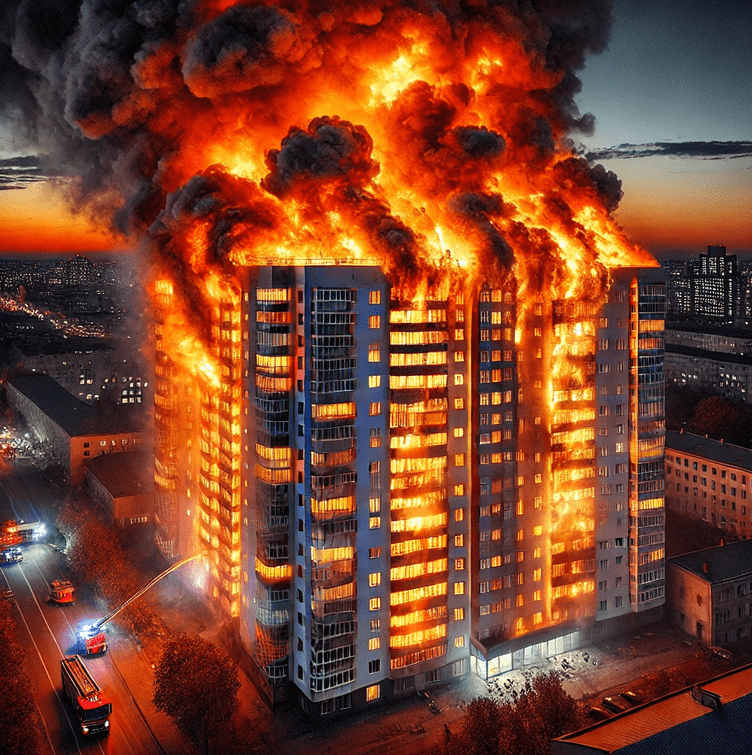
Understanding the main causes of fire in this industry is crucial for prevention and safety.
1. Cooking Equipment
One of the leading causes of fire in the hospitality industry is the improper use of cooking equipment. In restaurants and hotels, kitchens are busy areas where high heat, open flames, and flammable cooking oils are used frequently. Fires can start from:
- Unattended cooking: Staff members may leave stoves or ovens unattended, leading to overheating or ignition of flammable materials.
- Grease buildup: Excess grease can accumulate in hoods, ducts, or on cooking surfaces, increasing the risk of fire.
- Malfunctioning appliances: Faulty ovens, fryers, or stovetops may overheat or spark, causing a fire.
Prevention Tips:
- Install and maintain fire suppression systems in kitchens.
- Train staff on safe cooking practices, including proper cleaning of kitchen equipment and grease traps.
- Ensure that appliances are regularly inspected and maintained.
2. Electrical Faults
Electrical fires are another significant risk in the hospitality industry. With hotels and restaurants heavily reliant on electrical appliances—such as air conditioning units, heating systems, lighting, and kitchen equipment—faults or failures in these systems can lead to fires.
Common causes include:
- Overloaded circuits: Plugging too many devices into a single outlet or extension cord can cause overheating and electrical fires.
- Faulty wiring: Aging or poorly installed electrical wiring can short-circuit or overheat.
- Damaged appliances: Broken or frayed cords, or malfunctioning electrical devices, can spark a fire.
Prevention Tips:
- Conduct regular electrical inspections and ensure proper maintenance of electrical systems.
- Avoid overloading outlets and use surge protectors where necessary.
- Encourage staff to report any malfunctioning electrical equipment immediately.
3. Smoking
While many hospitality establishments have restricted smoking areas, improperly discarded cigarettes or careless smoking habits can still result in fires. This risk is especially high in hotels where guests may smoke in their rooms or in prohibited areas, such as near flammable materials.
Prevention Tips:
- Clearly mark designated smoking areas and provide adequate ashtrays.
- Implement strict no-smoking policies in non-smoking areas and guest rooms.
- Educate staff on the dangers of smoking-related fires and ensure proper disposal of cigarette waste.
4. Heating and Air Conditioning Equipment
Heating, ventilation, and air conditioning (HVAC) systems are essential for guest comfort but can also be a source of fire if not properly maintained. These systems can catch fire due to:
- Overheating: HVAC units that run continuously, especially during extreme weather, may overheat and cause electrical fires.
- Dust and debris buildup: Accumulation of dust in ducts or air filters can cause the system to overheat or malfunction.
- Mechanical failures: Faulty parts or improper installation can lead to fire hazards.
Prevention Tips:
- Regularly service HVAC systems to ensure they are functioning properly.
- Clean air filters and ducts to remove dust buildup.
- Train staff to recognize signs of malfunction, such as unusual noises or overheating, and report them immediately.
5. Flammable Materials
In the hospitality industry, a wide variety of flammable materials are often present, such as linens, paper products, cleaning chemicals, and furniture. These materials can catch fire easily when exposed to heat, open flames, or sparks.
Prevention Tips:
- Store flammable materials in safe areas, away from heat sources and electrical equipment.
- Ensure proper ventilation in storage rooms and areas where chemicals are used.
- Provide staff with clear instructions on how to handle and store flammable items safely.
6. Faulty Fire Safety Equipment

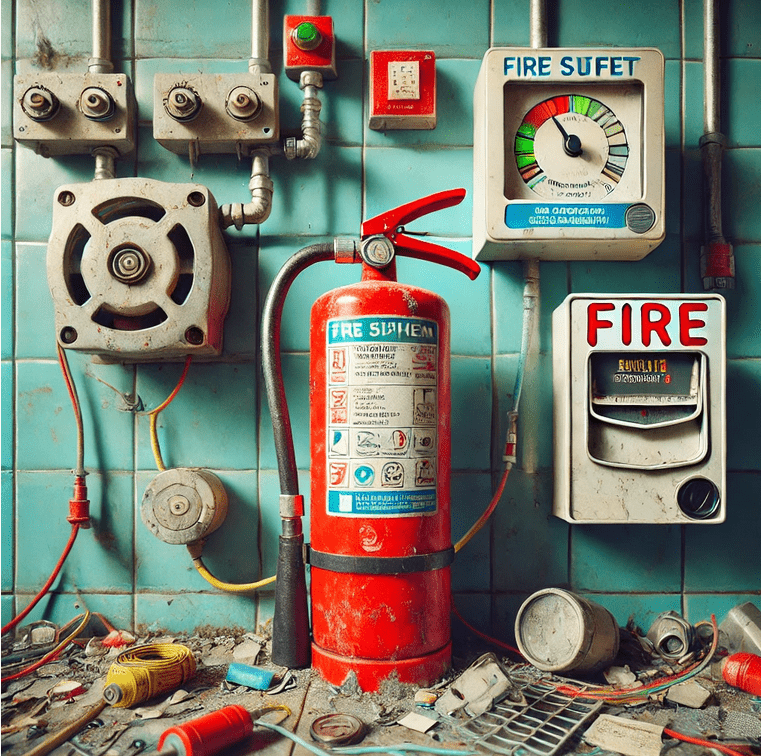
Ironically, faulty or poorly maintained fire safety equipment can also contribute to the severity of fires. Fire alarms, sprinkler systems, and fire extinguishers that are not in proper working condition may fail to detect or control fires in their early stages, allowing them to spread.
Prevention Tips:
- Regularly inspect and test fire alarms and sprinkler systems.
- Ensure that fire extinguishers are accessible and fully functional.
- Train staff on how to use fire safety equipment properly.
7. Intentional Fires (Arson)
Arson, or intentionally set fires, is a potential risk in the hospitality industry. Motivations for arson can range from malicious intent to insurance fraud, but the consequences are always severe, endangering lives and property.
Prevention Tips:
- Install security cameras and lighting in key areas to deter arsonists.
- Monitor public and guest areas for suspicious activity.
- Train staff to recognize and report any signs of intentional fire-setting or tampering with fire safety systems.
8. Poor Housekeeping and Clutter
Poor housekeeping and clutter, particularly in storage areas, kitchens, and around electrical equipment, can create fire hazards. Excess paper, cleaning rags, or waste materials can easily ignite if exposed to heat sources or sparks.
Prevention Tips:
- Maintain a clean and organized workplace, especially in high-risk areas like kitchens and storage rooms.
- Implement regular cleaning schedules to ensure flammable materials are properly stored or disposed of.
- Ensure all walkways and exits are clear of clutter to allow easy access in case of emergency.
Conclusion
Fire safety in the hospitality industry is paramount due to the high number of guests and staff present at any given time. By understanding the common causes of fires—such as cooking equipment, electrical faults, smoking, HVAC issues, and flammable materials—hospitality businesses can take proactive steps to reduce the risk of fire incidents.
Regular maintenance, staff training, and adherence to fire safety protocols are essential for ensuring a safe environment for both employees and guests.