

-

Comprehensive Overview of Occupational Health, Safety, and Environment (OHSE)
Occupational Health, Safety, and Environment (OHSE) is a comprehensive approach that integrates the principles of health, safety, and environmental protection within the workplace. It encompasses the management of risks and the promotion of well-being to ensure a holistic approach to the welfare of individuals, the community, and the environment in and around workplaces. Occupational Health,…
-

Vendor Safety on Site: Critical Steps for a Safer Workplace
Vendor safety on site should start before a contractor, technician, or delivery driver walks through your door. Whenever a vendor enters your workplace, they are exposed to your hazards and may introduce new ones of their own. From an OHSE perspective, you owe them a comparable level of protection as your own workers, and regulators…
-
Health and Safety Programs
Table of Contents 5.1. Developing a Health and Safety Program 5.2. Training and Education 5.3. Emergency Preparedness and Response Summary and Key Takeaways 5.1. Developing a Health and Safety Program 5.1.1. Components of an Effective Health and Safety Program A well-structured health and safety program is essential for preventing workplace injuries and illnesses, ensuring regulatory…
-

Demolition by Implosion: Precision, Risks, and OHSE Best Practices
Implosion is one of the most dramatic methods of building demolition, involving the strategic placement of explosives to bring down a structure safely and efficiently. While it offers a quick and controlled way to demolish large buildings, the method is highly technical and fraught with risks. This article explores the intricacies of implosion, its challenges,…
-

Why Lockout Procedures for Robotics Matter in OHSE Programs
Lockout Procedures for Robotics: Essential OHSE Steps for Safer Automated Workplaces lockout procedures for robotics are a critical part of occupational health, safety, and environmental management in modern automated facilities. As robots take on more manufacturing, packaging, welding, and material-handling tasks, employers must control the hazardous energy that can cause serious injury during servicing, maintenance,…
-

Why SDS Training Ideas Matter for Hazard Communication
SDS Training Ideas for Better Hazard Communication in the Workplace SDS training ideas can make hazard communication easier to understand, easier to remember, and much more effective on the job. When employees know how to read a Safety Data Sheet and apply it during daily tasks, they are better prepared to handle chemicals safely, respond…
-

Bullying in the Workplace: Understanding, Prevention, and Action
Table of Contents What is Workplace Bullying? Is Bullying a Workplace Issue? What are Examples of Bullying? What Might Not Be Considered Bullying? How Can Bullying Affect an Individual? How Can Bullying Affect the Workplace? Are There Any Laws Addressing Bullying in the Workplace in Canada? What Can You Do if You Think You Are…
-

Safety in All Aspects of Life
Table of Contents The Comprehensive Guide to Ensuring Safety in All Aspects of Life Workplace Safety: Protecting Employees and Productivity Key Elements of Workplace Safety: Home Safety: Ensuring a Secure Living Environment Key Areas of Focus: Road Safety: Reducing Accidents and Saving Lives Strategies for Improved Road Safety: Recreational Safety: Enjoying Activities Without Risks Tips…
-

5 Essential Paper Manufacturing Safety Tips to Combat Health Hazards
Paper Manufacturing Safety Tips are crucial for ensuring a safe and healthy workplace in the paper and pulp industry. From chemical exposures to machine entanglement, this sector faces numerous occupational hazards that must be managed proactively. In this article, we will explore common health hazards, practical safety strategies, and key precautions workers and managers should…
-

The Cost of Neglecting Workplace Safety: Financial and Human Impact
Workplace safety is not just a regulatory requirement—it is a moral and economic imperative. When safety is neglected, the consequences can be severe, affecting both the financial stability of organizations and the well-being of employees. This article explores the significant financial and human impacts of ignoring workplace safety and highlights why investing in safety is…
-
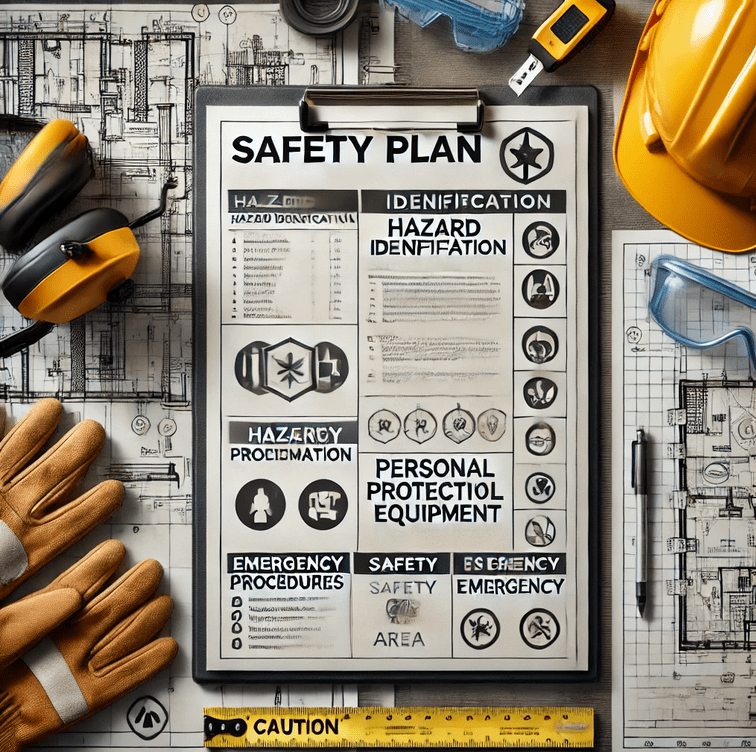
Workplace Safety Plan Templates
Maintaining a safe and healthy workplace is essential for every organization, regardless of its size or industry. A well-structured Workplace Safety Plan outlines the policies, procedures, and responsibilities that promote a safe environment for employees, customers, and visitors. Developing this plan helps businesses meet regulatory requirements, prevent accidents, and minimize risks. In this post, we’ll…


