

-

Comprehensive Overview of Occupational Health, Safety, and Environment (OHSE)
Occupational Health, Safety, and Environment (OHSE) is a comprehensive approach that integrates the principles of health, safety, and environmental protection within the workplace. It encompasses the management of risks and the promotion of well-being to ensure a holistic approach to the welfare of individuals, the community, and the environment in and around workplaces. Occupational Health,…
-
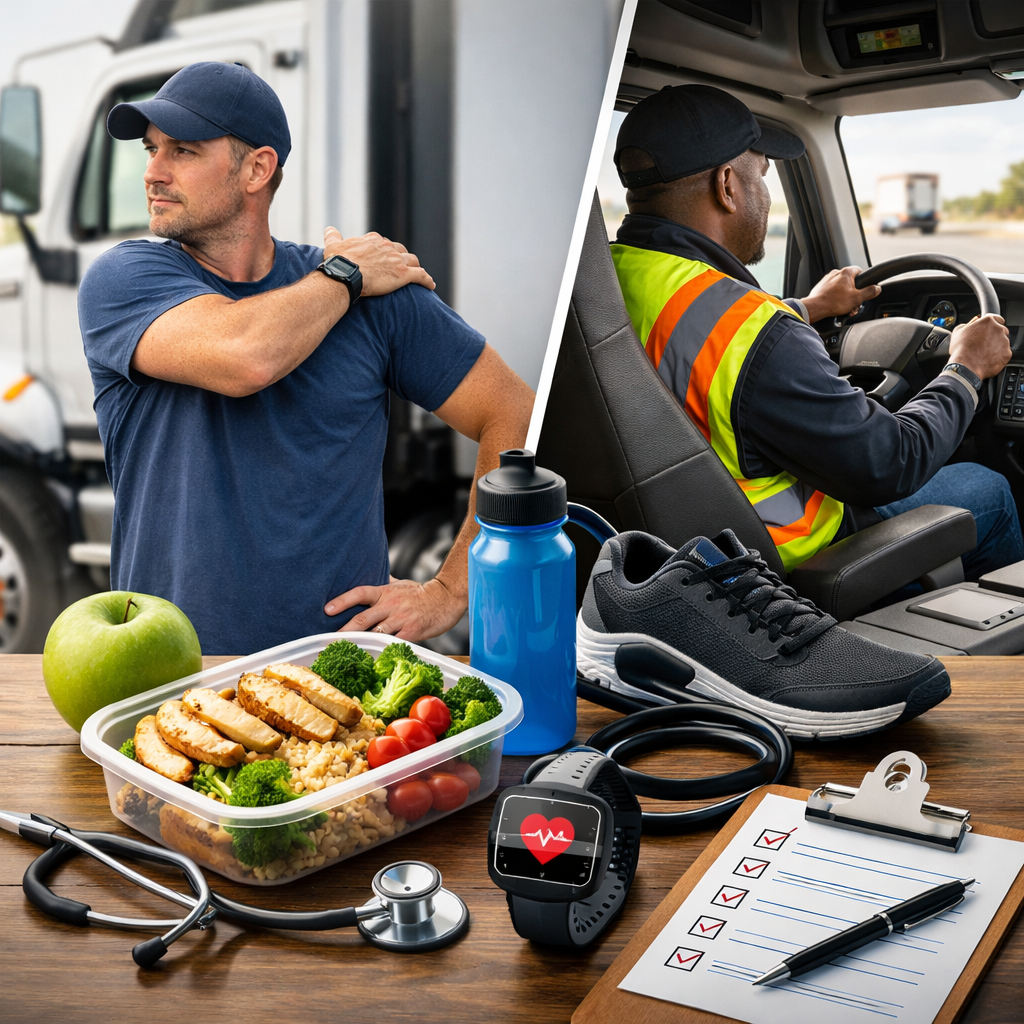
Why driver health and safety programs matter in OHSE
driver health and safety programs: Building Safer, Healthier Fleets driver health and safety programs are essential for any business that relies on transport, delivery, logistics, field service, or mobile equipment. They help employers manage fatigue, prevent injuries, reduce vehicle incidents, and create a safer working environment for professional drivers and others who share the road.…
-

Slips, Trips, and Falls in Winter Worksites: 5 Proven Strategies to Cut Incidents
Slips, Trips, and Falls in Winter Worksites are among the most frequent and preventable causes of workplace injuries during the cold season. Snow, ice, meltwater, and low light change the physics of everyday tasks, turning routine walks, ladder climbs, and loading-dock work into high-risk activities. This guide provides a practical, field-tested approach to winterizing your…
-
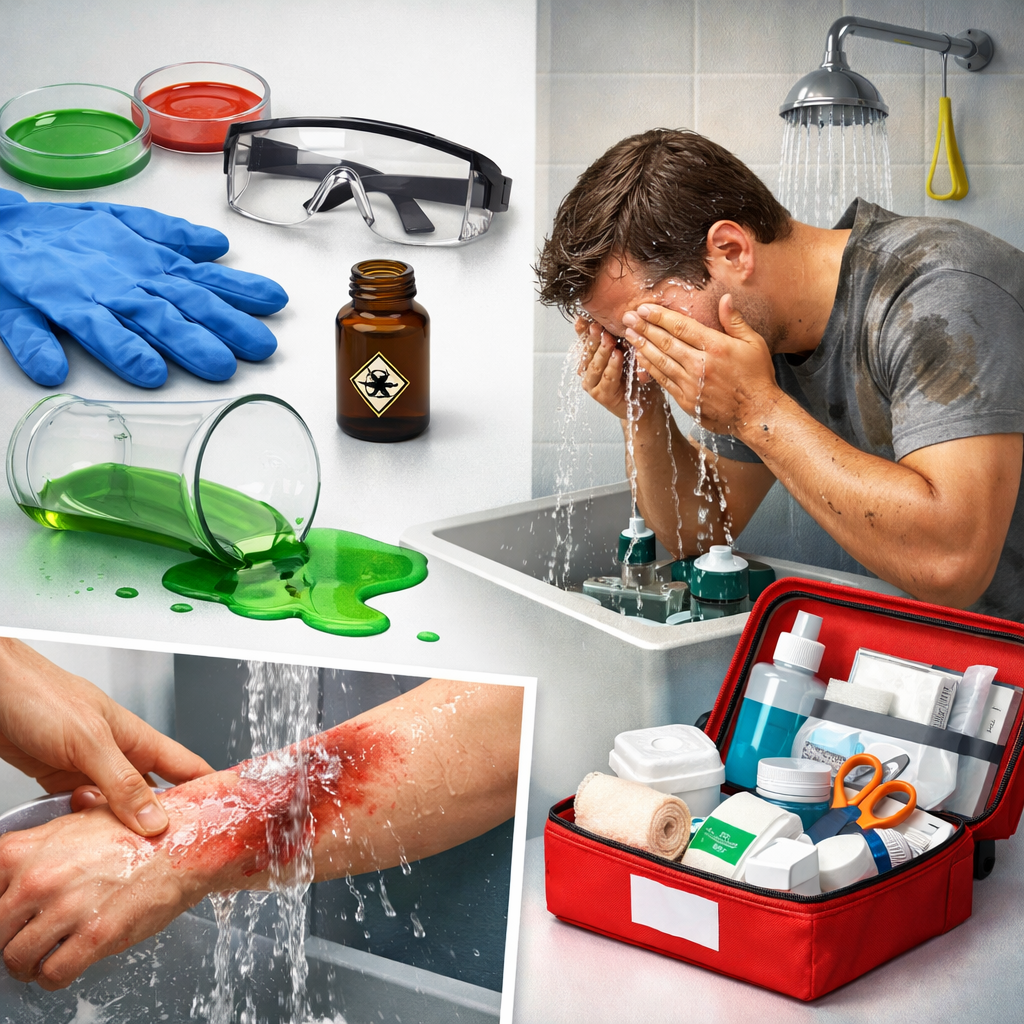
Chemical Exposure First Aid in Real Workplaces
Chemical Exposure First Aid: Essential Workplace Response, Prevention, and Compliance Chemical exposure first aid is a critical part of workplace health and safety because fast, correct action can reduce injury severity, prevent long-term health effects, and even save lives. In many workplaces, from laboratories and manufacturing plants to cleaning operations and warehouses, workers may come…
-
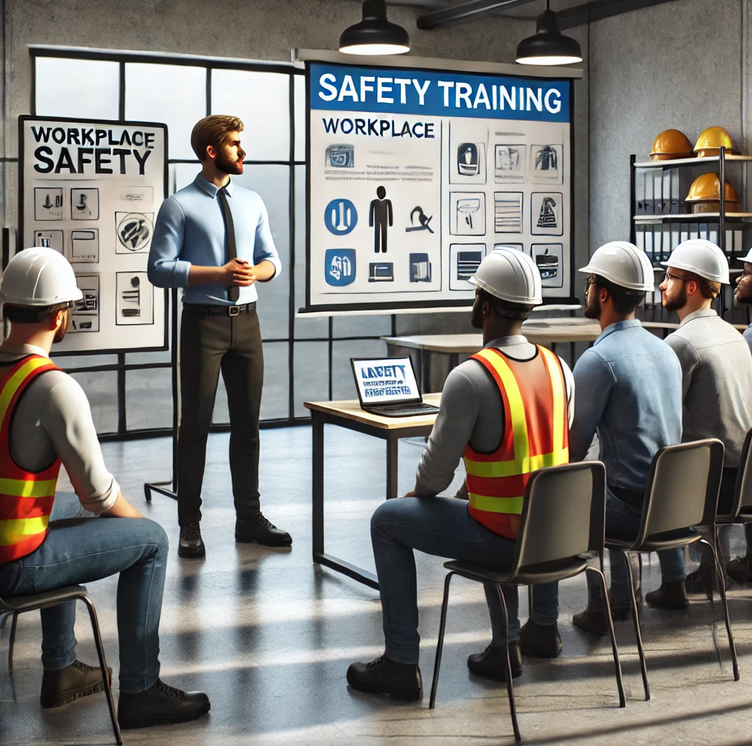
The Role of Cultural Differences in Safety Training Effectiveness
Workplace safety training is a critical element in ensuring the health and well-being of employees. However, the effectiveness of safety training often hinges on how well it resonates with its audience. In today’s globalized world, workplaces are increasingly diverse, making cultural differences a significant factor in determining the success of such programs. This article delves…
-

How Insufficient Sleep is Affecting Productivity and Overall Health with Hmmh
In today’s fast-paced, always-on work culture, sleep is often overlooked. However, insufficient sleep has a significant impact on employee productivity, health, and workplace safety. The sleep-deprived worker is not only less effective but also at greater risk of making errors that could lead to accidents or long-term health issues. This article explores how lack of…
-

Strategies for Managing Chronic Pain in the Workplace
Managing chronic pain in the workplace is a critical issue affecting both employees and employers. Chronic pain can significantly impact productivity, morale, and overall health, creating challenges for organizations striving to maintain a supportive environment. By implementing targeted strategies, businesses can help employees transition from pain to performance while fostering a healthier workplace culture. Table…
-

Behavior-Based Safety (BBS): A Proven Path to Zero Harm Workplaces
Behavior-Based Safety (BBS) is a proactive approach to workplace safety that focuses on identifying and reinforcing safe behaviors while discouraging unsafe actions. It goes beyond rules and compliance to target the human element of safety—what people do, why they do it, and how it can be improved. When implemented effectively, BBS helps reduce injuries, foster…
-

7 Life-Saving Tips to Eliminate Amputation Hazards at Work
Eliminate Amputation Hazards : Machine Guarding Made Simple—it’s more than a slogan. It’s a vital necessity for protecting workers from amputation hazards in industrial and manufacturing environments. Table of Contents Eliminate Amputation Hazards Why Machine Guarding Matters Types of Machine Guards and Their Functions 1. Fixed Guards 2. Interlocked Guards 3. Adjustable Guards 4. Self-Adjusting…
-
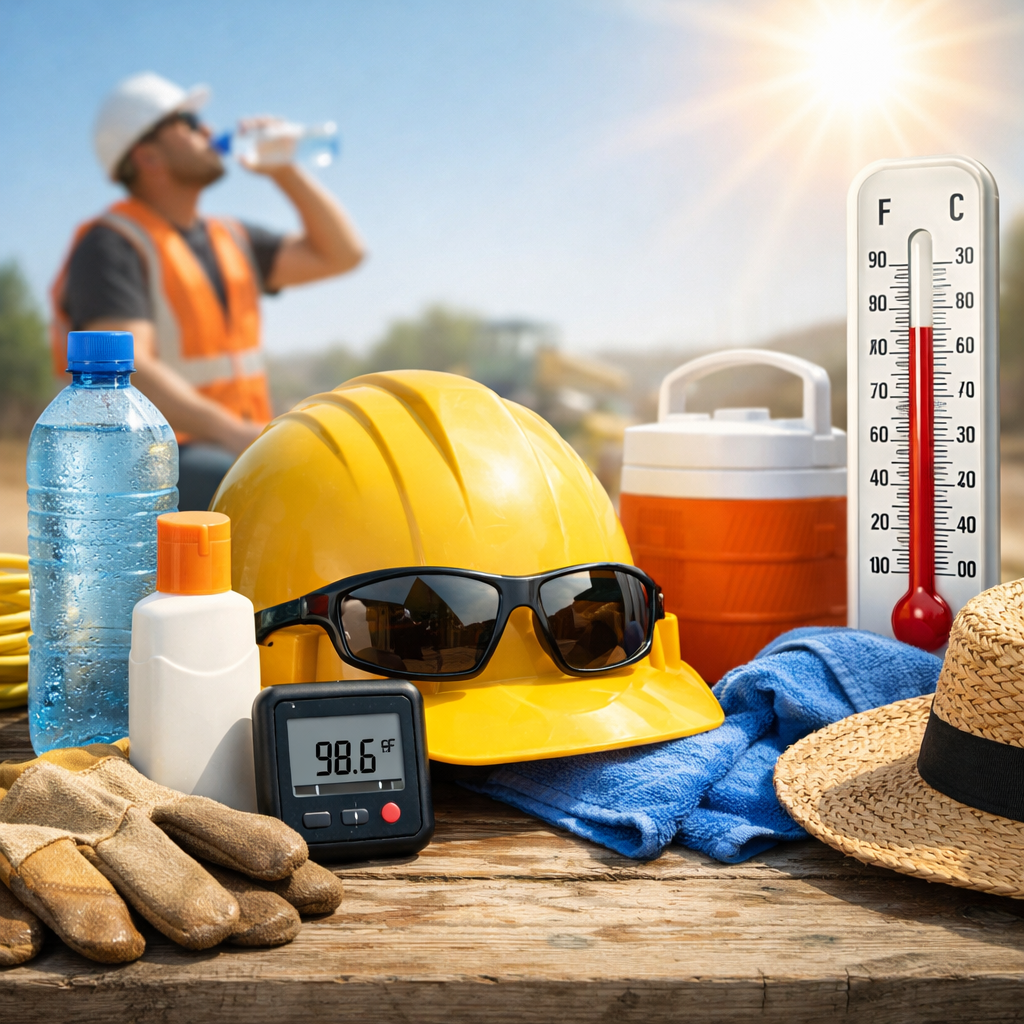
Heat Stress Prevention Tips: Understand the Main Risk Factors
Heat Stress Prevention Tips for Outdoor and Hot Indoor Work: Practical Steps to Keep Workers Safe Heat stress prevention tips are essential for anyone working outdoors in summer weather or inside hot indoor environments such as warehouses, commercial kitchens, foundries, boiler rooms, and manufacturing plants. When temperatures rise, the body has to work harder to…
-
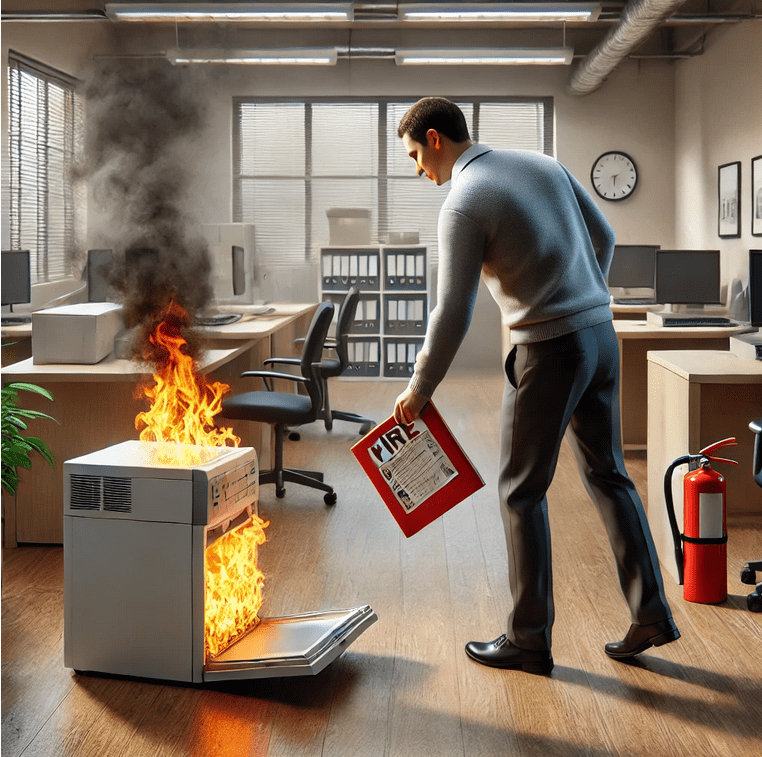
When to Use a Fire Blanket
A fire blanket is an essential piece of safety equipment used to extinguish small fires or protect a person from flames. They are made from fire-resistant materials, usually woven fiberglass or other flame-retardant fabrics, and can be easily stored for quick access in emergencies. Fire blankets are commonly found in kitchens, workshops, laboratories, and other…


