

-

Comprehensive Overview of Occupational Health, Safety, and Environment (OHSE)
Occupational Health, Safety, and Environment (OHSE) is a comprehensive approach that integrates the principles of health, safety, and environmental protection within the workplace. It encompasses the management of risks and the promotion of well-being to ensure a holistic approach to the welfare of individuals, the community, and the environment in and around workplaces. Occupational Health,…
-

Effective Emergency Preparedness Plans for Any Scenario
Emergencies can strike without warning, causing significant disruptions to businesses, communities, and individuals. Whether it’s a natural disaster, a workplace incident, or a public health crisis, having an effective emergency preparedness plan is crucial for minimizing damage, ensuring safety, and speeding up recovery. This guide provides a comprehensive overview of creating and implementing emergency preparedness…
-

Life-Saving CPR First Aid: Master These Essential Skills Now
CPR First Aid is one of the most critical emergency skills anyone can learn. Whether you are a parent, teacher, employee, or passerby, knowing how to act during medical emergencies can mean the difference between life and death. From sudden cardiac arrest to choking, being trained in CPR First Aid ensures you’re prepared when seconds…
-
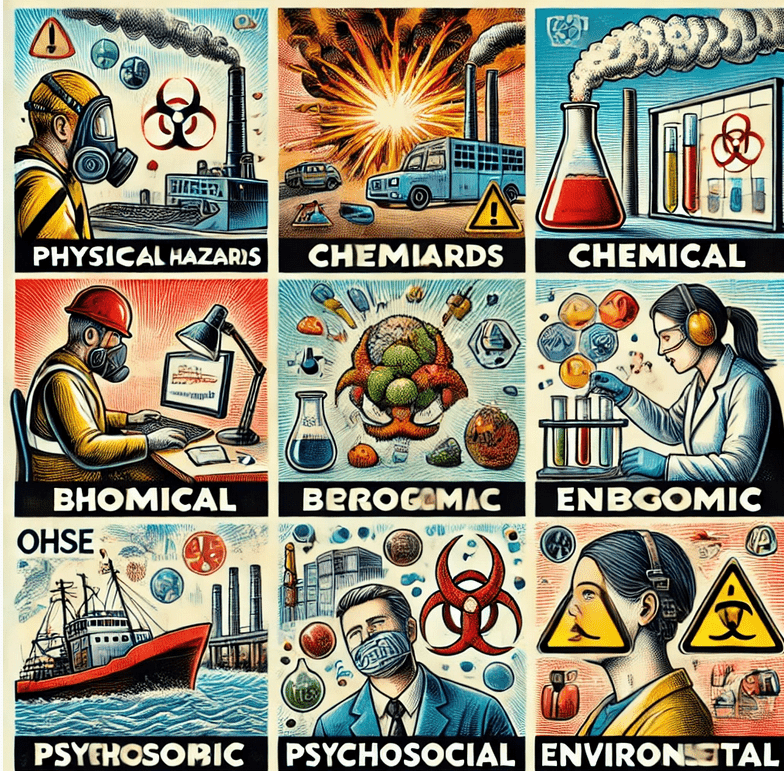
Hazards
Table of Contents Introduction Understanding Hazards Types of Hazards Hazard Identification and Risk Assessment Control Measures for Hazards Conclusion Introduction Occupational Health, Safety, and Environment (OHSE) is a comprehensive discipline dedicated to ensuring the well-being of workers and protecting the environment from the adverse effects of industrial activities. A central focus of OHSE is the…
-

Deadly Serious: Jobs Handling Guns and OHSE Best Practices
Jobs handling guns are among the highest-risk occupations, requiring strict adherence to occupational health, safety, and environment (OHSE) standards. From law enforcement and private security to military personnel, customs officers, and even certain wildlife control roles, employees who work with firearms face unique hazards. Proper training, safety protocols, and continuous risk assessments are crucial to…
-

60 Road Safety Slogans to Drive Safe and Stay Alive
Road safety is a critical concern for every driver, passenger, and pedestrian. Simple yet powerful slogans can inspire caution and promote safer driving habits. This article compiles 60 impactful road safety slogans to raise awareness and encourage everyone to prioritize safety on the road. These slogans are grouped into categories to highlight different aspects of…
-

PPE Forms Template
PPE Forms Template Table of Contents PPE Issue Record Form What Is a PPE Forms Template? Why Is a PPE Forms Template Necessary? Features of a Well-Designed PPE Forms Template Best Practices for Using a PPE Forms Template Conclusion PPE Issue Record Form Employee Name: Employee ID: Department: Date of Issue: Type of PPE Issued:…
-

50 Small Changes That Make a Big Difference in Safety
Safety is often perceived as requiring large-scale investments or complex systems, but small, incremental changes can have a profound impact on creating a safer workplace. These seemingly minor adjustments not only improve safety but also promote a culture where everyone prioritizes health and well-being. Table of Contents Here are 50 small changes that can make…
-

Daily vs Weekly Safety Huddles
Daily vs Weekly Safety Huddles: What Works Best? This question has sparked countless debates among occupational health and safety professionals. Both formats offer distinct benefits, but choosing the right frequency can make the difference between a proactive safety culture and a stagnant checklist routine. Let’s explore which model works best for your workplace—and why a…
-

Unstoppable Guide to Occupational Safety for OHSE Professionals
Occupational Safety for OHSE Professionals stands at the forefront of ensuring workplaces remain hazard-free and compliant with ever-evolving regulations. From construction sites to corporate offices, the role of OHSE (Occupational Health, Safety, and Environment) experts is more critical than ever in today’s fast-paced industries. In this comprehensive guide, we delve deep into the principles, practices,…
-

Essential Interview Questions for Safety Officer Roles: 25 Must-Prepare Examples
Interview Questions for Safety Officer are often designed to test not just your technical knowledge, but also your communication skills, decision-making ability, and understanding of safety culture. At the start of your preparation, it’s vital to recognize that safety officer interviews are not only about knowing regulations, but also about demonstrating leadership and the ability…


