

-

Comprehensive Overview of Occupational Health, Safety, and Environment (OHSE)
Occupational Health, Safety, and Environment (OHSE) is a comprehensive approach that integrates the principles of health, safety, and environmental protection within the workplace. It encompasses the management of risks and the promotion of well-being to ensure a holistic approach to the welfare of individuals, the community, and the environment in and around workplaces. Occupational Health,…
-

Managing Workplace Stress: Health and Safety Strategies for Mental Well-being
Workplace stress can arise from various sources, depending on the nature of the job, the organizational culture, and the individual’s role. Common causes of stress in the workplace include: Table of Contents 1. High Workload and Long Hours 2. Lack of Control or Autonomy 3. Poor Work-Life Balance 4. Role Ambiguity and Job Insecurity 5.…
-

Noise and Hearing Loss at Work – 10 Practical Steps to Protect Your Team
Noise and Hearing Loss at Work are silent threats that often creep up slowly, with damage only becoming obvious years later. By the time workers notice ringing in their ears or difficulty hearing conversations, permanent harm may already be done. The good news is that Noise and Hearing Loss at Work are almost entirely preventable…
-

Staying Safe Under the Sun: Working in Sun-Exposed Environments
Working outdoors under the sun can be both rewarding and challenging. While the sun provides warmth and energy, prolonged exposure to it can lead to serious health risks such as heat stress, dehydration, sunburn, and even long-term conditions like skin cancer. Occupational Health, Safety, and Environment (OHSE) standards emphasize the importance of protecting workers in…
-
Leadership Development and Succession Planning in OHSE
Table of Contents 9.1. The Importance of Leadership Development in OHSE 9.2. Identifying Potential Leaders in OHSE 9.3. Developing Leadership Skills in OHSE 9.4. Succession Planning for Key OHSE Roles Summary of Chapter 9 9.1. The Importance of Leadership Development in OHSE In the field of Occupational Health, Safety, and Environment (OHSE), leadership plays a…
-
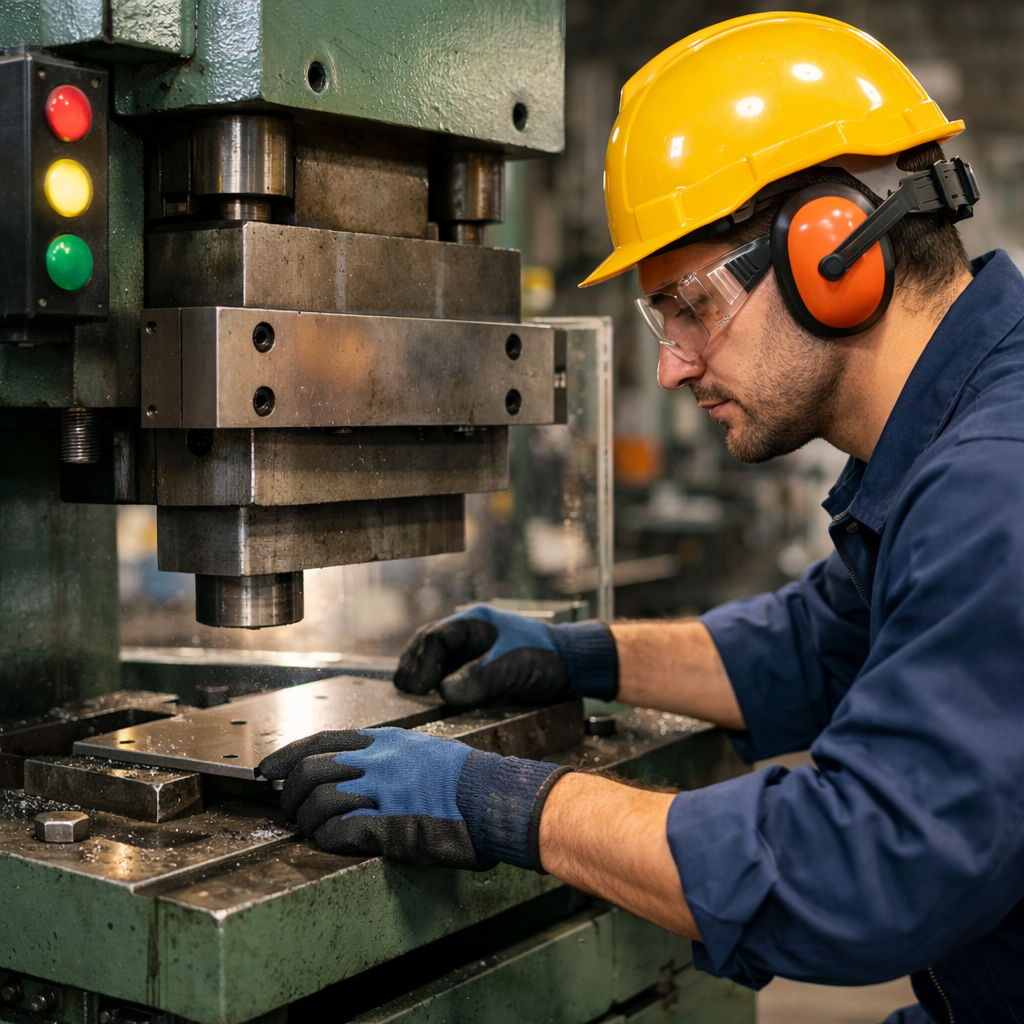
working with press machines safely: Essential OHSE Practices for a Safer Workplace
Table of Contents working with press machines safely: Essential OHSE Practices for a Safer Workplace Understanding the risks of working with press machines safely Common press machine hazards Prevention strategies and the hierarchy of controls Applying the Hierarchy of Controls Core prevention measures for working with press machines safely PPE and safe operating practices in…
-

Top 7 Autoclave Safety Rules: Why It Matters in Sterilization Work
Autoclave Safety is vital in laboratories, hospitals, veterinary clinics, and research facilities. These powerful machines sterilize equipment and biohazard waste using high-pressure steam. While they are indispensable for infection control, improper use can lead to severe burns, explosions, and equipment failure. Workers must follow strict procedures to operate autoclaves safely. This article covers essential safety…
-
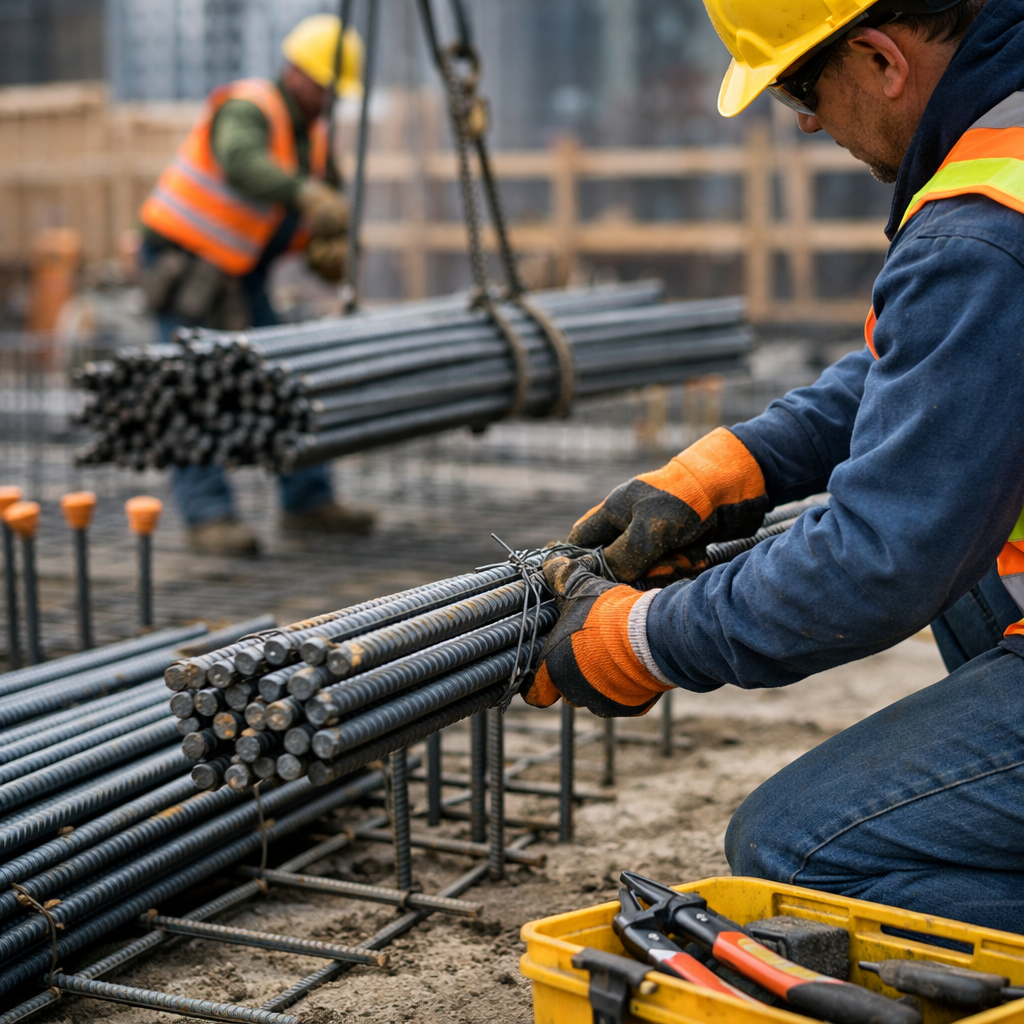
Why Rebar Handling Safety Procedures Matter in Daily Operations
Rebar Handling Safety Procedures: Essential Steps to Reduce Injury Risks on Site rebar handling safety procedures are a critical part of occupational health, safety, and environmental performance on construction sites, fabrication yards, and storage areas. Because reinforcing steel is heavy, awkward, sharp, and often moved in busy work zones, poor handling practices can quickly lead…
-

Change Management
Table of Contents 8.1. Understanding Organizational Change 8.2. Change Management Models 8.3. Implementing and Sustaining Change Summary and Key Takeaways 8.1. Understanding Organizational Change 8.1.1. Types of Organizational Change Organizational change refers to the process of modifying structures, strategies, processes, or cultures within an organization. Change is essential for organizations to adapt to evolving environments,…
-

Work Boots That Protect: The Ultimate Guide to Choosing Safety Footwear
Work boots are more than just part of a uniform—they are essential pieces of personal protective equipment (PPE) that guard against some of the most common and dangerous workplace injuries. A quality pair of boots protects feet from crushing hazards, slips, punctures, chemical exposure, and even electric shock. In many industries, they are not optional—they…
-

60 Warehouse Safety Tips to Prevent Accidents and Injuries
Warehouse Safety : Warehouse environments can be hazardous due to high levels of activity, heavy machinery, and the constant movement of goods and equipment. A strong focus on safety helps prevent accidents and ensures a healthy working environment. Below, we share 60 warehouse safety tips to reduce risks and promote a culture of safety. Table…


