

-

Comprehensive Overview of Occupational Health, Safety, and Environment (OHSE)
Occupational Health, Safety, and Environment (OHSE) is a comprehensive approach that integrates the principles of health, safety, and environmental protection within the workplace. It encompasses the management of risks and the promotion of well-being to ensure a holistic approach to the welfare of individuals, the community, and the environment in and around workplaces. Occupational Health,…
-

Occupational Safety and Health: A Critical Guide to Protecting Workers and Building Safer Workplaces
Occupational Safety and Health (OSH) is the backbone of a productive, responsible, and legally compliant workplace. From factories to hospitals, and offices to construction sites, prioritizing OSH not only safeguards employees from injuries and illnesses but also boosts morale, improves efficiency, and reduces costly disruptions. In this article, we’ll dive deep into what OSH entails,…
-
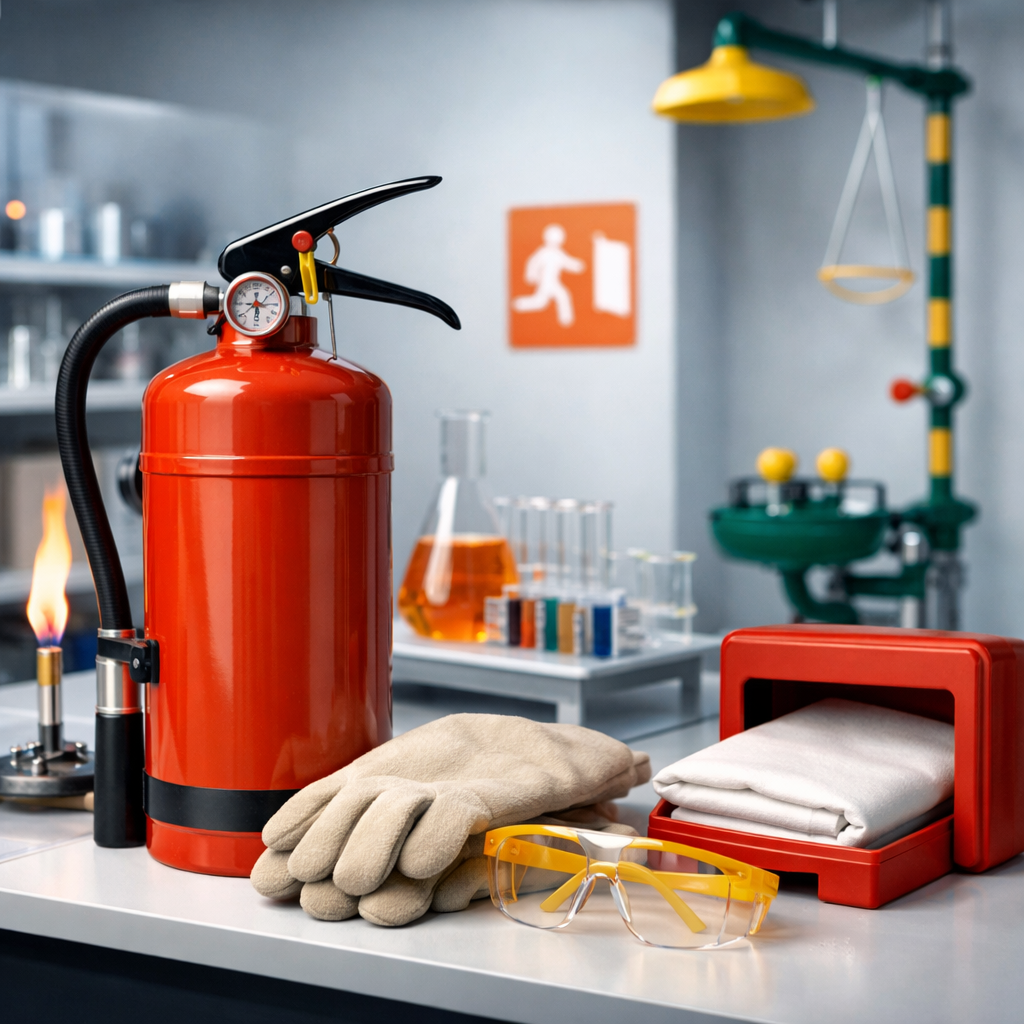
Common Fire Risks in Laboratory Environments
Laboratory Fire Safety Measures: Essential Steps to Prevent Fires and Protect Staff laboratory fire safety measures are a critical part of occupational health, safety, and environmental management in any research, medical, academic, or industrial facility. Laboratories contain flammable chemicals, heat sources, electrical equipment, compressed gases, and reactive substances, all of which can turn a small…
-

Paint Booth Safety: Best Practices for Ventilation and Fire Prevention
Paint Booth Safety is a vital part of any painting operation involving enclosed spray areas. From automotive body shops to industrial coating facilities, improperly managed paint booths pose severe risks—including toxic exposure, fire hazards, and environmental contamination. By implementing proper ventilation and fire prevention protocols, employers can protect workers and comply with regulatory standards while…
-
Noise and Vibration Control
Table of Contents 9.1 Health Effects of Noise and Vibration 9.2 Monitoring and Measuring Noise and Vibration 9.3 Noise Control Strategies and Hearing Conservation Programs 9.4 Vibration Control and Ergonomic Interventions Practical Applications: Noise and Vibration Control in a Construction Site Review Questions: Further Reading: 9.1 Health Effects of Noise and Vibration Noise and vibration…
-

Business continuity tips for the first 24 to 72 hours
Business continuity tips after a workplace emergency: how to recover operations and protect your people Business continuity tips matter most in the hours and days after a workplace emergency, when decisions affect safety, legal compliance, recovery costs, and employee confidence. Whether the incident involved fire, flooding, a chemical spill, workplace violence, power loss, or a…
-

Occupational Health and Safety (OHSE) in Gyms
Maintaining health and safety standards in gyms is crucial for both employees and customers. Gyms can pose various hazards, such as equipment-related injuries, slips, trips, falls, and overexertion. To create a safe and healthy environment, gym owners and staff must implement comprehensive occupational health and safety (OHSE) protocols. This article will explore key aspects of…
-

Safety Related Equations Tools
Safety Related Equations Tools Table of Contents Safety Related Equations Tools Risk Assessment Incident Frequency Rate (FR) Incident Severity Rate (SR) Time Weighted Average (TWA) Noise Dose (OSHA) Wet Bulb Globe Temperature (WBGT) Safety Factor (SF) Accident Frequency Ratio (AFR) Risk Priority Number (RPN – FMEA) Why Safety Related Equations Matter Key Safety Related Equations…
-
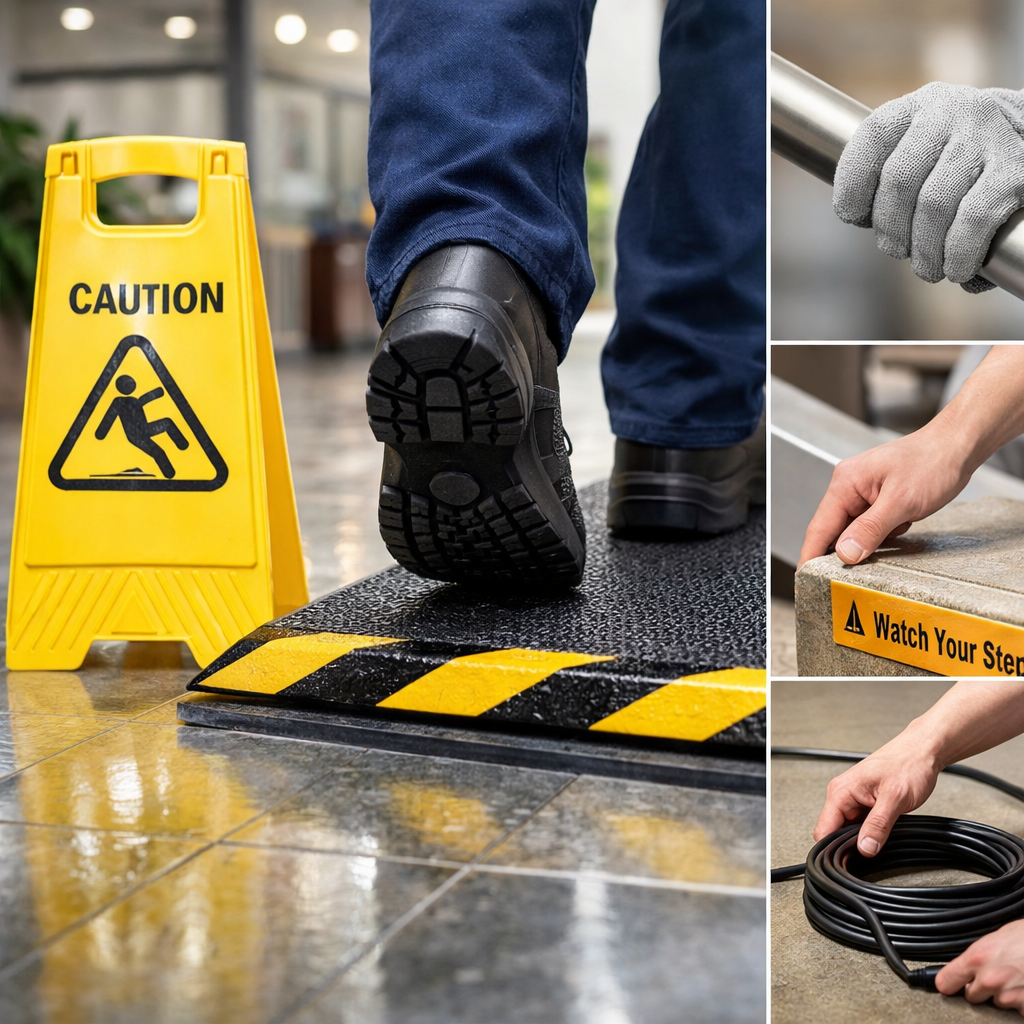
Why slip trip and fall prevention matters in every workplace
Slip Trip and Fall Prevention: Smart Measures for Any Workplace Slip trip and fall prevention should be a priority in every workplace because these incidents can happen in seconds and lead to serious injuries, lost time, and avoidable costs. From office hallways and retail aisles to loading docks and icy walkways, hazards often build up…
-

Introduction to Leadership in OHSE
Table of Contents 1.1. Understanding Leadership in Occupational Health, Safety, and Environment 1.2. The Role of Leadership in Promoting a Safe Workplace 1.3. Key Leadership Qualities for OHSE Professionals 1.4. Case Studies: Successful Leadership in OHSE Summary and Key Takeaways 1.1. Understanding Leadership in Occupational Health, Safety, and Environment Leadership in Occupational Health, Safety, and…
-
OHSE Questions
Table of Contents 1. What is OHSE Management? 2. What Does the "O" in OHS Stand For? 3. What Is the Meaning of OSHE in Safety? 4. What Is OHS&E? 5. What Are the Goals of OHS? 6. What Does QHSE Stand For? 7. What Is an Example of OHS? 8. What Does OHS Do?…


