

-

Comprehensive Overview of Occupational Health, Safety, and Environment (OHSE)
Occupational Health, Safety, and Environment (OHSE) is a comprehensive approach that integrates the principles of health, safety, and environmental protection within the workplace. It encompasses the management of risks and the promotion of well-being to ensure a holistic approach to the welfare of individuals, the community, and the environment in and around workplaces. Occupational Health,…
-
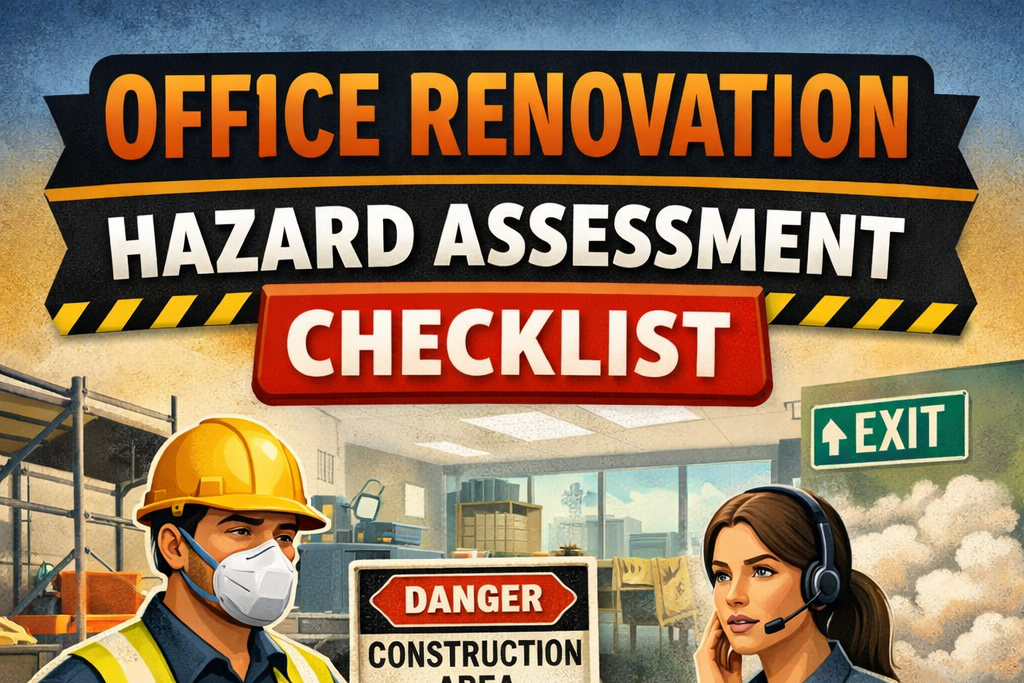
Ultimate Office Renovation Hazard Assessment Checklist to Prevent Costly Workplace Incidents
Office Renovation Hazard Assessment Checklist is the easiest way to protect employees, contractors, visitors, and essential operations when construction happens in a live office environment. Renovation work creates fast-changing risks—dust, blocked exits, noise, temporary electrical setups, trip hazards, and miscommunication between teams. The goal of this checklist is simple: identify hazards early, control them properly,…
-
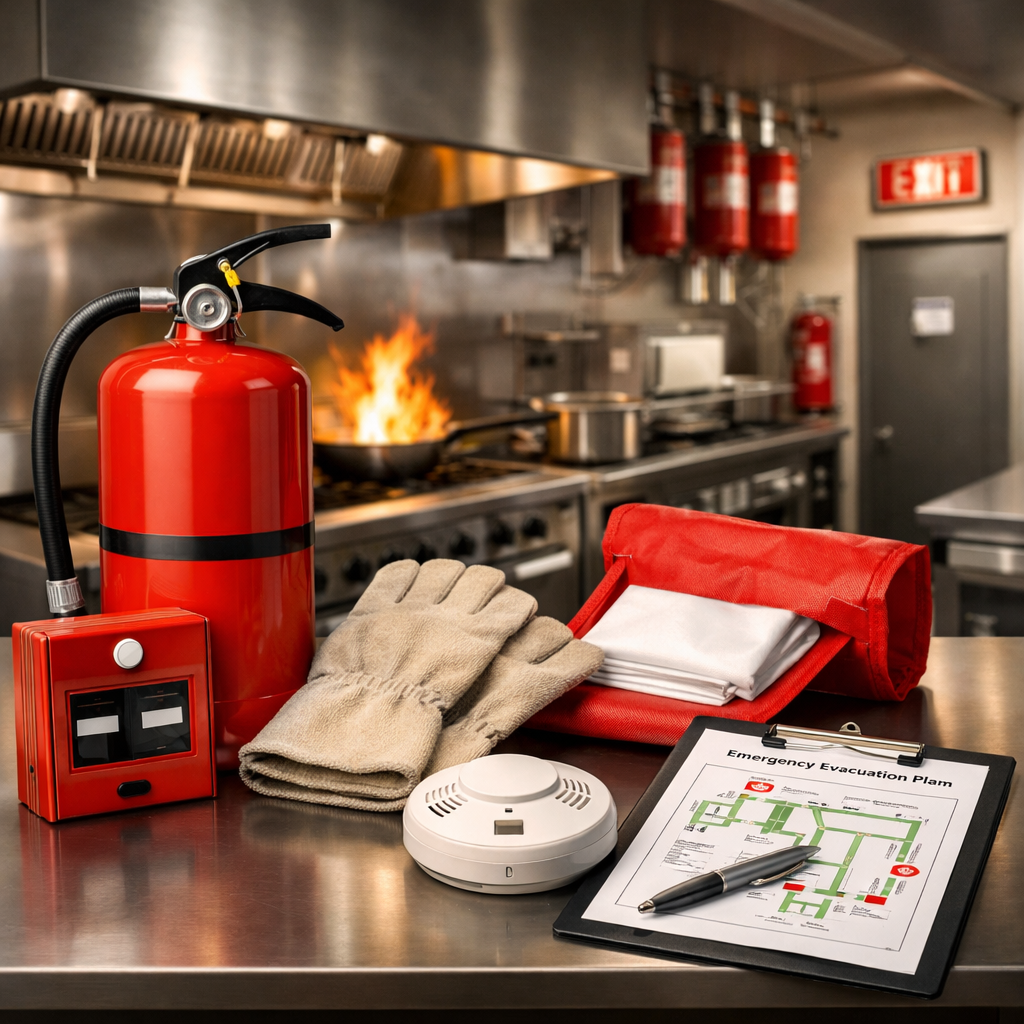
Why restaurant fire safety guidelines matter in everyday operations
restaurant fire safety guidelines: Essential OHSE Practices for Safer Commercial Kitchens restaurant fire safety guidelines are a critical part of occupational health, safety, and environmental management in any food service business. From fast-paced cafés to large hotel kitchens, fire risks are present every day through open flames, hot oils, electrical equipment, and cleaning chemicals. Without…
-

Why is Effective Communication Important in Safety Leadership?
Effective communication is crucial in safety leadership for several reasons:
-
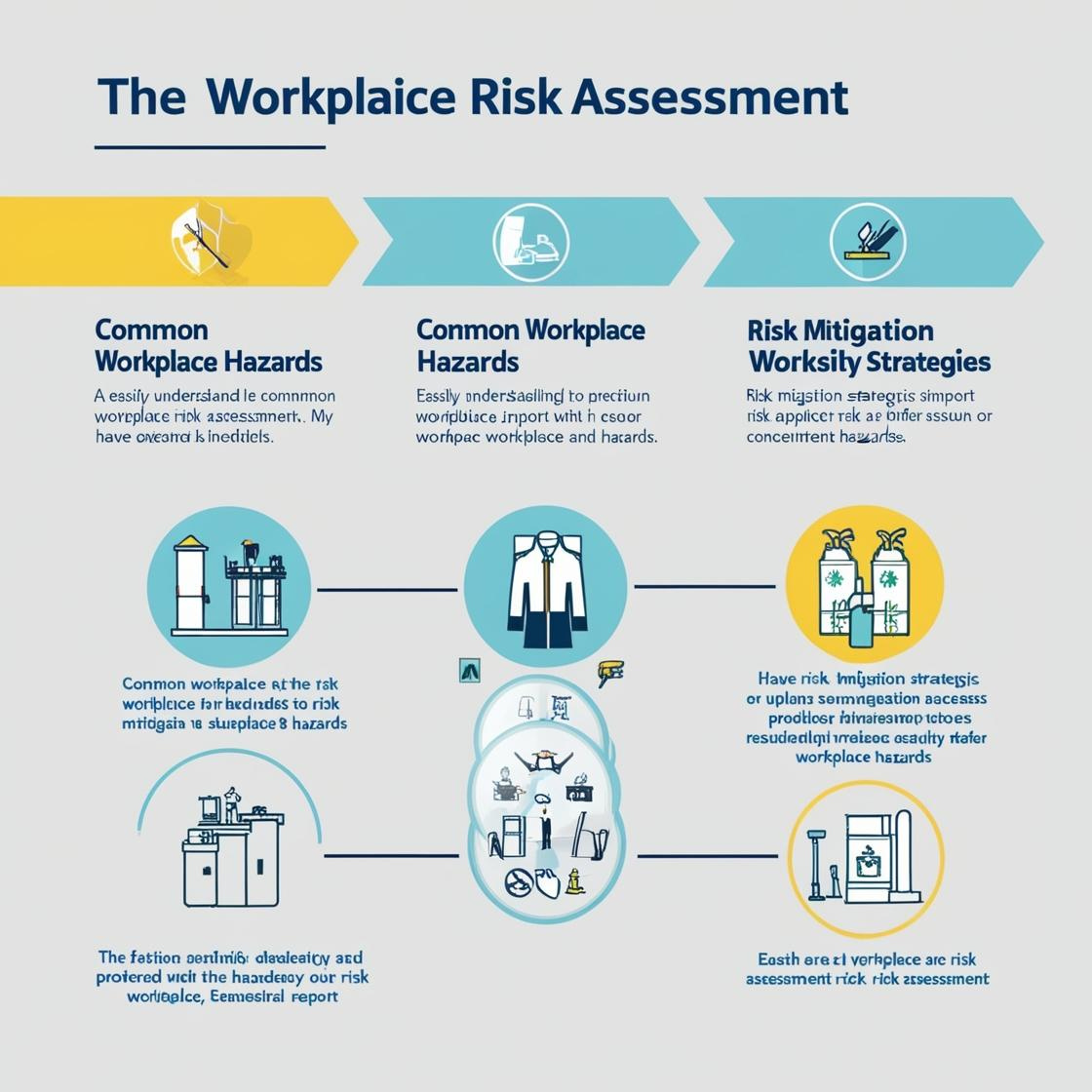
10 Key Questions to Ask in a Workplace Risk Assessment
Conducting a workplace risk assessment is an essential process for maintaining a safe and healthy work environment. Risk assessments help identify potential hazards and implement measures to mitigate them. Asking the right questions during this process ensures a thorough evaluation and enables organizations to protect their employees effectively. This article explores 10 key questions to…
-
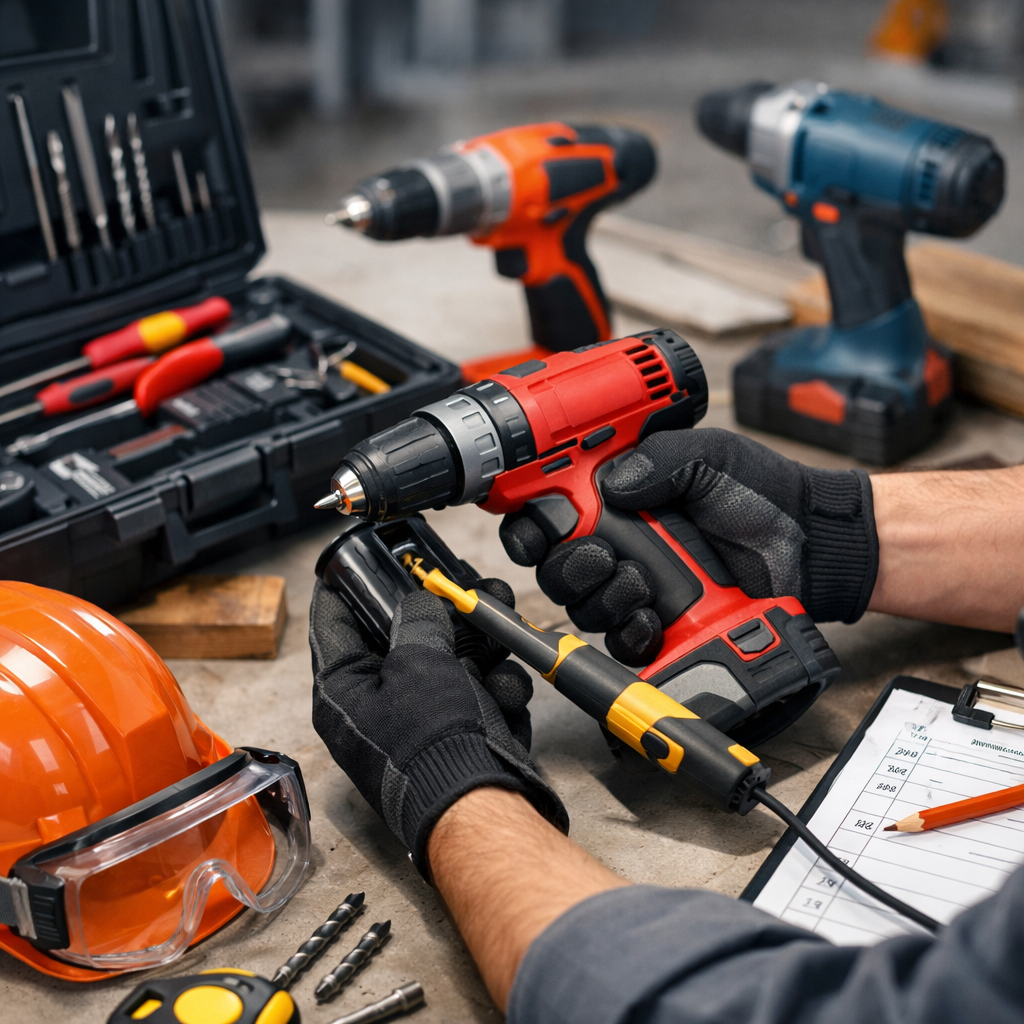
Why portable tool safety checks matter on every job
Portable Tool Safety Checks Before Every Job: A Smart Pre-Use Guide Portable tool safety checks should be the first step before any task begins, whether the job takes place on a construction site, in a workshop, or during routine maintenance. A quick inspection can prevent electric shock, cuts, flying debris injuries, fire hazards, and equipment…
-

Essential PPE for 10 Different Job Roles: A Complete Breakdown
Table of Contents Essential PPE for Different Job Roles Why PPE Matters in Every Job Construction Workers: High-Risk, High-Protection Laboratory Technicians: Safety Against Chemical and Biohazards Healthcare Workers: Infection Prevention First Welders and Fabricators: Protection Against Fire and Metal Shards Cleanroom Operators: Contamination-Free Work Zones Agricultural and Pesticide Workers: Chemical and Dust Exposure Food Service…
-

Women in OHSE: Breaking Barriers and Stereotypes
Occupational Health, Safety, and Environment (OHSE) is a field that has traditionally been male-dominated, much like many other technical and industrial professions. However, women are steadily breaking barriers and challenging stereotypes, making significant contributions to workplace safety, compliance, and environmental stewardship. As the OHSE landscape evolves, the inclusion of women is not just a matter…
-

Winter Power Outage Safety: A Practical Family Preparedness Guide
Winter power outage safety tips for Canadian families, students, and young workers. Learn how to prepare, stay warm, avoid hazards, and build a simple outage plan.
-

Preventing Needle Stick Injuries: Best Practices in Healthcare
Preventing needle stick injuries is one of the most pressing occupational health and safety concerns in modern healthcare. Each year, thousands of healthcare workers—nurses, doctors, laboratory technicians, and support staff—suffer accidental punctures from needles and sharps. T hese incidents are not just minor injuries; they carry the risk of exposure to bloodborne pathogens such as…
-
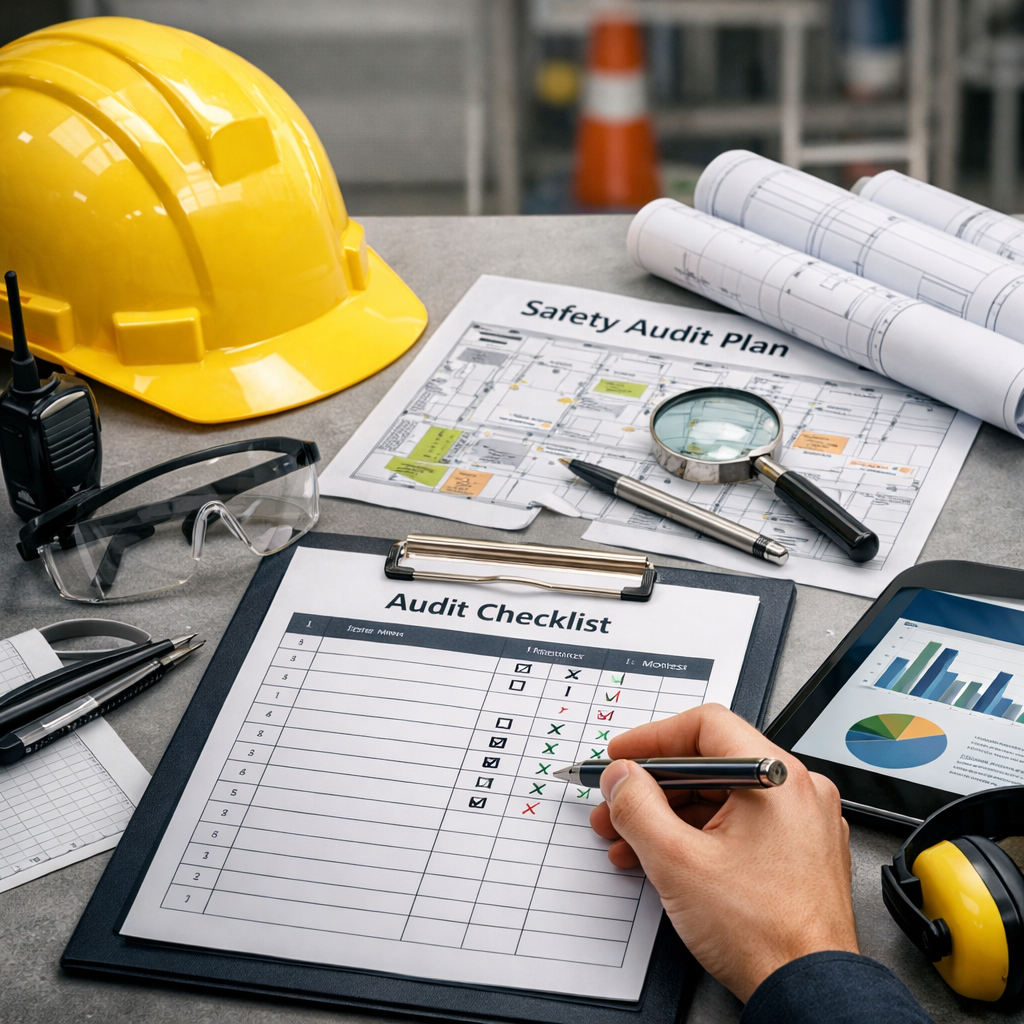
Safety Audit Planning Starts With Clear Scope and Preparation
Safety Audit Planning: Practical Steps for Continuous Improvement Safety audit planning is the foundation of a strong health and safety program because it turns inspections, conversations, and corrective actions into a structured process for continuous improvement. When audits are planned well, they do more than identify non-compliance. They help employers verify controls, uncover hidden risks,…


