

-

Comprehensive Overview of Occupational Health, Safety, and Environment (OHSE)
Occupational Health, Safety, and Environment (OHSE) is a comprehensive approach that integrates the principles of health, safety, and environmental protection within the workplace. It encompasses the management of risks and the promotion of well-being to ensure a holistic approach to the welfare of individuals, the community, and the environment in and around workplaces. Occupational Health,…
-

Water Quality and Conservation in the Workplace
Water plays a critical role in the workplace, not only as a basic necessity for employees but also as a resource essential to many industrial and office processes. Managing water quality and conservation effectively in the workplace is crucial for maintaining employee health, reducing operational costs, and supporting environmental sustainability. This article explores the importance…
-
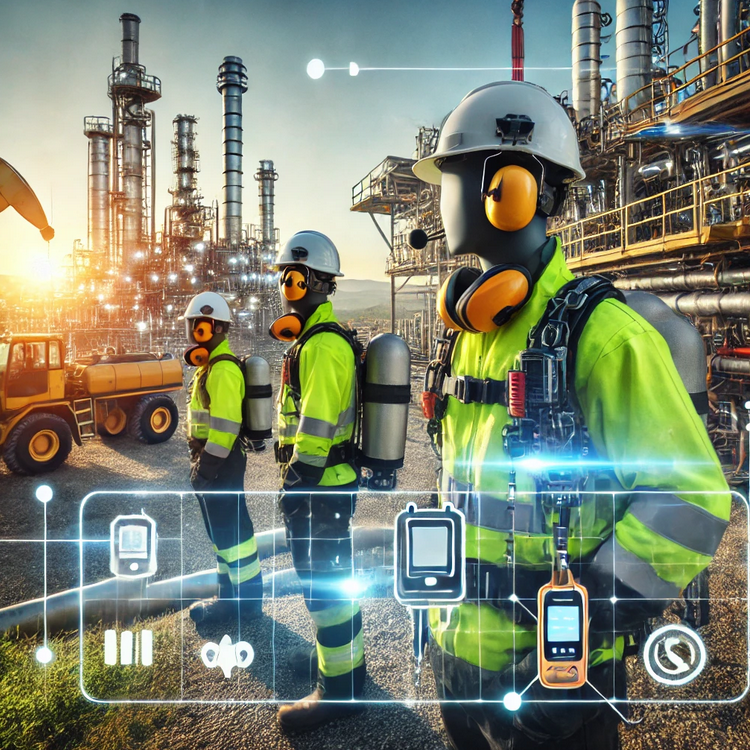
The Power of Wearable Safety Technology for Oil and Gas Workers
Wearable safety technology for oil and gas workers is revolutionizing how safety is managed in one of the world’s most hazardous industries. With advanced tools and devices, wearable technology enhances real-time monitoring, improves hazard detection, and ensures worker well-being in challenging environments. This article explores the impact, types, benefits, and implementation strategies of wearable safety…
-
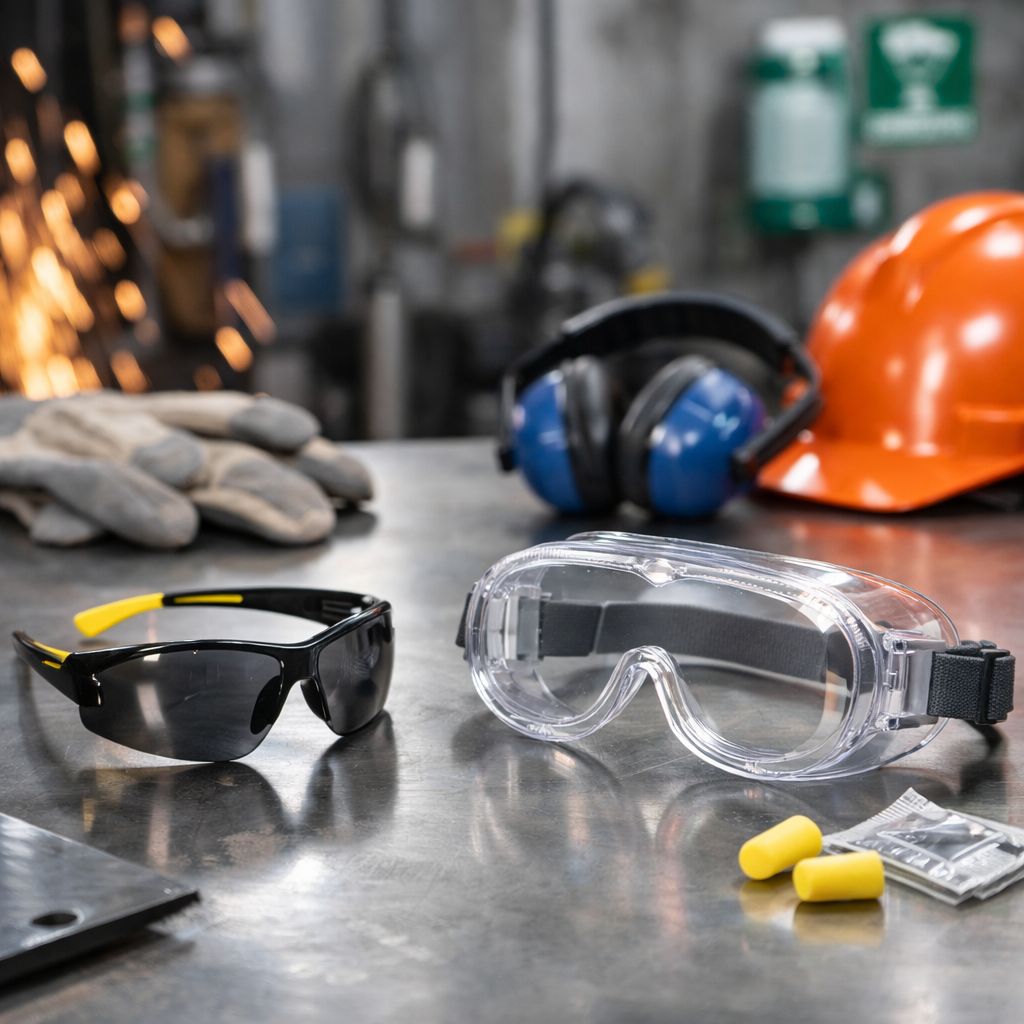
Why Eye Protection Rules Matter on High-Risk Job Sites
Eye Protection Rules for High-Risk Job Sites: What Workers Need to Know Eye protection rules are one of the most important safety requirements on high-risk job sites because even a small mistake can lead to permanent vision damage. In construction, manufacturing, welding, mining, road work, and chemical handling environments, workers face daily exposure to flying…
-

Visitor safety procedures start before anyone arrives on site
Useful Visitor Safety Procedures for High-Risk Facilities That Protect People and Operations Visitor safety procedures are essential in high-risk facilities because even a short visit can expose contractors, clients, auditors, delivery personnel, and other guests to serious hazards. Whether the site is a chemical plant, manufacturing floor, laboratory, warehouse, mine, or energy facility, a visitor…
-

What Is OHSE: Basics, Best Practices, and Implementation
Occupational Health, Safety, and Environment (OHSE) is an integral part of modern workplaces, focusing on safeguarding employees, the community, and the environment. Understanding OHSE involves recognizing its multifaceted components, the best practices that ensure effectiveness, and the steps necessary for successful implementation. This article provides an in-depth exploration of OHSE, complete with diagrams, tables, and…
-
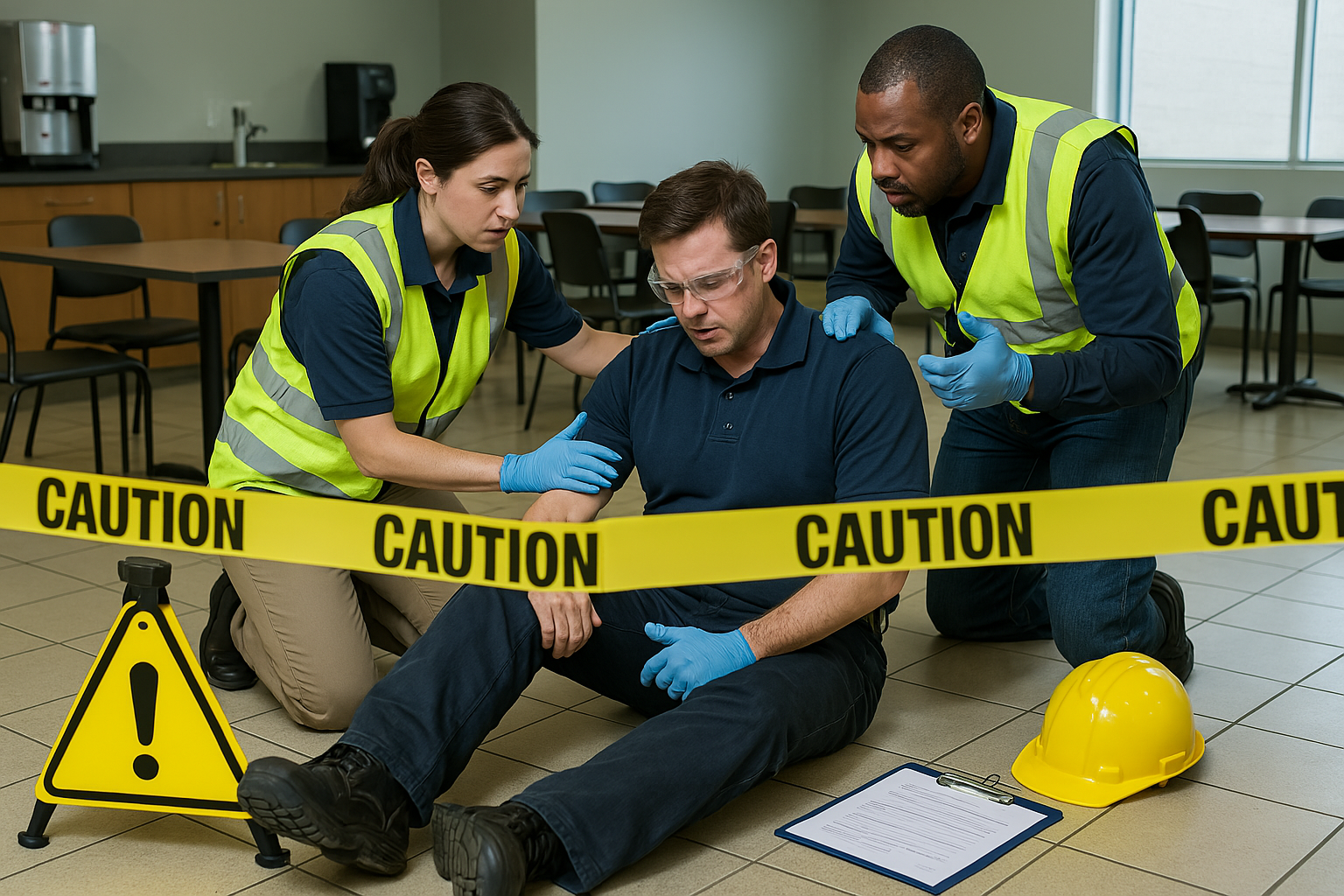
Initial Incident Responders: The Vital Role in Workplace Safety
Initial Incident Responders are the unsung heroes of workplace safety. As the first individuals to witness or respond to a workplace accident or near-miss, they play a pivotal role in shaping the outcome of an incident—both in terms of immediate response and long-term prevention. Organizations that recognize and support the role of initial responders create…
-

The Professional Ethics of Workplace Safety and Health: A Vital Responsibility
Table of Contents Understanding the Professional Ethics of Workplace Safety and Health The Principles of Professional Ethics in Workplace Safety and Health Implementing Professional Ethics in Workplace Safety and Health 1. Develop a Strong Ethical Framework 2. Conduct Ethical Risk Assessments 3. Offer Ethical Safety Training Challenges in Upholding Professional Ethics in Workplace Safety and…
-

The Future of Robotics in Occupational Health and Safety: Tesla’s Gen 3 Optimus Bot
The emergence of Tesla’s Gen 3 Optimus Bot brings exciting possibilities to various industries, including Occupational Health and Safety (OHSE). This humanoid robot, designed with cutting-edge features and abilities, has the potential to revolutionize how workplaces handle safety, efficiency, and risk management. However, alongside its promise comes the need to address security, safety concerns, and…
-
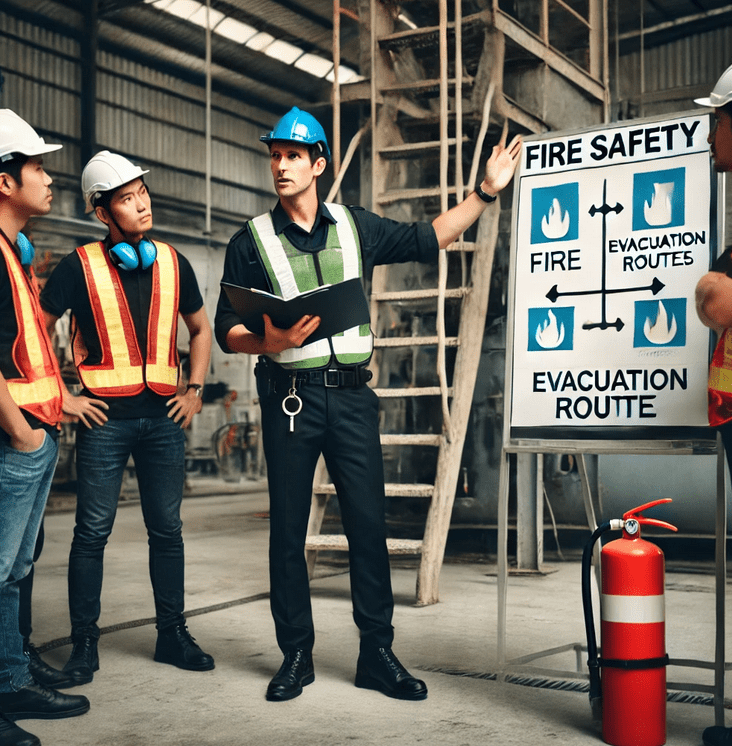
Fire Safety Protocols in High-Risk Industries
Fire hazards are a significant concern in high-risk industries, such as manufacturing, oil and gas, construction, mining, and chemical processing. A fire in these industries can lead to devastating consequences, including severe injuries, loss of life, and damage to equipment and infrastructure. As a result, robust fire safety protocols are essential for protecting employees and…
-

Workplace Mental Health Crisis: A Business Imperative
The workplace mental health crisis is no longer just a personal issue for employees; it has evolved into a business imperative that organizations must address with urgency. With the rise in mental health challenges among employees, companies are seeing significant impacts on productivity, absenteeism, and overall workplace morale. Ignoring this crisis is no longer an…


