

-

Comprehensive Overview of Occupational Health, Safety, and Environment (OHSE)
Occupational Health, Safety, and Environment (OHSE) is a comprehensive approach that integrates the principles of health, safety, and environmental protection within the workplace. It encompasses the management of risks and the promotion of well-being to ensure a holistic approach to the welfare of individuals, the community, and the environment in and around workplaces. Occupational Health,…
-
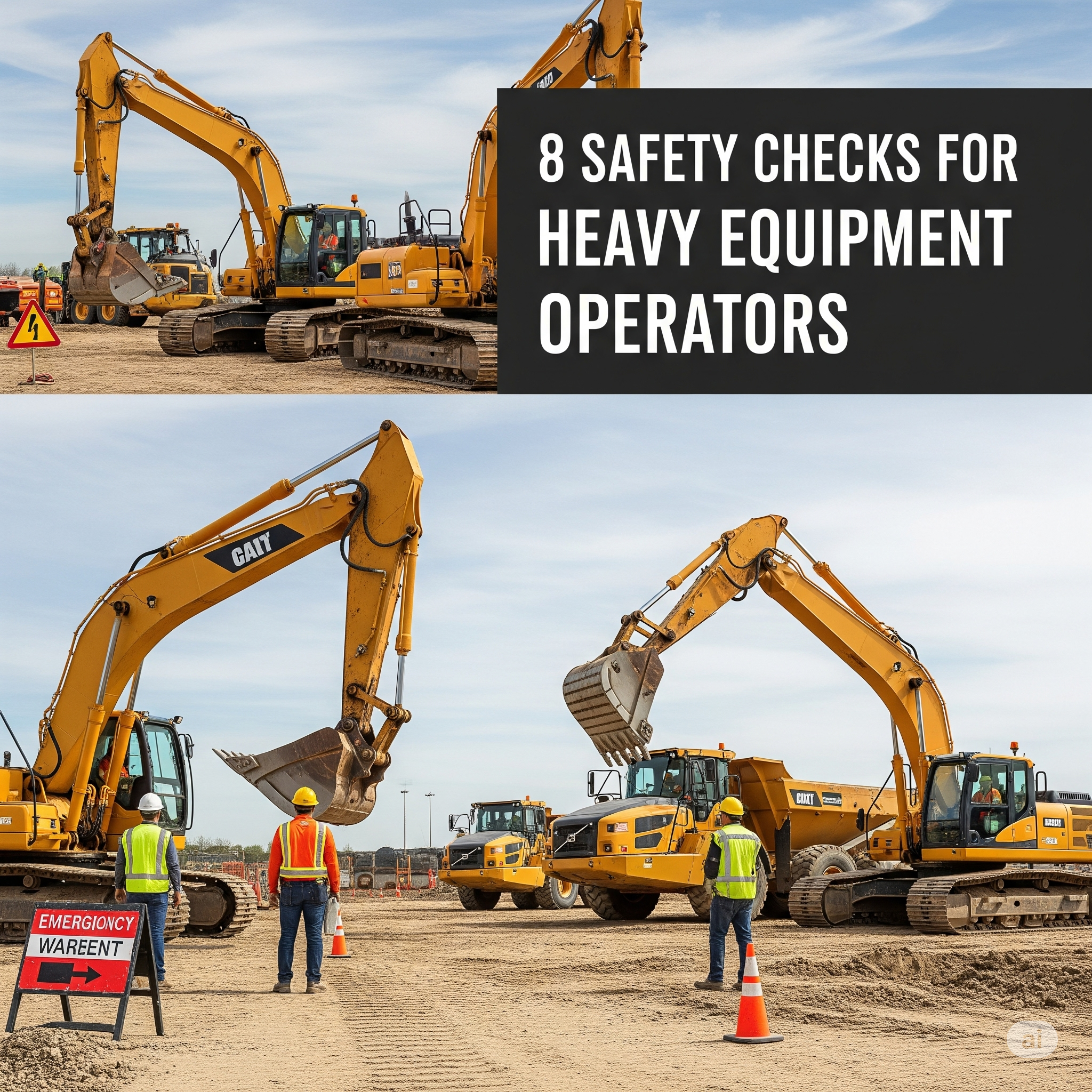
8 Safety Checks for Heavy Equipment Operators
Safety Checks for Heavy Equipment Operators are essential steps that protect lives, prevent costly damage, and keep projects on schedule. At the very start of every shift, operators who perform thorough checks help eliminate hazards before they become tragedies. Heavy equipment—from excavators and bulldozers to forklifts and cranes—is critical to many industries. But with that…
-

OHSE Safety Tips for Cleaning Professionals: Protect Yourself and Others
Cleaning professionals play a vital role in maintaining healthy and safe environments. However, their job often involves exposure to various hazards such as chemicals, slippery surfaces, and ergonomic challenges. Following OHSE (Occupational Health and Safety) practices is crucial for protecting yourself and others while performing your duties effectively. Here are essential OHSE safety tips for…
-
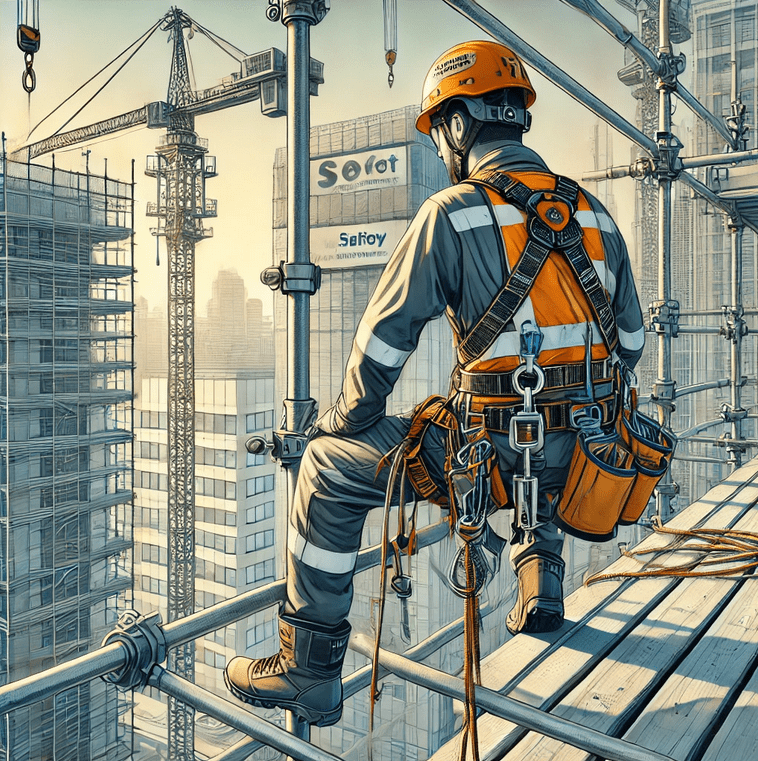
Occupational Health and Safety for Manufacturing and Construction Workers
Occupational Health and Safety (OHS) is crucial in manufacturing and construction sectors, where workers face numerous hazards daily. These industries involve tasks that expose workers to heavy machinery, hazardous materials, working at heights, and other physical, chemical, and environmental dangers. Implementing effective OHS measures is essential to protect workers from accidents and injuries and to…
-

School Bus Winter Safety: Critical Rules for Snow and Ice Conditions
School bus winter safety tips for Canadian families, schools, and drivers. Learn critical rules for snow and ice, safe stops, boarding, unloading, and winter prevention.
-

The Role and Responsibilities of an Occupational Health and Safety (OHS) Officer
Occupational Health and Safety (OHS) Officers play a critical role in ensuring the safety, health, and well-being of employees in various workplaces. Their main responsibility is to promote a safe working environment by implementing and monitoring safety regulations, investigating hazards, and ensuring compliance with local and national safety laws. Whether in industrial settings, construction sites,…
-

Why worker competency checks matter in safer worker training
Worker competency checks are one of the most effective ways to confirm that training has moved beyond attendance and into real understanding. In every workplace, from construction sites and factories to hospitals and warehouses, safety depends on workers knowing what to do and proving they can do it correctly. A sign-in sheet or completed online…
-
Safety Jobs in USA and Canada — Powerful, 10 Proven Steps to Go International
Safety Jobs in USA and Canada are within reach if you approach your search like a professional project: define the scope (target roles and locations), collect the right credentials, build evidence of results, and execute a disciplined search plan. Below is a practical roadmap you can apply this week—whether you’re aiming for your first coordinator…
-
🔥 Top 50 Major Questions and Answers – Safety Officer Exam Questions
Safety Officer Exam Questions : Are you preparing for an industrial Safety Officer exam? You’re in the right place. This comprehensive guide of 50 major Safety Officer Exam Questions and Answers will help you confidently tackle tests and interviews. From fundamentals to practical procedures, we’re covering it all to sharpen your preparation. Table of Contents…
-

Powerful Guide: Countries that follow OHSE
Countries that follow OHSE guidelines are leading the way in protecting worker health, ensuring safe work environments, and promoting sustainable practices. At the beginning of any effective occupational health and safety (OHSE) program is a strong regulatory framework, and around the world, nations are stepping up to ensure their workers and environments are safeguarded. From…
-

Strong Safety Culture: 12 Proven Signals of a Truly Safe Workplace
Strong safety culture is visible long before you read a policy manual. You hear it in pre-shift conversations, see it in tidy walkways and labeled valves, and feel it when a new hire confidently stops a task because something looks wrong. In this article, we’ll define what a strong safety culture looks like day-to-day, outline…


