

-

Comprehensive Overview of Occupational Health, Safety, and Environment (OHSE)
Occupational Health, Safety, and Environment (OHSE) is a comprehensive approach that integrates the principles of health, safety, and environmental protection within the workplace. It encompasses the management of risks and the promotion of well-being to ensure a holistic approach to the welfare of individuals, the community, and the environment in and around workplaces. Occupational Health,…
-

Cybersecurity for Remote Work
Table of Contents Overview: Learning Objectives: 7.1 The Importance of Cybersecurity in Remote Work 7.2 Securing Devices for Remote Work 7.3 Securing Your Remote Network 7.4 Secure Communication and File Sharing 7.5 Managing Work and Personal Data Separation 7.6 Recognizing Common Remote Work Cyber Threats 7.7 Incident Response and Reporting Key Takeaways: Overview: With the…
-

12 Key Steps to Implementing an Effective Safety Management System (SMS) in OHSE
A Safety Management System (SMS) is a structured framework designed to manage workplace safety and ensure compliance with Occupational Health, Safety, and Environment (OHSE) standards. Implementing an effective SMS can prevent accidents, protect employees, and improve operational efficiency. Below are 12 essential steps to create a robust SMS for your organization. Table of Contents 1.…
-
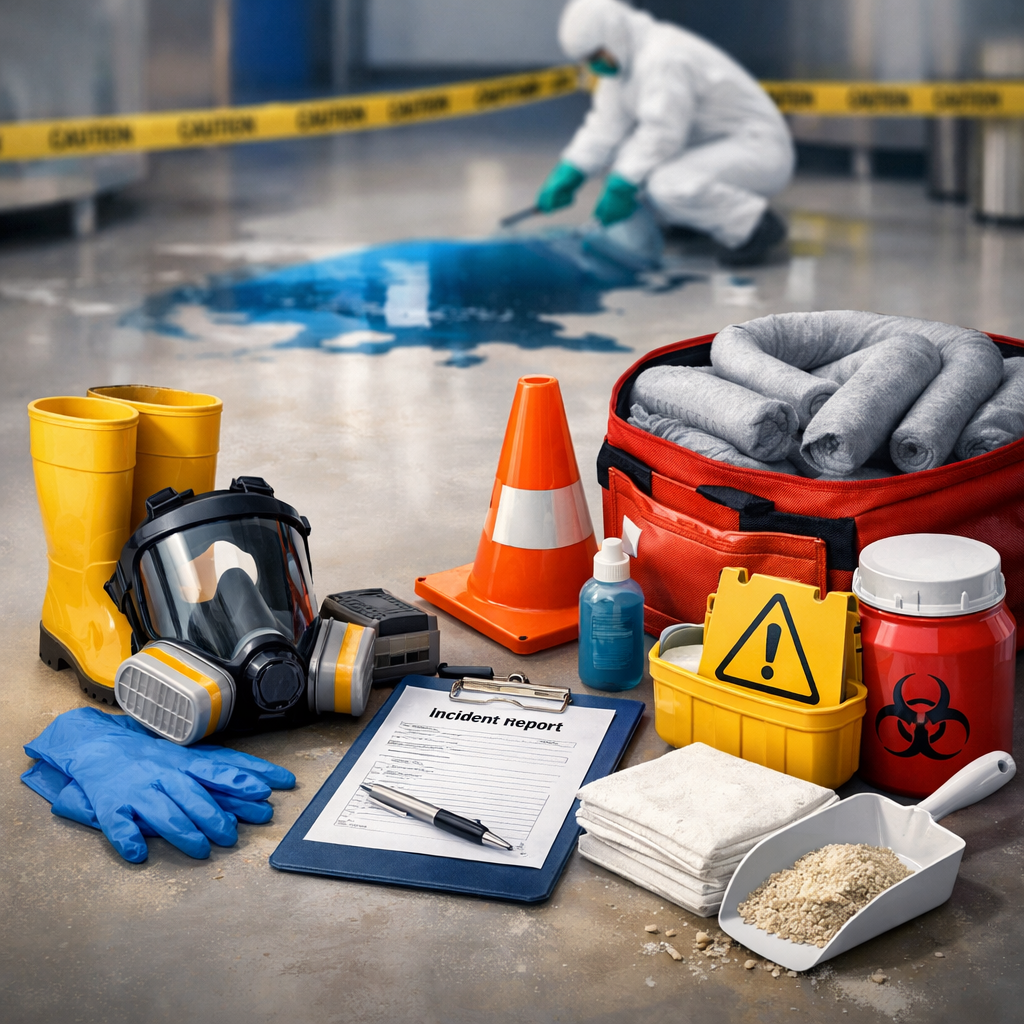
Why chemical spill response steps matter in every workplace
Chemical Spill Response Steps for Safer Workplaces: A Practical Guide Chemical spill response steps are essential for protecting workers, reducing environmental harm, and keeping operations under control when hazardous materials are released. In warehouses, laboratories, manufacturing plants, maintenance shops, and healthcare settings, even a small spill can create serious risks if the response is delayed…
-

The Importance of Choking Rescue Devices at Home
Choking is an unexpected emergency that can happen anywhere, especially at home. Whether it’s a small child experimenting with different foods or an adult inadvertently swallowing something the wrong way, having a choking rescue device readily available can save precious time and lives. Here’s why these devices are essential for every household: By having a…
-

Why machine calibration safety checks matter in OHSE
machine calibration safety checks: Essential OHSE Steps for Safer, More Accurate Workplaces machine calibration safety checks are a critical part of safe maintenance, accurate production, and legal compliance in industrial workplaces. When calibration is rushed, incomplete, or done without proper safeguards, workers can face serious hazards including unexpected startup, electrical exposure, pinch points, pressure release,…
-
Appendices
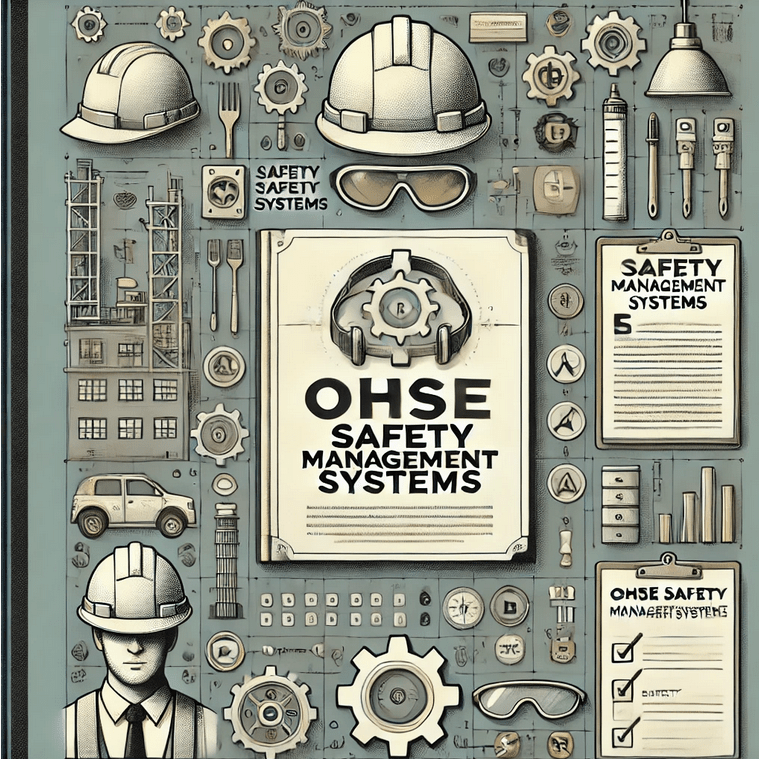
Table of Contents Appendix A: Safety Management System Templates and Forms Appendix B: Additional Reading and Resources Appendix C: Glossary of Terms Appendix D: List of Acronyms Appendix E: Index Appendix A: Safety Management System Templates and Forms This appendix provides a collection of templates and forms that can be used to implement and manage…
-
Winter Safety Tools That Work: Proven Essentials for Every Industry
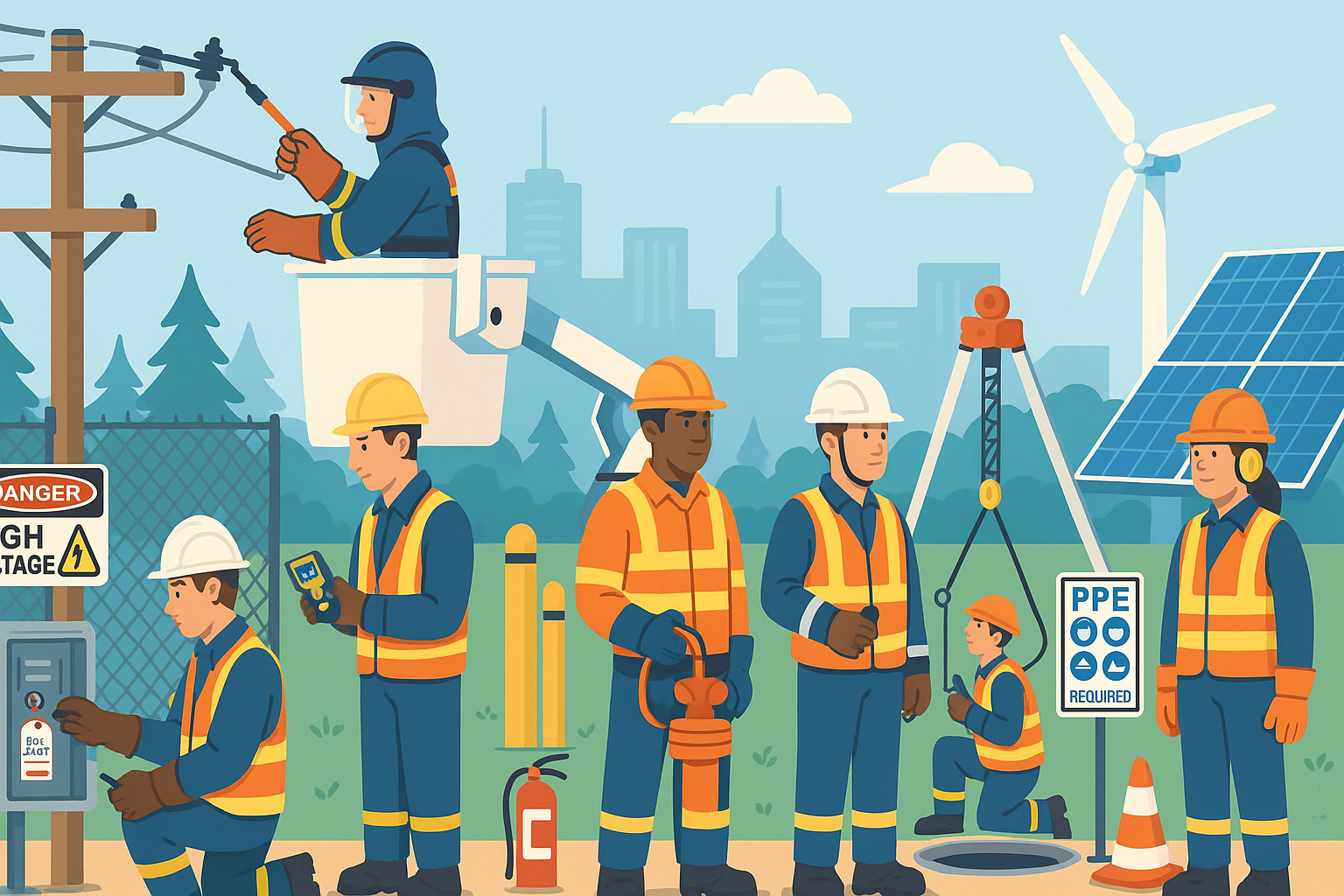
Winter safety tools are the thin line between a near miss and a recordable incident when the temperature drops. From black ice and blowing snow to brittle materials and numb fingers, winter changes the risk profile of every job. Below is a practical, industry-by-industry guide you can use to equip teams, reduce incidents, and keep…
-

Ensuring Safety in the Primary Industry through OHSE Practices
In the primary industry, particularly sectors involved in food production and feed manufacturing, maintaining high standards of health, safety, and environmental management (OHSE) is essential. Incorporating a food or feed safety management system not only helps protect workers and the environment but also demonstrates a business’s commitment to a sustainable and safe food chain. This…
-
Safety Synonyms: 50 Similar and Opposite Words to Enhance Your Vocabulary
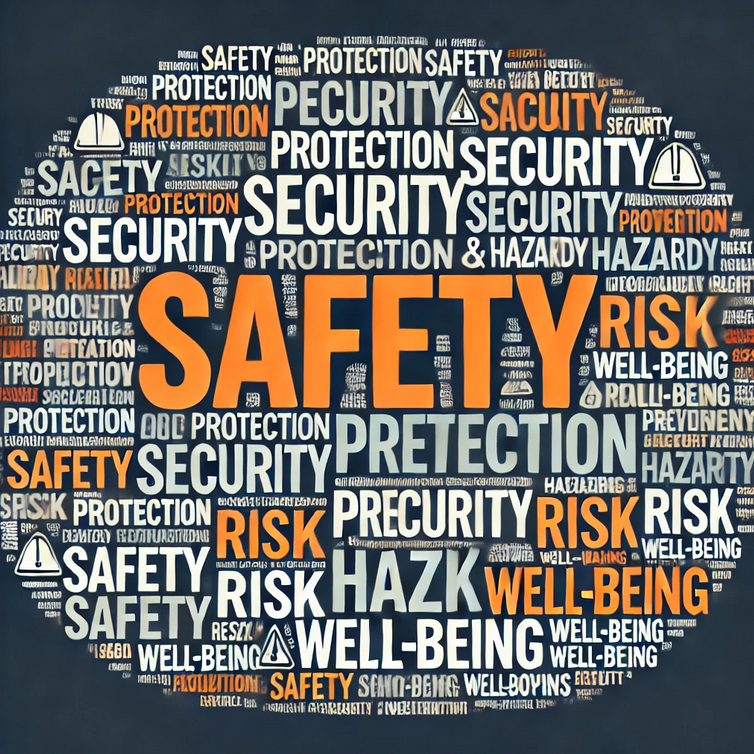
Safety synonyms are essential for diversifying your language and accurately conveying ideas related to protection, security, and well-being. Whether you’re writing about workplace safety, public safety, or personal safety, having a variety of synonyms and antonyms at your disposal helps to refine your communication. This article explores 50 similar and opposite words for safety, offering…
-
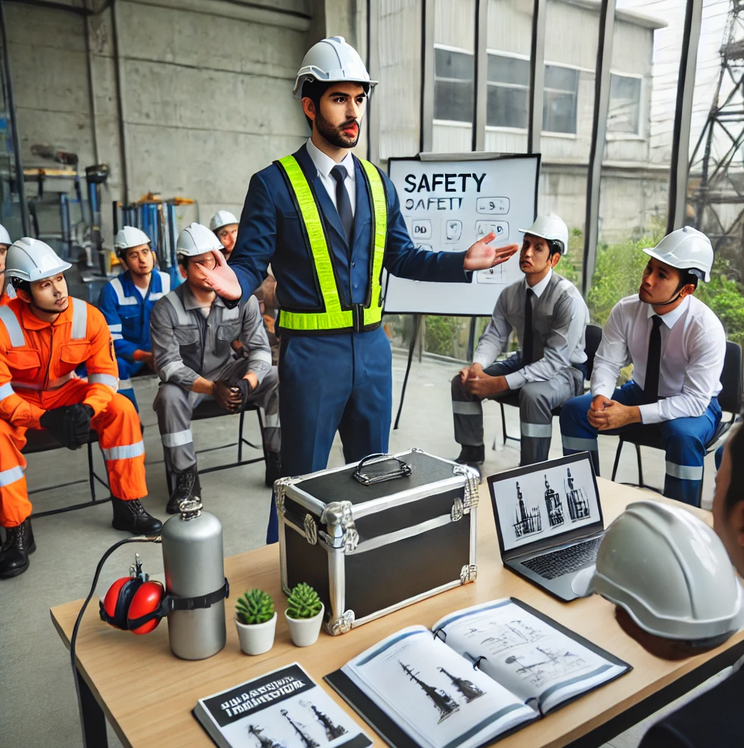
Effective Safety Training Programs for Oil and Gas Workers
Effective safety training programs for oil and gas workers are essential for addressing the unique risks of this high-hazard industry. From operating heavy machinery to handling hazardous materials, the oil and gas sector demands specialized training to ensure worker safety and regulatory compliance. This article explores the components, benefits, and strategies for developing impactful safety…


