

-

Comprehensive Overview of Occupational Health, Safety, and Environment (OHSE)
Occupational Health, Safety, and Environment (OHSE) is a comprehensive approach that integrates the principles of health, safety, and environmental protection within the workplace. It encompasses the management of risks and the promotion of well-being to ensure a holistic approach to the welfare of individuals, the community, and the environment in and around workplaces. Occupational Health,…
-
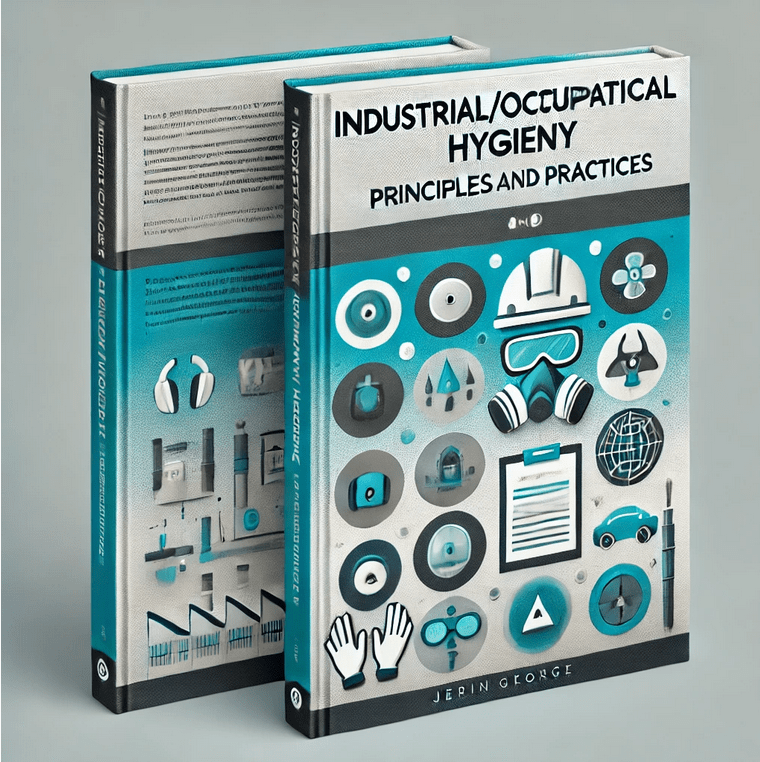
Principles of Industrial/Occupational Hygiene
Table of Contents 2.1 Basic Concepts of Exposure and Risk 2.2 Routes of Exposure: Inhalation, Ingestion, Dermal, Injection 2.3 Toxicology and Health Effects of Workplace Hazards 2.4 Threshold Limit Values (TLVs) and Permissible Exposure Limits (PELs) Practical Applications: Risk Assessment in the Workplace Review Questions: Case Study: Inhalation Hazards in a Chemical Plant Further Reading:…
-

Contractor Safety: Ensuring Alignment with Workplace Standards
Table of Contents Contractor Safety: Ensuring Alignment with Workplace Standards The Importance of Contractor Safety Common Challenges in Managing Contractor Safety Strategies for Aligning Contractors with Workplace Standards 1. Prequalification and Screening 2. Clear Contractual Obligations 3. Comprehensive Orientation Programs 4. Ongoing Communication 5. Active Monitoring and Audits 6. Training and Collaboration 7. Incident Response…
-
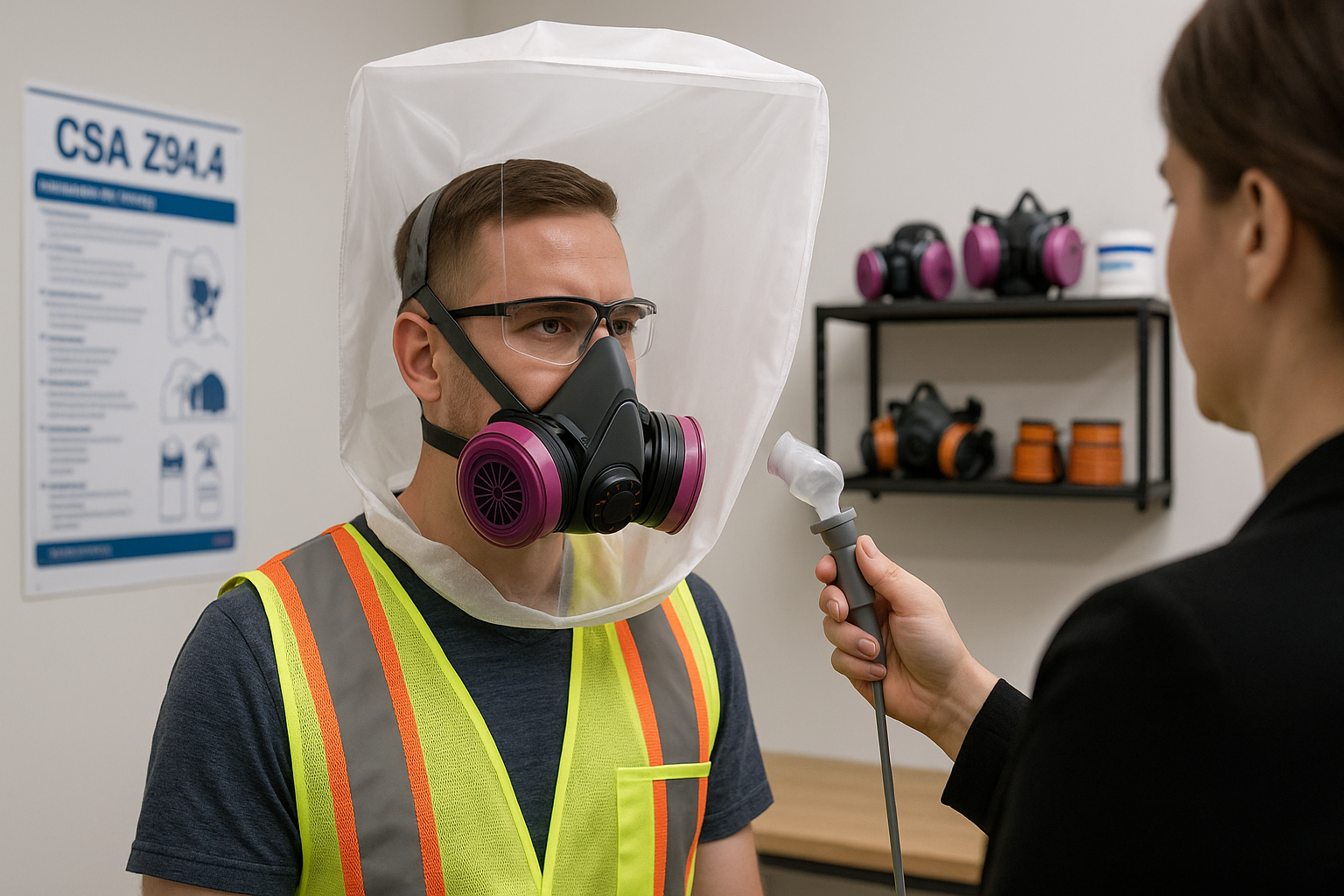
Respiratory Protection Mastery: 10 Bulletproof Steps to Programs That Pass Audits Every Time
Respiratory protection isn’t just about masks—it’s a complete, living system that keeps workers healthy and your organization audit-ready. In tightly regulated environments, a strong respiratory protection program demonstrates due diligence, reduces illness, and prevents costly non-conformities. This guide distills exactly what auditors expect to see, why gaps appear, and how to build a resilient program…
-

Why fall protection planning matters before work starts
Fall Protection Planning: Must-Have Steps for Safe Work at Heights Fall protection planning is the foundation of safe work at heights, whether your team is on a roof, scaffold, ladder, mezzanine, tower, or elevated platform. Without a clear plan, even routine tasks can turn into serious incidents involving falls, dropped objects, suspension trauma, or delayed…
-

Stay Safe This Summer: Essential Safety Topics for Daily Toolbox Talks
Stay Safe This Summer : Summer brings heat, sun, and humidity—conditions that can quickly become dangerous on worksites. At the start of every shift, a good toolbox talk helps workers understand risks, recognize symptoms, and take practical steps to stay safe in hot weather. Table of Contents Stay Safe This Summer Heat Stress Awareness: Know…
-
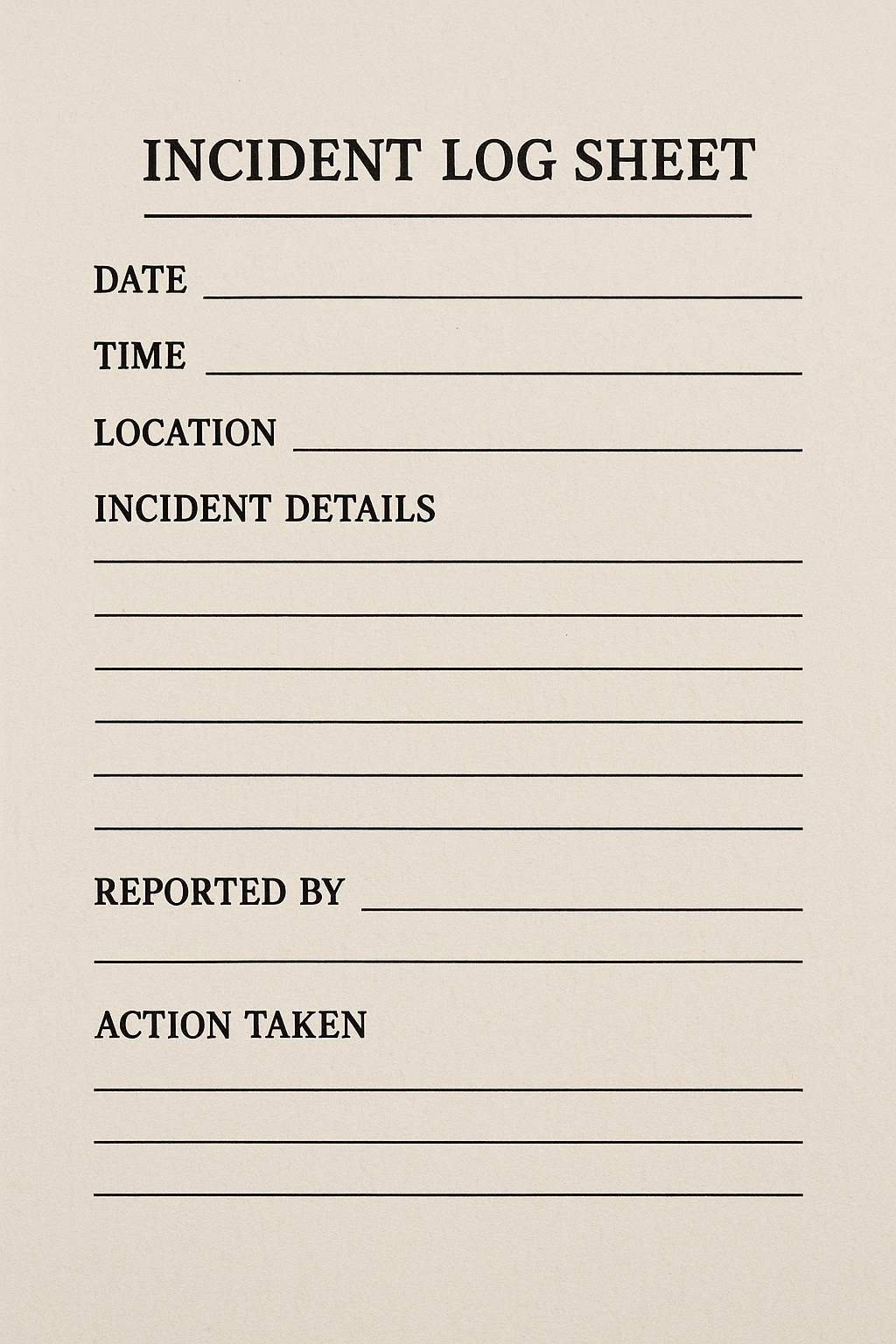
Incident Log Sheet PDF Free Download
Incident Log Sheet : Table of Contents What It Is and Why It Matters Common Sections Included Tips for Use Final Note What It Is and Why It Matters This document is a ready-to-use form where key details of an event can be noted: when and where it happened, who was involved, what occurred, and…
-

Smoking Habit in Breaks: Balancing Workplace Health and Productivity
The smoking habit in breaks is a common workplace practice, but it presents unique challenges for occupational health, safety, and productivity. While many employees rely on smoke breaks for stress relief, the practice can impact workplace morale, health, and overall efficiency. This article explores the implications of smoking habits during breaks and offers actionable strategies…
-

Safety Committee Meeting Ideas That Keep Agendas Practical
Safety Committee Meeting Ideas That Drive Real Action Safety committee meeting ideas can do far more than fill an agenda. When used well, they help teams identify hazards early, assign clear actions, and build a workplace culture where safety improvements actually happen. Too many committees meet regularly but struggle to create results. Minutes get recorded,…
-

Special Risks for Young Workers—and How to Mitigate Them: Essential Safety Strategies
Special Risks for Young Workers—and How to Mitigate Them is a critical topic for any safety manager, supervisor, or employer. Young workers—typically defined as those under 25—are statistically more likely to suffer workplace injuries than older, more experienced colleagues. Why? Because they often lack experience, training, and the confidence to speak up about hazards. Employers…
-

What industries benefit most from OHSE?
Occupational Health, Safety, and Environment (OHSE) practices are valuable across all industries, but some benefit particularly due to the inherent risks, regulatory demands, and environmental impacts associated with their operations. Below is a list of industries that benefit most from OHSE: Table of Contents 1. Construction Industry 2. Manufacturing and Industrial Sector 3. Oil and…


