

-

Comprehensive Overview of Occupational Health, Safety, and Environment (OHSE)
Occupational Health, Safety, and Environment (OHSE) is a comprehensive approach that integrates the principles of health, safety, and environmental protection within the workplace. It encompasses the management of risks and the promotion of well-being to ensure a holistic approach to the welfare of individuals, the community, and the environment in and around workplaces. Occupational Health,…
-

5 Best Strategies for Waste Management: Enhancing Health & Safety in the Workplace
Waste Management: Enhancing Health & Safety in the Workplace : Waste management is an essential component of maintaining health and safety in the workplace. Effective waste management systems protect workers, minimize environmental impact, and promote organizational compliance with regulatory standards. By addressing health and safety concerns, organizations can foster a safer and more sustainable environment.…
-

Health and Safety Guidelines for Clinical Managers: Ensuring a Safe and Efficient Workplace
Introduction Clinical managers hold a critical role in healthcare settings, overseeing operations, managing teams, and ensuring quality care delivery. However, their demanding responsibilities also expose them to various health and safety challenges. From workplace stress to managing potential hazards, clinical managers must adopt a proactive approach to safeguard themselves and their teams. This article explores…
-

Workplace Safety for Software Developers: Protecting Health in Digital Environments
Safety for software developers is often overlooked due to the non-physical nature of the work. However, tech professionals are increasingly at risk of long-term health issues stemming from sedentary behavior, poor workstation ergonomics, eye strain, and even mental health burnout. Addressing occupational health and safety in this field is critical for sustainable productivity and employee…
-
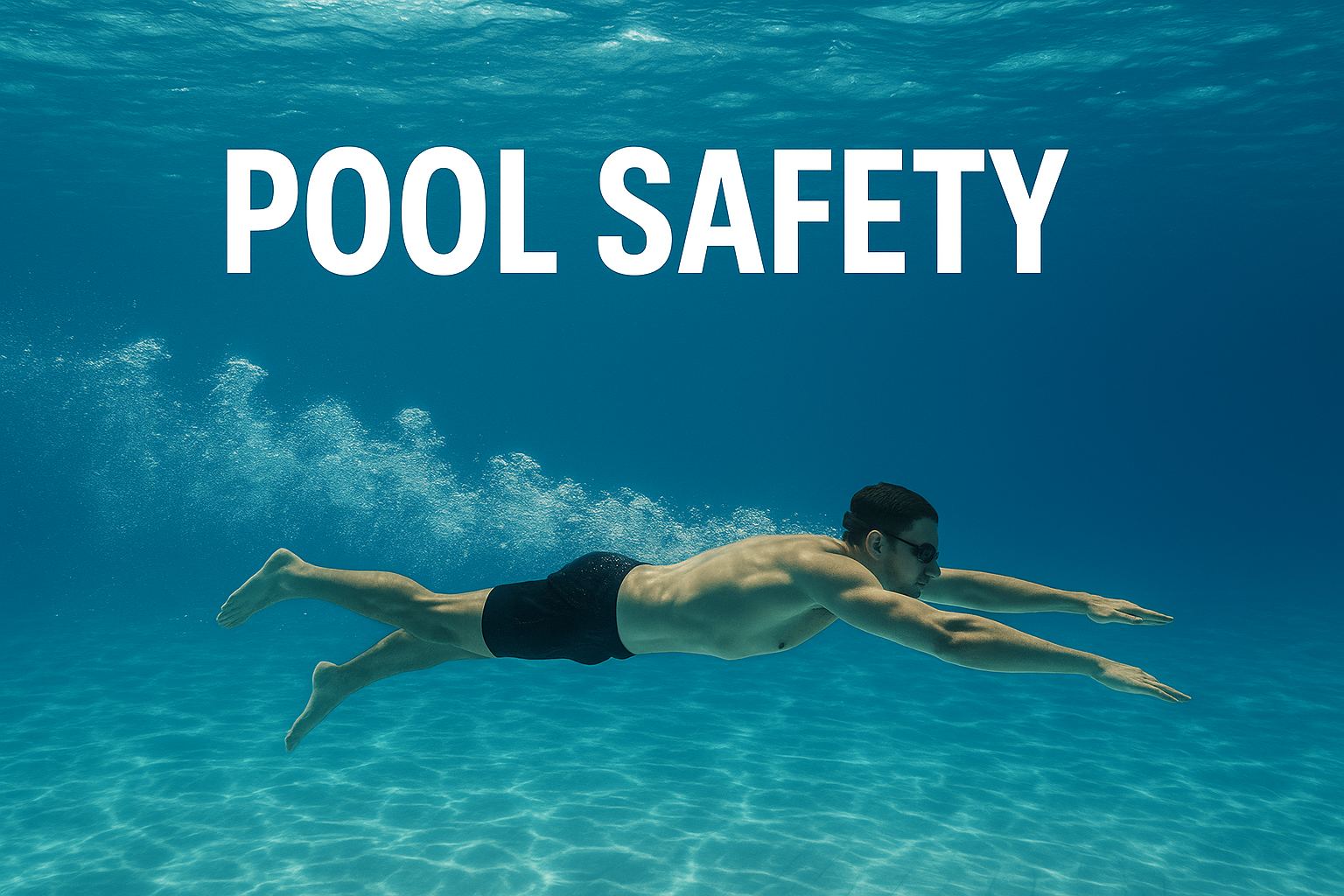
Pool Safety: Lifesaving Tips Every Family and Facility Must Follow
Pool Safety should be a top priority whether you’re enjoying a backyard dip, managing a community pool, or maintaining aquatic centers at work. Water may be fun, but it also poses hidden dangers—especially for children, non-swimmers, and untrained staff. This essential guide offers expert-backed pool safety tips to prevent accidents, injuries, and fatalities around water…
-

Maintaining Occupational Health While Pregnant
Pregnancy is a life-changing experience, and it often comes with its own set of physical, emotional, and mental challenges. For expecting mothers who continue to work during pregnancy, managing occupational health becomes even more critical. Employers and employees must work together to ensure that pregnant women can maintain their health and well-being, reduce stress, and…
-
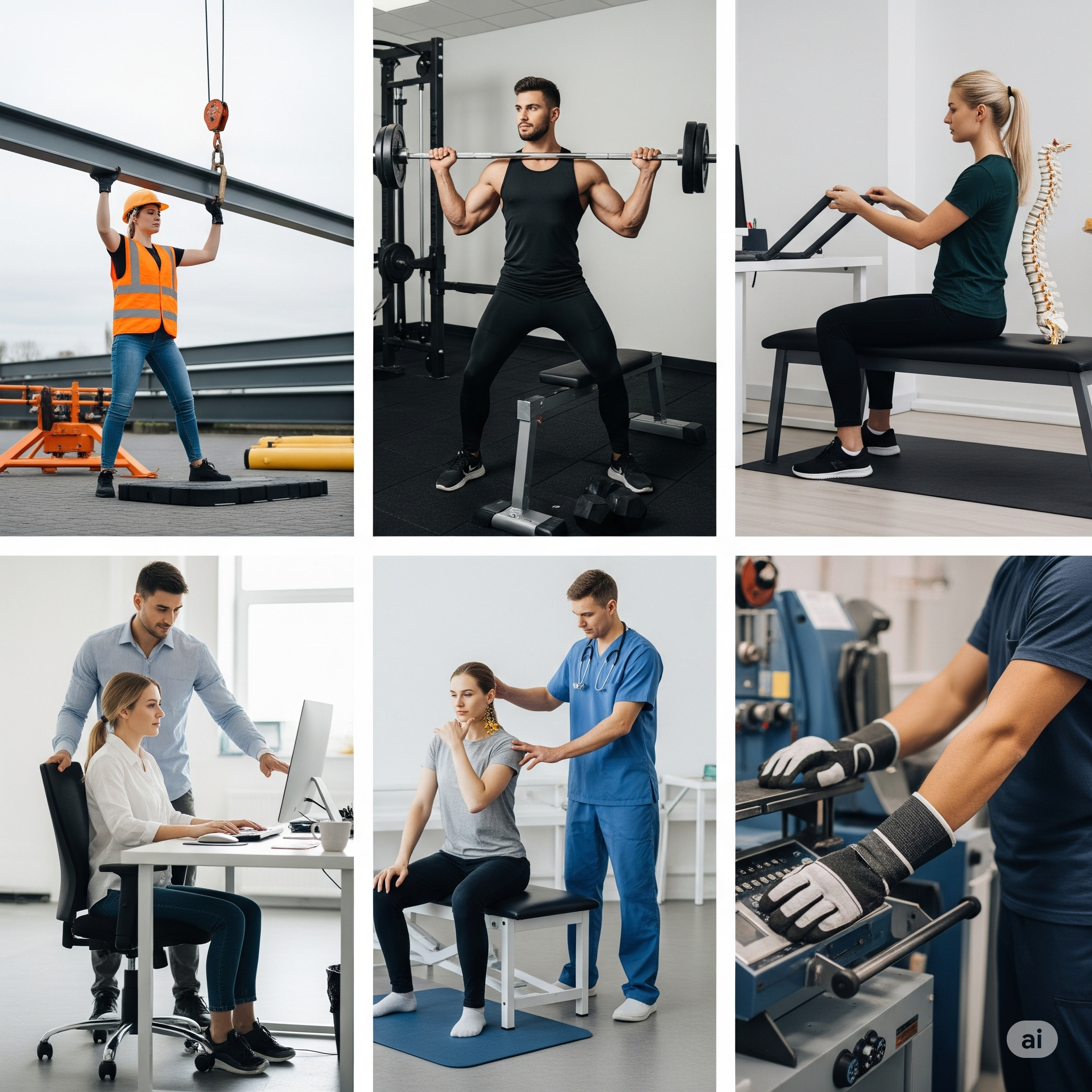
Essential Guide: Preventing Musculoskeletal Injuries in the Workplace
Preventing musculoskeletal injuries in the workplace is critical for protecting employees, reducing costs, and ensuring productivity. Musculoskeletal disorders (MSDs) are among the most common workplace injuries, affecting millions of workers globally. They include sprains, strains, repetitive motion injuries, and back pain—all of which can lead to absenteeism, long-term disability, and higher compensation claims. Companies that…
-
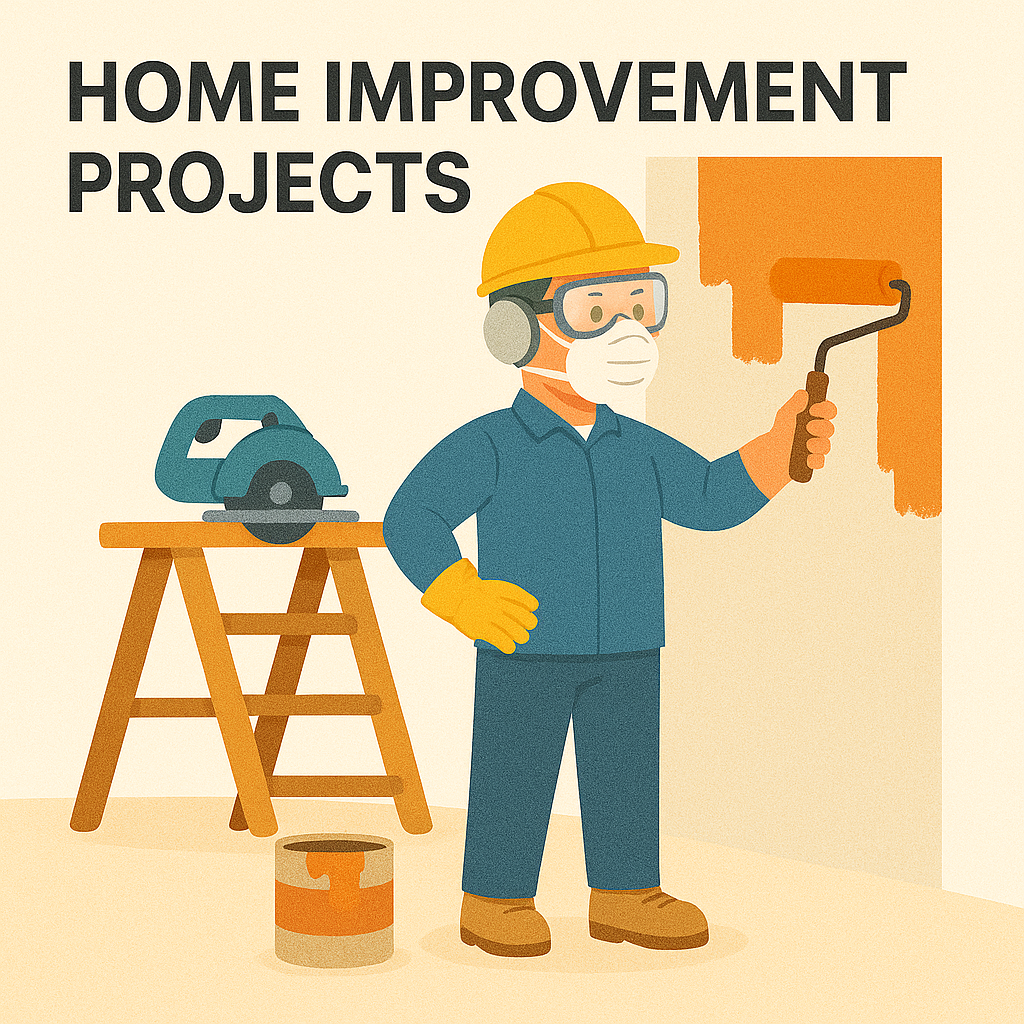
Powerful Safety Guide: Occupational Safety Tips for Home Improvement Projects
Occupational Safety Tips for Home Improvement Projects should be a top priority, whether you’re painting a room, replacing flooring, or building a deck. While DIY projects can be rewarding, they also expose you to various safety hazards—some of which can cause serious injuries. By following proper safety protocols, you can ensure your project is both…
-

The Role of Team Communication in Winter Jobsite Safety : 12 Key Strategies:
Effective team communication is the cornerstone of winter jobsite safety. Adverse weather conditions, such as snow, ice, and freezing temperatures, pose unique challenges, making clear and timely communication essential for preventing accidents and maintaining productivity. This article explores The Role of Team Communication in Winter Jobsite Safety Table of Contents Why Team Communication is Crucial…
-

5 Powerful Quality Assurance Walkthroughs to Identify Hazards Before They Hurt
Quality Assurance Walkthroughs are one of the most effective tools for identifying hazards before they result in injury, downtime, or regulatory violations. These proactive inspections go beyond routine safety checks—they blend quality standards with hazard detection, ensuring your workplace isn’t just compliant, but consistently improving. Whether you’re in manufacturing, construction, laboratories, or logistics, incorporating regular…
-

15 Essential Things to Do in Occupational Health, Safety, and Environment (OHSE)
Occupational Health, Safety, and Environment (OHSE) is a critical field that ensures the well-being of employees, the protection of the environment, and compliance with safety regulations. Whether you’re an employee, manager, or safety professional, here are 15 essential things to do to maintain a safe and healthy work environment. Table of Contents 1. Perform Regular…


