-

Comprehensive Overview of Occupational Health, Safety, and Environment (OHSE)
Occupational Health, Safety, and Environment (OHSE) is a comprehensive approach that integrates the principles of health, safety, and environmental protection within the workplace. It encompasses the management of risks and the promotion of well-being to ensure a holistic approach to the welfare of individuals, the community, and the environment in and around workplaces. Occupational Health,…
-

Top Infection Control Protocols Every Healthcare Worker Must Follow
Top Infection Control Protocols are essential in every healthcare setting, not only to protect patients but to safeguard healthcare workers themselves. Infection prevention is not just about individual hygiene—it’s a system-wide responsibility involving PPE, sterilization, waste management, and administrative controls. With healthcare-associated infections (HAIs) still affecting 1 in 31 hospital patients on any given day,…
-
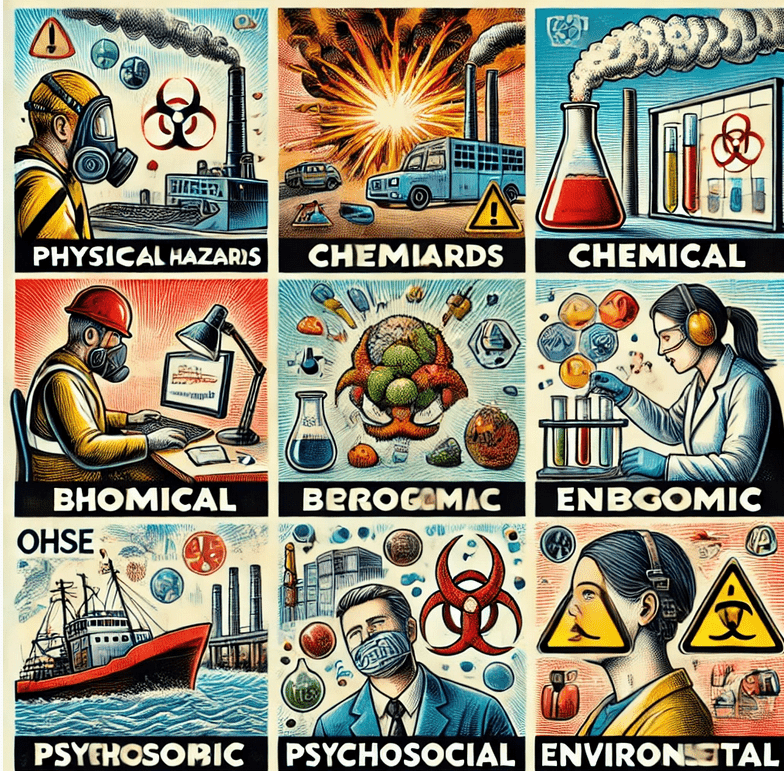
Hazards
Table of Contents Introduction Understanding Hazards Types of Hazards Hazard Identification and Risk Assessment Control Measures for Hazards Conclusion Introduction Occupational Health, Safety, and Environment (OHSE) is a comprehensive discipline dedicated to ensuring the well-being of workers and protecting the environment from the adverse effects of industrial activities. A central focus of OHSE is the…
-
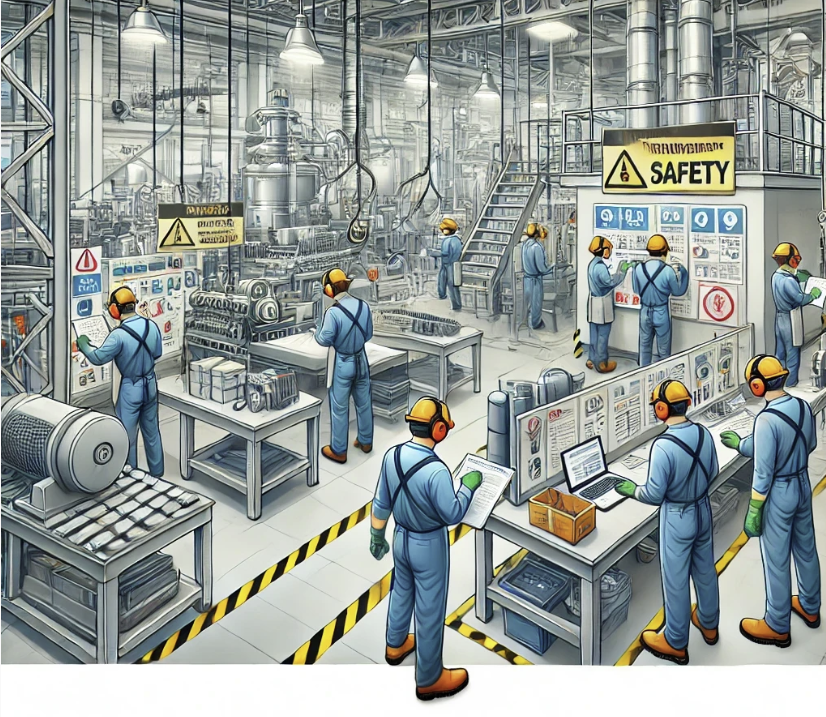
Danger Health Risks of Long-term Exposure to Manufacturing Environments
Table of Contents Long-term Exposure to Manufacturing Environments Understanding the Hazards in Manufacturing Environments Types of Hazards Health Risks of Long-term Exposure to Chemicals in Manufacturing Respiratory Diseases Cancer Risks Skin Disorders Physical Risks in Manufacturing Environments Hearing Loss Vibration-related Injuries Heat and Cold Stress Ergonomic Risks and Musculoskeletal Disorders (MSDs) Common MSDs in Manufacturing…
-

12 Must-Know Warning Signs of Unsafe Work Conditions
Identifying and addressing unsafe work conditions is critical to preventing accidents, injuries, and even fatalities in the workplace. While some hazards are obvious, others may be subtle but equally dangerous. By recognizing the must-know warning signs of unsafe work conditions, employers and employees alike can take proactive steps to create a safer environment. Here are…
-

Safety First: An Introduction to Construction Safety Management
Construction sites are dynamic environments, often buzzing with activity and filled with various hazards. From operating heavy machinery to handling dangerous materials, the industry presents unique risks that require proactive safety management to ensure worker well-being and project success. This guide provides an in-depth overview of construction safety management, covering key principles, best practices, and…
-

10 Preventative Measures for Fatal Workplace Accidents
Fatal workplace accidents remain a significant concern across industries, resulting in loss of life, financial burdens, and legal consequences. Preventing such incidents requires a proactive safety culture, strict regulatory compliance, and advanced risk mitigation strategies. This article explores the leading causes of fatal workplace accidents, industry-specific risks, safety measures, and legal considerations to ensure a…
-

The Ultimate Safety Guide for Rebar Workers
Table of Contents Protecting Hands, Preventing Hazards, and Building a Stronger Safety Culture Tying Safety Together: Preventing Hand and Wrist Injuries in Rebar Work Heavy Lifts, Heavy Risks: Safe Material Handling for Rebar Workers Sharp Edges, Safer Hands: Preventing Cuts and Punctures Rebar Trip Hazards: Keeping Worksites Clear and Workers Safe The Hidden Risk of…
-
Leadership & Communication
Table of Contents Chapter 1: Introduction to Leadership in OHSE Chapter 2: Theories and Styles of Leadership Chapter 3: Communication Skills for OHSE Leaders Chapter 4: Building and Leading Teams in OHSE Chapter 5: Leadership in Crisis Situations Chapter 6: Cultural Competence in OHSE Leadership Chapter 7: Ethical Leadership in OHSE Chapter 8: Leadership and…
-

Hearing the Buzz: The Importance of Noise Monitoring in the Hospitality Industry
The hospitality industry thrives on creating vibrant and welcoming environments, from bustling restaurants to lively hotels and event spaces. However, excessive noise can transform these lively atmospheres into health and safety concerns for both employees and patrons. Noise monitoring is a critical yet often overlooked aspect of maintaining a safe, enjoyable, and productive hospitality environment.…