-

Comprehensive Overview of Occupational Health, Safety, and Environment (OHSE)
Occupational Health, Safety, and Environment (OHSE) is a comprehensive approach that integrates the principles of health, safety, and environmental protection within the workplace. It encompasses the management of risks and the promotion of well-being to ensure a holistic approach to the welfare of individuals, the community, and the environment in and around workplaces. Occupational Health,…
-
OHSE for Wine Makers: Managing Fermentation Hazards and CO2 Buildup
The winemaking industry, while a craft steeped in tradition and artistry, poses a range of occupational health, safety, and environmental (OHSE) risks. Among these risks, managing fermentation hazards and carbon dioxide (CO2) buildup is a significant concern, particularly for small-scale and artisanal wine producers. The process of wine fermentation, which converts sugars into alcohol using…
-
Safe Patient Transfer: Essential OHSE Practices for Healthcare Workers
Safe Patient Transfer is one of the most critical occupational health and safety (OHSE) responsibilities in healthcare environments. Every day, nurses, caregivers, and support staff assist patients in moving from beds to wheelchairs, stretchers to operating tables, or even just repositioning in bed. While these tasks may seem routine, they carry significant risks both for…
-
Why clear OHSE policies matter in real workplaces
ohse policy writing tips: Essential Steps for Clear Workplace Standards ohse policy writing tips matter because a policy only works when people can read it, understand it, and follow it in real situations. In many workplaces, health and safety policies fail not because the intent is wrong, but because the language is vague, the responsibilities…
-
Enhancing Safety in the Airport Industry
In the fast-paced environment of modern airports, safety is a top priority, ensuring the well-being of both employees and passengers while maintaining smooth operations. As the industry evolves with decarbonization initiatives, automation, and sustainability efforts, it also faces new safety challenges. Managing these challenges requires a comprehensive and integrated approach to safety—one that considers every…
-
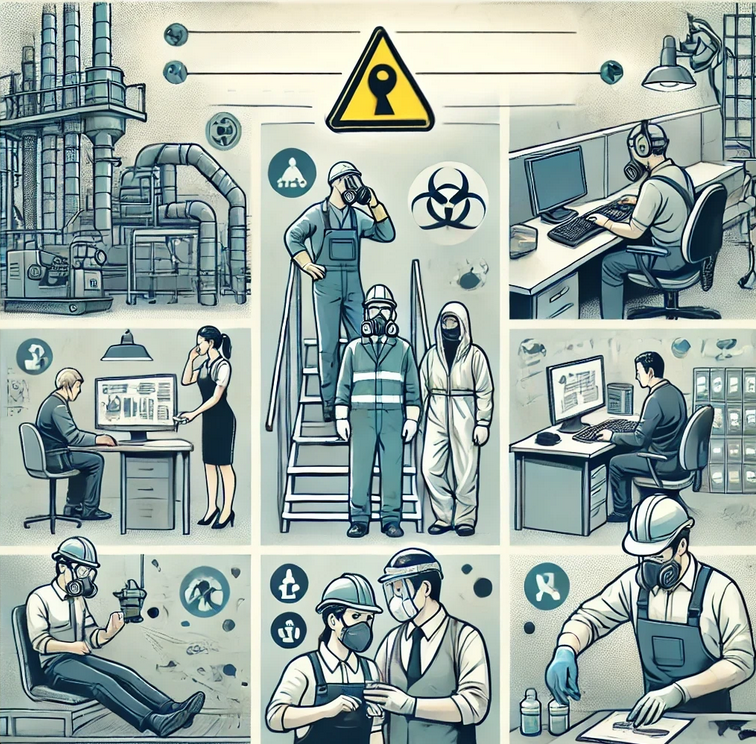
Protect Yourself: Occupational Diseases Prevention Guide
Table of Contents Protect Yourself: Occupational Diseases Prevention Guide The Need for Occupational Disease Prevention 1. Understanding Occupational Diseases Common Types of Occupational Diseases 2. Identifying Workplace Hazards Common Workplace Hazards 3. Strategies for Preventing Occupational Diseases 3.1. Implement Engineering Controls 3.2. Provide Personal Protective Equipment (PPE) 3.3. Enforce Administrative Controls 3.4. Conduct Regular Training…
-
Implementing Safety Training Programs
Table of Contents 4.1. Preparing for Training 4.2. Delivering Safety Training 4.3. Overcoming Challenges in Training Summary of Chapter 4 4.1. Preparing for Training The success of any safety training program depends heavily on the preparation that goes into it. Proper preparation ensures that the training runs smoothly, engages participants, and effectively conveys the necessary…
-
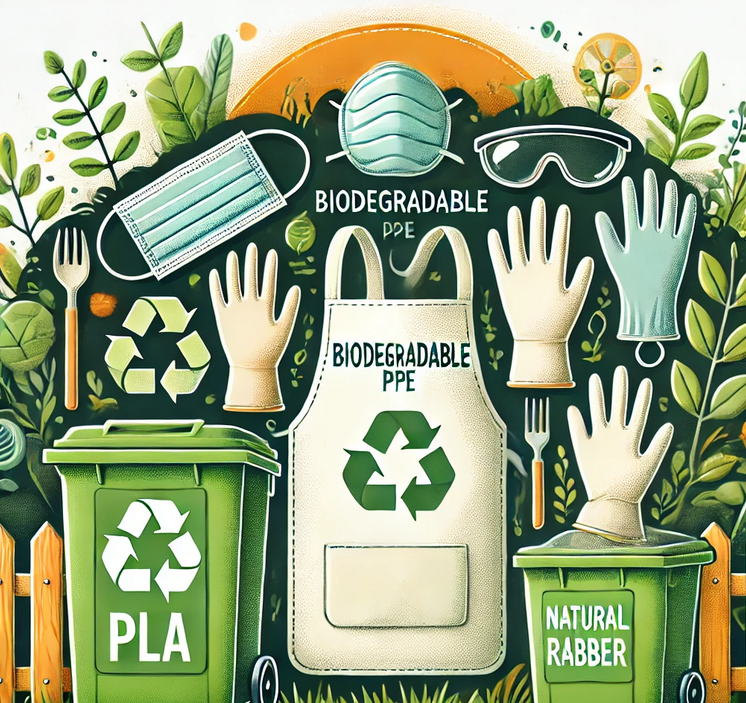
The Rise of Biodegradable PPE: Reducing Environmental Impact
Personal Protective Equipment (PPE) has become indispensable across industries, particularly in healthcare, construction, and manufacturing. However, the increased use of disposable PPE has raised significant environmental concerns, with billions of items discarded annually, contributing to plastic pollution. The rise of biodegradable PPE offers a sustainable alternative, reducing environmental impact while maintaining safety standards. Table of…
-
Why Workers Ignore Safety Signs (And How to Fix It) – Crucial Safety Insights
Why Workers Ignore Safety Signs is a pressing question that many health and safety professionals face. At first glance, it may seem baffling—signs are bold, clear, and designed to protect lives. Yet, incidents persist, and non-compliance continues. The answer lies not just in sign design but in psychology, culture, environment, and communication strategies. Table of…
-
Municipal and Public Works: OHSE Considerations for Snow Plow and Salting Crews
Municipal and Public Works: OHSE Considerations for Snow Plow and Salting Crews are at the heart of safe, efficient winter operations that protect workers, road users, and the community. Table of Contents Municipal and Public Works: OHSE Considerations for Snow Plow and Salting Crews Why OHSE considerations for snow plow and salting crews matter Planning…
-
Choosing the Right PPE for Chemical, Electrical, and Mechanical Hazards
Choosing the Right PPE for Chemical, Electrical, and Mechanical Hazards is critical to ensuring the safety and well-being of workers in industrial, construction, laboratory, and maintenance environments. Each of these hazards requires specific protective equipment, and selecting the wrong type can lead to severe injury, permanent damage, or even death. Personal Protective Equipment (PPE) serves…