-

Comprehensive Overview of Occupational Health, Safety, and Environment (OHSE)
Occupational Health, Safety, and Environment (OHSE) is a comprehensive approach that integrates the principles of health, safety, and environmental protection within the workplace. It encompasses the management of risks and the promotion of well-being to ensure a holistic approach to the welfare of individuals, the community, and the environment in and around workplaces. Occupational Health,…
-
🔥 Top 50 Major Questions and Answers – Safety Officer Exam Questions
Safety Officer Exam Questions : Are you preparing for an industrial Safety Officer exam? You’re in the right place. This comprehensive guide of 50 major Safety Officer Exam Questions and Answers will help you confidently tackle tests and interviews. From fundamentals to practical procedures, we’re covering it all to sharpen your preparation. Table of Contents…
-
Ensuring Occupational Health and Safety for Petrol Pump Workers
Petrol pump workers play a crucial role in ensuring the smooth operation of fuel distribution systems, but they are often exposed to unique occupational hazards. From managing flammable liquids to dealing with vehicle emissions and repetitive tasks, the risks associated with this line of work require comprehensive safety measures. This article explores the occupational health…
-
The Benefits of Having Plants in the Office Environment
Plants in the workplace have grown in popularity over the years, and for good reason. They not only add a touch of nature to otherwise sterile office spaces but also provide tangible benefits for employees and businesses alike. From improving air quality to boosting morale and productivity, office plants can create a more comfortable, inviting,…
-
CRSP exam blueprint study notes: Proven 7-Step Plan to Ace the CRSP
CRSP exam blueprint study notes aren’t just another study sheet—they’re your map. In 2025 the CRSP exam runs 190–210 multiple-choice questions in 4 hours, with 65–75% independent items and 25–35% case-based items. Questions span three cognitive levels: knowledge (15–20%), application (45–55%), and critical thinking (30–35%). The blueprint weights six domains, led by Safety Management Systems…
-
Elevator Safety and Types: Ensuring the Well-being of Technicians and Users
Elevators are an essential part of modern infrastructure, facilitating the movement of people and goods across multiple floors efficiently. However, the operation and maintenance of elevators come with specific safety challenges for both users and technicians. Understanding these challenges and implementing proper safety protocols is crucial. This article explores different types of elevators, common safety…
-
-
Risk Matrix vs Risk Register: The Crucial Difference You Must Know
Risk Matrix vs Risk Register : Understanding the tools used in risk management is essential for effective workplace safety. At the beginning of every safety planning process, professionals often use both a Risk Matrix and a Risk Register—but they serve very different purposes. Grasping their distinct roles can help organizations assess, prioritize, and mitigate hazards…
-
10 Key Components of an Effective OHSE Policy
Creating an effective Occupational Health, Safety, and Environment (OHSE) policy is essential for any organization aiming to ensure employee safety, comply with regulations, and promote environmental sustainability. A comprehensive OHSE policy provides clear guidelines for preventing workplace hazards and fostering a culture of safety and responsibility. Below are 10 key components that every effective OHSE…
-
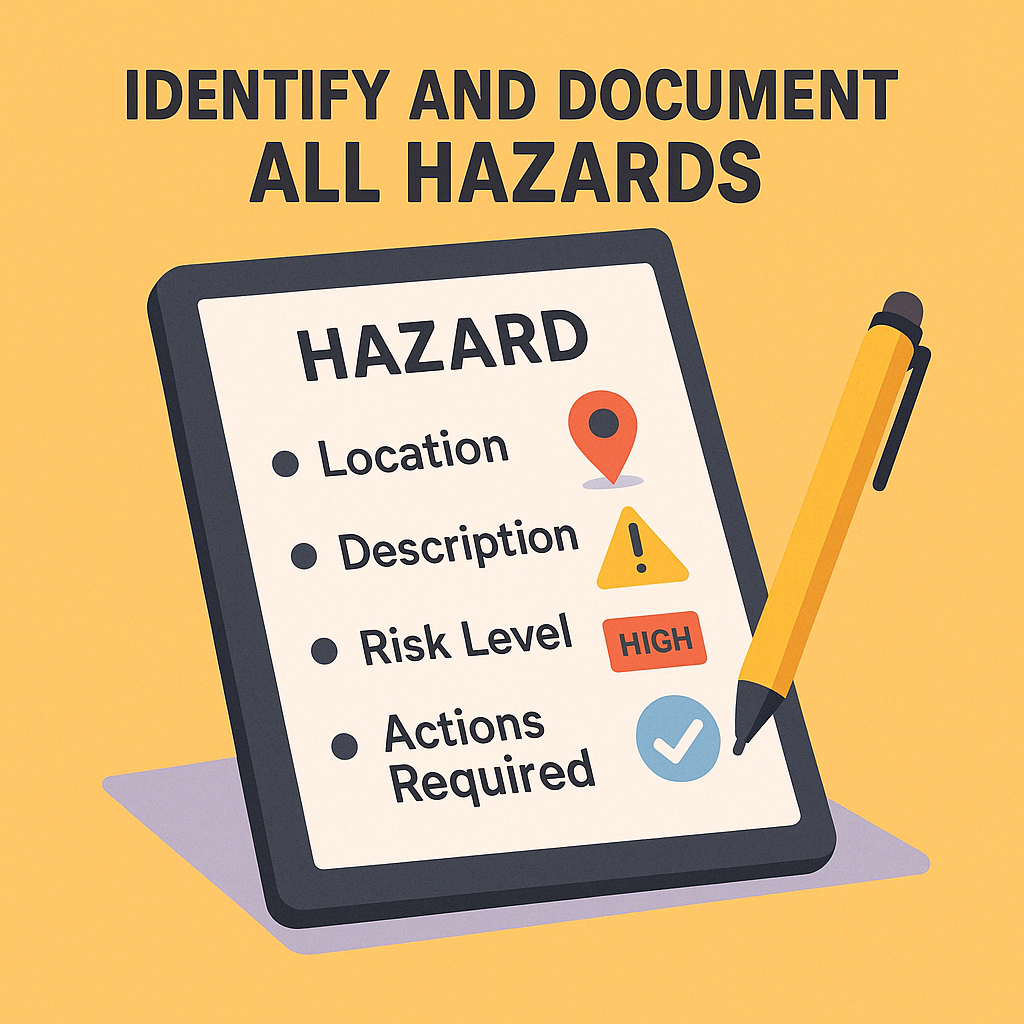
How to Conduct a Workplace Hazard Assessment Step by Step (Essential Guide)
Workplace Hazard Assessment is the foundation of occupational health and safety. At the beginning of every successful safety program is a structured approach to identifying potential risks before they cause harm. Table of Contents Workplace Hazard Assessment Why Workplace Hazard Assessment Matters Step 1: Understand the Types of Workplace Hazards Step 2: Review Past Incident…
-
30 Common Medical Job Abbreviations and Their Descriptions
Table of Contents 1. MD – Medical Doctor 2. DO – Doctor of Osteopathic Medicine 3. PA – Physician Assistant 4. NP – Nurse Practitioner 5. RN – Registered Nurse 6. RPN – Registered Practical Nurse 7. LPN – Licensed Practical Nurse 8. CNA – Certified Nursing Assistant 9. CRNA – Certified Registered Nurse Anesthetist…