-

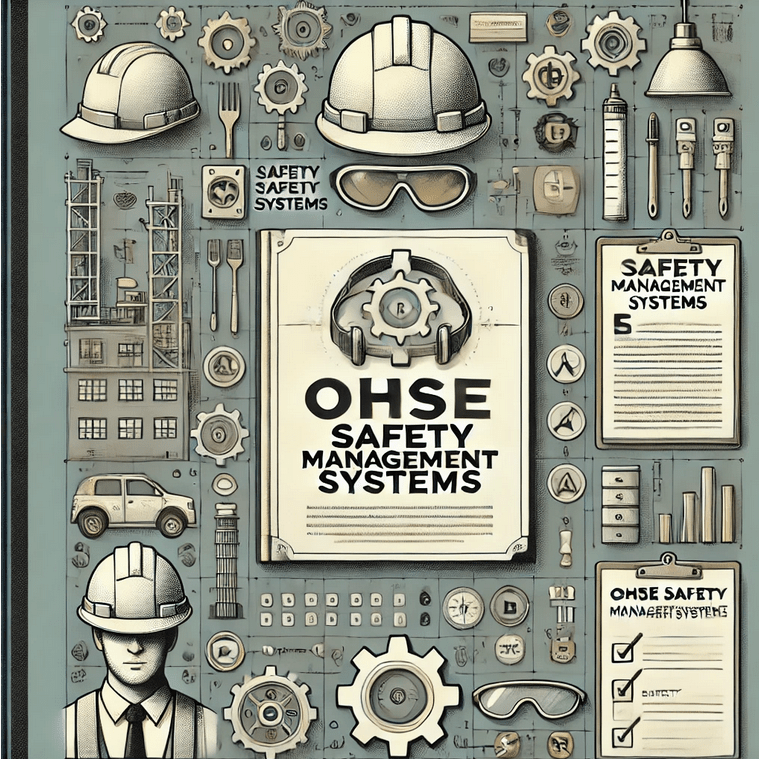
Comprehensive Overview of Occupational Health, Safety, and Environment (OHSE)
Occupational Health, Safety, and Environment (OHSE) is a comprehensive approach that integrates the principles of health, safety, and environmental protection within the workplace. It encompasses the management of risks and the promotion of well-being to ensure a holistic approach to the welfare of individuals, the community, and the environment in and around workplaces. Occupational Health,…
-
Unlocking Your True Potential: How to Find Your Voice as a Workplace Safety Leader
Table of Contents Voice as a Workplace Safety Leader : Finding your voice as a workplace safety leader is more than a personal journey—it’s a powerful step toward influencing organizational culture and ensuring workplace safety. 1. What Does It Mean to Have a Leadership Voice? 2. The Importance of a Safety Leadership Voice 1. Promotes…
-
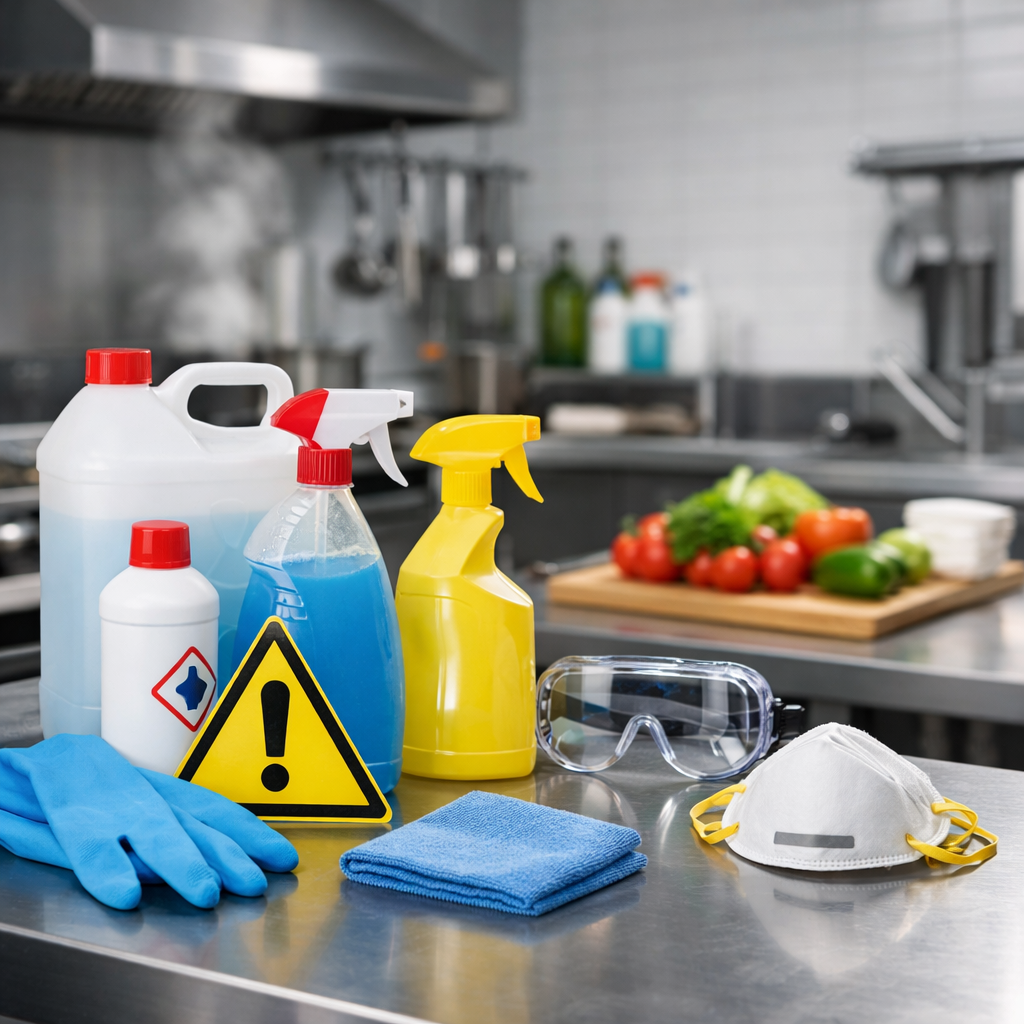
Cleaning Chemical Safety in Kitchens: Essential OHSE Practices for Safer Food Workspaces
Table of Contents Cleaning Chemical Safety in Kitchens: Essential OHSE Practices for Safer Food Workspaces Why Cleaning Chemical Safety in Kitchens Matters Risks and Hazards Associated With Cleaning Chemicals Exposure Risks in Daily Kitchen Tasks High-Risk Products and Incompatible Mixing Prevention and Control Measures for Cleaning Chemical Safety in Kitchens Apply the Hierarchy of Controls…
-
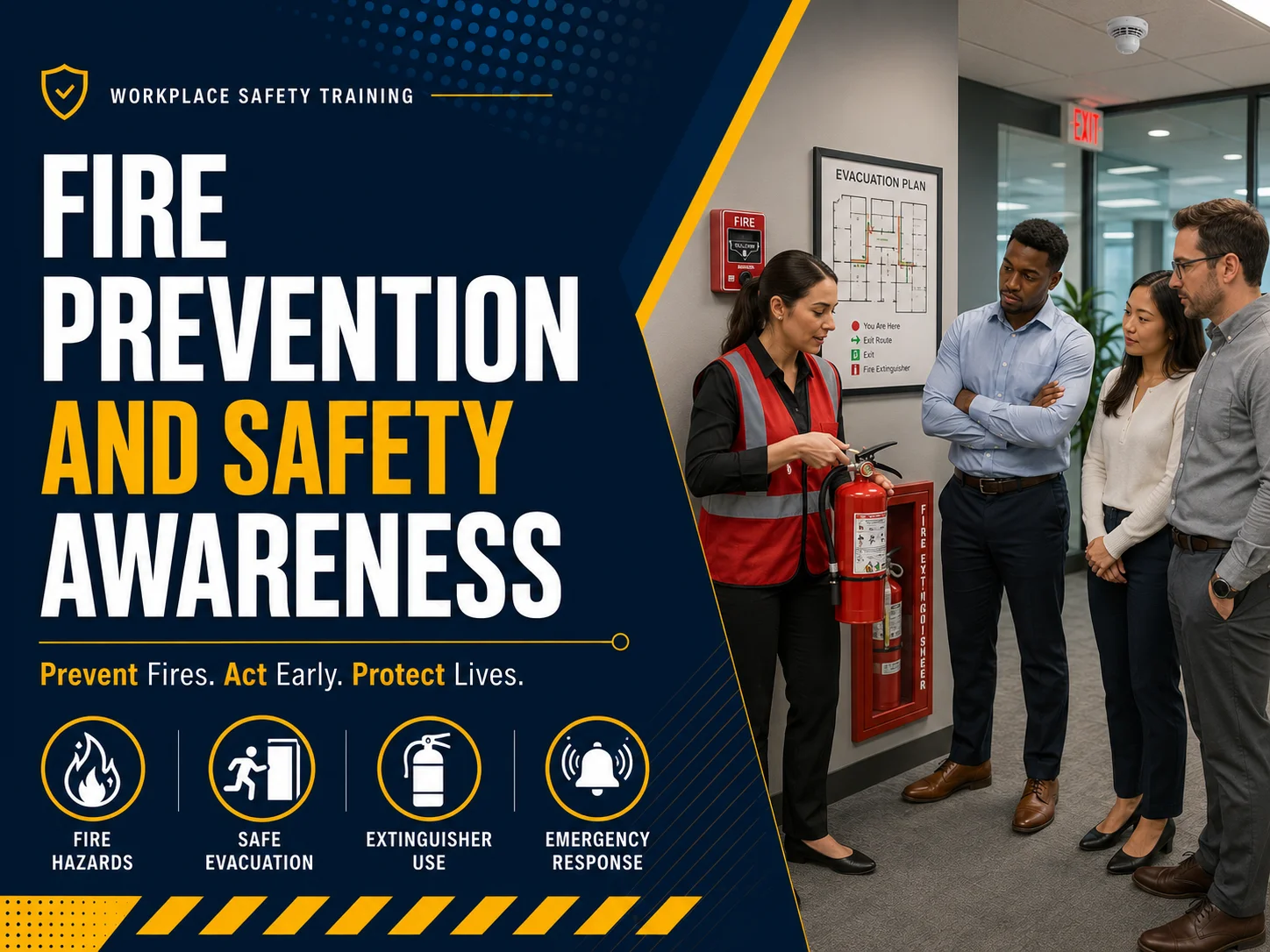
Fire Prevention and Safety Awareness
This course provides advanced knowledge on fire prevention and safety measures essential for all general workers. It covers fire hazards, prevention techniques, emergency response protocols, and safety equipment use. The course is designed to enhance workplace safety awareness but does not replace employer-specific or legally mandated training.
-
Incident Investigation and Corrective Actions
Table of Contents 7.1 Root Cause Analysis Techniques 7.2 Reporting and Recording Incidents 7.3 Developing and Implementing Corrective Actions 7.4 Lessons Learned and Knowledge Sharing 7.5 Case Studies and Best Practices Quiz: Incident Investigation and Corrective Actions Notes: 7.1 Root Cause Analysis Techniques Effective incident investigation is crucial for understanding the underlying causes of workplace…
-
Hard Hat Safety: The Ultimate Guide to Head Protection on the Job
Hard Hat safety is one of the most basic yet critical components of any occupational health and safety program. Whether you’re working on a construction site, in a warehouse, or in a utility zone, a hard hat is your first line of defense against head injuries from falling objects, bumps, or electrical hazards. Understanding the…
-
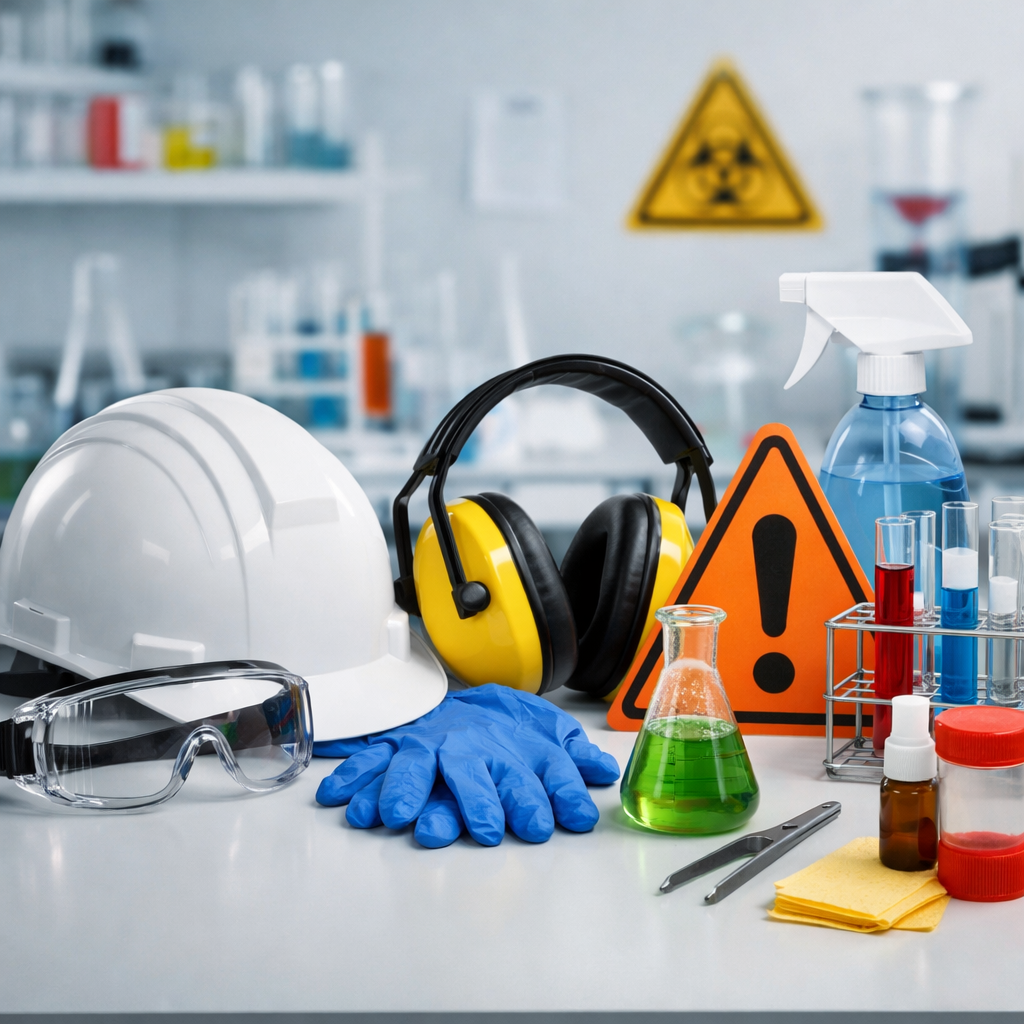
Why laboratory safety rules matter in chemical and biological work
Laboratory Safety Rules: Essential Practices for Chemical and Biological Work Laboratory safety rules are the foundation of safe chemical and biological work, whether the setting is a university teaching lab, a hospital research unit, a quality control department, or an industrial testing facility. When people understand hazards, use the right controls, and follow clear procedures,…
-
How to Develop a Workplace Safety Culture That Lasts (Proven Strategy)
A strong Workplace Safety Culture is more than policies and posters—it’s about the shared mindset that safety is everyone’s responsibility. Organizations that prioritize safety not only reduce accidents but also boost morale, retention, and productivity… If you’re wondering how to develop a workplace safety culture that lasts, this article provides a step-by-step guide supported by…
-
Why workplace wellness program ideas should support safety
Workplace Wellness Program Ideas That Support Safety and Stronger Teams Workplace wellness program ideas are most effective when they do more than promote healthy habits. They should also reduce risk, support alertness, strengthen morale, and make everyday work safer for everyone. When wellness and safety are treated as separate efforts, organizations often miss simple opportunities…
-
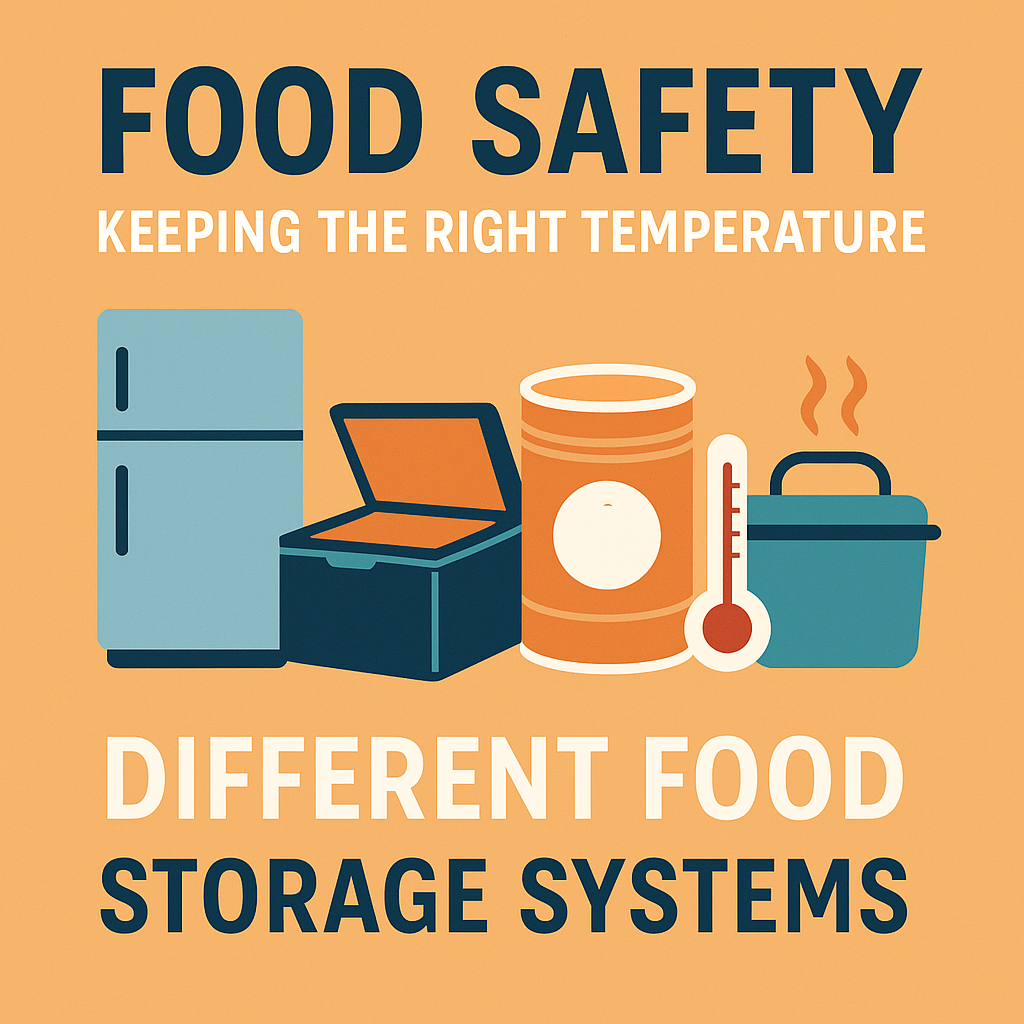
Food Safety Temperature: Keeping the Right Temperature with Storage Systems That Work
Food safety temperature is one of the most critical factors in preventing foodborne illnesses. Whether you’re running a commercial kitchen, food truck, daycare, or health facility, maintaining proper temperature in storage is key. A lapse in temperature control can cause dangerous bacterial growth, leading to contamination and health risks. This article dives deep into how…
-
Why Safety Helmets Are Essential for Construction Workers
Safety helmets are one of the most critical pieces of personal protective equipment (PPE) on construction sites. In an industry where workers face a multitude of hazards daily, including falling objects, head injuries, and electrical risks, helmets play a vital role in protecting workers from potentially life-threatening accidents. This article delves into the importance of…