
Laboratory Safety Rules: Essential Practices for Chemical and Biological Work
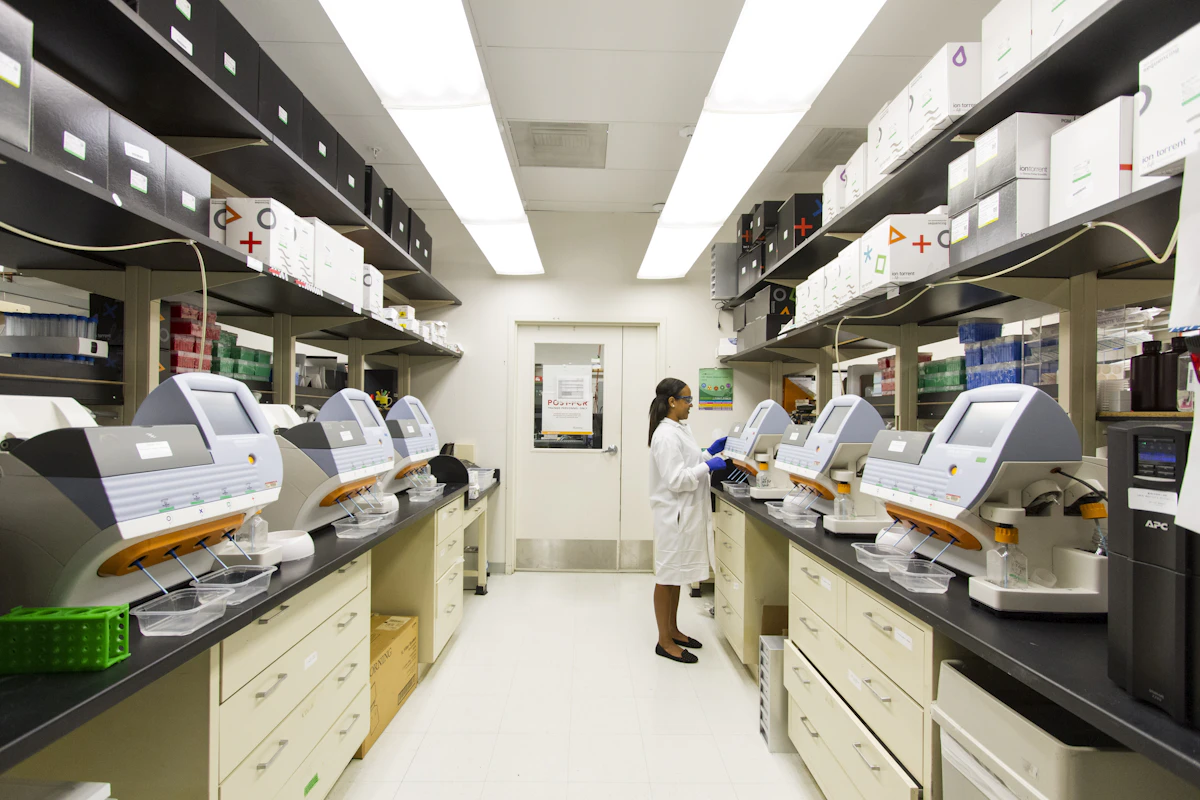
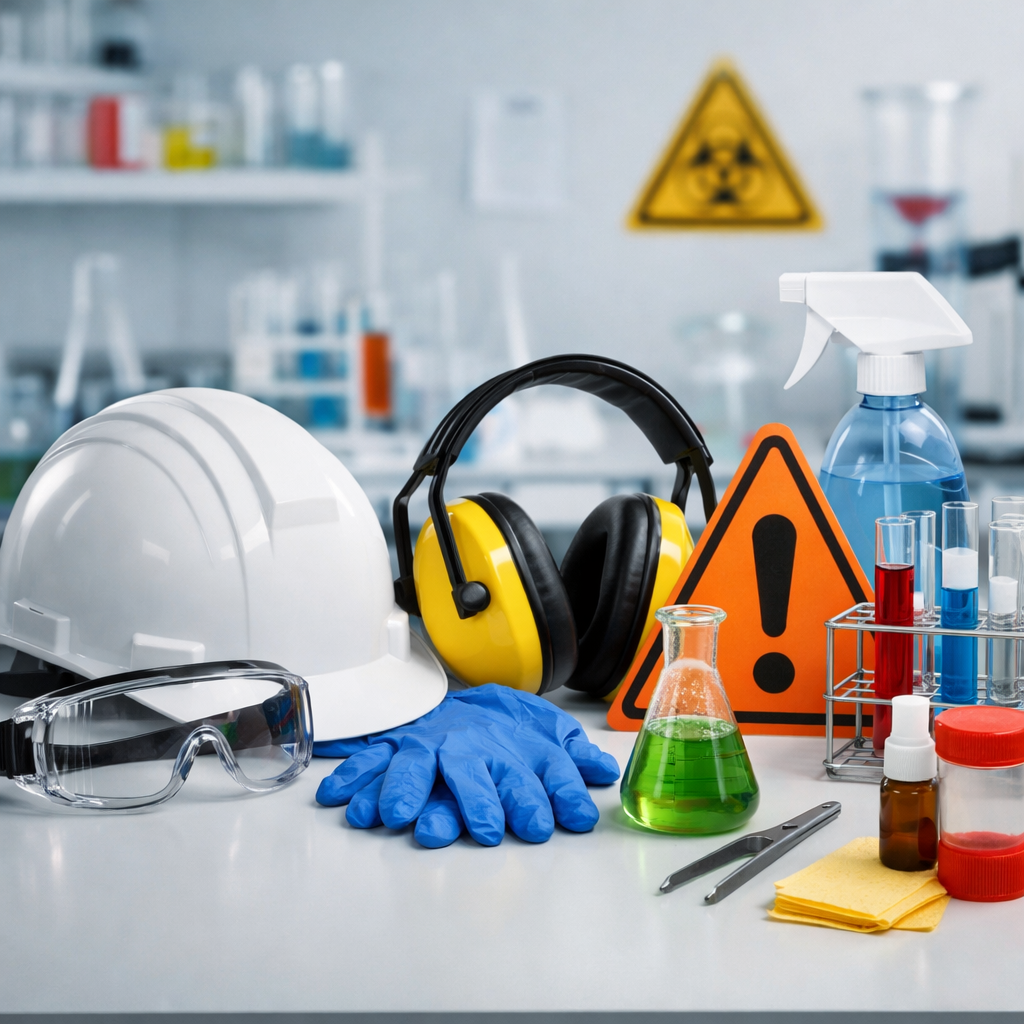
Laboratory safety rules are the foundation of safe chemical and biological work, whether the setting is a university teaching lab, a hospital research unit, a quality control department, or an industrial testing facility.
When people understand hazards, use the right controls, and follow clear procedures, they reduce the chance of injury, contamination, fires, spills, and costly mistakes.
Good lab safety is not only about wearing a lab coat and goggles. It also involves planning experiments, labeling materials correctly, handling waste properly, and responding quickly when something goes wrong.
In both academic and workplace laboratories, safety depends on training, supervision, communication, and consistent habits. Standards and guidance from organizations such as OSHA and CCOHS reinforce the same message: hazards must be identified before work begins, and controls must match the level of risk.
- Why laboratory safety rules matter in chemical and biological work
- Core laboratory safety rules before any task begins
- Laboratory safety rules for personal protection and daily behavior
- Laboratory safety rules for handling chemicals, biological materials, and waste
- Building a stronger safety culture with laboratory safety rules
Why laboratory safety rules matter in chemical and biological work
Chemical and biological hazards are different, but they often exist in the same workplace. A chemist may work with flammable solvents, corrosive acids, or toxic powders, while a biology technician may handle blood samples, bacterial cultures, sharps, or contaminated surfaces.
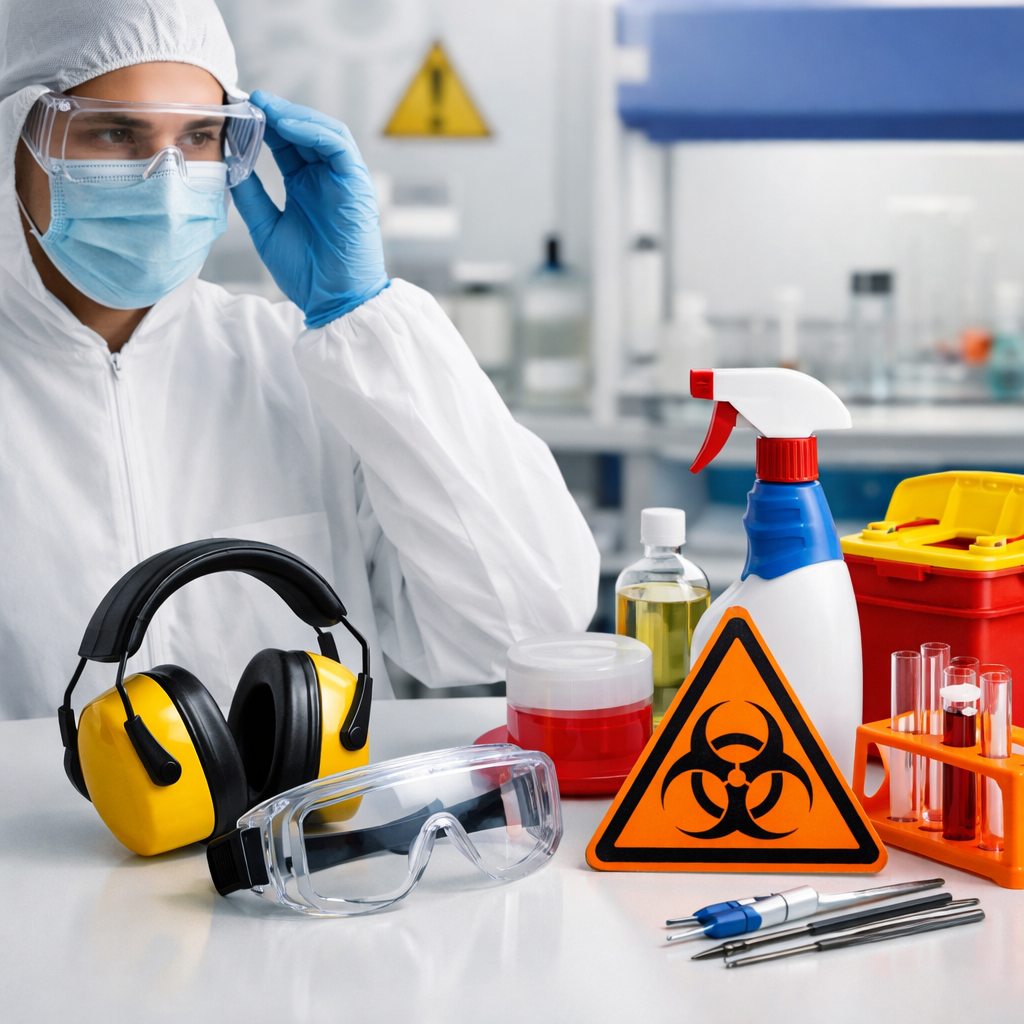
In many labs, these risks overlap. For example, a pharmaceutical lab may use strong cleaning chemicals near biological samples, while a teaching lab may have students transferring acids and culturing microorganisms in adjacent work areas.
That is why laboratory safety rules must be practical, easy to follow, and based on real tasks. Safe practices protect workers, students, visitors, samples, equipment, and the environment.
They also support legal compliance and business continuity. A spill, exposure event, or fire can stop operations, damage reputation, and lead to regulatory action.
If your organization is reviewing procedures, it helps to align them with other workplace systems such as risk assessment procedures and incident reporting practices.
Core laboratory safety rules before any task begins
Start with hazard identification and risk assessment
Before opening a reagent bottle or handling a sample, workers should know what could cause harm. This means reviewing safety data sheets, biological risk information, standard operating procedures, and equipment instructions.
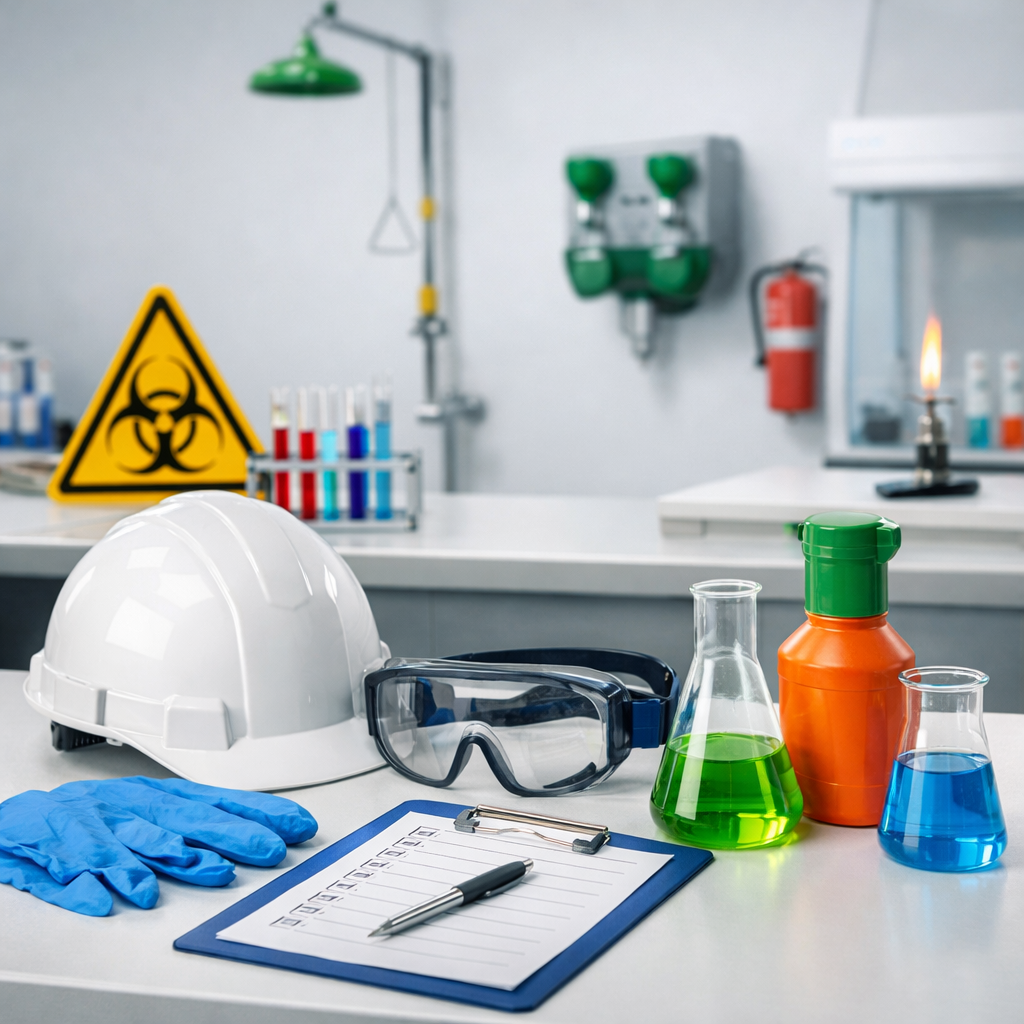
A simple risk assessment should consider exposure routes, quantity, concentration, temperature, pressure, and the possibility of splashes, aerosols, or spills. In teaching labs, instructors should explain the main hazards before each session. In workplace labs, supervisors should confirm that procedures reflect actual tasks and current materials.
Apply the Hierarchy of Controls
One of the most useful ways to manage risk is the Hierarchy of Controls. Instead of relying only on personal protective equipment, labs should first consider whether a hazard can be removed or reduced at the source.
- Elimination: Remove an unnecessary hazardous step or material.
- Substitution: Use a less toxic chemical or a nonpathogenic organism where possible.
- Engineering controls: Use fume hoods, biosafety cabinets, splash guards, ventilated storage, and safety interlocks.
- Administrative controls: Provide training, written procedures, signage, access limits, and scheduling controls.
- PPE: Use gloves, eye protection, lab coats, face shields, and suitable respiratory protection if required.
For example, if a procedure creates harmful vapors, a fume hood is a stronger control than simply telling staff to be careful. If biological work may generate aerosols, a properly certified biosafety cabinet is critical.
Know emergency equipment and reporting steps
Every worker should know the location of eyewash stations, safety showers, spill kits, fire extinguishers, first aid supplies, exits, and emergency contact numbers.
Just as important, they should know how and when to report incidents, near misses, and unsafe conditions. Quick reporting can prevent repeat events and improve controls across the whole lab.
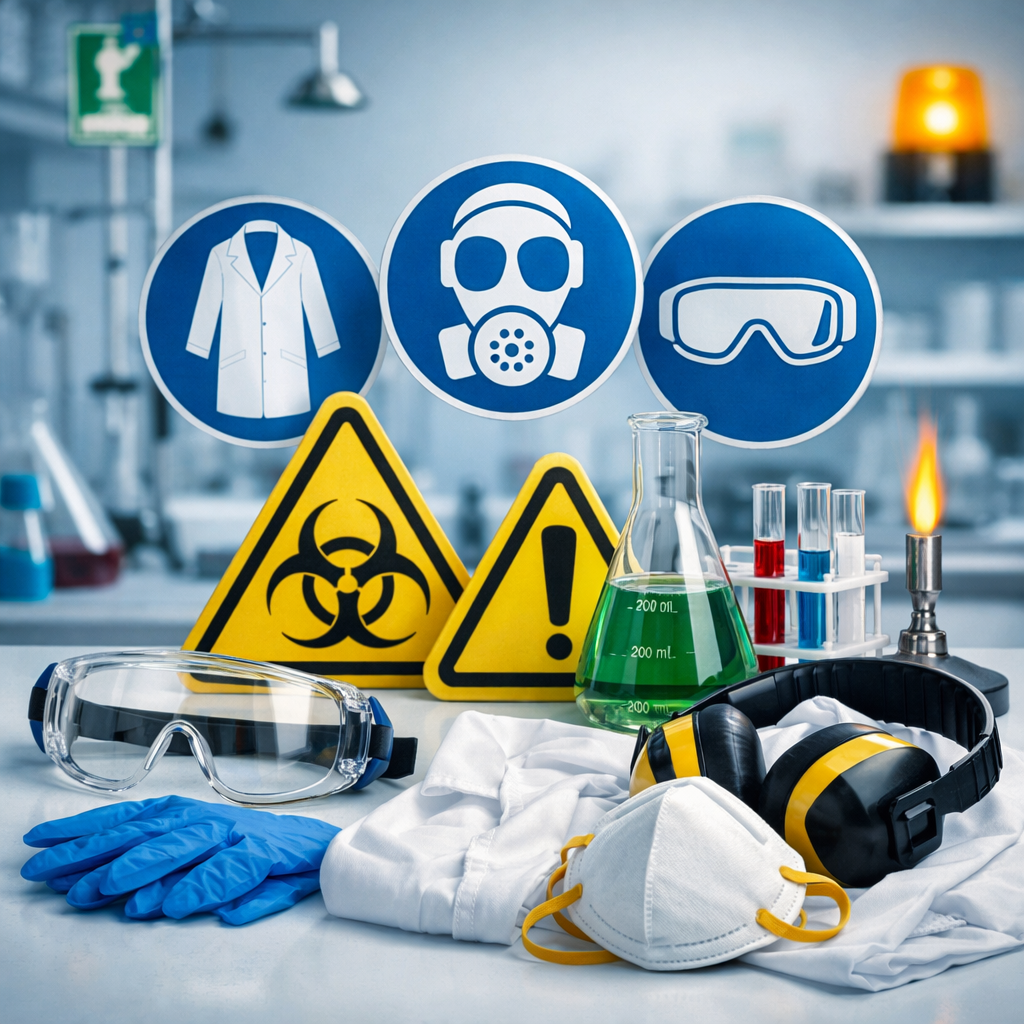
Laboratory safety rules for personal protection and daily behavior
Many incidents happen during routine work, not unusual emergencies. That is why daily habits are a major part of effective laboratory safety rules.
Clothing and personal protective equipment should match the task. Closed-toe shoes, tied-back hair, and properly fitted eye protection are basic expectations in most labs. Gloves must be chosen for compatibility, not just convenience, and they should be changed when contaminated.
Food, drinks, cosmetics, and contact lens handling should never take place in active laboratory areas. Mouth pipetting is strictly unacceptable. Personal items such as phones should be kept away from contaminated benches unless the lab has a defined cleaning protocol.
Housekeeping also matters. Clear benches reduce mix-ups and spills. Containers should always be labeled with contents, hazards, date, and responsible person where required. Unlabeled containers are one of the most common and avoidable lab safety failures.
Behavior around others is equally important. Running, joking during hazardous tasks, or distracting a coworker handling needles or corrosives can quickly lead to injury. In academic labs, students should never work unsupervised if training or authorization is incomplete. In industry, lone work policies may restrict certain after-hours procedures involving toxic gases, open flames, or infectious materials.
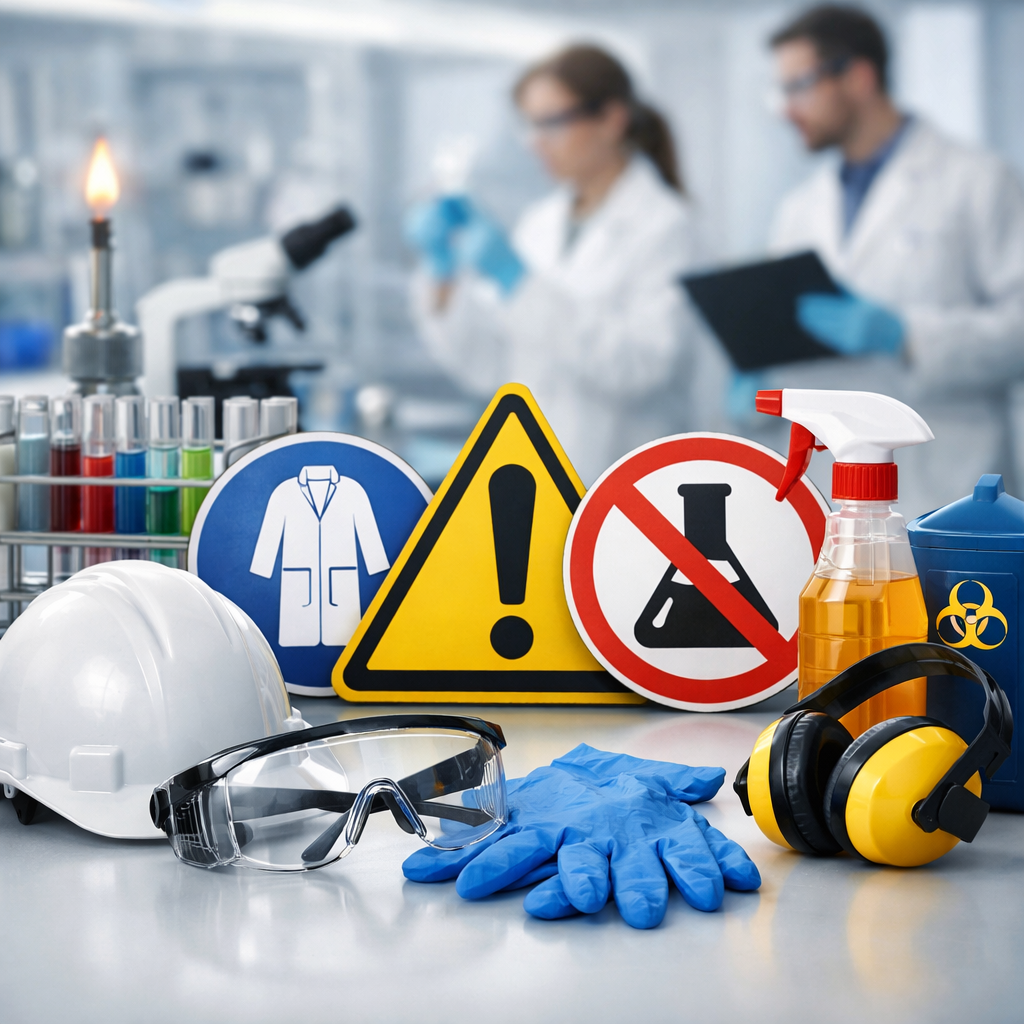
Laboratory safety rules for handling chemicals, biological materials, and waste
Chemical safety basics
Chemicals should be stored by compatibility, not alphabetically alone. Acids, bases, oxidizers, flammables, and water-reactive substances may need separate storage. Flammable liquids belong in approved cabinets when quantities and regulations require it.
When transferring chemicals, use the smallest practical amount and suitable secondary containment. Volatile, corrosive, or toxic substances should be handled in a fume hood. Workers should also understand specific incompatibilities, such as bleach mixing dangerously with certain acids or ammonia-containing products.
Biological safety basics
Biological work requires careful attention to contamination control. Hand hygiene, disinfection, sharps handling, and proper specimen containment are essential. Procedures that may create aerosols, such as vortexing, centrifuging, or pipetting infectious material, should use controls such as sealed rotors or biosafety cabinets.
In clinical, research, and teaching settings, workers should follow the biosafety level and institutional procedure that matches the organism or material. Surfaces should be disinfected with an agent effective for the biological hazard involved, not just any general cleaner.
Waste segregation and disposal
Waste must never be treated as an afterthought. Chemical waste, biohazard waste, broken glass, sharps, and general waste all require separate handling. Incorrect disposal increases the risk to cleaning staff, waste contractors, and the wider environment.
| Waste type | Common example | Basic control measure |
|---|---|---|
| Chemical waste | Used solvent or acid solution | Label clearly and store in compatible waste containers |
| Biohazard waste | Contaminated culture plates or gloves | Use designated biohazard bags and approved treatment or disposal |
| Sharps | Needles, blades, broken contaminated glass | Place immediately in puncture-resistant sharps containers |
| General lab waste | Clean packaging or paper towels | Dispose only if not chemically or biologically contaminated |
Detailed disposal requirements may vary by region and institution, so it is important to check local rules and current guidance such as the resources available from the CDC laboratory safety pages.
Building a stronger safety culture with laboratory safety rules
The best laboratory safety rules are not just written in a manual. They are visible in daily decisions, supervision, maintenance, and communication. A strong safety culture means workers feel responsible for their own actions and comfortable speaking up about hazards.
Managers and principal investigators should model safe behavior, provide refresher training, and make sure workloads do not encourage shortcuts. Equipment such as eyewash stations, fume hoods, autoclaves, and biosafety cabinets should be inspected and maintained on schedule.
Regular drills and short safety discussions can make a real difference. For example, reviewing what to do after a splash exposure or how to respond to a small solvent spill helps staff react calmly under pressure. In academic labs, this can improve student confidence and reduce preventable mistakes. In workplace labs, it supports compliance, efficiency, and trust.
It is also useful to review incidents for patterns. Repeated glove failures, mislabeled samples, or overcrowded storage may point to system issues rather than individual carelessness. Corrective actions should focus on better controls, clearer procedures, and practical retraining.
In the end, laboratory safety rules protect more than individual workers. They support reliable science, product quality, regulatory compliance, and public health. Whether you work with solvents, blood samples, cultures, or mixed laboratory processes, consistent safety rules create a safer and more professional environment for everyone.
No comments yet