-

Comprehensive Overview of Occupational Health, Safety, and Environment (OHSE)
Occupational Health, Safety, and Environment (OHSE) is a comprehensive approach that integrates the principles of health, safety, and environmental protection within the workplace. It encompasses the management of risks and the promotion of well-being to ensure a holistic approach to the welfare of individuals, the community, and the environment in and around workplaces. Occupational Health,…
-
Door Systems: Environmental Health & Safety (EHS) in the Workplace
Door systems are a crucial part of workplace infrastructure, serving as entry points, security barriers, and emergency exits. Properly designed and maintained doors enhance safety, security, energy efficiency, and accessibility, while poorly managed door systems can lead to workplace injuries, security breaches, fire hazards, and environmental concerns. To mitigate risks, businesses must adopt comprehensive door…
-
Elevator Safety and Types: Ensuring the Well-being of Technicians and Users
Elevators are an essential part of modern infrastructure, facilitating the movement of people and goods across multiple floors efficiently. However, the operation and maintenance of elevators come with specific safety challenges for both users and technicians. Understanding these challenges and implementing proper safety protocols is crucial. This article explores different types of elevators, common safety…
-
Safe Browsing and Email Practices
Table of Contents Overview: Learning Objectives: 4.1 Browsing Safely on the Internet 4.2 Recognizing Suspicious Websites 4.3 Safe Email Practices 4.4 Protecting Online Privacy 4.5 Safe Use of Public Wi-Fi Key Takeaways: Overview: In this module, we will explore how to browse the internet safely and recognize email-based cyber threats. The internet is full of…
-
Appendices
Table of Contents Appendix A: Glossary of Terms Appendix B: OHSE Regulatory Resources Appendix C: Templates and Tools for OHSE Management Appendix D: Further Reading and References Appendix A: Glossary of Terms (Continue defining any relevant terms that have been used throughout the textbook.) Appendix B: OHSE Regulatory Resources (Include additional regulatory bodies relevant to…
-
75 Catchy Healthcare Safety Slogans for a Healthy Workplace
Creating a safe workplace is vital in the healthcare sector, where employees and patients are at the forefront of operations. Safety slogans are a powerful tool to promote awareness and remind everyone about the importance of health and safety. Below is a curated list of 75 catchy healthcare safety slogans designed to inspire and motivate.…
-
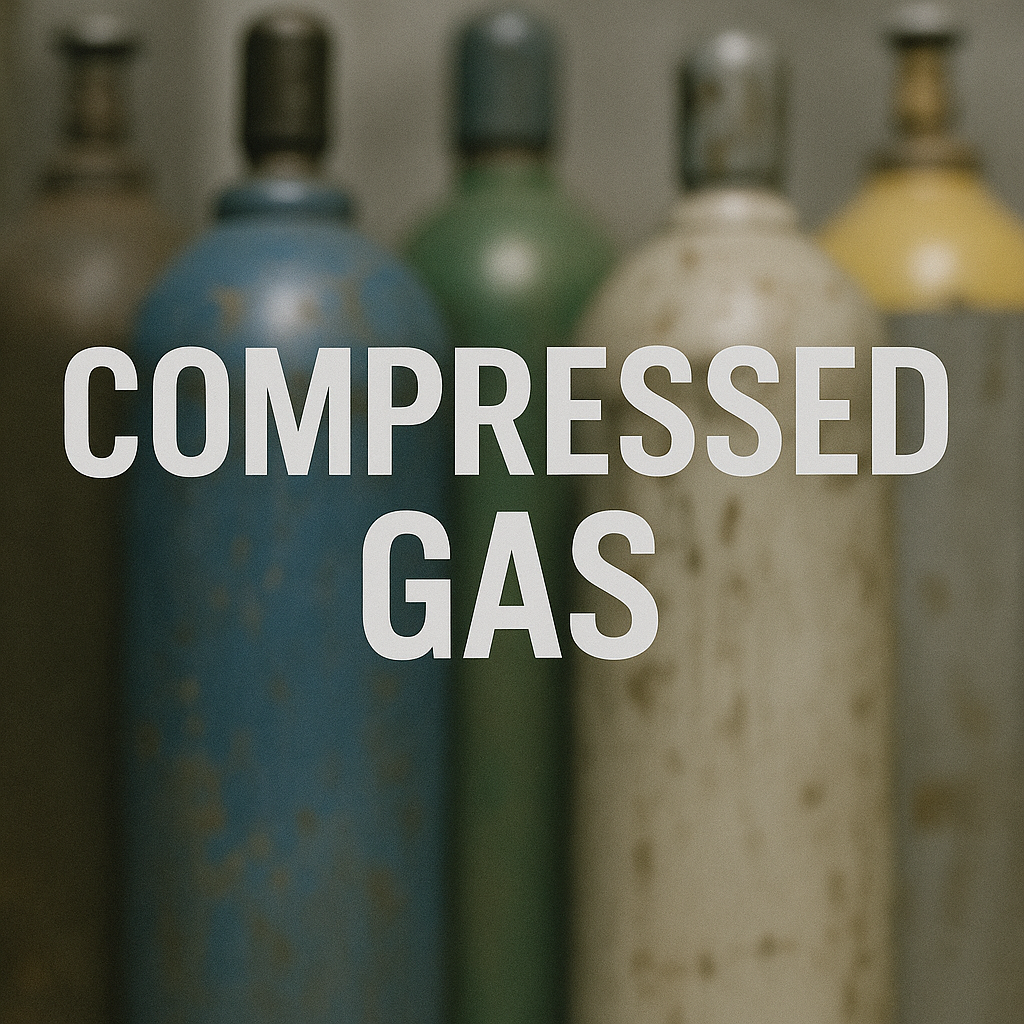
Safe Use of Compressed Gas Cylinders in the Workplace: A Must-Know Guide
Compressed Gas Cylinders : Safe Use of Compressed Gas Cylinders in the Workplace is critical for maintaining a hazard-free environment in manufacturing, laboratories, welding, construction, healthcare, and countless other industries. These cylinders may look stable, but if mishandled, they can become explosive missiles or release toxic gases, posing serious risks to life and property. Employers…
-
Safety on Stairs: Vital Tips to Prevent Falls and Injuries
Safety on stairs is a critical but often overlooked part of overall workplace and home safety. Slips, trips, and falls are among the leading causes of injuries in both residential and occupational settings, and stairs are a common hazard zone. From poor lighting to cluttered steps, many factors contribute to stair-related accidents. Thankfully, these are…
-
Essential OHSE (Occupational Health, Safety, and Environment) FAQs: Objectives, Goals, and Key Concepts
Q: What are the objectives of OHSE?A: The objectives of OHSE (Occupational Health, Safety, and Environment) are to ensure the safety and well-being of employees, minimize workplace accidents, prevent work-related illnesses, and reduce environmental impacts caused by workplace activities. Q: What does OHS stand for?A: OHS stands for Occupational Health and Safety, focusing on promoting…
-
Lifting Smarter, Not Harder: Manual Handling Safety in Construction
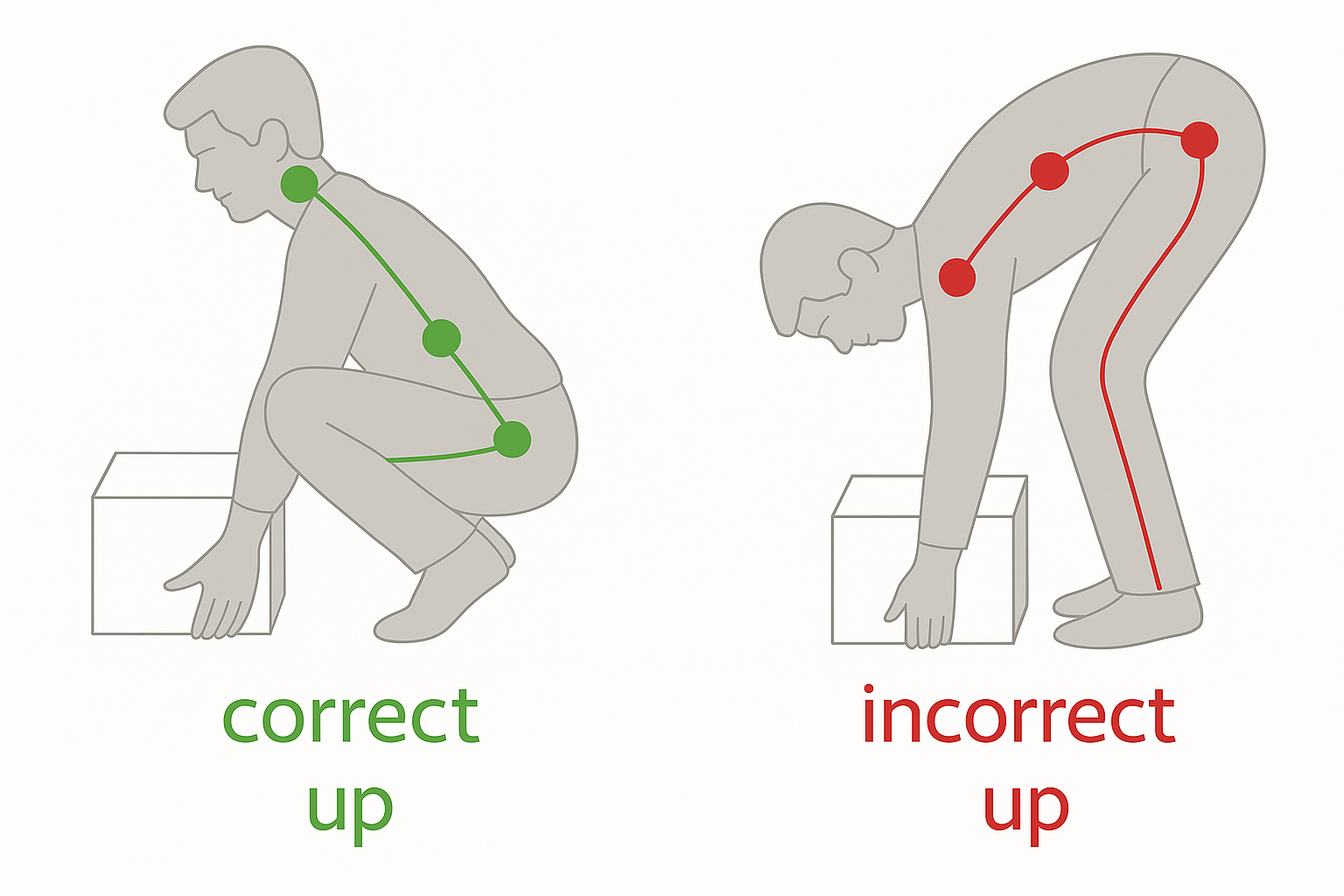
Manual handling safety in construction is a critical component of injury prevention that often goes overlooked. Construction workers are frequently exposed to lifting, carrying, pushing, and pulling heavy loads, which, when done improperly, can result in severe musculoskeletal injuries. According to the Canadian Centre for Occupational Health and Safety (CCOHS), manual material handling is one…
-
Maintaining Equipment in Freezing Conditions: Winterization Best Practices
Maintaining Equipment in Freezing Conditions: Winterization Best Practices Operating equipment in freezing temperatures presents unique challenges that can lead to breakdowns, inefficiencies, and safety hazards. Maintaining equipment in freezing conditions with proper winterization best practices ensures smooth operations, longevity, and safety. This guide outlines essential strategies for winterizing equipment to keep it functioning effectively during…