-

Comprehensive Overview of Occupational Health, Safety, and Environment (OHSE)
Occupational Health, Safety, and Environment (OHSE) is a comprehensive approach that integrates the principles of health, safety, and environmental protection within the workplace. It encompasses the management of risks and the promotion of well-being to ensure a holistic approach to the welfare of individuals, the community, and the environment in and around workplaces. Occupational Health,…
-
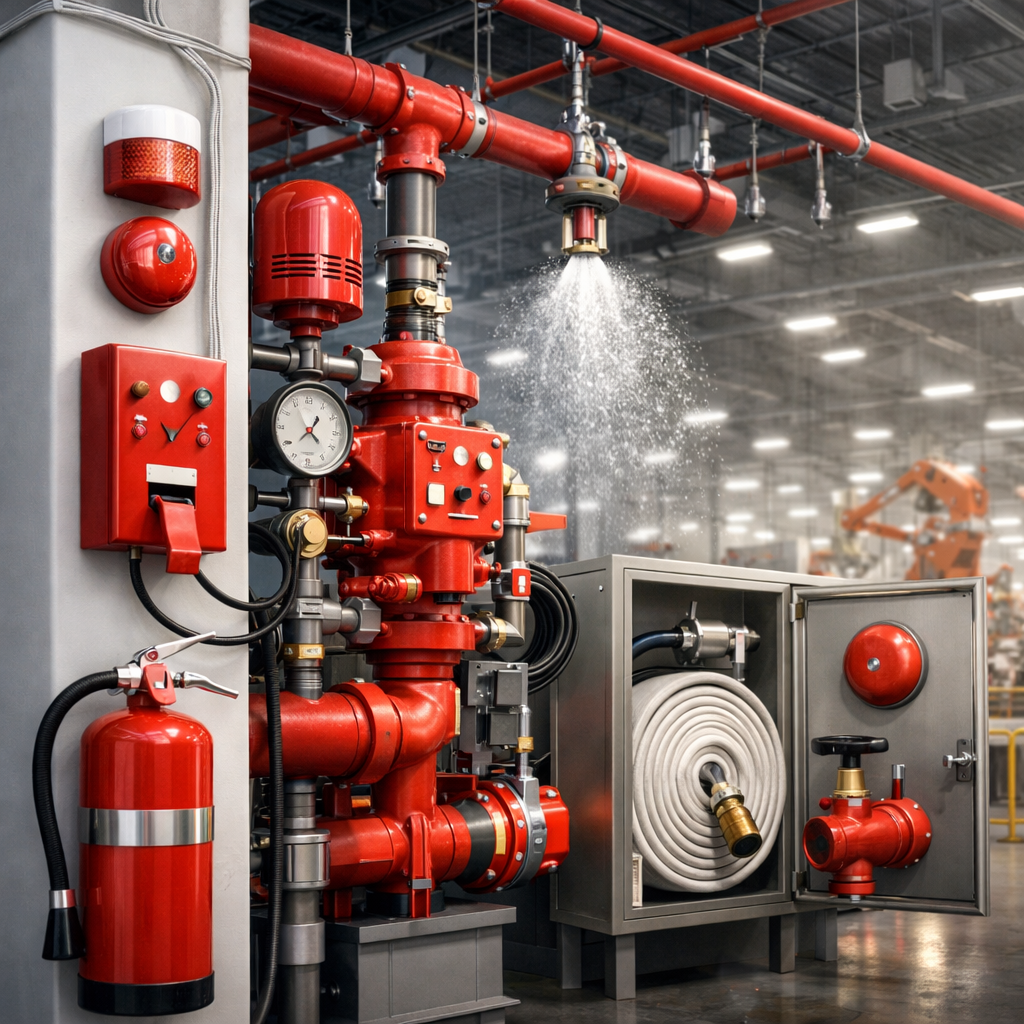
Why factory fire prevention systems matter in industrial workplaces
factory fire prevention systems: OHSE Strategies That Protect People, Property, and Production Factory fire prevention systems are a critical part of occupational health, safety, and environmental management in industrial workplaces. They help reduce the chance of ignition, limit fire spread, protect workers, and support business continuity when hazards cannot be eliminated completely. In factories, fire…
-
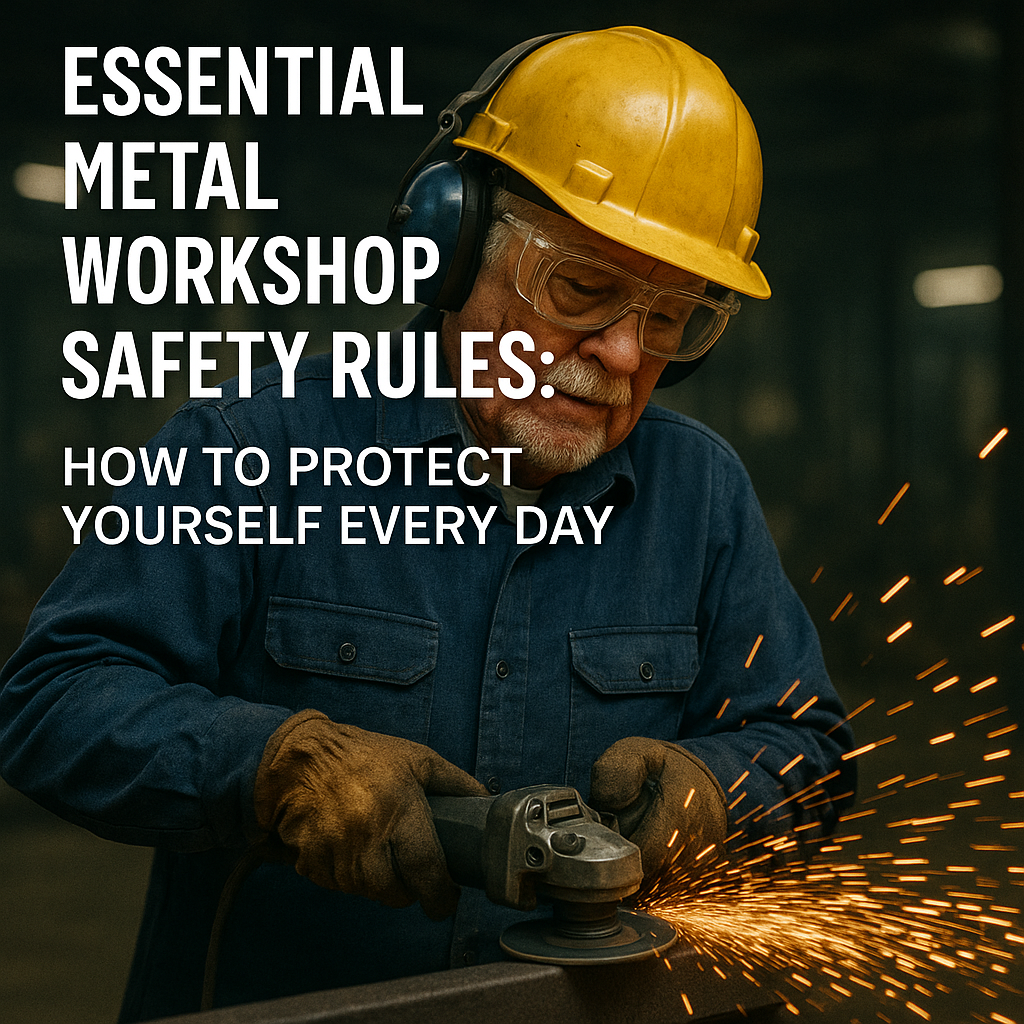
10 Essential Metal Workshop Safety Rules: How to Protect Yourself Every Day
At the beginning of every metalworking project, your most important tool isn’t a grinder or a welder — it’s metal workshop safety. Following strict safety protocols not only protects your body but also preserves the quality of your work and ensures a long, successful career. Whether you’re cutting, welding, grinding, or polishing, understanding and applying…
-
What is Safety in the Workplace?
Safety in the workplace refers to the measures, policies, and practices put in place to ensure the well-being of employees while performing their duties. It encompasses preventing physical harm, creating a secure environment, and fostering mental health and emotional well-being. Workplace safety is a critical aspect of organizational success, as it ensures that employees feel…
-
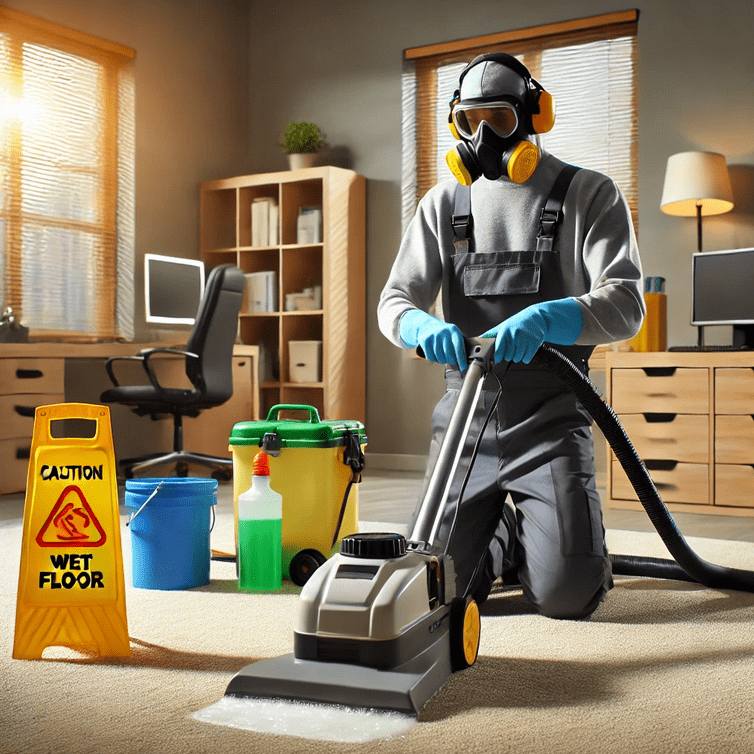
Carpet Cleaning Safety: Essential Tips and Hazards to Avoid
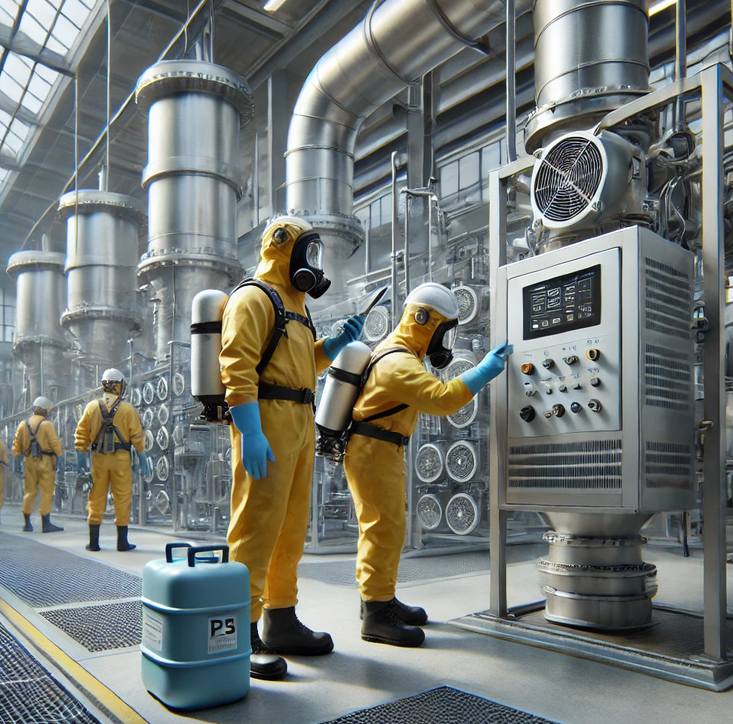
Carpet cleaning, whether done in residential, commercial, or industrial settings, comes with specific safety concerns. Workers in the cleaning industry must be aware of the potential hazards to avoid accidents and maintain safety standards. This article outlines essential safety tips and common hazards associated with carpet cleaning, offering both preventative measures and advice on safe…
-
Fire Extinguishers : Download PASS Poster
Fire extinguishers are essential safety tools designed to combat small fires before they escalate into larger, uncontrollable emergencies. However, owning or having access to a fire extinguisher isn’t enough; knowing how to use it correctly can make all the difference in a critical moment. This is where the PASS technique comes into play—a simple, four-step…
-
Strengthening Occupational Health and Safety in India
As India continues to emerge as a global manufacturing hub, the importance of safeguarding workers’ health and safety is paramount. Despite the rapid industrialization, the current occupational health and safety (OHS) provisions in Indian law remain insufficient. This article delves into the critical gaps in OHS in India and outlines necessary reforms to protect workers…
-
13 Industrial Hygiene Practices for Reducing Workplace Illness
Industrial hygiene practices play a critical role in reducing workplace illness by identifying, evaluating, and controlling environmental factors that can harm employees’ health. By implementing these practices, employers can create safer work environments, minimize absenteeism, and enhance overall productivity. Table of Contents Importance of Industrial Hygiene Practices in the Workplace Key Benefits of Industrial Hygiene…
-
Why leading indicators in safety matter more than counting injuries alone
Leading Indicators in Safety That Predict Better Outcomes Leading indicators in safety help organizations spot risk before an injury, spill, equipment failure, or regulatory violation occurs. Instead of waiting for bad outcomes to reveal weak controls, safety leaders can use early warning signals to improve training, supervision, maintenance, and worker engagement. That matters in every…
-
Top Infection Control Protocols Every Healthcare Worker Must Follow
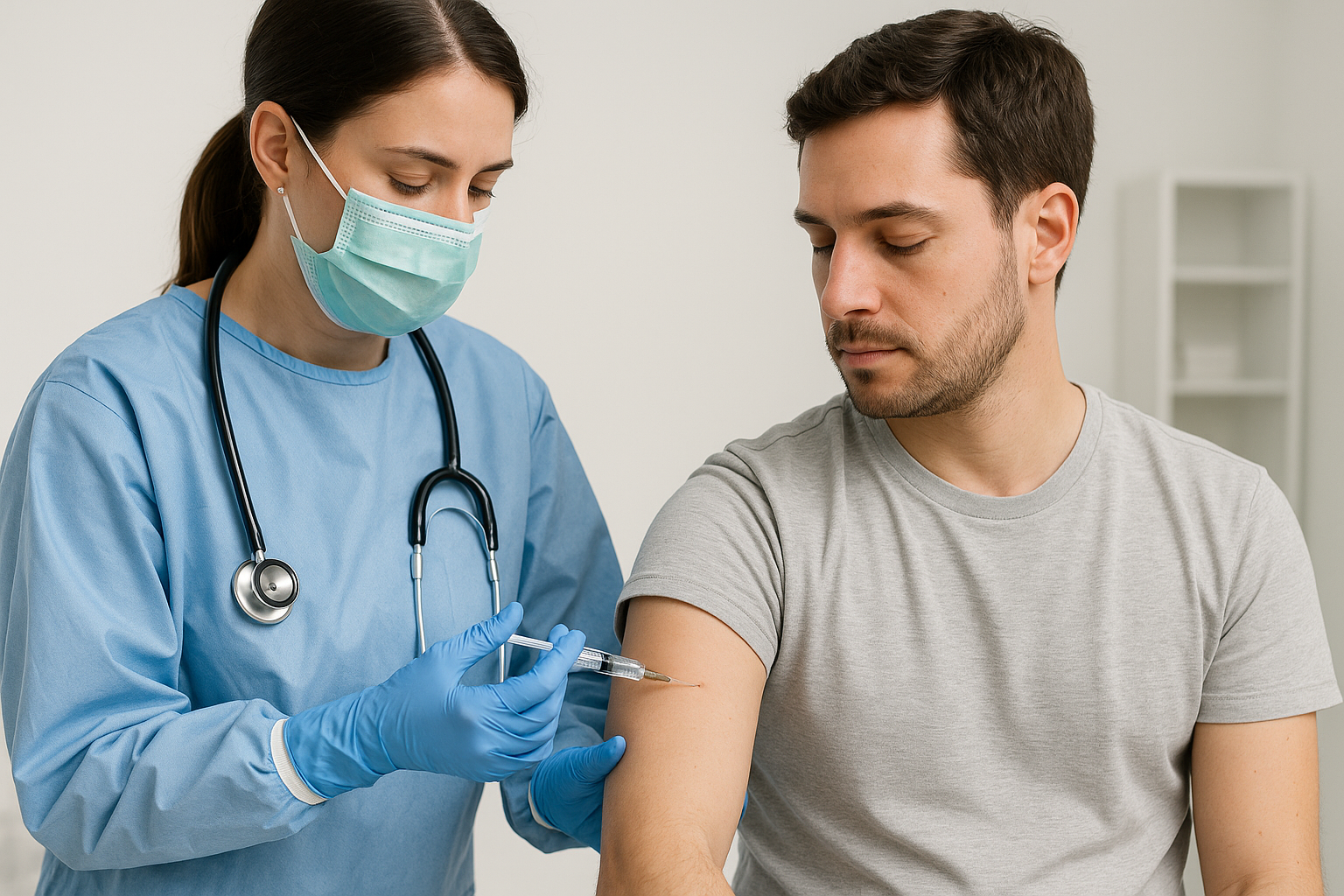
Top Infection Control Protocols are essential in every healthcare setting, not only to protect patients but to safeguard healthcare workers themselves. Infection prevention is not just about individual hygiene—it’s a system-wide responsibility involving PPE, sterilization, waste management, and administrative controls. With healthcare-associated infections (HAIs) still affecting 1 in 31 hospital patients on any given day,…
-
Top 10 Emergency Supplies Every Workplace Needs
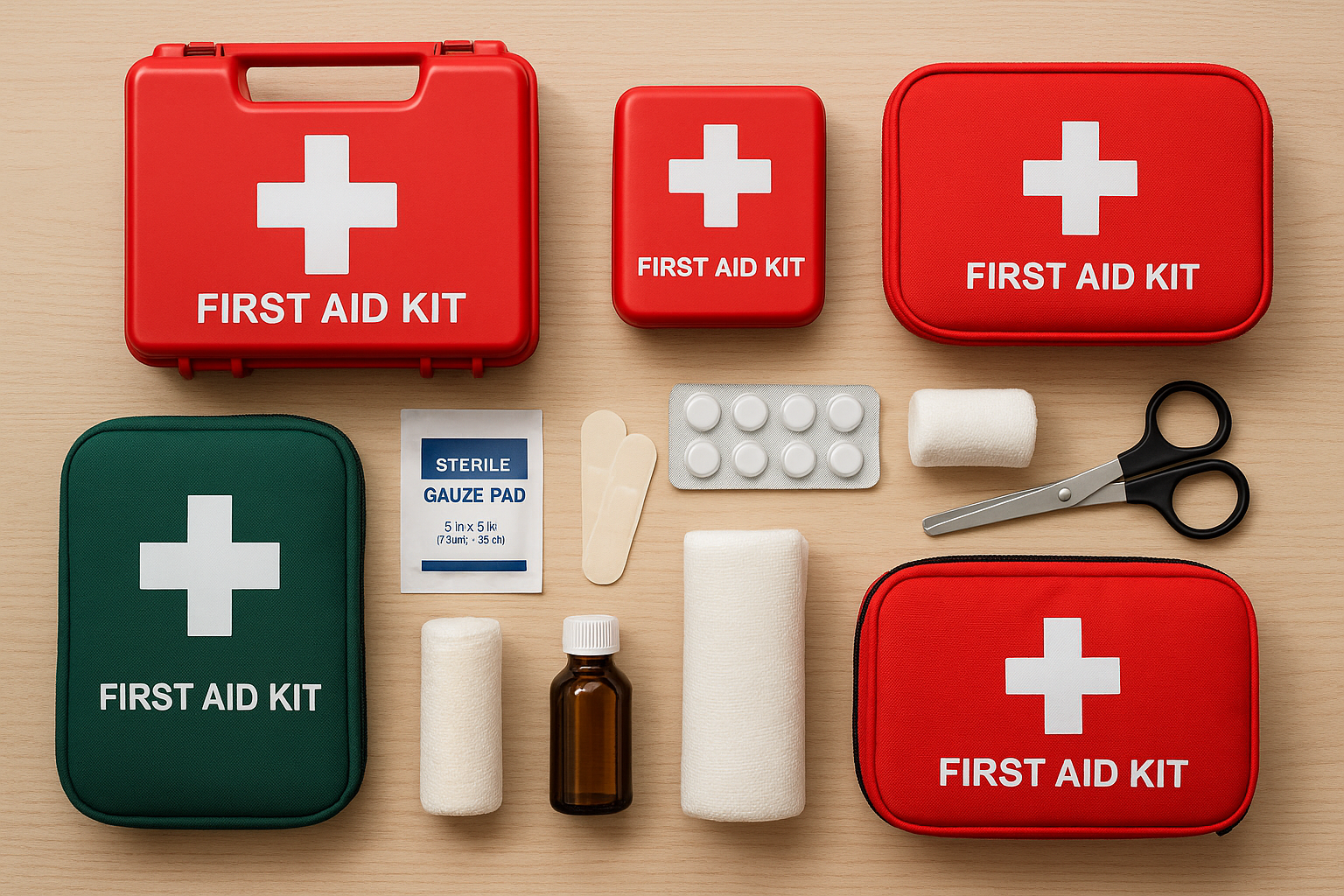
Top 10 Emergency Supplies Every Workplace Needs – Emergencies are not a matter of “if” but “when.” Whether it’s a fire, power outage, chemical spill, or medical crisis, having the right emergency supplies on hand can save lives and minimize panic. Table of Contents Top 10 Emergency Supplies 1. First Aid Kits 2. Fire Extinguishers…