-

Comprehensive Overview of Occupational Health, Safety, and Environment (OHSE)
Occupational Health, Safety, and Environment (OHSE) is a comprehensive approach that integrates the principles of health, safety, and environmental protection within the workplace. It encompasses the management of risks and the promotion of well-being to ensure a holistic approach to the welfare of individuals, the community, and the environment in and around workplaces. Occupational Health,…
-
From Stress to Success: Managing Psychological Hazards in the Workplace
Workplace safety is often associated with physical hazards, but one of the most pervasive and overlooked risks is psychological hazards. These hazards can manifest as stress, burnout, anxiety, and other mental health issues, all of which can seriously affect employees’ well-being and productivity. In recent years, organizations have increasingly recognized the importance of addressing psychological…
-
Mastering Reliability Metrics – 7 Critical Steps to Mastering Reliability Metrics
Reliability metrics are the cornerstone of any robust maintenance and engineering program. By quantifying how often equipment fails and how quickly it can be restored, organizations can make data-driven decisions to minimize downtime, extend asset life, and optimize maintenance budgets. Two of the most essential metrics in this realm are Mean Time Between Failures (MTBF)…
-
OSHA’s Top 10 Most Frequently Cited Violations: How to Avoid Them
Every year, the Occupational Safety and Health Administration (OSHA) publishes its list of the top 10 most frequently cited violations. This list serves as a critical reminder of the hazards most commonly encountered in workplaces. Understanding and addressing these violations is essential for ensuring worker safety, maintaining compliance, and avoiding costly fines. Here, we delve…
-
Why industrial equipment inspection routines matter in OHSE
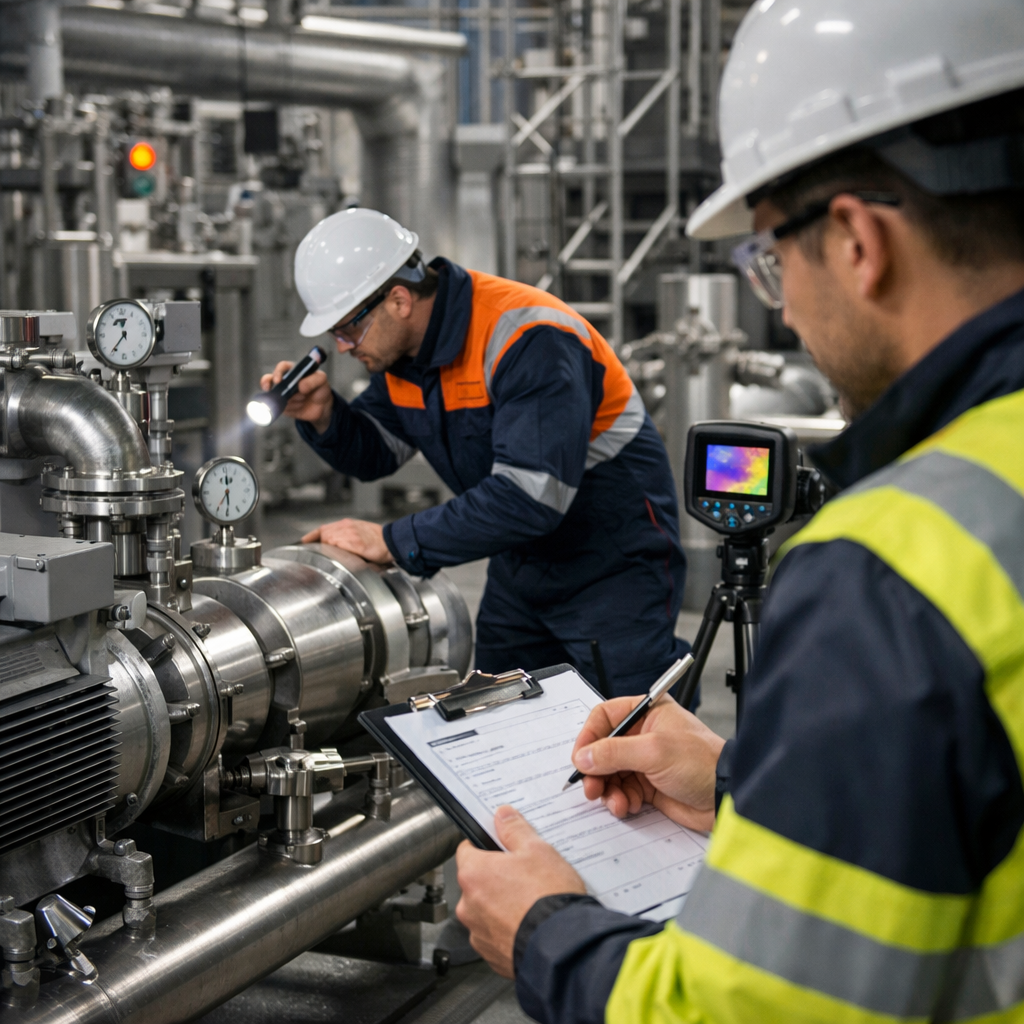
industrial equipment inspection routines: Building Safer, Compliant, and More Reliable Workplaces industrial equipment inspection routines are one of the most practical ways to reduce workplace injuries, prevent equipment failure, and support OHSE compliance in industrial settings. Whether a site operates forklifts, conveyors, pressure systems, pumps, cranes, or machine tools, a structured inspection process helps identify…
-
The Importance of Sleep in Occupational Health and Safety
Sleep is often overlooked as a key factor in workplace safety, but it plays a crucial role in maintaining alertness, decision-making, and overall health. Fatigue resulting from insufficient sleep can significantly increase the risk of accidents and injuries. This article explores the relationship between sleep and workplace safety, the dangers of fatigue, and strategies to…
-
Electrical Safety Quiz (25 Questions)
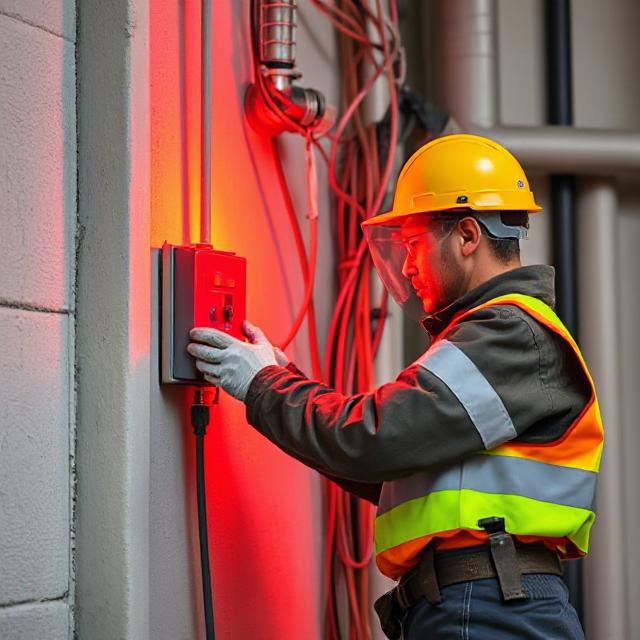
Electrical Safety Quiz : Electricity powers our workplaces, but it also presents hidden dangers that can cause serious injury or even death if not respected. From overloaded circuits to improper PPE use, electrical hazards are one of the most common workplace safety issues worldwide. That’s why we’ve created a 25-question Electrical Safety Quiz to help…
-
Planning and Policy Development
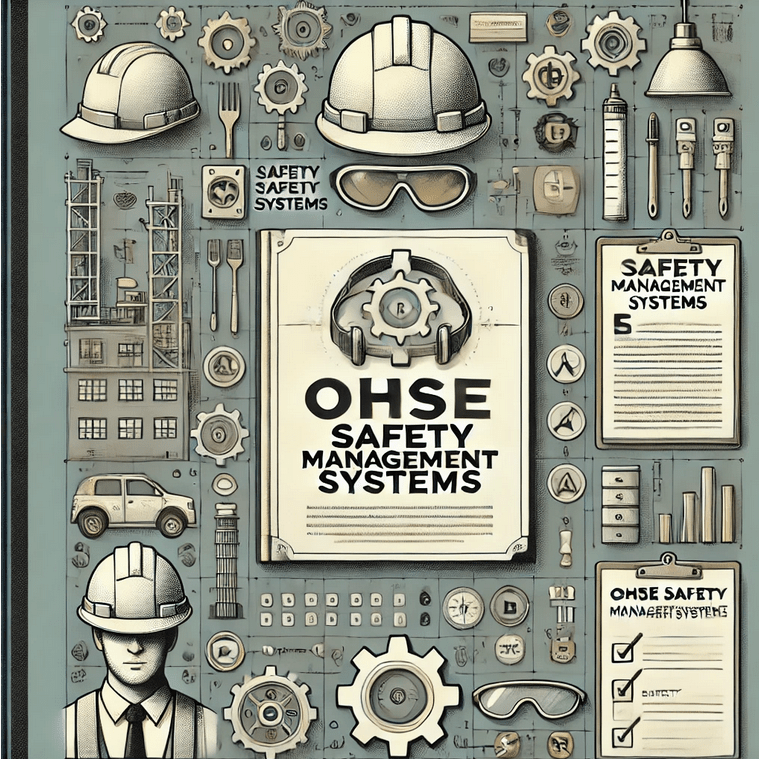
Table of Contents 3.1 Developing a Safety Policy 3.2 Setting Safety Objectives and Targets 3.3 Risk Management and Hazard Identification 3.4 Integration with Other Management Systems 3.5 Strategic Planning for Safety Quiz: Planning and Policy Development Notes: 3.1 Developing a Safety Policy A well-crafted safety policy serves as the cornerstone of an effective Safety Management…
-
10 Health & Safety Takeaways from the Cannabis Industry
As the cannabis industry continues to grow rapidly, so do the health and safety considerations unique to this emerging field. Cannabis cultivation, processing, and retail environments present their own set of hazards, making occupational health and safety (OHS) a critical focus for employers and workers. By adopting best practices from other industries and implementing industry-specific…
-
Protective Gear for Mining: What You Need to Know
Mining is one of the most hazardous industries globally, with workers facing risks such as cave-ins, explosions, and exposure to harmful substances. Protective gear is a critical line of defense, ensuring miners’ safety in these challenging environments. This article provides an in-depth look at essential protective gear for mining, key considerations for its use, and…
-
Occupational Health, Safety, and Environment (OHSE) in the Manufacturing Industry
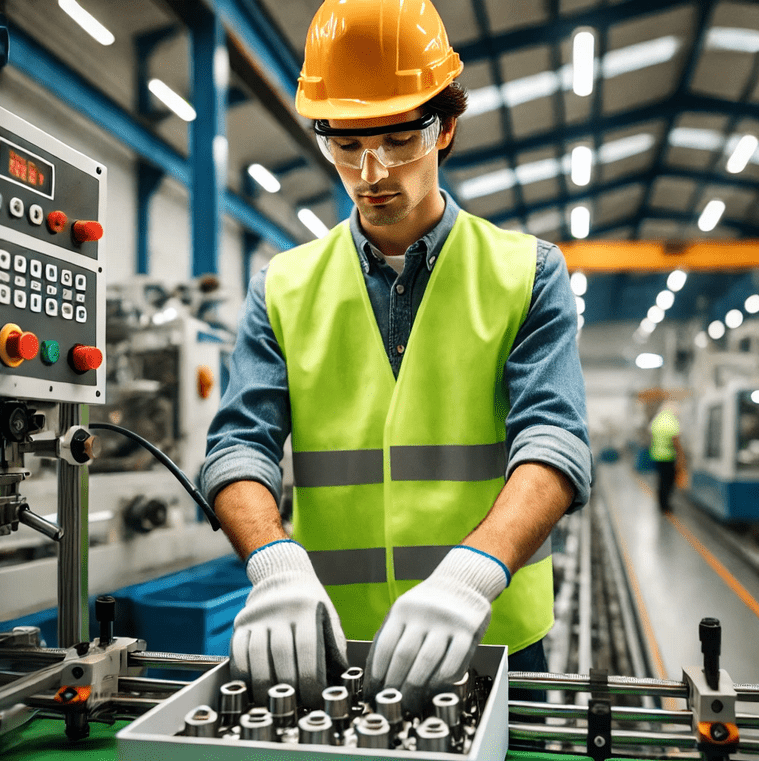
The manufacturing industry is vital to economic growth and development, but it is also one of the most hazardous sectors for workers. With the use of heavy machinery, exposure to hazardous materials, and physically demanding tasks, workers in manufacturing face significant risks daily. Occupational Health, Safety, and Environment (OHSE) practices are essential to ensure worker…