-

Comprehensive Overview of Occupational Health, Safety, and Environment (OHSE)
Occupational Health, Safety, and Environment (OHSE) is a comprehensive approach that integrates the principles of health, safety, and environmental protection within the workplace. It encompasses the management of risks and the promotion of well-being to ensure a holistic approach to the welfare of individuals, the community, and the environment in and around workplaces. Occupational Health,…
-
How Can Occupational Safety and Health Be Managed? A Comprehensive Guide
How can occupational safety and health be managed? Managing occupational safety and health (OSH) effectively is crucial for protecting employees, ensuring compliance with regulations, and fostering a positive workplace culture. By implementing proactive strategies, organizations can minimize workplace hazards, improve employee well-being, and enhance productivity. This article explores actionable steps, best practices, and tools for…
-
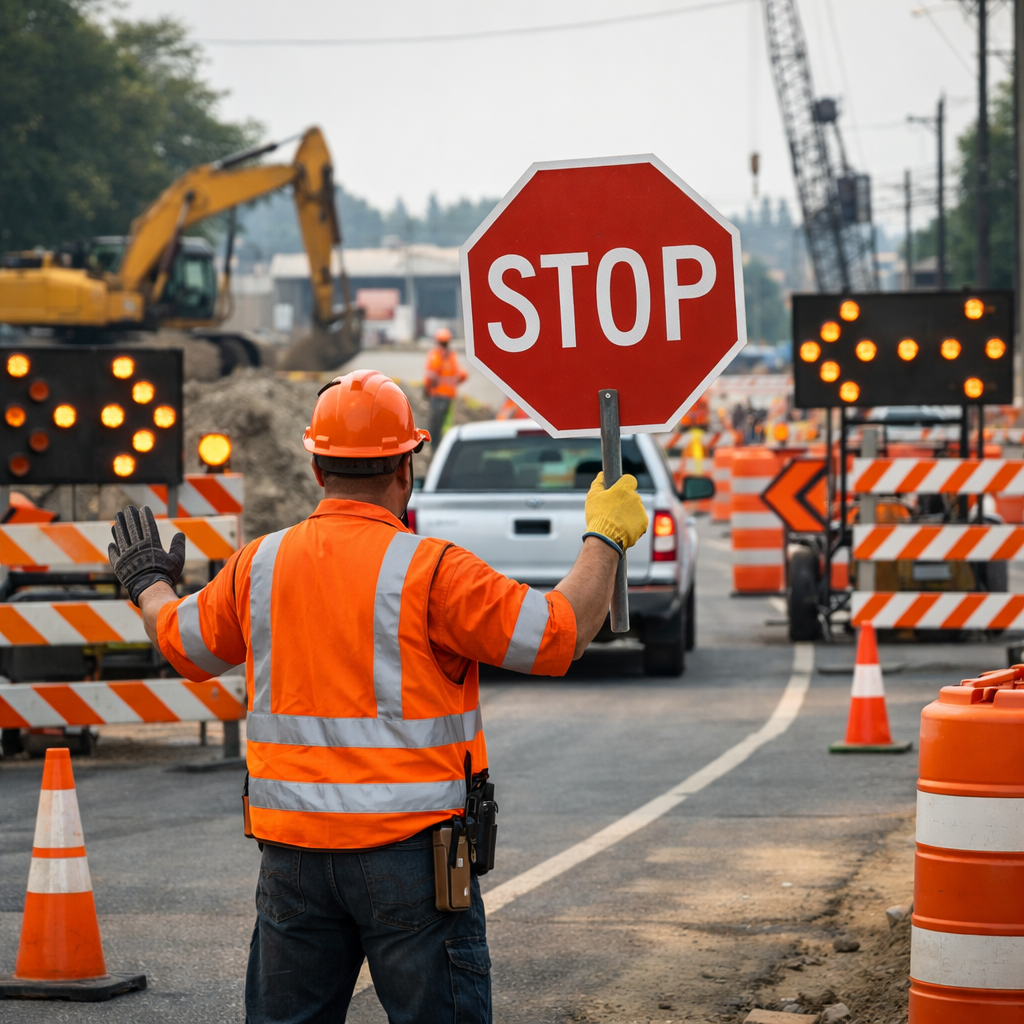
Why construction site traffic control matters
Construction Site Traffic Control: Essential OHSE Measures for Safer Work Zones construction site traffic control is a critical part of occupational health, safety, and environment management on any active project. From small residential builds to major civil works, the movement of trucks, forklifts, mobile plant, delivery vehicles, and pedestrians creates serious risks that must be…
-
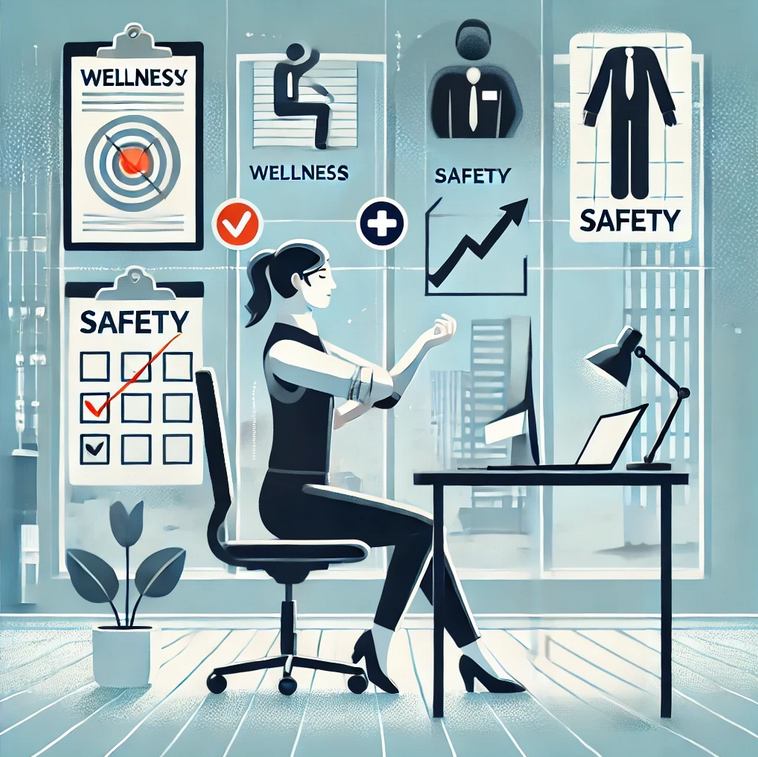
How Wellness Programs Enhance Workplace Safety ?
How Wellness Programs Enhance Workplace Safety? Workplace wellness programs have traditionally focused on improving employee health and well-being. However, the lines between wellness and safety are becoming increasingly blurred as organizations realize the profound impact of wellness initiatives on workplace safety. Table of Contents How Wellness Programs Enhance Workplace Safety 1. The Role of Wellness…
-
30 Common Medical Job Abbreviations and Their Descriptions
Table of Contents 1. MD – Medical Doctor 2. DO – Doctor of Osteopathic Medicine 3. PA – Physician Assistant 4. NP – Nurse Practitioner 5. RN – Registered Nurse 6. RPN – Registered Practical Nurse 7. LPN – Licensed Practical Nurse 8. CNA – Certified Nursing Assistant 9. CRNA – Certified Registered Nurse Anesthetist…
-
Vital Road Construction Safety Measures: Protecting Workers on the Frontlines
Road Construction Safety begins with recognizing that every roadway project brings unique risks—from passing traffic to heavy machinery. By adopting a proactive safety culture, companies not only reduce incident rates but also foster greater productivity and worker morale. In this comprehensive guide, we will explore critical road construction safety measures, covering common hazards, essential personal…
-
6 Signs Your Safety Training is Outdated – And How to Fix It
Signs Your Safety Training is Outdated : Safety training is the backbone of workplace health and safety. But just because your team attended a session last year doesn’t mean they’re ready to face today’s risks. Regulations evolve, equipment changes, and new hazards emerge. If your safety program hasn’t been refreshed recently, it could be putting…
-
Emergency Evacuation Drills on Offshore Rigs: Best Practices for Survival
Emergency Evacuation Drills on Offshore Rigs : Survival offshore is never left to chance. Emergency Evacuation Drills on Offshore Rigs are the lifeline that ensures every worker knows exactly what to do when seconds count. Table of Contents Why Emergency Evacuation Drills on Offshore Rigs Matter Key Hazards Driving Offshore Evacuation Needs Best Practices for…
-
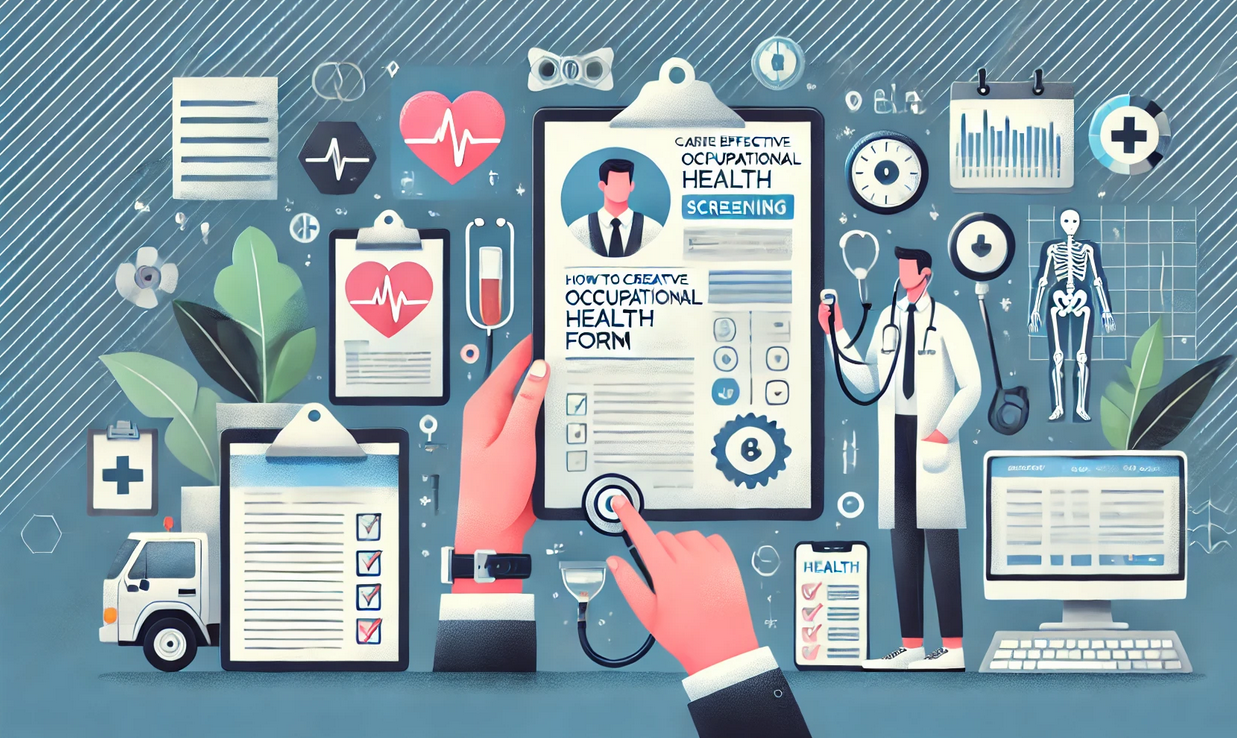
How to Create an Effective Occupational Health Screening Form
Occupational health screening plays a crucial role in ensuring workplace safety and employee well-being. By identifying potential health risks, employers can prevent workplace illnesses, reduce absenteeism, and enhance productivity. Creating a well-structured Occupational Health Screening Form is essential for assessing employees’ health and ensuring compliance with occupational safety regulations. Table of Contents Understanding the Purpose…
-
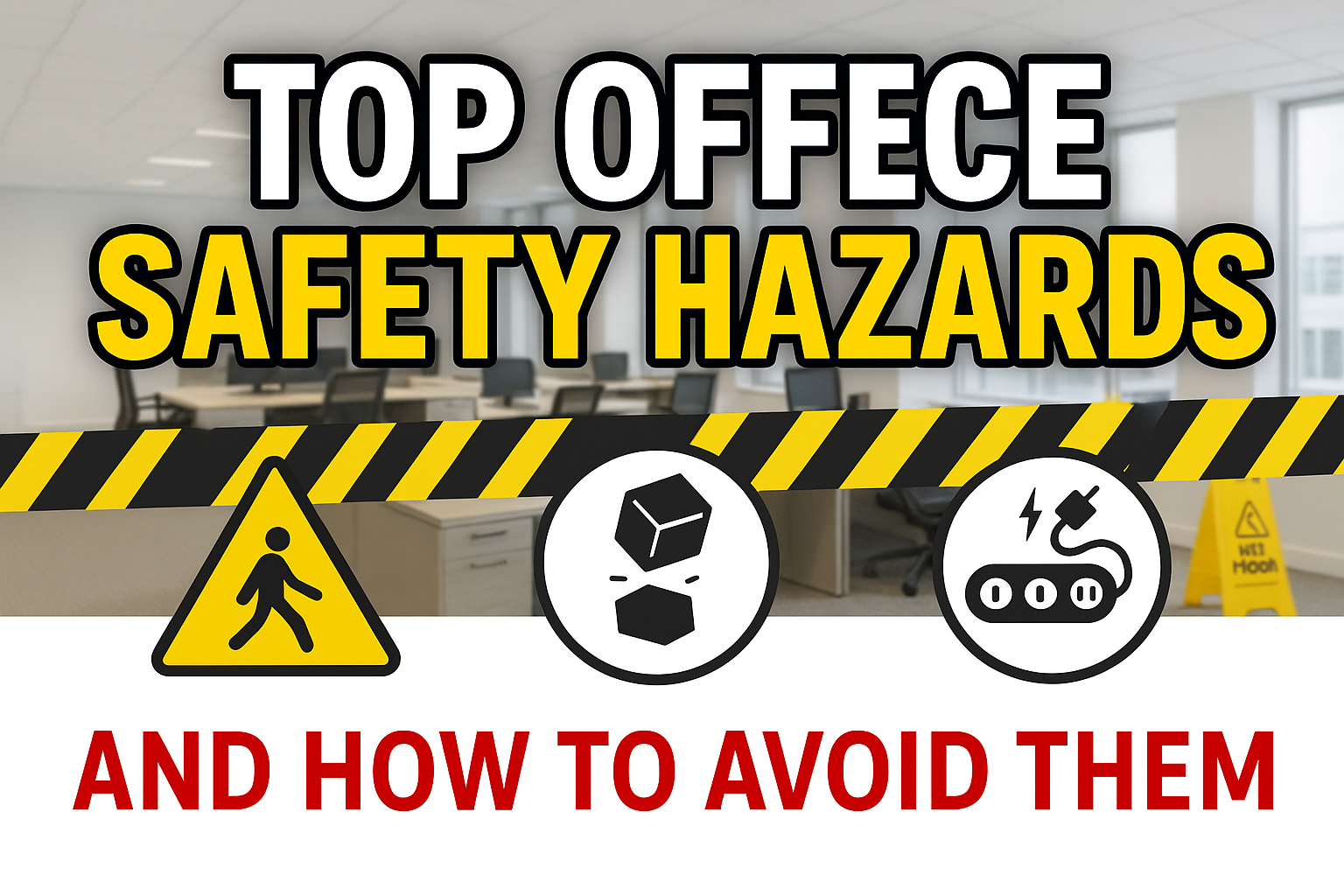
10 Top Office Safety Hazards and How to Avoid Them
Top Office Safety Hazards are often overlooked in the rush of daily business, but ignoring them can lead to injuries, reduced productivity, and costly claims. At the beginning of any safety program, identifying these hazards and implementing controls is critical to keeping employees healthy and the organization compliant. This essential guide will walk you through…
-
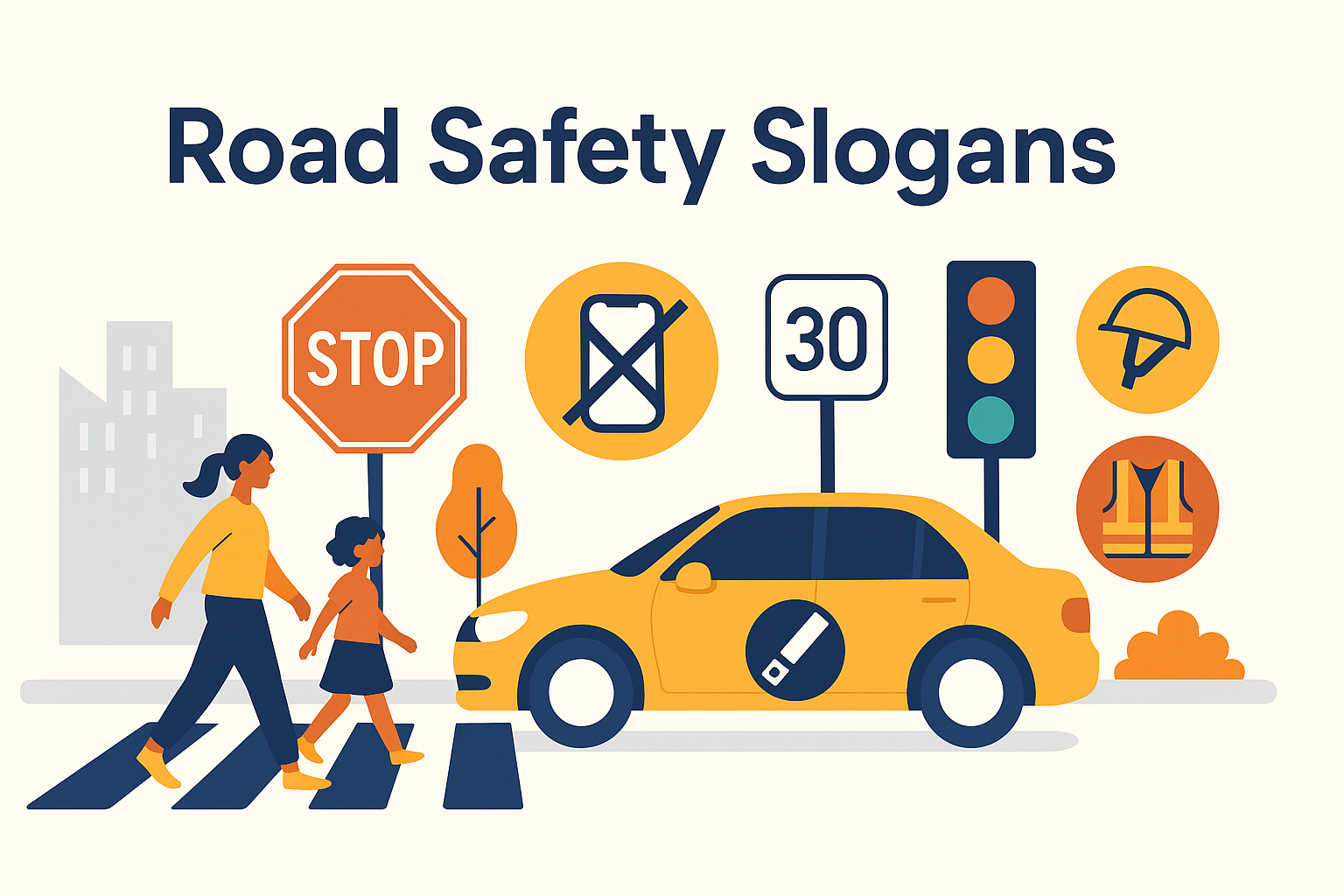
Road Safety Slogans – 120 Powerful Lines That Save Lives
This article uses Road Safety Slogans as the focus keyword and collects memorable, campaign-ready lines you can copy and use across posters, social media, schools, workplaces, and community programs. Pair these with evidence-based guidance from sources like the World Health Organization, Transport Canada, NHTSA, and Parachute Canada’s Vision Zero to boost impact. If you’re building…