-

Comprehensive Overview of Occupational Health, Safety, and Environment (OHSE)
Occupational Health, Safety, and Environment (OHSE) is a comprehensive approach that integrates the principles of health, safety, and environmental protection within the workplace. It encompasses the management of risks and the promotion of well-being to ensure a holistic approach to the welfare of individuals, the community, and the environment in and around workplaces. Occupational Health,…
-
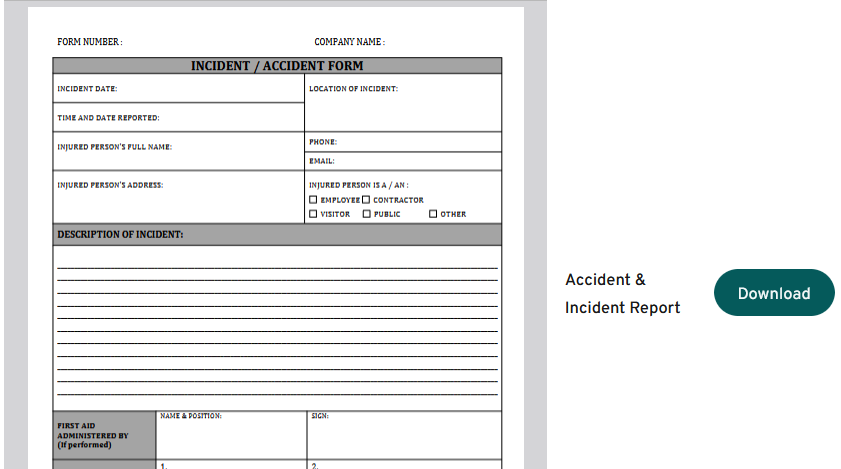
Accident & Incident Report Form
Table of Contents Download Free : Accident & Incident Report Form Why an Accident & Incident Report Form is Essential Key Components of an Accident & Incident Report Form Best Practices for Using Accident & Incident Report Forms Embracing Digital Solutions Download Free : Accident & Incident Report Form The Importance of an Accident &…
-
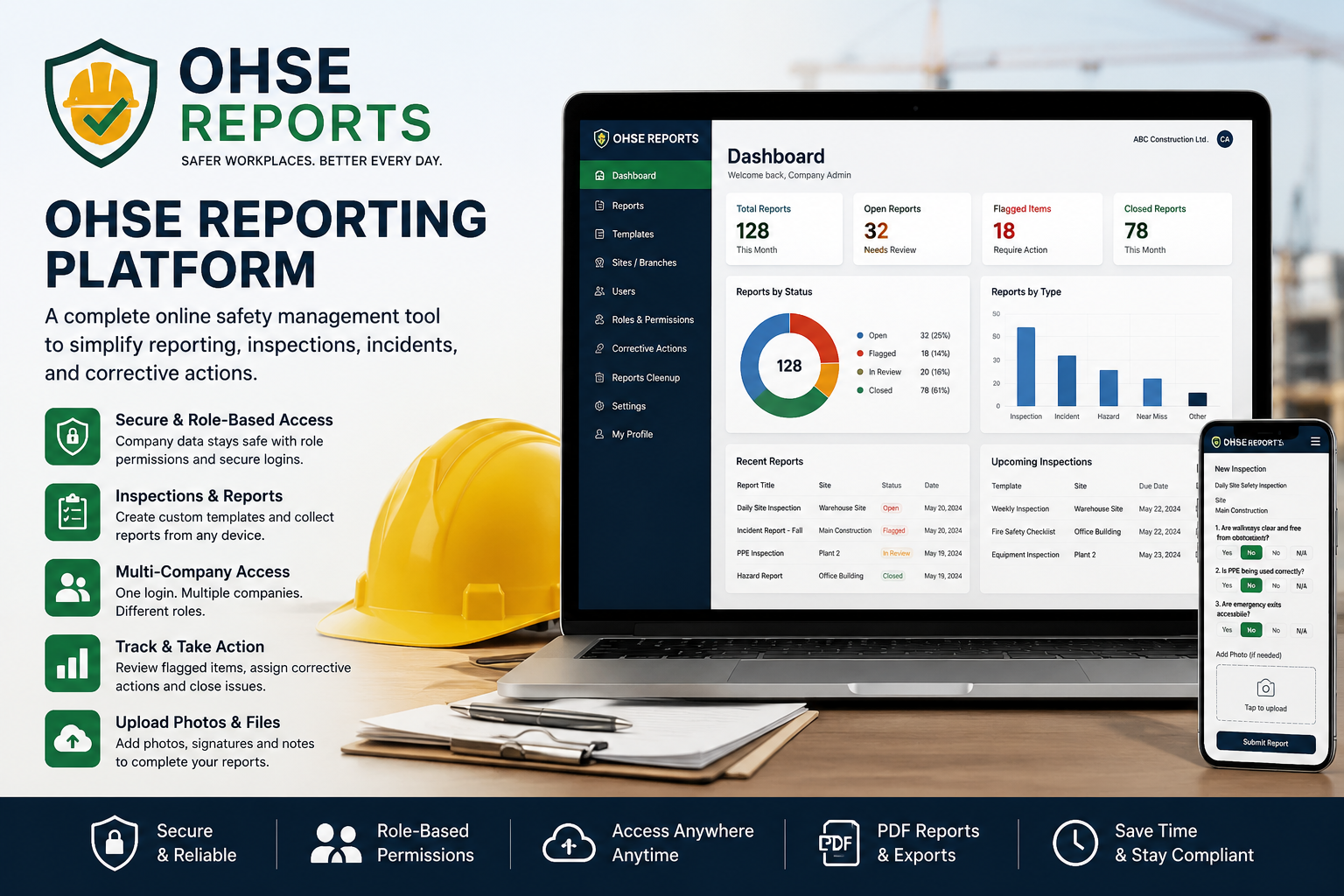
OHSE Reporting Platform: A Powerful Safety Management Tool for Modern Companies
OHSE reporting platform software gives companies a cleaner, faster, and more organized way to manage workplace safety reports, inspections, incidents, corrective actions, users, sites, and role-based workflows in one secure online system. Table of Contents Why Companies Need an OHSE Reporting Platform How OHSE Reports Works OHSE Reporting Platform Roles and Permissions Report Flow by…
-
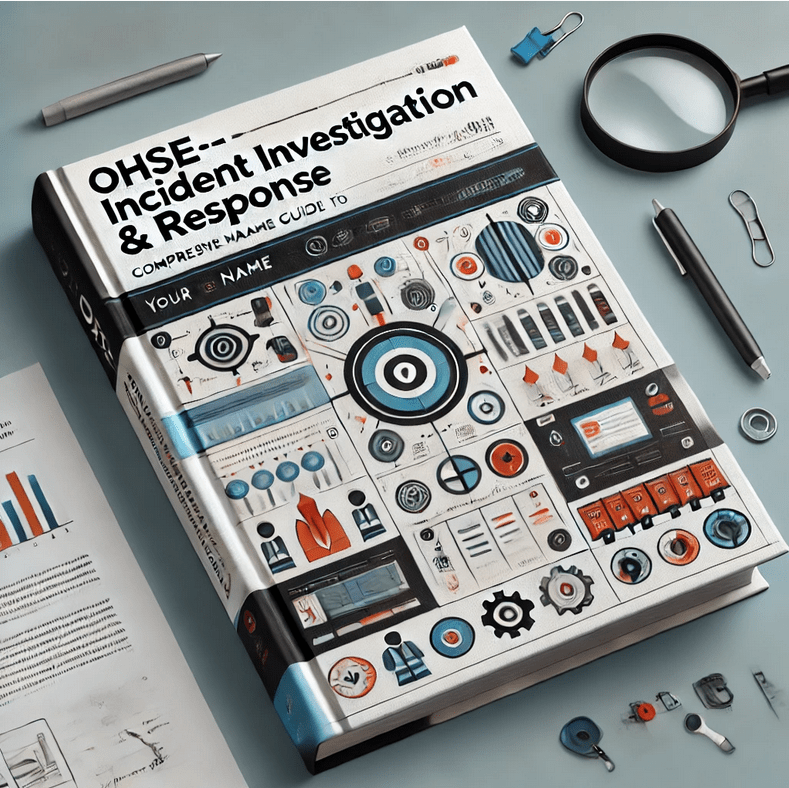
Leadership in Incident Management
Table of Contents 8.1. The Role of Leadership in Incident Response 8.2. Building Leadership Skills for Incident Management 8.3. Leadership in Post-Incident Recovery 8.4. Case Study: Leadership During a Critical Incident Summary of Chapter 8 8.1. The Role of Leadership in Incident Response Effective leadership is critical in managing incidents, particularly in high-stress and high-stakes…
-
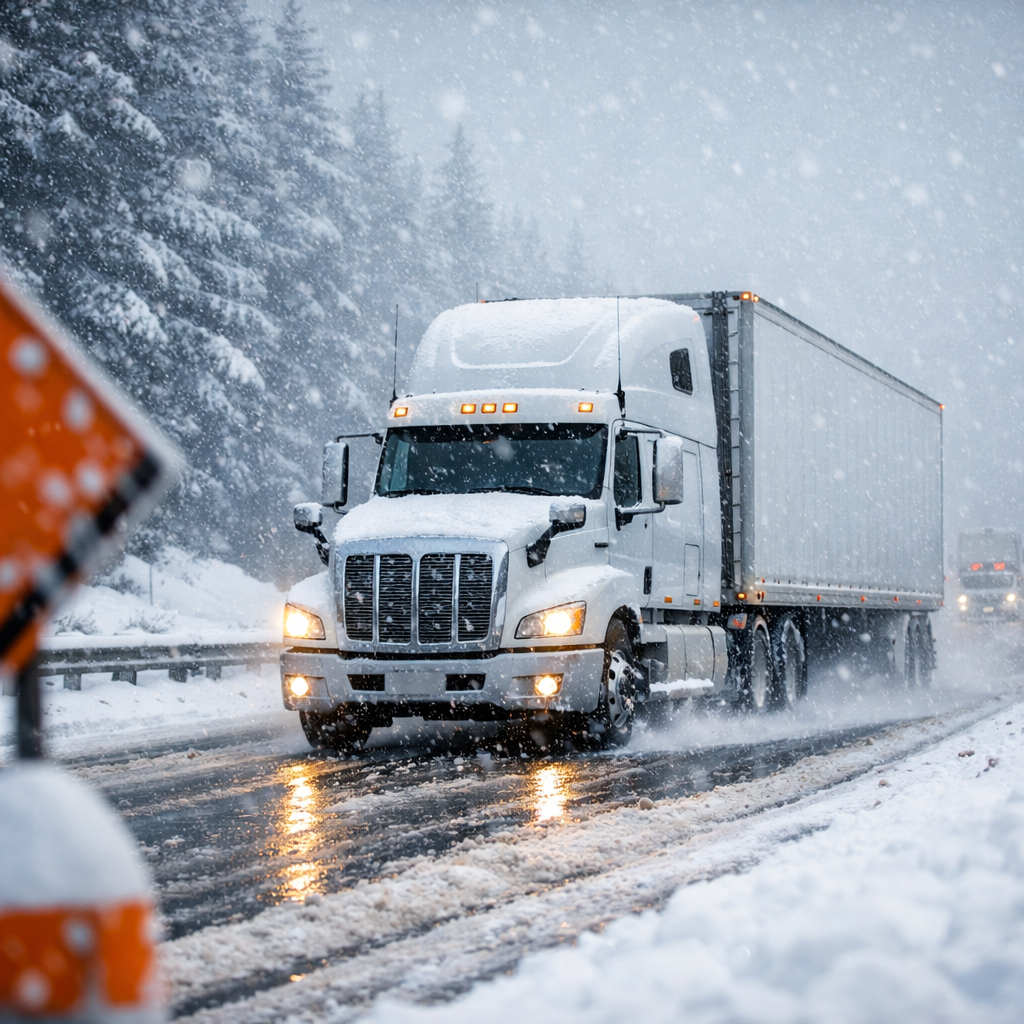
Winter Driving Safety for Trucks: Key Risks on the Road and at the Worksite
winter driving safety for trucks: Essential OHSE Practices for Safer Cold-Weather Operations winter driving safety for trucks is a critical OHSE priority for fleets, owner-operators, dispatchers, and site supervisors during cold-weather operations. Snow, black ice, freezing rain, low visibility, and extreme temperatures increase the likelihood of collisions, jackknifes, load shifts, mechanical failures, and slip-and-fall injuries…
-
Occupational Health, Safety, and Environment (OHSE) in Hospitals
Hospitals and healthcare facilities pose unique challenges when it comes to occupational health, safety, and environment (OHSE) due to the nature of the work, the presence of hazardous materials, and the constant exposure to various risks. From biological hazards to ergonomic concerns, it’s essential that healthcare workers are protected through robust OHSE programs that address…
-
Occupational Health Programs Comparison: A Powerful Look at How Countries Safeguard Workers
Occupational Health Programs Comparison examines how different nations structure and implement health initiatives to protect workers. Understanding these programs helps employers, policymakers, and employees learn best practices and challenges in diverse regulatory, cultural, and economic settings. This article dives into in-depth comparisons of occupational health programs in four countries—United States, Sweden, Australia, and Japan—highlighting their…
-
-
How to Conduct a Risk Assessment in 5 Steps (Essential Workplace Guide)
To build a safe and compliant workplace, you must first understand your risks. That’s where a risk assessment comes in. Whether you’re managing a construction site, office, lab, or warehouse, knowing how to conduct a risk assessment in 5 steps will help you prevent accidents before they happen. This essential guide breaks down the process…
-
Respiratory Protection and VOC Exposure: A Critical Safety Guide
Respiratory protection and VOC exposure are two major concerns in occupational health and safety. At the beginning of any workplace safety plan—especially in industries like manufacturing, automotive, painting, and construction—understanding the risks of Volatile Organic Compounds (VOCs) and how to protect workers from them should be a top priority. VOCs are chemicals that easily vaporize…
-
How to Use a Fire Extinguisher Correctly (PASS 4 Method Explained)
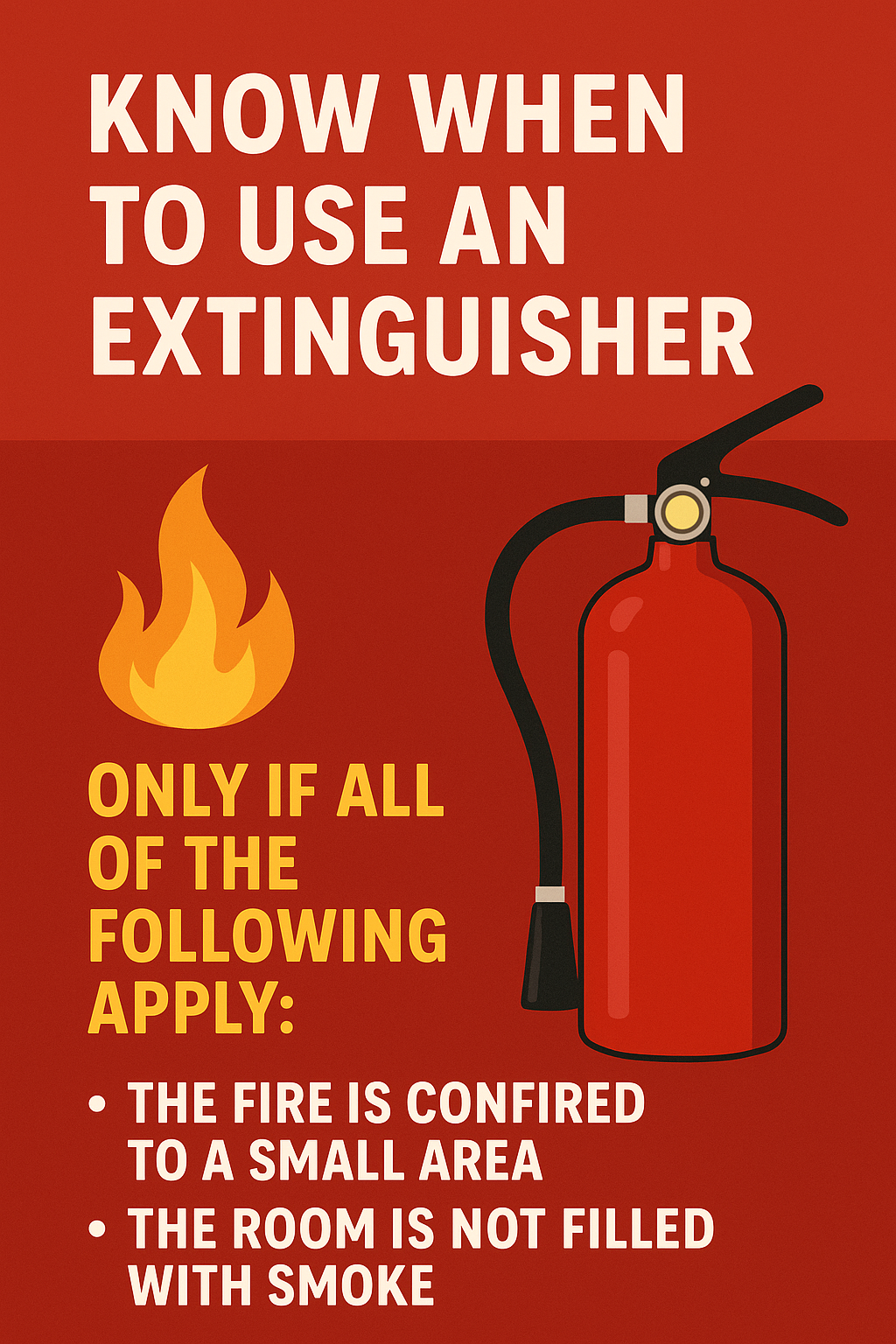
How to Use a Fire Extinguisher properly could mean the difference between a minor incident and a major disaster. Whether you’re at home, at work, or in a public building, knowing how to respond swiftly and effectively when fire breaks out is a life-saving skill. In this article, we’ll explain the PASS method—the globally recognized…