-

Comprehensive Overview of Occupational Health, Safety, and Environment (OHSE)
Occupational Health, Safety, and Environment (OHSE) is a comprehensive approach that integrates the principles of health, safety, and environmental protection within the workplace. It encompasses the management of risks and the promotion of well-being to ensure a holistic approach to the welfare of individuals, the community, and the environment in and around workplaces. Occupational Health,…
-
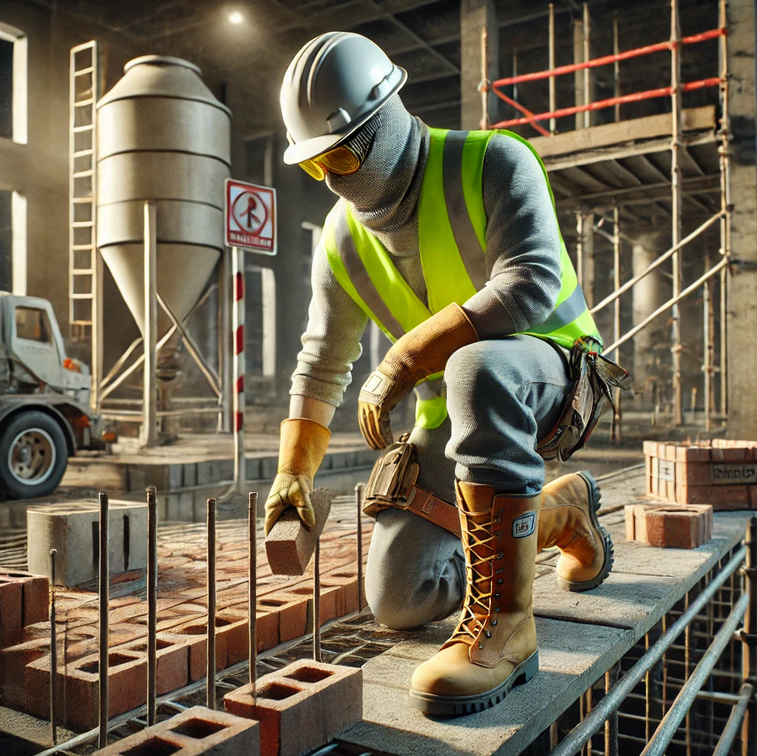
6 Impacts of Regular Equipment Maintenance on Masonry Jobsite Safety
Table of Contents 1. The Role of Equipment in Masonry Work 2. Common Risks of Poorly Maintained Equipment 3. Benefits of Regular Equipment Maintenance 4. Key Practices for Effective Equipment Maintenance A. Routine Inspections B. Cleaning After Use C. Lubrication and Adjustments D. Repair and Replacement E. Worker Training 5. The Role of Employers and…
-
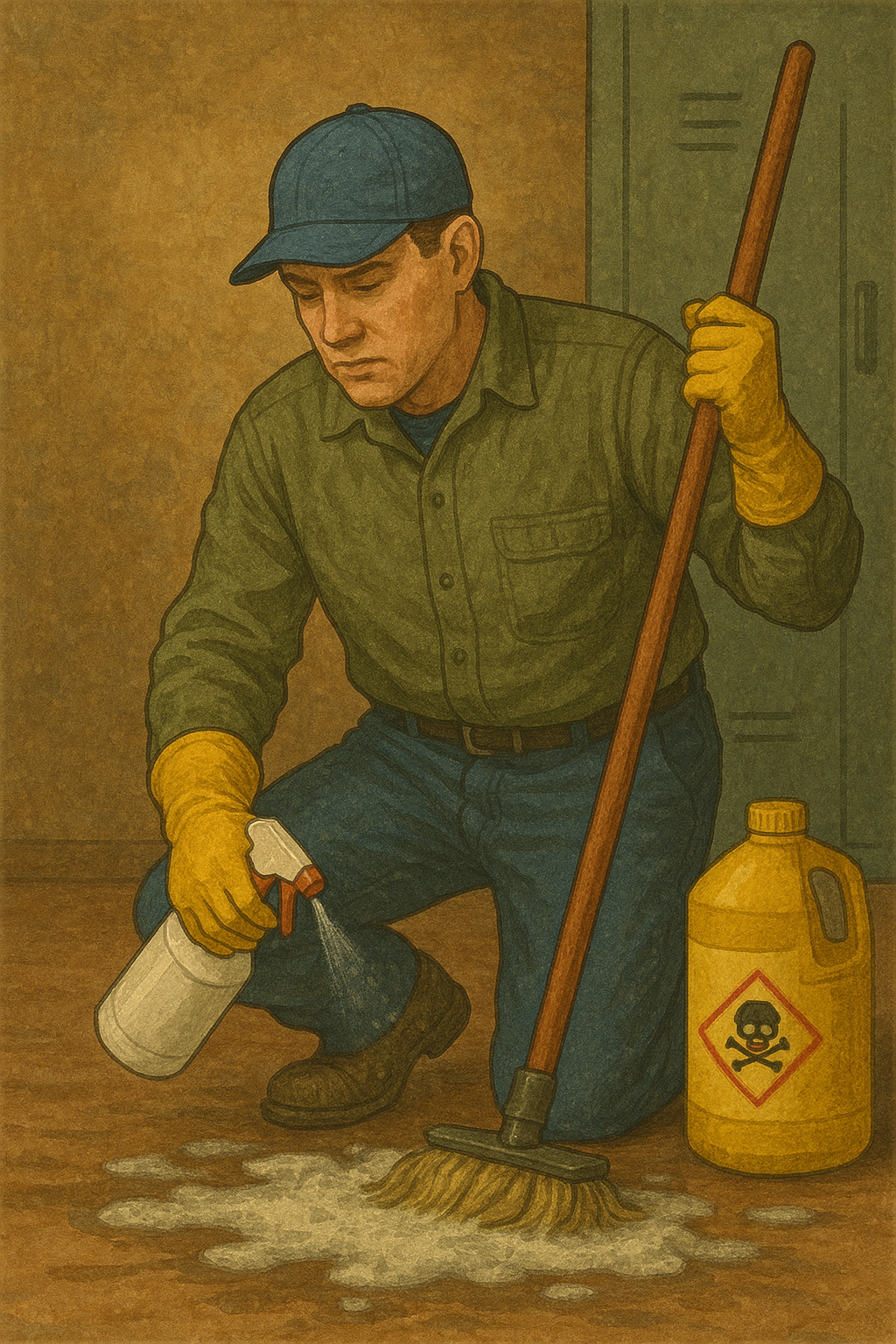
Safe Use of Industrial Cleaning Chemicals in the Workplace
Safe use of industrial cleaning chemicals in the workplace is not just a matter of cleanliness—it’s a critical component of occupational health and safety. These powerful agents, while essential for hygiene, disinfection, and maintenance, pose significant risks if handled improperly. From skin burns to toxic inhalation, the dangers are real, but entirely preventable. Table of…
-
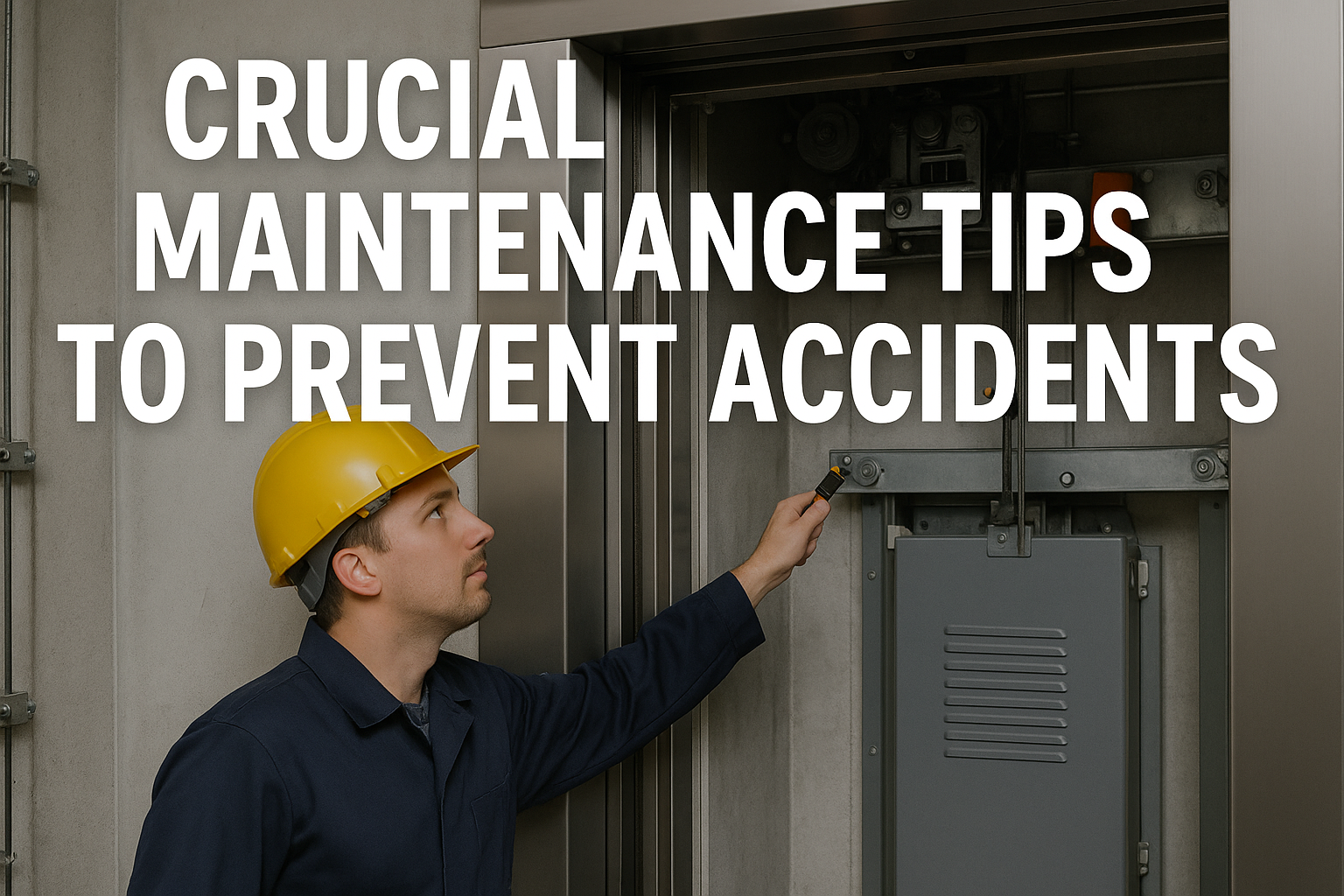
Crucial Elevator Maintenance Tips to Prevent Accidents
Crucial Elevator Maintenance Tips to Prevent Accidents must be a top priority for property managers, facility operators, and elevator technicians. Elevators are critical components in residential, commercial, and industrial buildings—but when neglected, they can quickly become safety hazards. Implementing a rigorous maintenance routine is essential to prevent breakdowns, injuries, and even fatalities. Table of Contents…
-
100-Question NEBOSH Quiz to Supercharge Your Safety Knowledge
Table of Contents NEBOSH Quiz : Practice 25 Random Questions from a 100-Question Pool Why Take the NEBOSH Quiz? What Topics Does the NEBOSH Quiz Cover? How to Take the Quiz Final Thoughts: Are You Safety Certified? NEBOSH Quiz : Practice 25 Random Questions from a 100-Question Pool Want to boost your workplace safety knowledge?…
-
Understanding Electrical Wires in the Workplace: Safety and OHSE Considerations
Electrical wiring is a crucial aspect of workplace safety, impacting everything from daily operations to emergency preparedness. As part of an Occupational Health, Safety, and Environment (OHSE) program, understanding the types of electrical wires, their applications, and associated hazards is vital to ensure a safe working environment. Table of Contents Types of Electrical Wires and…
-
Top 101 Safety Tips for Residential Construction Sites
Safety Tips for Residential Construction Sites : Building homes is rewarding, but it’s also risky. Top 101 Safety Tips for Residential Construction Sites is your essential guide to protecting workers, preventing injuries, and ensuring every project runs smoothly. Table of Contents Safety Tips for Residential Construction Sites Planning and Leadership (1–10) Site Orientation and Training…
-
OHSA Compliance for Small Businesses: What You Need to Know
Small businesses are the backbone of many economies, but they are not exempt from ensuring the safety and health of their workers. The Occupational Health and Safety Act (OHSA) applies to all employers, regardless of size, and small businesses must comply with its standards to avoid penalties and, most importantly, to protect their employees. Here’s…
-
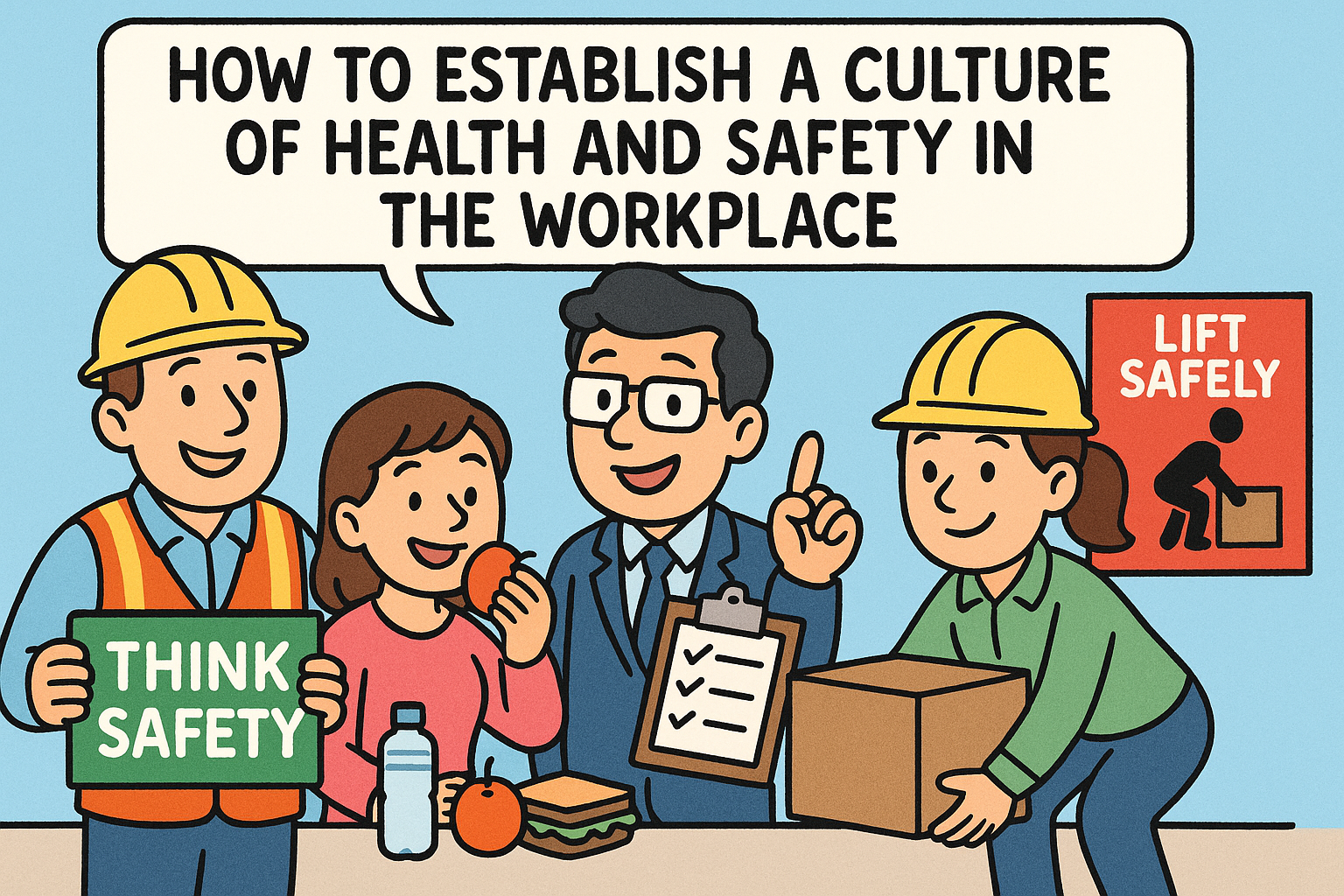
Top Strategies to Embed Safety into Daily Workplace Habits
Embed Safety into Daily Workplace Habits right from the beginning of each shift is the key to reducing workplace incidents and nurturing a proactive culture of care. When safety becomes a habit—not just a checklist—employees become more aware, engaged, and protected. This article outlines proven strategies to make safety a natural part of everyday work.…
-
Hazard Reporting Systems: Encouraging a Safety Culture
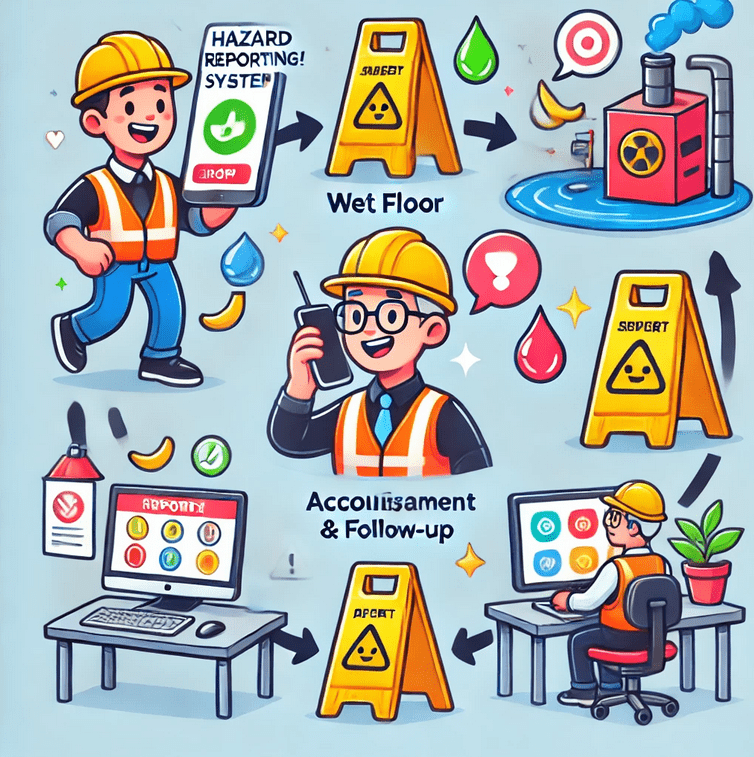
A strong safety culture is the backbone of any successful workplace. One of the most effective ways to foster this culture is through a robust hazard reporting system. Hazard reporting systems empower employees to identify and report potential safety issues before they result in incidents, ensuring a proactive approach to workplace safety. Table of Contents…
-
Managing Health, Safety, and Environment (HSE)
Table of Contents Introduction The Importance of HSE Management Key Components of HSE Management Managing Occupational Safety Managing Occupational Health Managing Environmental Impact The Role of Leadership in HSE Management Conclusion Introduction Effective management of Health, Safety, and Environment (HSE) is critical to ensuring that workplaces are safe, healthy, and sustainable. HSE management involves the…