-

Comprehensive Overview of Occupational Health, Safety, and Environment (OHSE)
Occupational Health, Safety, and Environment (OHSE) is a comprehensive approach that integrates the principles of health, safety, and environmental protection within the workplace. It encompasses the management of risks and the promotion of well-being to ensure a holistic approach to the welfare of individuals, the community, and the environment in and around workplaces. Occupational Health,…
-
Occupational Safety and Health for Night and Overtime Workers
Working night shifts or extended overtime hours can pose unique occupational health and safety (OHS) risks. These workers often face challenges such as fatigue, disrupted sleep cycles, stress, and physical strain, all of which can impact their well-being and productivity. Employers and workers must take proactive steps to mitigate these risks and create a safe,…
-
Managing Fatigue and Shift Work: Powerful Strategies for 24/7 Operations
Managing Fatigue and Shift Work is critical for organizations operating 24/7 to ensure employee well-being and maintain performance. When an operation never sleeps, the risks of human error, accidents, and long-term health issues rise dramatically. Effectively managing fatigue and shift work involves more than adjusting schedules—it requires an integrated approach that combines policy, technology, training,…
-
Introduction to OHSE Law & Ethics
Table of Contents 1.1 Overview Learning Objectives 1.2 The Importance of OHSE Law Table 1.1: Key Benefits of OHSE Laws 1.3 Ethics in OHSE Table 1.2: Legal vs. Ethical Responsibilities 1.4 Key Terminologies in OHSE Law & Ethics Note: 1.5 Quiz: Test Your Knowledge 1.6 Discussion Questions Case Study: Ethical Dilemma in OHSE 1.7 Key…
-
Top 22 Most Overlooked Workplace Hazards—and How to Address Them
Workplace safety is a crucial aspect of any organization, yet many hazards are often overlooked, leading to accidents and injuries. Identifying and addressing these hidden risks is vital to ensure a safe and productive environment. Here are the top 22 most overlooked workplace hazards and practical steps to mitigate them. Table of Contents Workplace Hazards…
-
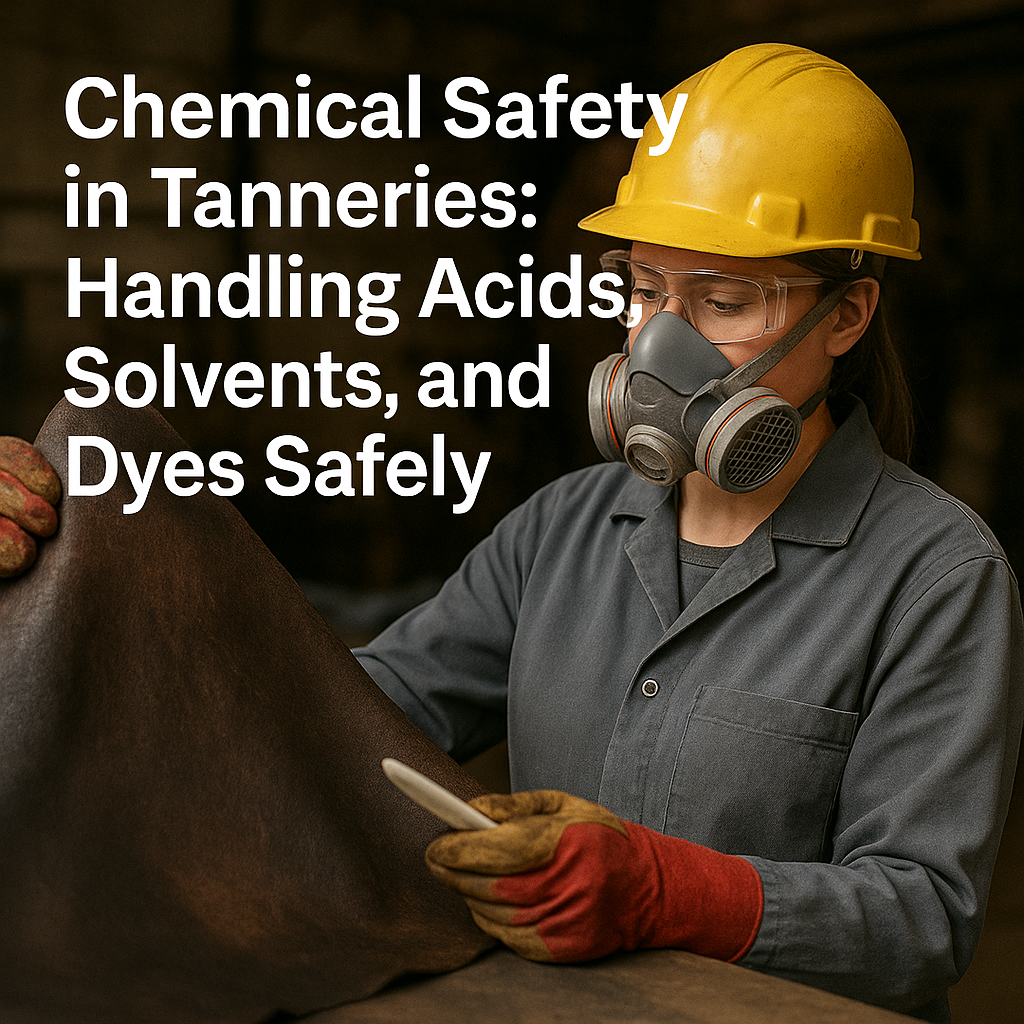
Chemical Safety in Tanneries: Handling Acids, Solvents, and Dyes Safely
Chemical Safety in Tanneries is critical for ensuring worker health, operational efficiency, and environmental protection. With daily exposure to hazardous substances like acids, solvents, and dyes, leather production workers face serious risks. Following strong chemical safety protocols not only prevents workplace accidents but also ensures compliance with health regulations such as those outlined by OSHA…
-
Personal Protective Equipment (PPE) Quiz : Protecting Head, Foot, and Skin
OHSE Quiz Table of Contents OHSE Quiz OHSE Quiz Retry
-
10 Hidden Risk of Compressed Air: Injuries Without a Sound
Hidden Risk of Compressed Air : Compressed air is a powerful tool in many industrial environments—but its danger is often underestimated. From cleaning debris off machinery to powering pneumatic tools, compressed air is widely used. Yet, the hidden risk of compressed air can result in life-altering injuries, many of which occur silently and without warning.…
-
Why lockout tagout procedures matter in hazardous energy control
Lockout Tagout Procedures: Essential Steps for Hazardous Energy Control Lockout tagout procedures are one of the most important safeguards for preventing serious injuries during equipment maintenance, cleaning, servicing, and repair. When hazardous energy is not properly controlled, workers can be exposed to electric shock, burns, crushing injuries, amputations, release of pressure, or unexpected machine startup.…
-
Safe Management of Linen: Essential Guidelines for Healthcare and Hospitality Settings
The safe management of linen is critical in healthcare and hospitality settings, where hygiene standards directly impact patient and guest health. Improper handling and processing of linens can lead to the spread of infections, posing serious health risks to both staff and users. This article outlines best practices for handling, cleaning, and storing linen safely,…
-
OHSE
OHSE Meaning in 1 WordSafety OHSE Meaning in 1 LineOHSE ensures safe, healthy, and sustainable work environments. OHSE Meaning in 2 LinesOHSE, or Occupational Health, Safety, and Environment, is a field focused on safeguarding worker health and well-being while promoting environmental protection in the workplace. OHSE Meaning in 3 LinesOHSE, standing for Occupational Health, Safety,…