-

Comprehensive Overview of Occupational Health, Safety, and Environment (OHSE)
Occupational Health, Safety, and Environment (OHSE) is a comprehensive approach that integrates the principles of health, safety, and environmental protection within the workplace. It encompasses the management of risks and the promotion of well-being to ensure a holistic approach to the welfare of individuals, the community, and the environment in and around workplaces. Occupational Health,…
-
10 – Top Daily Habits That Keep the Workplace Safe (Simple but Powerful)
Building a safe workplace doesn’t always require expensive tools or big initiatives. Often, it comes down to simple, consistent habits practiced by every employee—every single day. Table of Contents Daily Habits That Keep the Workplace Safe 🛡️ 1. Wear Protective Equipment—Every Time 🧹 2. Keep a Clean and Organized Workspace 👁️ 3. Check Your Surroundings…
-
Scaffold and Ladder Safety: What Every Worker Should Know
Scaffold and ladder safety is a fundamental part of workplace injury prevention—especially in construction, maintenance, and industrial settings. At the beginning of any job requiring work at heights, workers must be trained and equipped to use scaffolds and ladders safely. Falls from elevated work surfaces remain a leading cause of injuries and fatalities, making it…
-
Preventing the Unthinkable: Essential Fire Safety Tips for Your Workplace
Table of Contents Essential Fire Safety Tips : Understanding Workplace Fire Risks Did You Know? 1. Electrical Equipment and Wiring 2. Flammable Materials 3. Cooking Areas 4. Human Error 5. Cluttered Workspaces Implementing Fire Safety Measures Did You Know? 1. Install and Maintain Fire Detection Systems 2. Ensure Accessibility of Fire Extinguishers 3. Develop a…
-
Winter PPE : Essential Gear for Cold Weather Safety
Winter presents unique challenges for workers, particularly those operating outdoors or in unheated environments. Cold temperatures, icy conditions, and reduced visibility increase the risks of injuries and illnesses, making winter-specific personal protective equipment (PPE) essential. Proper selection and use of PPE not only protect employees but also ensure productivity and comfort throughout the season. Table…
-
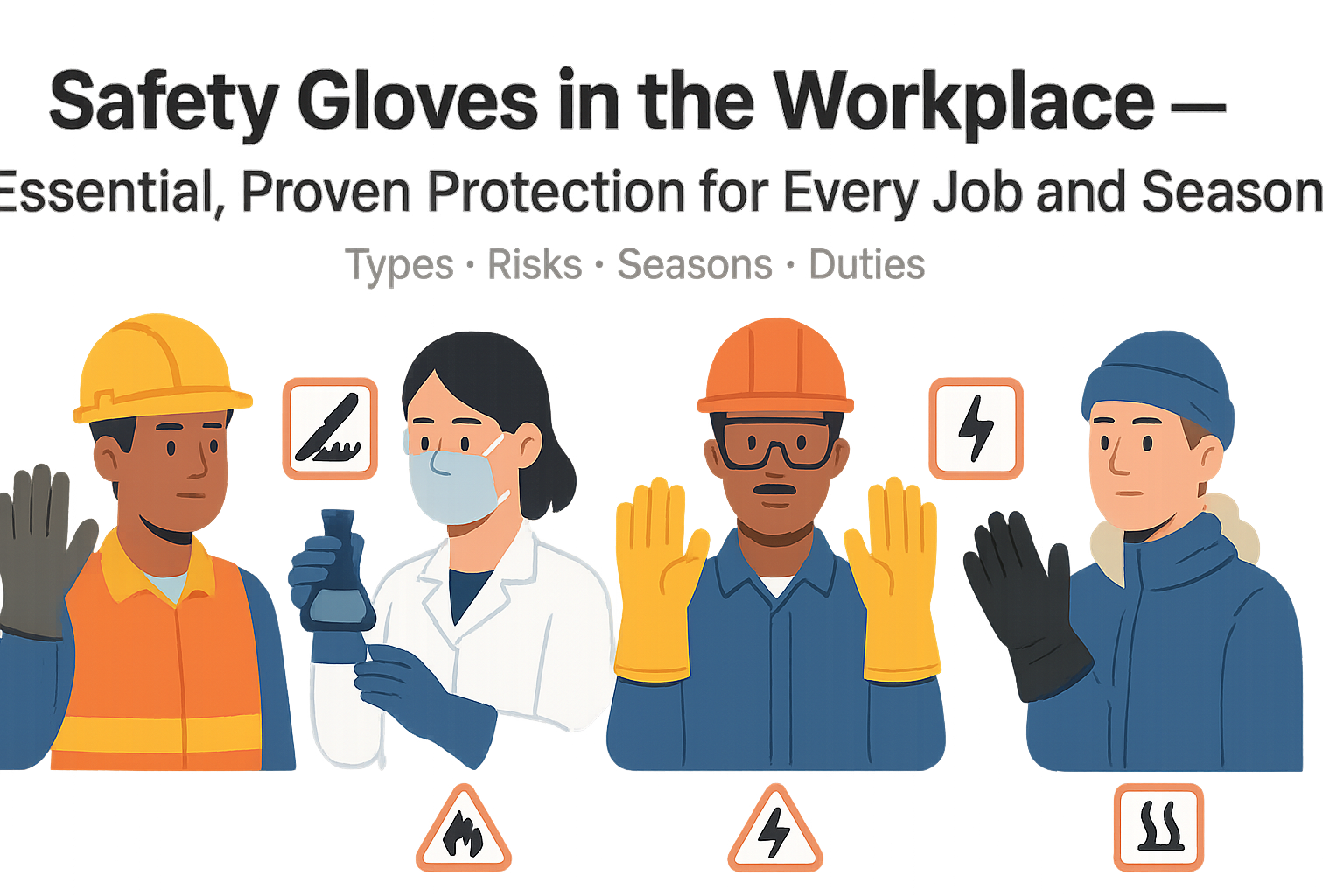
Safety Gloves in the Workplace — Essential, Proven Protection for Every Job and Season
Safety Gloves in the Workplace are the first line of defense between hands and the countless mechanical, chemical, thermal, and biological hazards that show up on worksites and in service roles every day. This comprehensive guide explains why gloves matter, what can go wrong without them, how to choose the right type for the job…
-
A Day in the Life of an OHSE Professional
Occupational Health, Safety, and Environment (OHSE) professionals are the unsung heroes of workplace safety and sustainability. Their roles are diverse, dynamic, and often unpredictable, as they navigate the challenges of protecting employees, ensuring compliance, and fostering a culture of safety. If you’ve ever wondered what a day in the life of an OHSE professional looks…
-
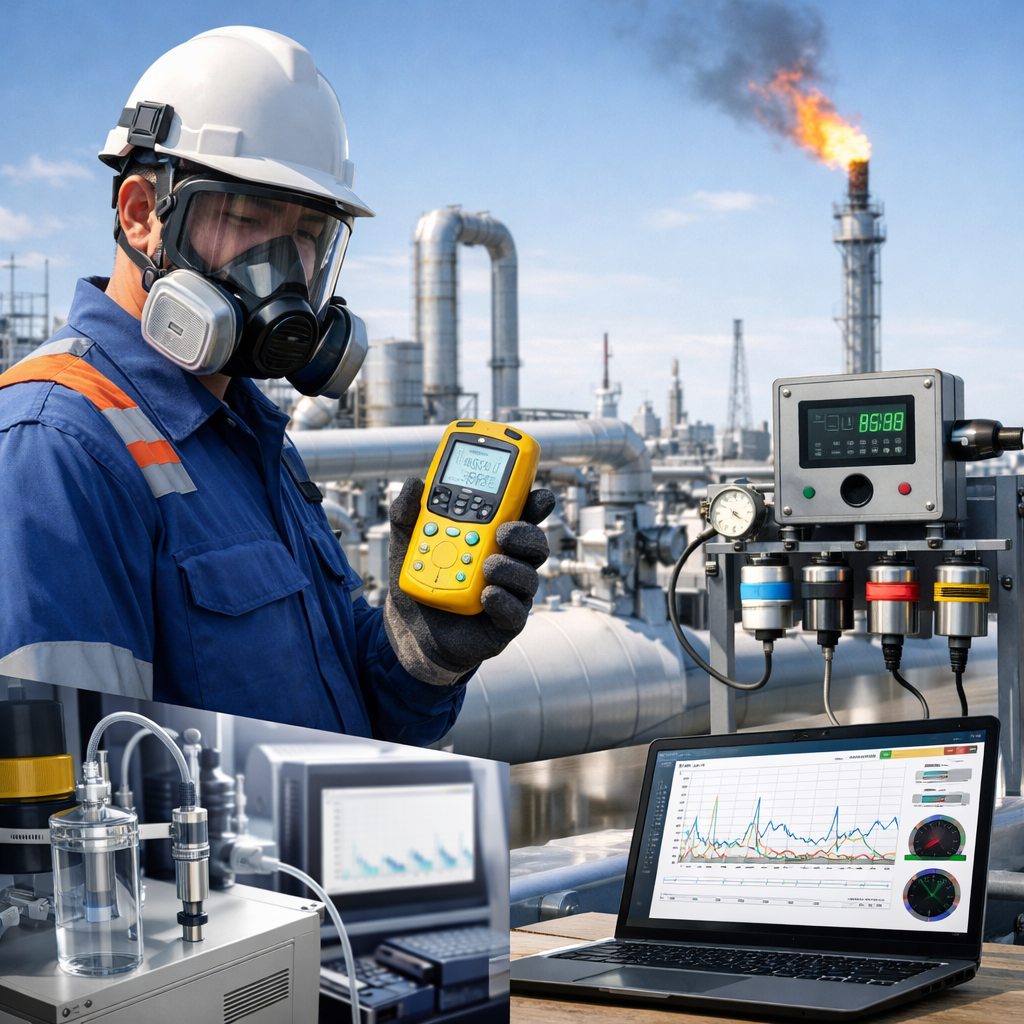
Why gas monitoring practices matter in confined spaces
Gas Monitoring Practices for Reliable Confined Space Safety Gas monitoring practices are one of the most important safeguards for anyone entering or working around a confined space. Tanks, vaults, sewers, pits, silos, and process vessels can all contain hidden atmospheric hazards, and those hazards can change quickly without warning. That is why reliable confined space…
-
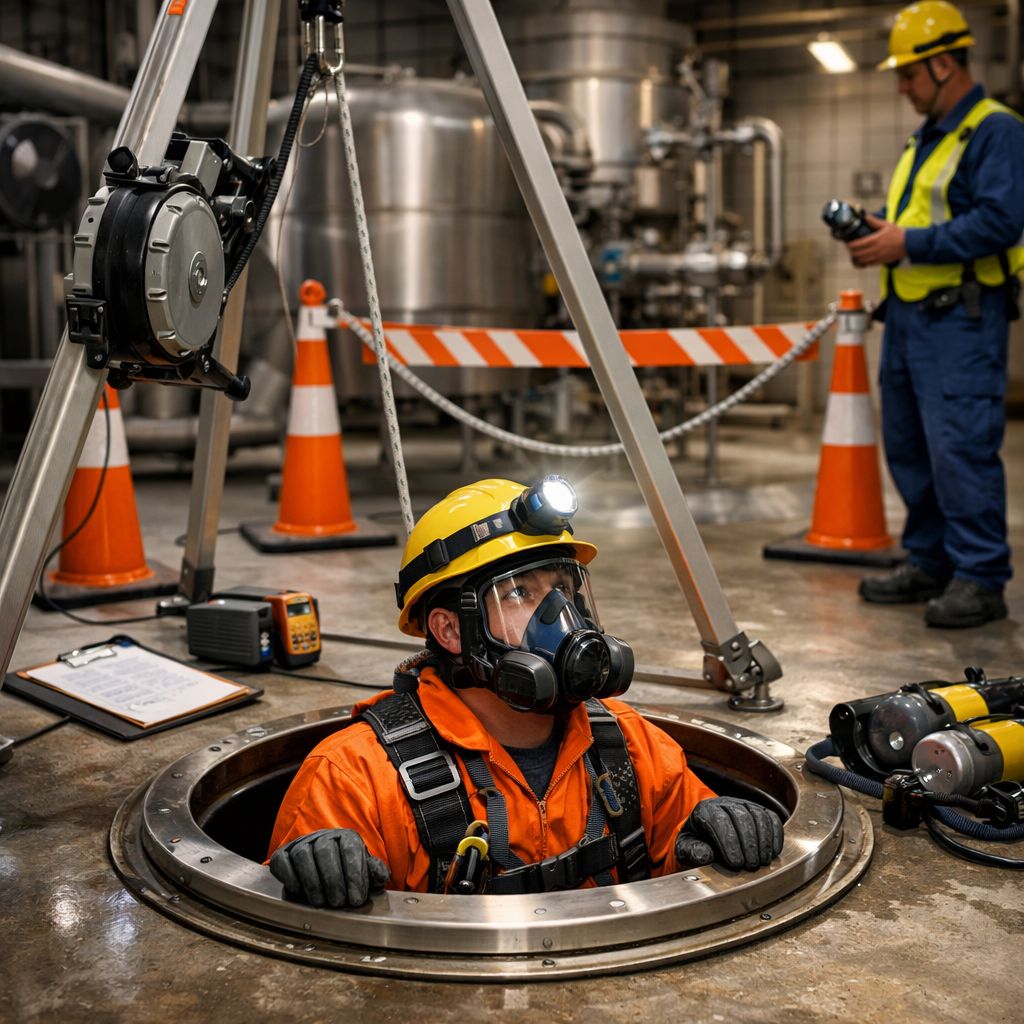
Why confined space entry requirements matter in high-risk work
Confined Space Entry Requirements for High-Risk Work: Permits, Testing, Rescue, and Supervision Confined space entry requirements are the foundation of safe work in tanks, pits, silos, vaults, sewers, tunnels, and other enclosed areas where hazards can develop quickly. These spaces may look manageable from the outside, but limited openings, poor ventilation, toxic atmospheres, engulfment risks,…
-
Wearing Masks in OHSE: Tips, Types of Masks, Labor Types, and Preventable Diseases
In Occupational Health, Safety, and Environment (OHSE), wearing masks is a vital practice in many workplaces to protect workers from various health hazards, especially those exposed to airborne particles, chemicals, or biological contaminants. This article will detail the tips for wearing masks, types of masks available, different labor types that benefit from wearing masks, and…
-
Infection Control Quiz – 25 Questions (Healthcare & Food Service)
Infection Control Quiz : Infection prevention is one of the most important responsibilities in both healthcare and food service. A single lapse in hand hygiene, food handling, or use of personal protective equipment (PPE) can lead to outbreaks that endanger patients, customers, and staff alike. That’s why we’ve built a 25-question Infection Control Quiz to…