-

Comprehensive Overview of Occupational Health, Safety, and Environment (OHSE)
Occupational Health, Safety, and Environment (OHSE) is a comprehensive approach that integrates the principles of health, safety, and environmental protection within the workplace. It encompasses the management of risks and the promotion of well-being to ensure a holistic approach to the welfare of individuals, the community, and the environment in and around workplaces. Occupational Health,…
-
Creator Burnout Prevention: Burnout to Breakthrough — A Realistic Plan Creators Actually Follow
Creator Burnout Prevention isn’t about grinding harder; it’s about designing a routine and workspace that let your best ideas show up on schedule without draining you. If you’ve felt the creeping fog—endless tabs, late-night edits, and the nagging fear that the algorithm is leaving you behind—this guide replaces guilt with a plan. You’ll get a…
-
Why language barriers matter in workplace safety
Practical multilingual safety training tips for diverse workforces Multilingual safety training tips can make the difference between a workforce that simply attends training and one that truly understands how to work safely. In diverse workplaces, language barriers affect hazard recognition, emergency response, equipment use, and reporting, which means employers need training that is clear, practical,…
-
The Environmental Impact of the Denim Industry: A Hidden Safety Crisis
The environmental impact of the denim industry is an often-overlooked occupational safety concern affecting workers, communities, and ecosystems alike. Denim, a staple in global fashion, hides behind its iconic blue fabric a trail of toxic pollutants, water overuse, and chemical exposure—placing both the planet and workers at risk. While consumers see jeans as casual wear,…
-
Dangerous Occurrence: Definition, Meaning & Examples
Dangerous occurrences are incidents that have the potential to cause significant harm or injury but, by chance or mitigation, do not result in actual injury. While no one may be harmed during a dangerous occurrence, the event is still considered serious because it indicates the possibility of a future accident with severe consequences. These incidents…
-
How to Conduct a Job Hazard Analysis (JHA) for Construction Projects
Job Hazard Analysis (JHA) is a critical tool in construction safety management. It identifies risks associated with specific tasks and helps implement controls to mitigate hazards, ensuring workers’ safety. This step-by-step guide will provide a comprehensive understanding of how to conduct an effective JHA for your construction projects, enhancing safety performance and regulatory compliance. Table…
-
Ensuring Workplace Health and Safety: A Comprehensive Guide for Employers
Running a business involves managing numerous responsibilities, including legal obligations that prioritize the health and safety of your workforce. Amidst the complexities of operations, compliance with workplace health and safety regulations might not always be top of mind, but it is critical to both the success of your business and the well-being of your employees.…
-
Introduction to Occupational Health, Safety, and Environment (OHSE)
Table of Contents Chapter 1: Introduction to Occupational Health, Safety, and Environment Chapter 2: The Legal Framework for OHSE Chapter 3: The Role of OHSE in Organizations Chapter 4: Hazard Identification and Risk Assessment Chapter 5: Health and Safety Programs Chapter 6: Environmental Management in the Workplace Chapter 7: Incident Reporting and Investigation Chapter 8:…
-
Why confined space rescue planning must be completed before entry
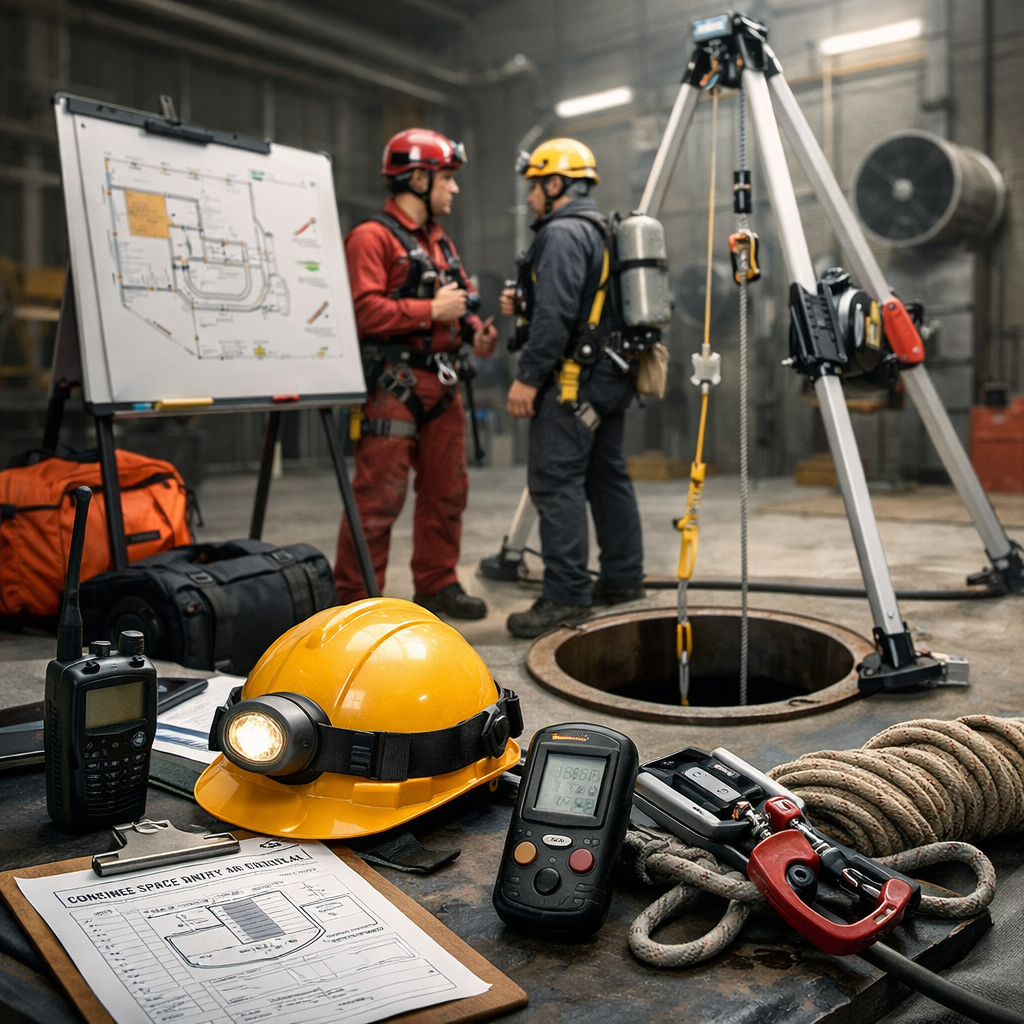
Confined Space Rescue Planning: Essential Tips to Be Ready Before Entry Begins Confined space rescue planning must begin before anyone enters a tank, vault, pit, silo, or other restricted work area. In confined space incidents, minutes matter, and the biggest mistake employers make is assuming they can “figure out rescue later” if something goes wrong.…
-
Conclusion and Future Directions in Safety Training
Table of Contents 8.1. Recap of Key Points 8.2. The Importance of Ongoing Safety Training 8.3. Future Directions in Safety Training 8.4. Encouragement for Continuous Learning Summary of Chapter 8 8.1. Recap of Key Points As we conclude this textbook on safety training, it’s essential to revisit the key concepts and strategies discussed throughout the…
-
Career Paths in Occupational Health and Safety
Occupational Health and Safety professionals are tasked with creating policies, assessing risks, and implementing measures to prevent workplace accidents and illnesses. With the demand for OHS professionals growing, roles in this field span industries such as construction, manufacturing, healthcare, and energy. If you’re passionate about protecting people and the environment, OHS offers a rewarding and…