-

Comprehensive Overview of Occupational Health, Safety, and Environment (OHSE)
Occupational Health, Safety, and Environment (OHSE) is a comprehensive approach that integrates the principles of health, safety, and environmental protection within the workplace. It encompasses the management of risks and the promotion of well-being to ensure a holistic approach to the welfare of individuals, the community, and the environment in and around workplaces. Occupational Health,…
-
Improving Organizational Response to Incidents
Table of Contents 7.1. Building a Proactive Safety Culture 7.2. Integrating Incident Investigation into Safety Management Systems 7.3. Training and Development for Incident Investigators 7.4. Preparing for High-Impact Incidents Summary of Chapter 7 7.1. Building a Proactive Safety Culture A proactive safety culture is one where safety is deeply embedded in the organization’s values, attitudes,…
-
The Ultimate Guide to Toolbox Talks in Promoting On-Site Safety
Toolbox talks are a cornerstone of workplace safety, especially in high-risk industries like oil and gas. These brief, focused discussions are designed to reinforce safety protocols, encourage hazard awareness, and foster a culture of safety. In this comprehensive guide, we’ll explore the importance of toolbox talks, how they promote on-site safety, and best practices for…
-
What to Do When Your Employee is Injured at Work: A Comprehensive Guide
Workplace injuries can happen at any time, even in environments with rigorous safety measures in place. When an employee is injured at work, it’s essential to respond quickly and efficiently, not only to minimize the impact of the injury but also to fulfill your legal obligations. This guide will walk you through the necessary steps…
-
Powerful Legislation Protecting Employees from Workplace Violence and Harassment
Legislation protecting employees from workplace violence and harassment is one of the most significant advancements in occupational health and safety. These laws ensure that every worker, regardless of their role or industry, has the right to work in an environment free from fear, intimidation, bullying, or physical harm. By embedding protections into law, governments send…
-
The Importance of Hazard Communication in the Workplace
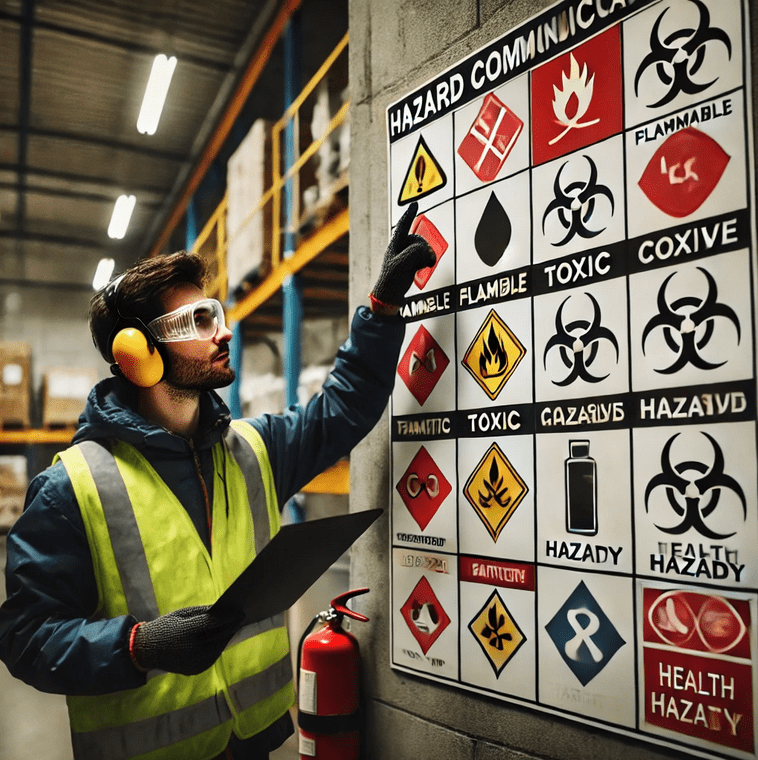
In today’s complex workplace environments, employees are exposed to various potential hazards, from chemical substances to heavy machinery and biological agents. Effective hazard communication is not only a legal requirement but also a fundamental aspect of workplace safety, ensuring that all employees are informed and equipped to protect themselves and others from harm. Hazard communication…
-
Why a Respiratory Protection Program Matters for Hazard Control
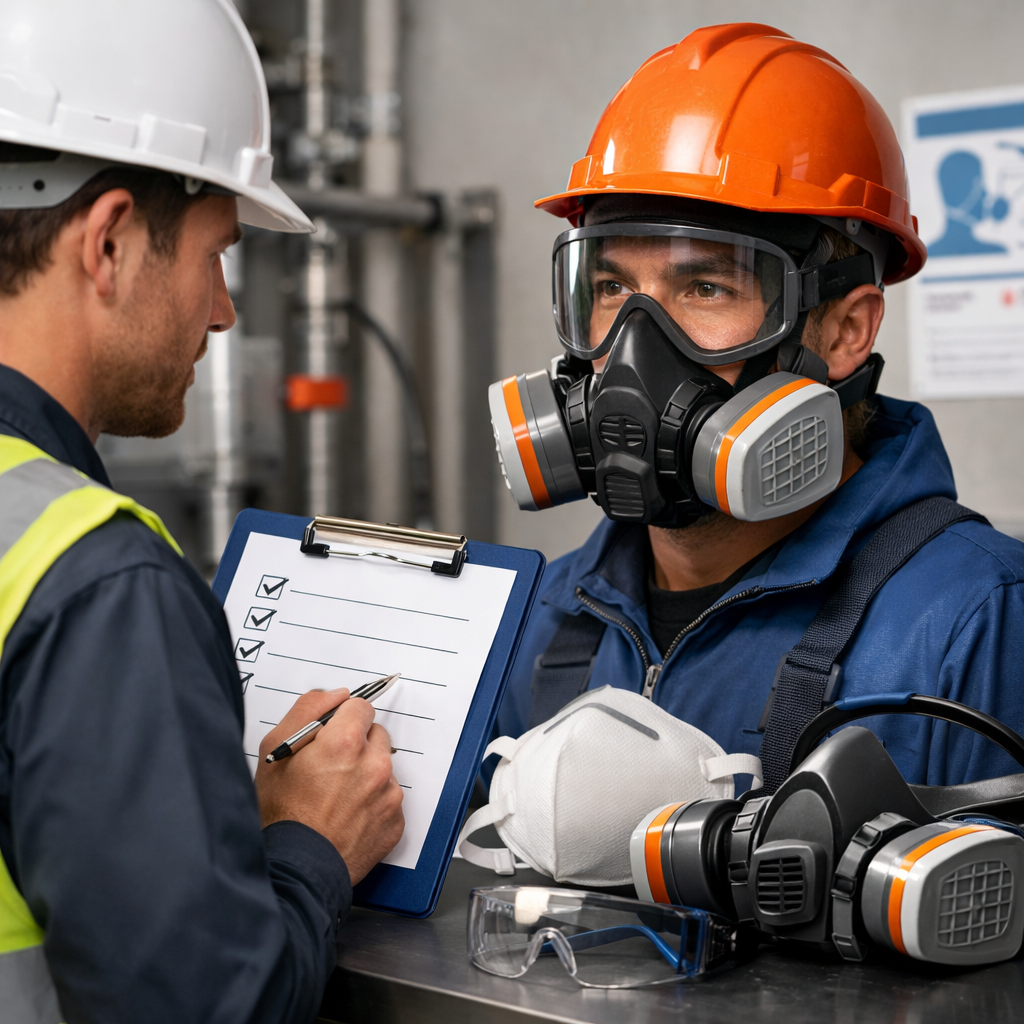
Respiratory Protection Program Steps for Reliable Hazard Control Respiratory protection program planning is a critical part of hazard control when workers may breathe in dust, fumes, mists, gases, vapors, or oxygen-deficient air. A well-managed program helps employers choose the right respirators, confirm workers can safely use them, and make sure protection is reliable in real…
-
Why emergency drill practices matter in different environments
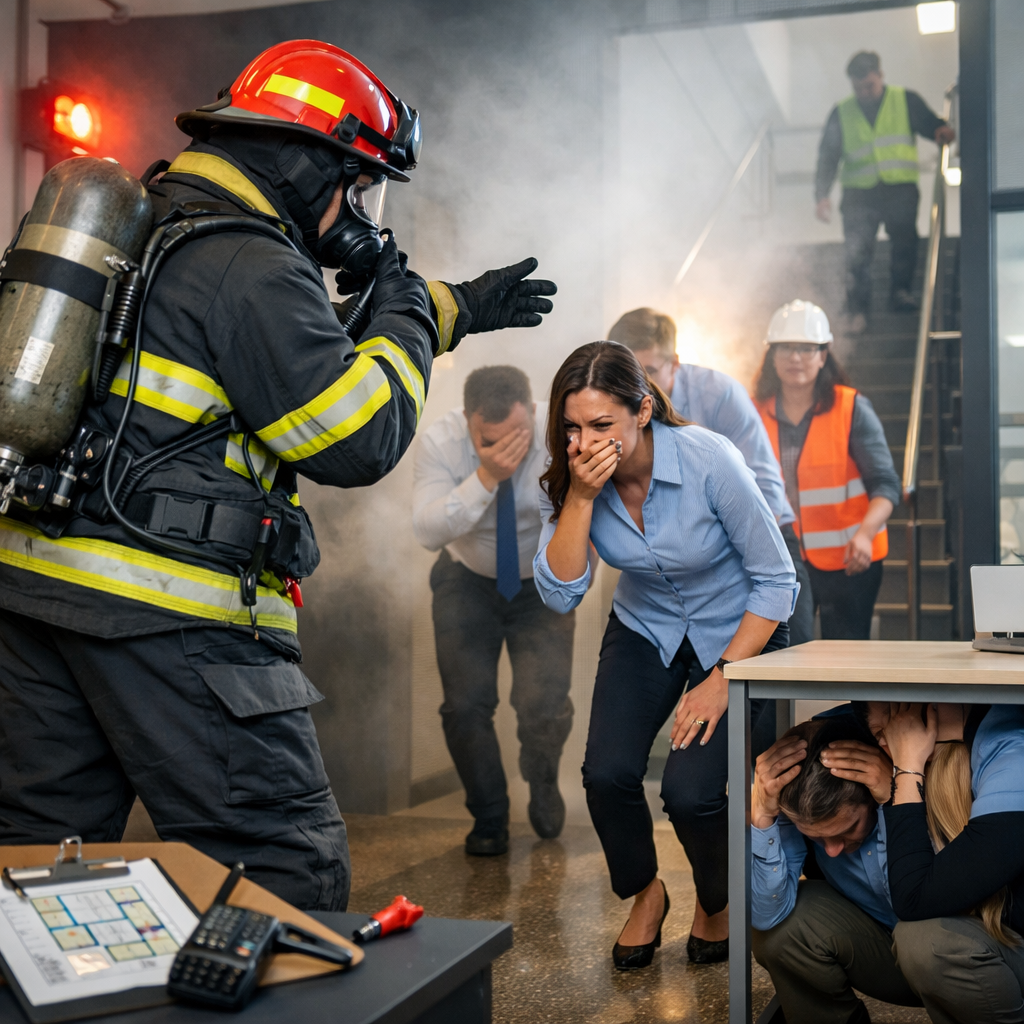
Emergency Drill Practices: Best Strategies for Schools, Offices, and Plants Emergency drill practices are a core part of workplace and school safety because they turn written plans into real actions people can follow under pressure. Whether the setting is a school, a corporate office, or an industrial plant, drills help people recognize alarms, understand escape…
-
Walking Surface Maintenance Starts with Inspection and Risk Control
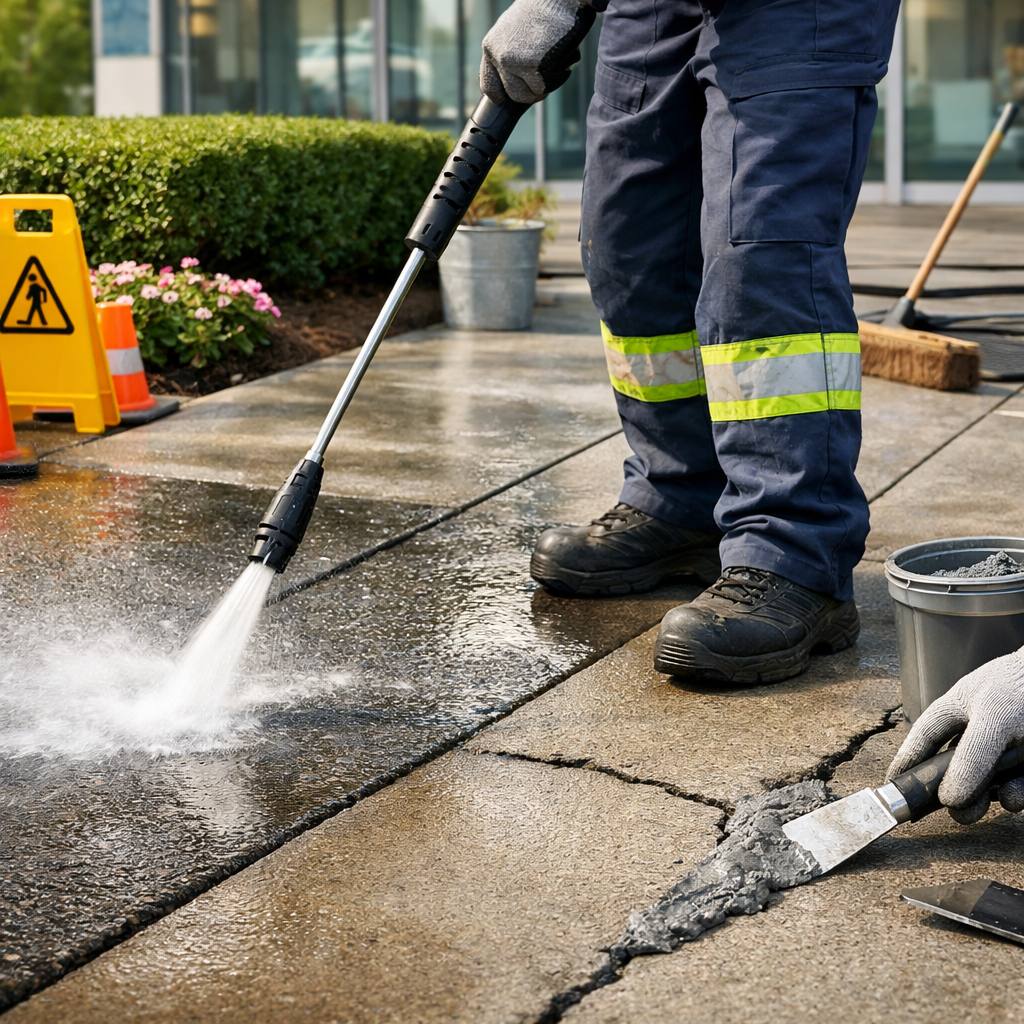
Walking Surface Maintenance: Practical Safe Walking Surface Maintenance Tips for Facilities Walking surface maintenance is one of the most important parts of facility safety because slips, trips, and falls can happen in almost any workplace. From office entrances and warehouses to schools, healthcare buildings, and retail sites, poorly maintained floors and walkways create daily risks…
-
Hand Protection Guide Basics: Start With the Hazard Assessment
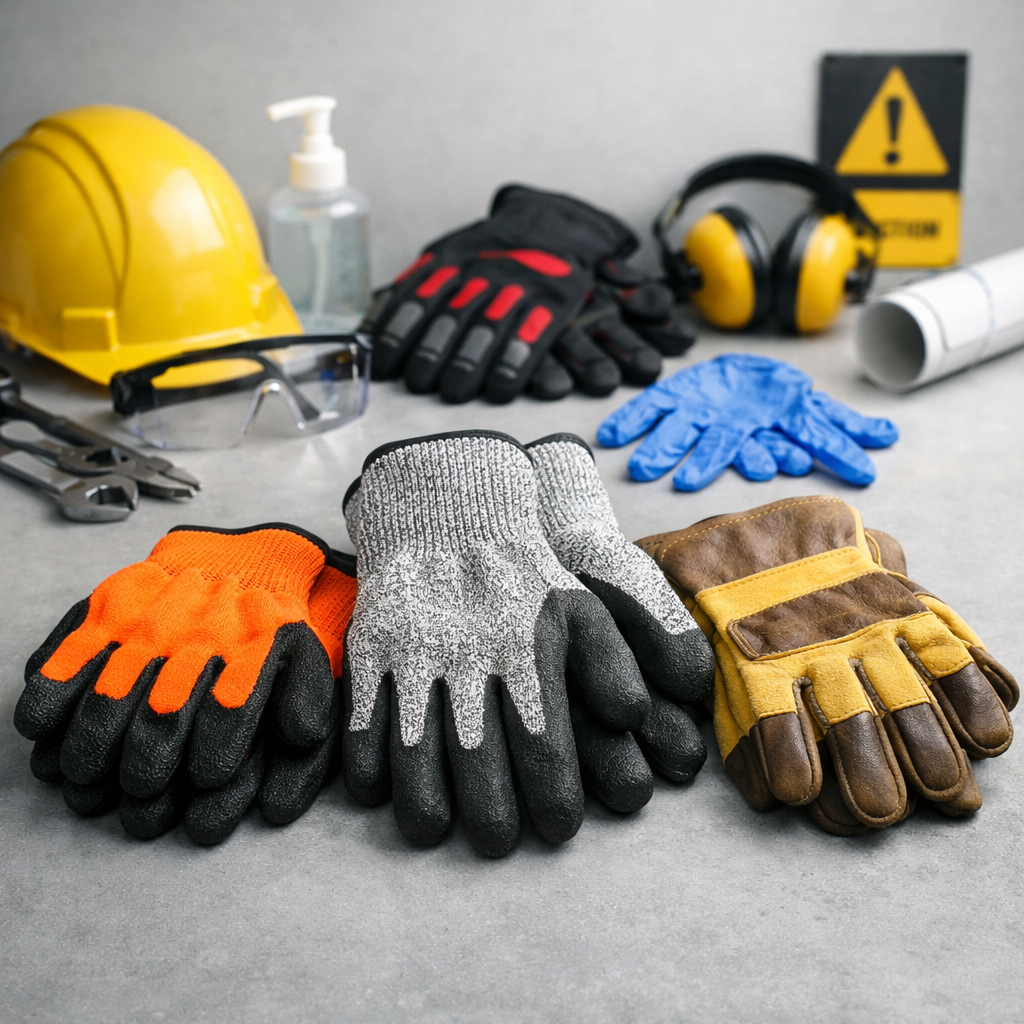
Hand Protection Guide: Complete Safety for Chemical and Mechanical Hazards Hand protection guide best practices begin with one simple fact: not all gloves protect against the same risks. In workplaces where employees handle chemicals, sharp materials, rough surfaces, hot equipment, or vibrating tools, selecting the right hand protection can prevent serious injuries and costly downtime.…
-
10 Best Practices for Paint Jobs and Related Work
10 Best Practices for Paint Jobs : Painting jobs and related tasks, such as surface preparation, spraying, and finishing, often involve exposure to hazardous substances, physical risks, and environmental concerns. Ensuring Occupational Health, Safety, and Environment (OHSE) compliance is critical for protecting workers, maintaining project quality, and adhering to legal requirements. This article outlines key…