
Walking Surface Maintenance: Practical Safe Walking Surface Maintenance Tips for Facilities
Walking surface maintenance is one of the most important parts of facility safety because slips, trips, and falls can happen in almost any workplace. From office entrances and warehouses to schools, healthcare buildings, and retail sites, poorly maintained floors and walkways create daily risks for workers, visitors, and contractors.
A practical maintenance program does more than keep a facility looking clean. It helps reduce injuries, supports compliance efforts, and protects operations from disruption. Guidance from organizations such as OSHA and CCOHS reinforces the need to manage floor conditions, visibility, housekeeping, and seasonal changes as part of a broader health and safety system.
For most facilities, effective walking surface maintenance comes down to a few core practices: controlling water with proper drainage, using the right mats, improving lighting, repairing damage quickly, and preparing for seasonal hazards. When these actions are built into inspections and preventive maintenance, walking routes stay safer and easier to manage.
Walking Surface Maintenance Starts with Inspection and Risk Control
The best walking surface maintenance plans begin with routine inspections. If a facility only reacts after someone reports a near miss or fall, hazards can remain in place too long. A scheduled inspection process helps maintenance teams identify slippery spots, damaged flooring, poor drainage, loose transitions, and visibility issues before they lead to injuries.
A simple way to strengthen inspections is to apply the Hierarchy of Controls. Elimination and engineering controls should come before administrative steps whenever possible. For example, fixing a drainage problem is more effective than repeatedly placing caution signs near a puddle. Replacing broken flooring is better than relying only on reminders for staff to “watch their step.”
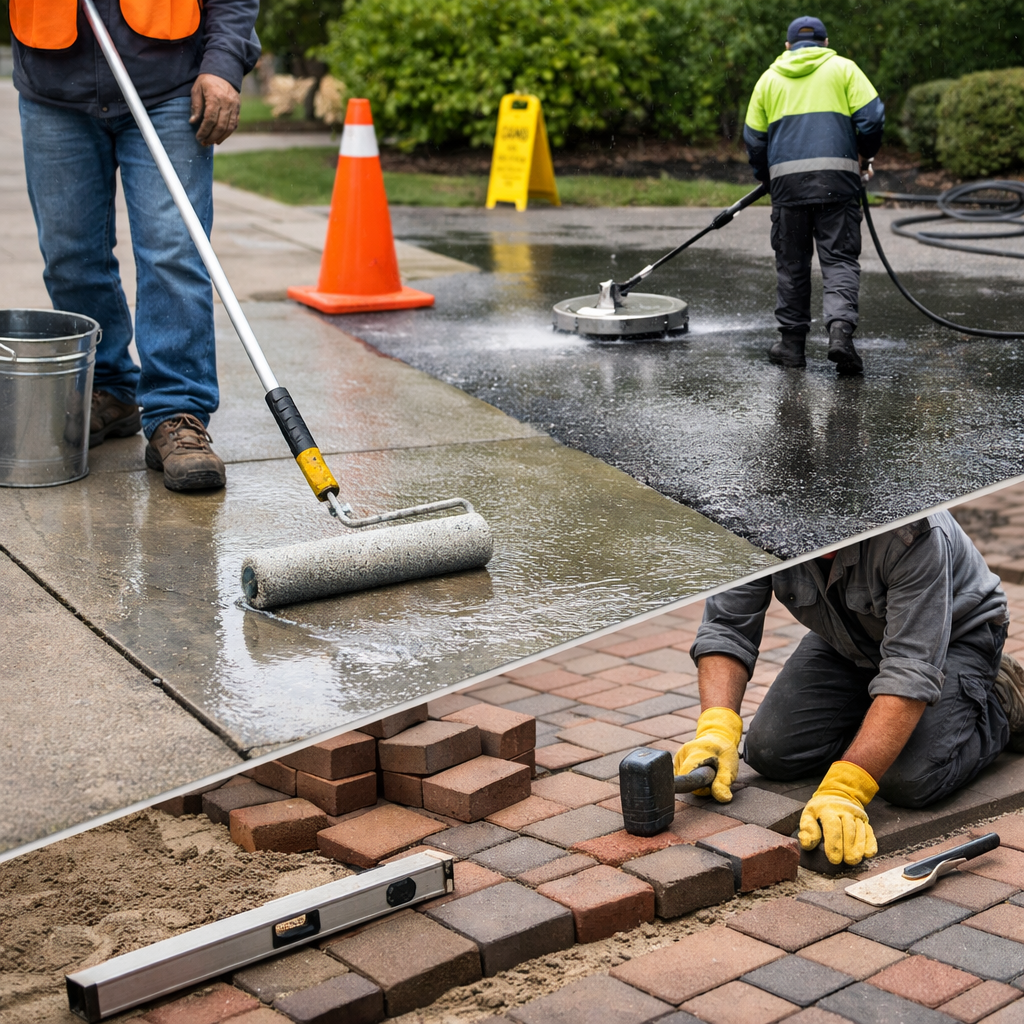
What to check during inspections
- Wet areas near entrances, restrooms, kitchens, and loading zones
- Cracked concrete, broken tiles, torn carpet, and uneven transitions
- Loose handrails, stair nosings, and floor edging
- Drainage issues around doorways, sidewalks, ramps, and exterior paths
- Burned-out lights or shadowed walkways
- Worn mats that curl, slide, or no longer absorb moisture
- Seasonal hazards such as ice, snow, leaves, or mud tracked indoors
It also helps to review incident reports and near-miss data. If several slip reports come from one entrance or corridor, that area likely needs a more permanent control. Facilities can also support safer outcomes with internal resources such as safety inspection checklists and preventive maintenance planning to standardize follow-up actions.
Drainage and Mats: Two Front-Line Defenses
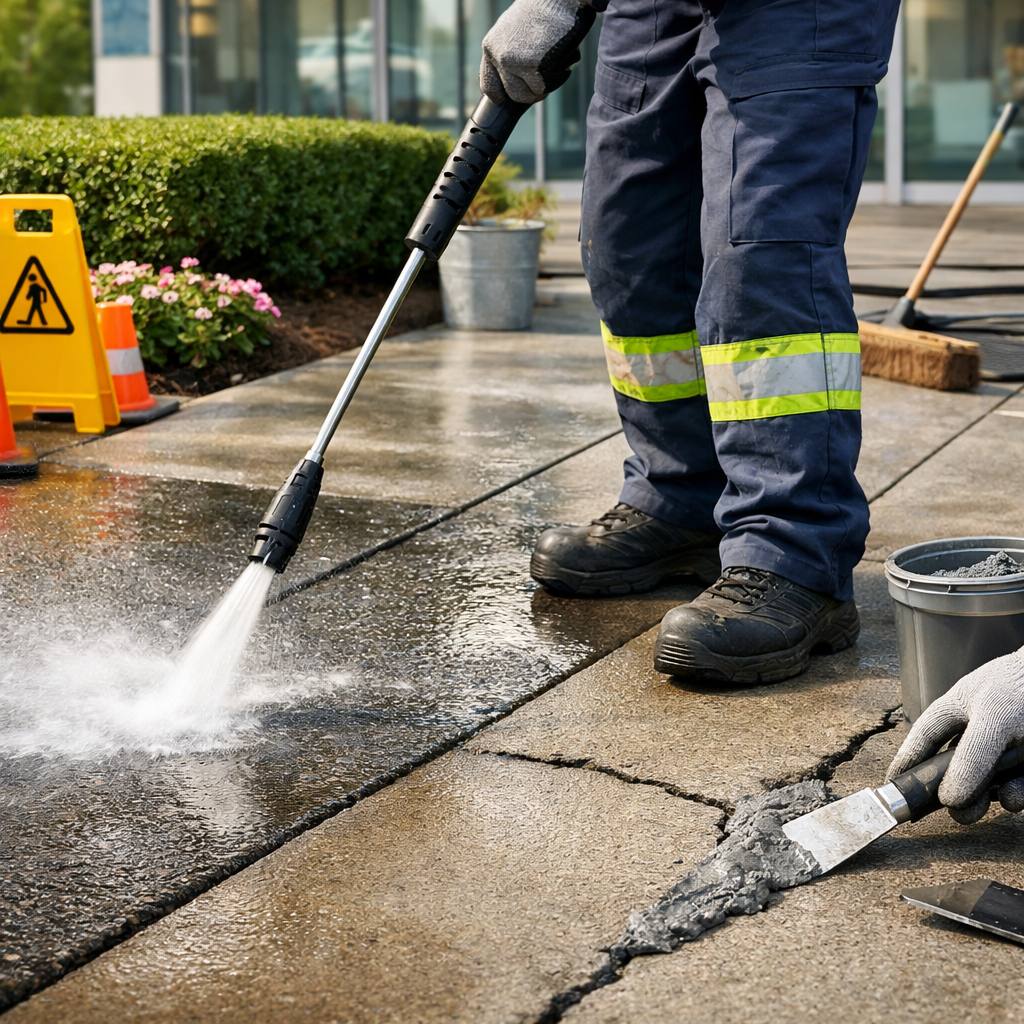
Water is one of the most common causes of slip hazards, which makes drainage a central part of walking surface maintenance. Exterior grading, roof runoff, downspouts, trench drains, and door thresholds all affect whether water stays outside or enters the building. If water pools near entrances, employees may spend hours mopping a problem that should really be solved through building or site improvements.
Facilities should inspect drainage during both dry and wet conditions. A walkway may look fine on a clear day but become dangerous after heavy rain. Check for blocked drains, settled pavement, standing water near curbs, leaking irrigation systems, and splashback from downspouts. In loading docks and service corridors, make sure drainage paths are clear and floor slopes direct water away from travel routes, not across them.
Choosing and maintaining mats properly
Mats are another essential tool, but only when selected and maintained correctly. A mat that is too small, saturated, or curled at the edges can become a trip hazard instead of preventing one. Entry matting should be long enough to allow several foot contacts so shoes can shed water and debris before people step onto interior flooring.
Good walking surface maintenance includes a routine for inspecting, cleaning, rotating, and replacing mats. Consider the mat’s backing, absorbency, slip resistance, and fit for the traffic level. High-traffic entrances often need a combination of scraper mats outside and absorbent mats inside.
| Area | Common Hazard | Practical Control |
|---|---|---|
| Main entrance | Rainwater tracked inside | Canopy, proper drainage, scraper and absorbent mats |
| Loading dock | Pooled water and mud | Drain cleaning, slope correction, frequent housekeeping |
| Break room or kitchen | Spills and grease residue | Immediate cleanup, slip-resistant flooring, targeted matting |
| Exterior walkway | Standing water or ice | Drainage repair, de-icing plan, surface treatment |
Lighting and Repairs Are Core to Walking Surface Maintenance
Even a well-designed floor can become hazardous when lighting is poor. People need to see changes in elevation, wet patches, debris, cords, and damaged edges in time to react safely. Lighting problems are especially common in stairwells, parking areas, service corridors, storage rooms, and exterior paths used in early morning or evening hours.
Walking surface maintenance should include regular lighting checks with quick replacement of failed bulbs or fixtures. Pay attention to glare, shadows, and inconsistent brightness, not just whether the light is technically on. Motion-activated lights can help in low-traffic areas, while brighter task and path lighting may be more suitable for delivery routes, ramps, and stair entries.
Repair defects before they become incident points
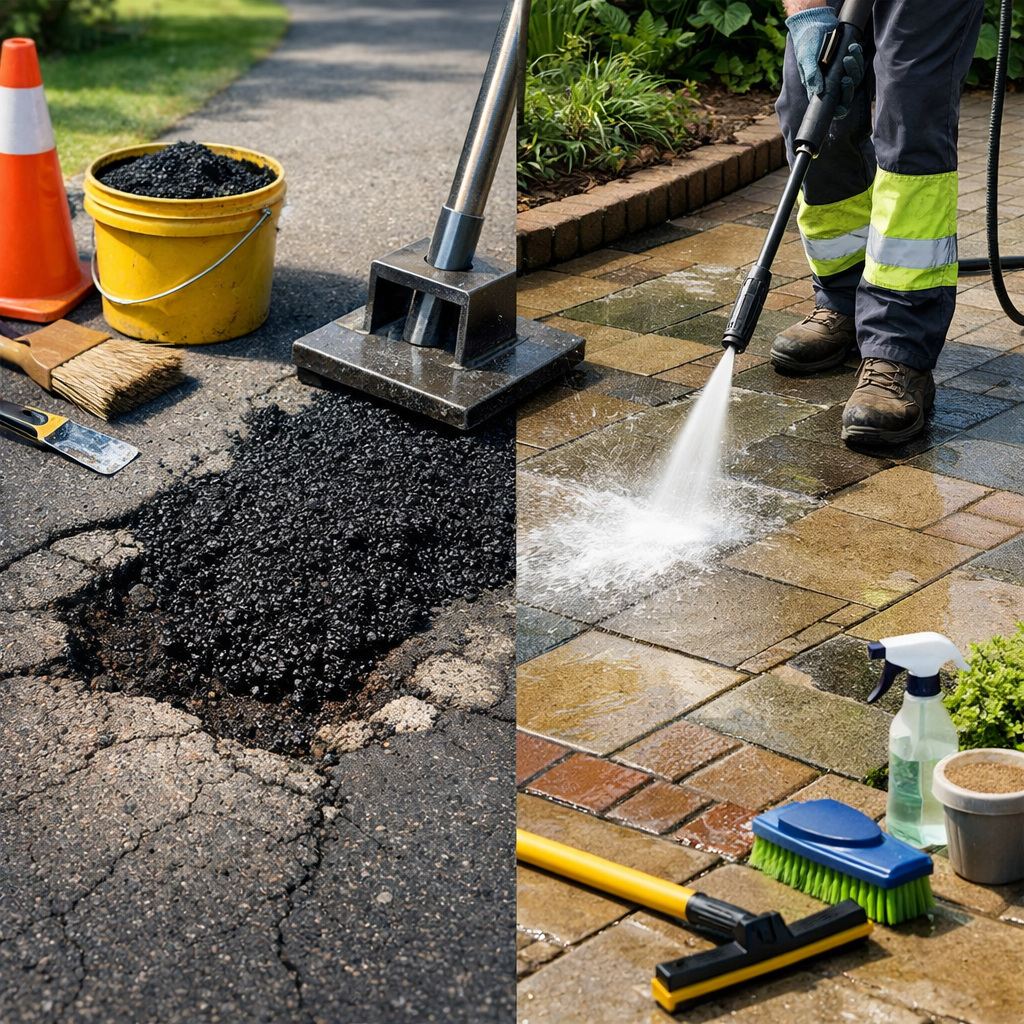
Small defects often lead to major injuries when they are left unaddressed. A raised sidewalk slab, loose stair nosing, frayed carpet seam, or cracked tile may seem minor until someone catches a toe or loses balance while carrying materials. Prompt repair is one of the strongest administrative and engineering controls available to facility managers.
Create clear reporting channels so workers can flag hazards immediately. Then assign response times based on risk. For example, a severe trip edge in a main corridor may require immediate barricading and urgent repair, while cosmetic flooring wear in a low-traffic area can be scheduled later. This approach reflects practical risk management and aligns with safety expectations outlined by OSHA walking-working surface requirements.
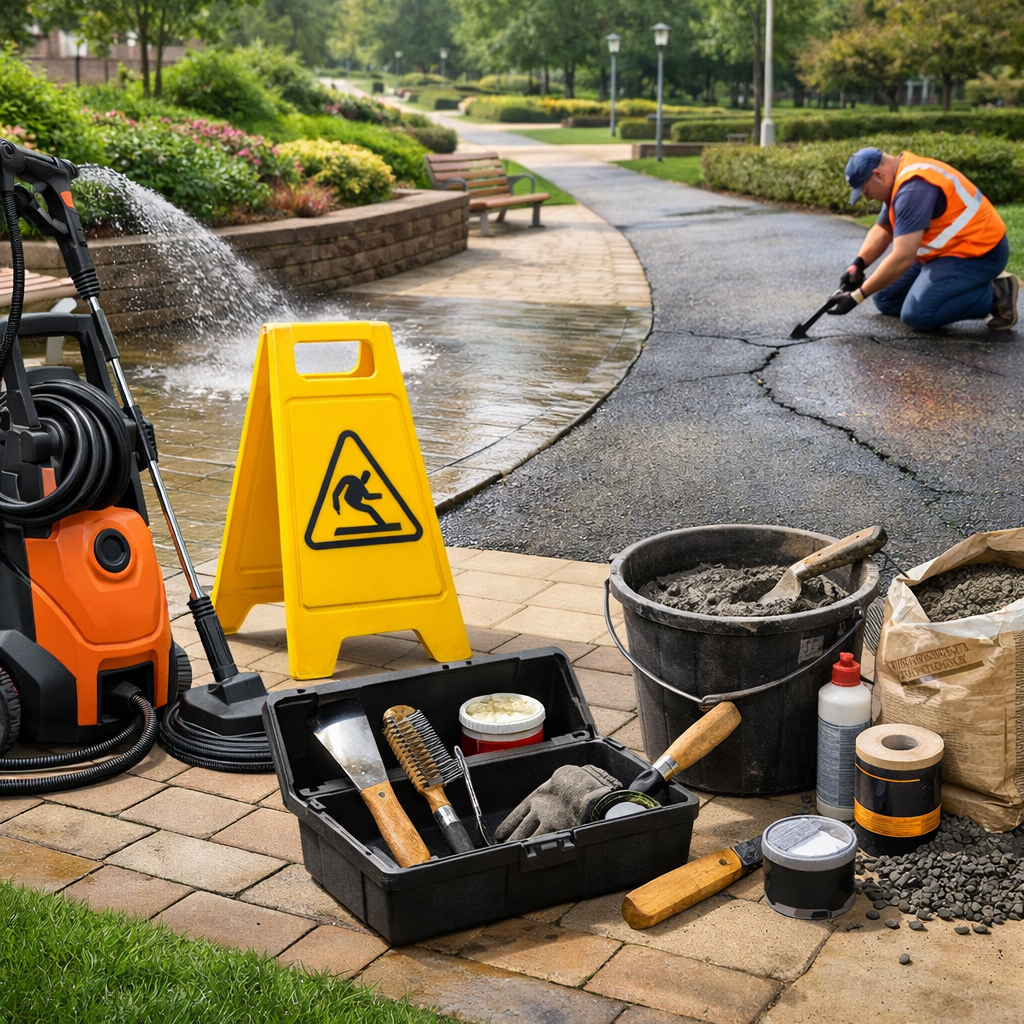
Where immediate repair is not possible, use temporary controls such as isolating the area, improving lighting, installing high-visibility markings, and posting clear warnings. Temporary controls should not become permanent substitutes for proper repair.
Seasonal Hazards Require a Preventive Plan
Seasonal conditions can change walking risks quickly, especially in facilities with outdoor access routes, shipping areas, public entrances, or large parking lots. In winter, snow and ice create obvious hazards, but colder weather also means meltwater gets tracked indoors and refreezing can happen around shaded entrances. In autumn, wet leaves can make sidewalks slick. In spring, heavy rain can expose drainage weaknesses. In summer, dust, sand, and dried residue may reduce traction in industrial or outdoor work areas.
Walking surface maintenance should therefore be seasonal, not static. A strong winter plan might include snow clearing priorities, de-icing product selection, inspection schedules during storms, and designated responsibilities for shifts and contractors. Exterior routes should be treated before peak pedestrian traffic whenever possible, with attention to stairs, ramps, and accessible access points.
Seasonal controls that improve safety
- Inspect drainage before rainy or freezing seasons begin
- Stock enough de-icing materials, shovels, and absorbent products
- Use weather-resistant mats at entrances during wet months
- Increase cleaning frequency when mud, salt, or leaves are tracked indoors
- Check exterior lighting earlier as daylight hours shorten
- Review contractor responsibilities for snow and ice removal
- Document inspections and corrective actions after major weather events
Training matters here as well. Staff should know how to report hazards, respond to spills, place signage correctly, and escalate recurring issues that suggest a larger repair or design problem. Facilities with multiple buildings or campuses may benefit from seasonal walkthroughs that compare conditions across locations and standardize controls.
In the end, walking surface maintenance is most effective when it is proactive, documented, and tied to real workplace conditions. By focusing on drainage, mats, lighting, repairs, and seasonal hazards, facilities can reduce common slip and trip risks before they lead to injury. A practical program built on inspections, prompt corrections, and sensible controls protects people, supports compliance, and keeps operations running smoothly. When walking surface maintenance becomes part of everyday facility management rather than an afterthought, safer movement throughout the workplace becomes much easier to achieve.
No comments yet