

Working on petroleum rigs, both offshore and onshore, presents significant occupational hazards that require stringent safety protocols to protect workers.
Due to the complexity of drilling operations and the extreme environments in which they take place, maintaining high standards of Occupational Health and Safety (OHS) is essential.


This detailed article will explore the OHS challenges faced by petroleum rig workers, the safety measures required, and the role of both employers and employees in ensuring a safe working environment.
- 1. Introduction to Petroleum Rigs and Occupational Hazards
- 2. Key Occupational Health and Safety Standards
- 3. Safety Protocols on Petroleum Rigs
- 4. Emergency Response Procedures
- 5. Safety Equipment and Technology on Petroleum Rigs
- 6. Workers’ Rights and Responsibilities
- 7. Questions for Self-Assessment
1. Introduction to Petroleum Rigs and Occupational Hazards
Petroleum rigs are highly specialized industrial setups designed for drilling, extracting, and processing oil and natural gas. Workers on these rigs are exposed to a wide array of hazards due to the harsh environments, high-pressure machinery, volatile chemicals, and complex processes involved in oil extraction.
Common Occupational Hazards on Petroleum Rigs:
- Explosions and Fires: Oil and gas are highly flammable substances. The presence of ignitable vapors, electrical equipment, and open flames can trigger fires or explosions.
- Falls: Workers on rigs are often required to work at heights, especially on offshore platforms. This increases the risk of falls, which can result in severe injuries or fatalities.
- Heavy Machinery and Equipment: Rig operations involve heavy machinery such as cranes, drill bits, and hoists, which pose risks of crush injuries, amputations, and other physical harm.
- Chemical Exposure: Workers are exposed to hazardous chemicals such as hydrogen sulfide, drilling fluids, and other volatile organic compounds, which can lead to respiratory problems or chemical burns.
- Fatigue: Long working hours, extreme weather conditions, and the isolated nature of petroleum rigs contribute to worker fatigue, increasing the likelihood of human errors and accidents.
- Environmental Hazards: Offshore rigs are subject to extreme weather conditions, such as storms, high winds, and rough seas, which can destabilize the platform and endanger workers.
2. Key Occupational Health and Safety Standards
Occupational Health and Safety standards for petroleum rigs are governed by both national and international regulations. These standards are designed to mitigate the risks associated with oil drilling and production.
Major OHS Standards for Petroleum Rigs:
- Occupational Safety and Health Administration (OSHA): In the U.S., OSHA regulations apply to oil and gas drilling operations. Employers are required to provide a safe working environment and comply with industry-specific safety standards.
- International Maritime Organization (IMO): Offshore rigs must comply with IMO regulations, which provide guidelines for ship and rig safety, including safe evacuation protocols, fire safety, and environmental protection.
- API Standards: The American Petroleum Institute (API) sets guidelines for safe oil and gas operations, covering everything from well construction to pipeline safety.
- ISO Standards: ISO 45001 is the international standard for occupational health and safety management systems, designed to reduce workplace injuries and enhance safety practices.
3. Safety Protocols on Petroleum Rigs
To minimize the risks associated with petroleum rig operations, employers must implement comprehensive safety protocols. These protocols are designed to prevent accidents and ensure that workers are trained and equipped to handle emergencies.
Pre-Job Safety Measures
a. Risk Assessments and Hazard Identification
Before any drilling or maintenance activity begins, employers must conduct a thorough risk assessment of the worksite to identify potential hazards. This assessment includes:
- Identifying areas prone to fire or explosion risks.
- Recognizing chemical hazards and ensuring proper handling procedures.
- Evaluating mechanical and electrical equipment to ensure proper functioning.
b. Personal Protective Equipment (PPE)
Workers on petroleum rigs must be equipped with the appropriate personal protective equipment (PPE) for the job, including:
- Flame-resistant clothing: Protects against fire and chemical spills.
- Hard hats and safety glasses: Protect against falling objects and debris.
- Steel-toed boots: Safeguard against crush injuries from heavy equipment.
- Respirators and gas masks: Protect workers from hazardous gases such as hydrogen sulfide.
- Fall arrest systems: Safety harnesses and lifelines are crucial when working at heights.
c. Training and Competency
Workers must receive extensive training in the following areas:
- Equipment Operation: Training on how to safely operate drilling equipment, hoists, and cranes.
- Emergency Procedures: Drills for fire, explosions, oil spills, and evacuation.
- Hazardous Material Handling: Proper handling and disposal of hazardous chemicals, as well as emergency response protocols for chemical spills or gas leaks.
On-the-Job Safety Measures

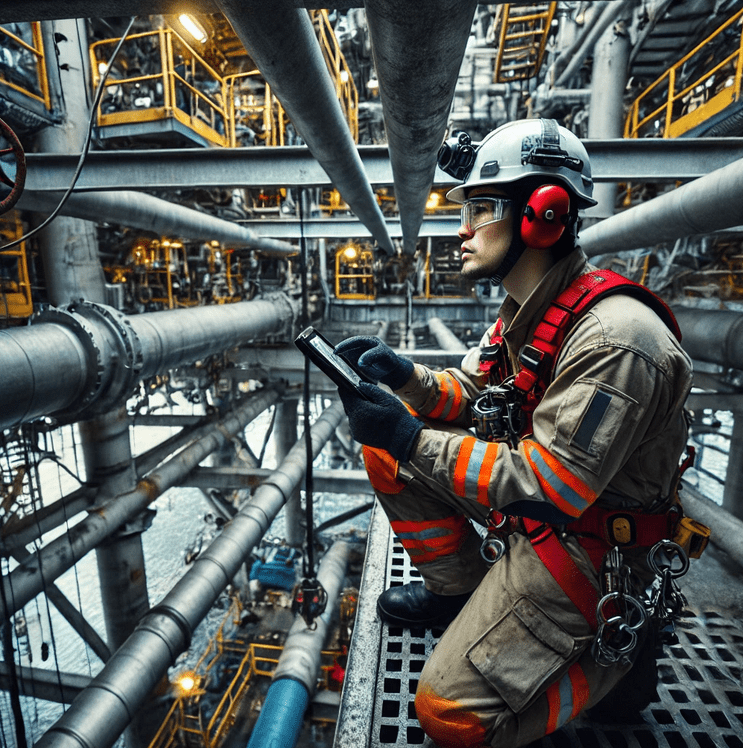
a. Permit to Work (PTW) System
The Permit to Work system ensures that hazardous work activities, such as hot work (welding) or confined space entry, are properly planned and authorized before they begin. This system requires supervisors to review and approve job tasks, ensuring that all necessary safety measures are in place.
b. Machine Guarding and Lockout/Tagout (LOTO) Procedures
Machine guarding involves placing physical barriers or safeguards on dangerous machinery to prevent accidental contact or injury. The LOTO procedure ensures that machines are de-energized and locked to prevent accidental startup during maintenance or repair work.
c. Monitoring and Control of Flammable Gases
Rigs are equipped with gas detection systems that continuously monitor the air for the presence of flammable gases like methane and hydrogen sulfide. Alarms are triggered if gas concentrations reach dangerous levels, prompting immediate evacuation or corrective action.
d. Fatigue Management
Petroleum rigs operate 24/7, often with rotating shifts. To manage worker fatigue:
- Employers must enforce rest periods and ensure adequate sleep for workers.
- Rotational shifts should be structured to minimize fatigue accumulation.
- Fatigue risk management programs should be implemented to monitor workers’ physical and mental health.
Post-Job Safety Measures
a. Post-Job Inspections
After completing any task, the worksite and equipment must be inspected to ensure everything is in a safe condition. This includes:
- Checking machinery for damage or wear.
- Ensuring that all hazardous materials are securely stored.
- Verifying that safety systems, such as fire suppression equipment, are operational.
b. Incident Reporting and Investigation
All incidents, whether accidents or near-misses, must be reported immediately. Employers should conduct thorough investigations to determine the root cause of the incident and implement corrective actions to prevent future occurrences.
4. Emergency Response Procedures
Given the hazardous nature of petroleum rigs, having robust emergency response procedures is critical. Emergencies such as fires, explosions, gas leaks, and oil spills require prompt action to protect workers and minimize environmental damage.
Fire and Explosion Procedures
- Evacuation Routes: Clear evacuation routes must be marked, and regular drills must be conducted to ensure workers can evacuate quickly in case of an emergency.
- Fire Suppression Systems: Rigs must be equipped with automatic fire suppression systems, including sprinklers, fire extinguishers, and foam suppression systems.
- Blast-Proof Shelters: Many rigs have blast-proof shelters to protect workers from explosions and fires while awaiting rescue.
Gas Leak Response
- Workers should immediately evacuate to a safe location upon detection of a gas leak, especially if toxic gases like hydrogen sulfide are involved.
- Gas masks or respirators should be worn when evacuating through areas affected by gas leaks.
Oil Spill Response
- Containment Booms: Booms are deployed to contain oil spills and prevent the spread of oil in offshore environments.
- Oil Skimmers: These devices are used to remove oil from the surface of the water.
- Dispersants: Chemical dispersants may be used to break down oil spills, making them easier to manage.
5. Safety Equipment and Technology on Petroleum Rigs
a. Personal Protective Equipment (PPE)
PPE is the first line of defense in protecting workers from injuries on petroleum rigs. Workers are required to wear:
- Fire-resistant clothing to protect from heat and flames.
- Gas detection monitors that alert workers to the presence of hazardous gases.
- Breathing apparatuses in case of gas exposure or chemical spills.
- Safety harnesses for workers performing tasks at height.
b. Safety Technologies
Advanced technologies have become an essential part of maintaining safety on petroleum rigs:
- Remote Monitoring Systems: These systems allow operators to monitor pressure, temperature, and gas levels from a control room, reducing the need for workers to be in hazardous areas.
- Blowout Preventers (BOPs): BOPs are critical pieces of equipment that automatically seal the well in the event of a pressure control failure, preventing blowouts and oil spills.
- Fire and Gas Detection Systems: These automated systems provide early warnings for fires or gas leaks, ensuring workers can evacuate quickly in emergencies.
6. Workers’ Rights and Responsibilities
Workers on petroleum rigs have the right to a safe working environment. Under OHS regulations, workers must be provided with proper training, safety equipment, and a clear understanding of their duties.
Key Worker Responsibilities:
- Follow Safety Procedures: Workers must adhere to all safety protocols, including wearing PPE and following instructions related to machine operation.
- Report Hazards: Workers are required to report any potential hazards, unsafe conditions, or equipment malfunctions to their supervisor immediately.
- Participate in Training: Workers must attend regular safety training sessions and refresher courses to stay up-to-date on the latest safety practices.
- Use Equipment Correctly: Workers must use all safety equipment and machinery as trained, avoiding shortcuts that could endanger themselves or others.
7. Questions for Self-Assessment
- What are the most common hazards associated with working on petroleum rigs, and how can they be mitigated?
- Why is the Permit to Work (PTW) system crucial for hazardous tasks on petroleum rigs?
- How can fatigue management programs improve worker safety on petroleum rigs?
- What role do blowout preventers (BOPs) play in preventing major accidents on oil rigs?
- How should workers respond in the event of a gas leak or fire on an offshore petroleum rig?
Working on petroleum rigs poses significant risks due to the harsh environment and complex operations involved in oil extraction.
By adhering to Occupational Health and Safety (OHS) standards, conducting thorough risk assessments, and implementing comprehensive safety protocols, employers can ensure a safer workplace for rig workers. Workers, in turn, must follow safety guidelines, use equipment properly, and report any unsafe conditions.
Safety on petroleum rigs is a shared responsibility between employers and employees. With robust safety measures in place, the dangers associated with working in the oil and gas industry can be minimized, leading to a safer and more efficient work environment.