
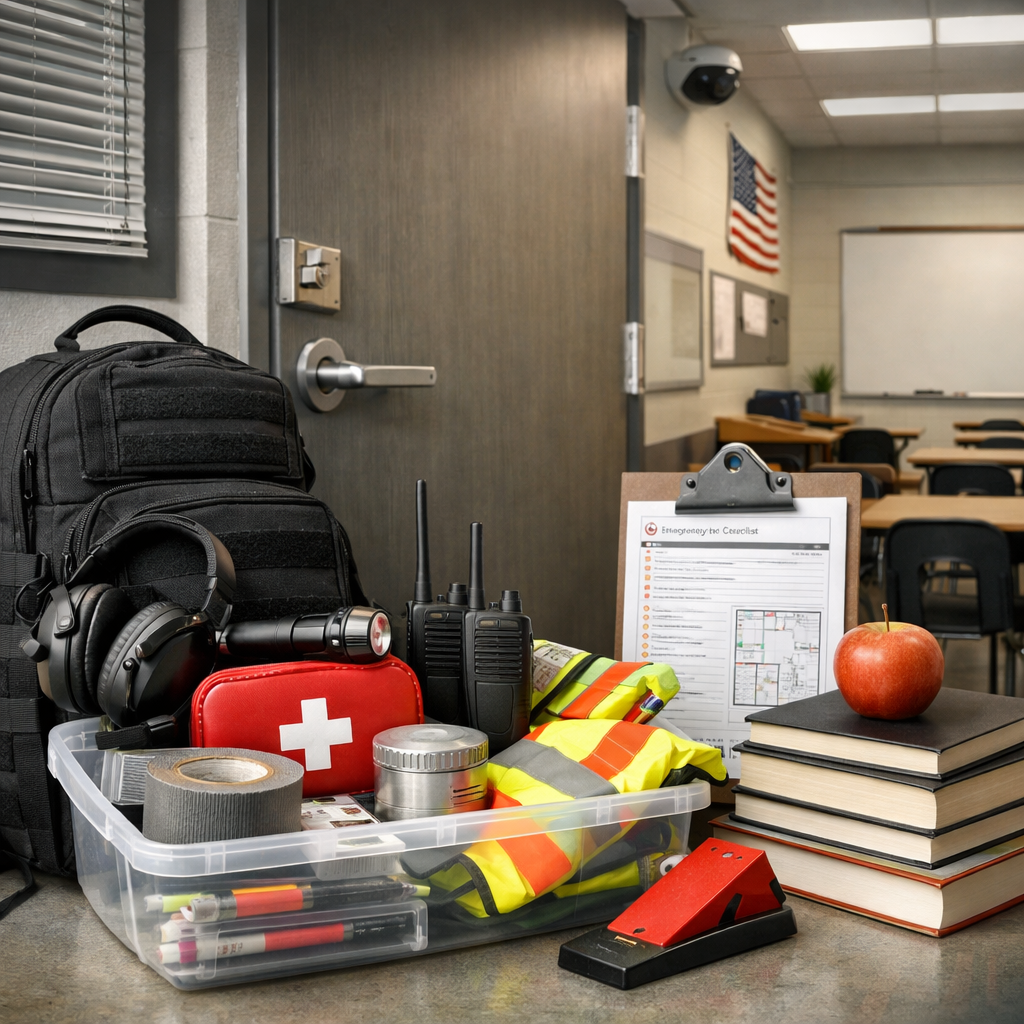

School lockdown preparedness helps students respond calmly, follow instructions quickly, and reduce confusion during a serious safety event. In a Canadian school setting, a lockdown is a protective action used when there is a potential danger inside the school or nearby, and the goal is simple: secure spaces, stay quiet, and wait for direction from school staff or emergency responders.
For students, parents, and educators, the most useful approach is not fear, but practice. When schools explain procedures clearly and rehearse them in an age-appropriate way, students are more likely to remember what to do under stress. Good preparedness also supports a wider culture of safety that includes hazard awareness, respectful communication, and following established school emergency plans.
Schools across Ontario and Canada may use slightly different procedures, so students should always follow local school rules and staff direction first. General emergency planning information can be found through Ontario government resources, CCOHS, and OHSE.ca, which all support practical safety thinking in schools and workplaces.
What school lockdown preparedness means
School lockdown preparedness means knowing the difference between a drill and a real event, understanding the basic steps, and being ready to act without delay. A lockdown is different from a fire drill or evacuation. Instead of leaving the building, people usually move into the nearest secure room, lock or barricade the door if directed, stay out of sight, silence devices, and remain quiet until an authorized all-clear is given.
In most schools, staff lead the process. Students are not expected to make complex decisions on their own. Their role is to listen, move quickly but calmly, and avoid actions that create noise or distraction. This is especially important in shared spaces such as hallways, washrooms, cafeterias, gyms, libraries, and portable classrooms, where supervision and movement may be different from a regular classroom.
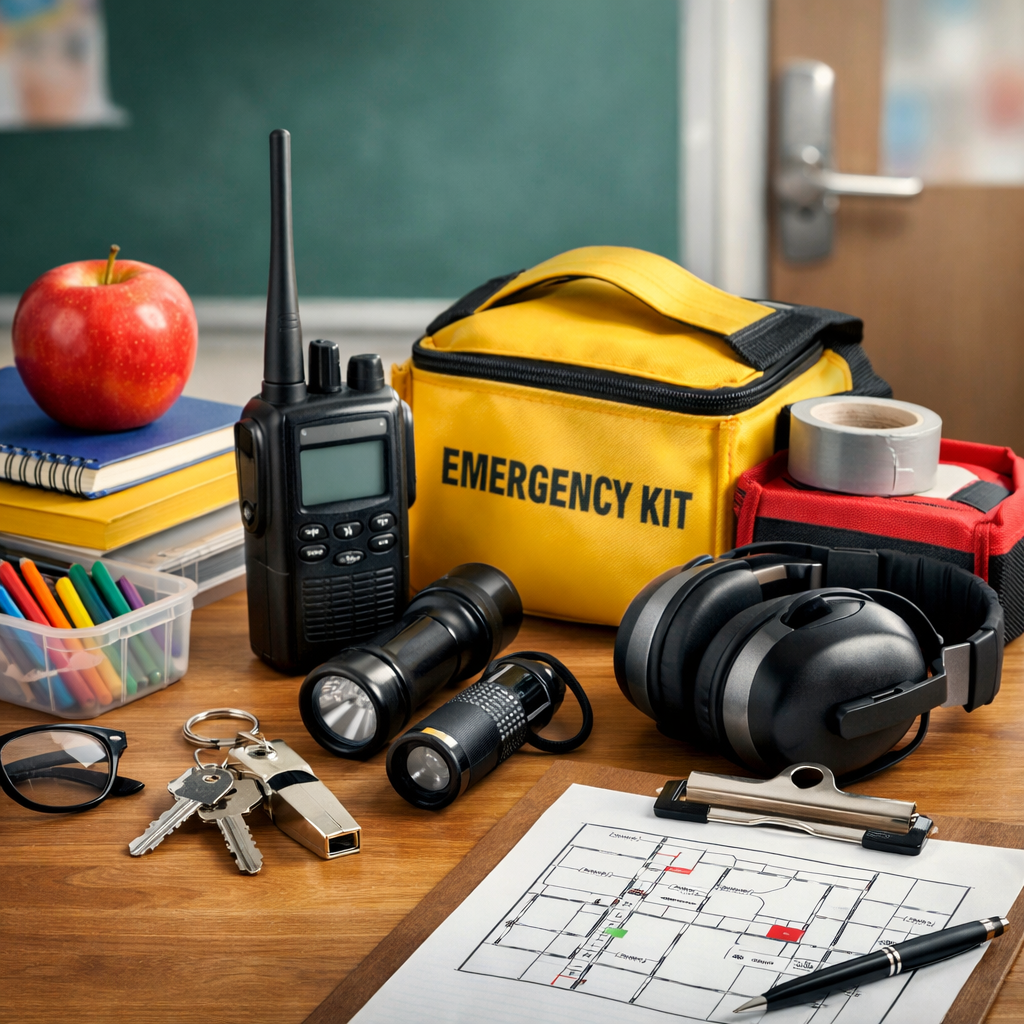
Core actions students should understand
- Stop what you are doing and listen immediately.
- Go to the nearest safe room or secure area directed by staff.
- Stay low, quiet, and out of sight from doors and windows.
- Silence your phone and do not use it unless told to do so.
- Do not open doors for anyone unless school staff or emergency responders instruct it.
- Wait for the official all-clear from authorized personnel.
These simple steps can be taught without creating panic. Younger students benefit from short, direct instructions. Older students can learn more about why each step matters and how their behaviour affects everyone around them.
School lockdown preparedness for students in everyday situations
The most effective school lockdown preparedness starts before any emergency happens. Students should know where they may go if they are not in their assigned classroom, such as during lunch, recess, co-op, shop class, or while moving between periods. Schools can reinforce this by reviewing expectations at the start of each term and before planned drills.
Parents can support preparedness by discussing lockdowns in a calm, matter-of-fact way at home. A useful message is that drills are for practice, just like fire drills or bus safety lessons. Families should also remind children that they may not be able to text right away during an event, because staying silent and following staff instructions comes first.
Practical examples by location
| Location | What students should do | Key reminder |
|---|---|---|
| Classroom | Move away from sight lines, stay quiet, follow teacher direction | Do not leave unless instructed |
| Hallway | Enter the nearest safe room if directed by staff | Do not run aimlessly through the building |
| Washroom | Follow the nearest staff direction or move to the nearest secure room if safe | Avoid making noise or using your phone |
| Cafeteria or gym | Move quickly with the group under staff supervision | Stay with school staff |
| Portable or outdoor area | Follow the supervising adult or local school procedure immediately | Site-specific plans matter |
For students in technical classrooms, labs, or shop spaces, there may be extra safety steps such as shutting off equipment if time and staff direction allow. This is where broader safety training matters. Schools and young workers can explore practical learning through OHSE training resources to build habits around hazard awareness and emergency response.
Staying calm during a lockdown
One of the most important parts of school lockdown preparedness is emotional regulation. Feeling nervous during a drill or real event is normal. The goal is not to ignore those feelings, but to use clear steps that help students stay focused. Calm behaviour helps teachers account for students, reduces noise, and improves communication.
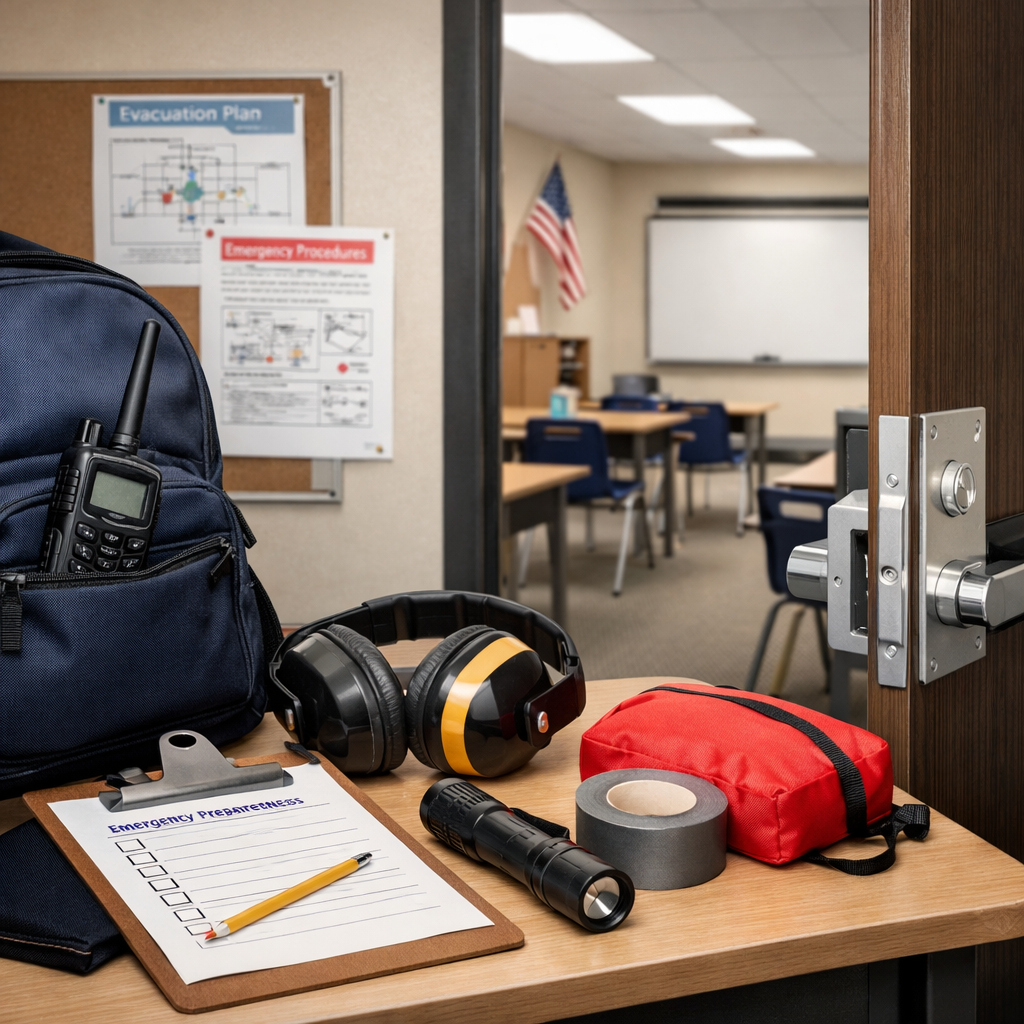
Students can use a few simple strategies: take slow breaths, keep their hands still, avoid whispering, and focus on the teacher’s directions. Older students can also help by setting a calm example for younger peers without taking over the staff role. During a real emergency, rumours can spread quickly, so students should avoid guessing, posting online, or sharing unverified information.
A short actionable checklist
- Know your school’s lockdown procedure.
- Pay attention during drills and post-drill reviews.
- Identify the nearest safe room in common school areas.
- Keep your phone on silent during the school day if your school requires it.
- Wear appropriate footwear and clothing for safe movement at school.
- Tell a teacher or principal if a door does not latch properly or if a safety concern is noticed.
- Follow only official instructions from school staff or emergency responders.
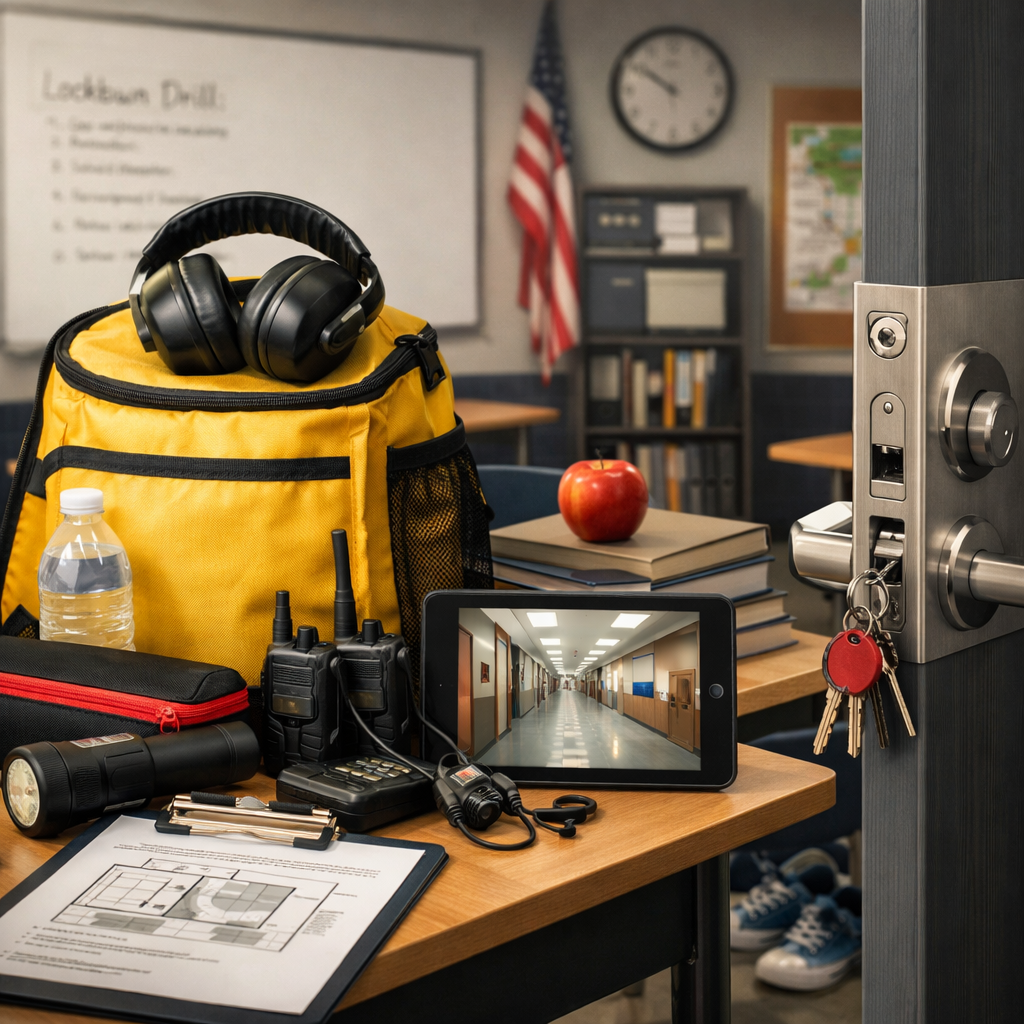
From a safety systems perspective, schools should also review physical controls such as door hardware, communication systems, visitor management, and staff training. This reflects the same prevention mindset used in occupational health and safety: identify hazards, strengthen controls, and practice response procedures before an emergency occurs.
How schools and families can strengthen school lockdown preparedness
School lockdown preparedness works best when schools, families, and community safety partners all understand their roles. Schools are responsible for emergency planning, staff training, drills, communication methods, and building security practices. Families can reinforce calm behaviour, update school contact information, and review any school-specific instructions sent home.
In Ontario and across Canada, schools should align their procedures with local board policies and emergency guidance. General prevention and health information may also be supported by resources from Health Canada and injury prevention organizations such as Parachute. These resources can support broader conversations about safety culture, student well-being, and emergency readiness.
A practical prevention lens can also draw from the Hierarchy of Controls. In a school setting, elimination of all risk is not always possible, but layers of protection matter. Administrative controls include lockdown procedures, sign-in rules, supervision, and drills. Engineering controls can include secure doors, communication systems, and controlled entry points. Clear training helps students and staff use those controls effectively.
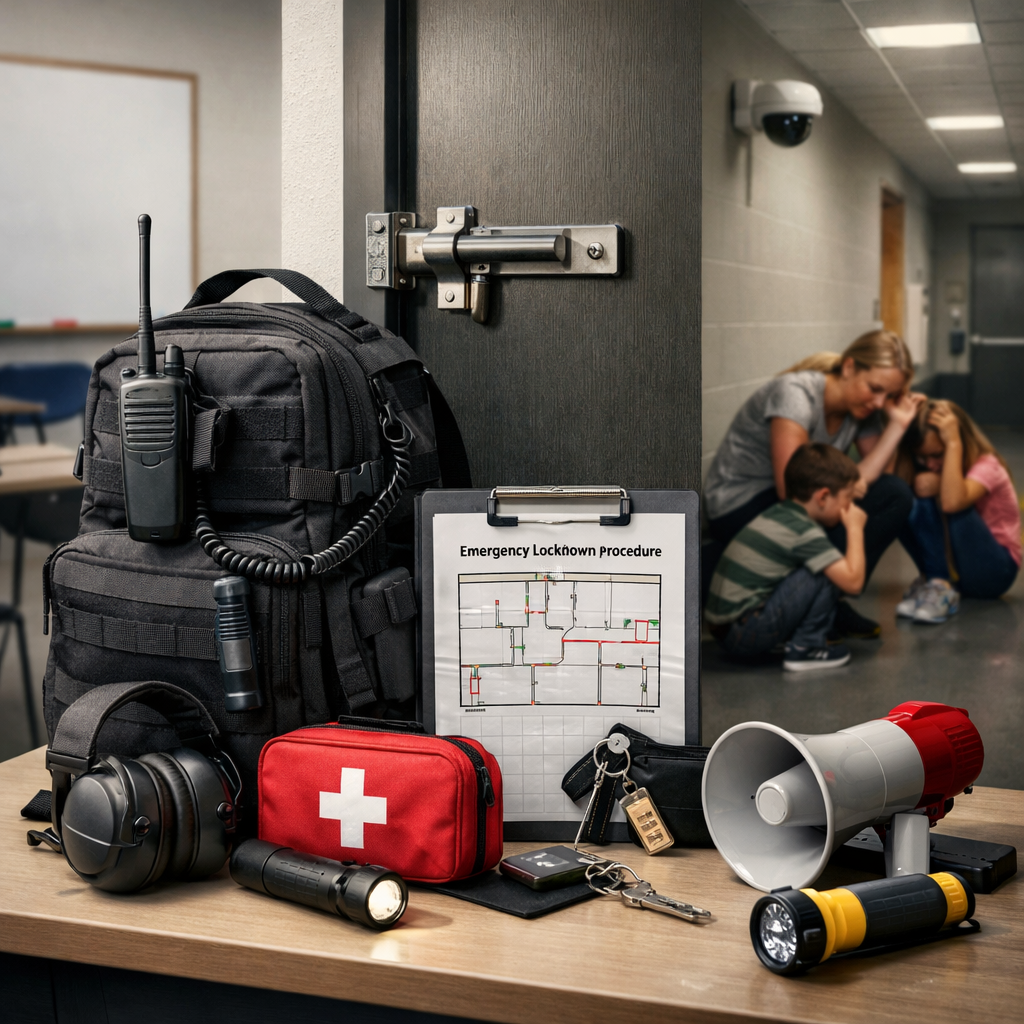
After drills, schools should review what worked and what needs improvement. Students may benefit from a short debrief that answers age-appropriate questions and corrects misunderstandings. Families can do the same at home by asking simple questions such as: Did you hear the instructions clearly? Did you know where to go? Do you have any concerns you want to tell your teacher about tomorrow?
School lockdown preparedness is ultimately about calm, practical action. When students understand the steps, when families reinforce them without alarm, and when schools maintain strong procedures, everyone is better prepared to respond safely. The best takeaway for students is simple: listen, move quickly to the nearest safe space, stay quiet, and follow your school’s directions until the official all-clear. That steady approach is the foundation of effective school lockdown preparedness.
No comments yet