

The Meaning of OHSE : OHSE—an acronym for Occupational Health Safety and Environment—is a multidisciplinary field dedicated to protecting the well-being of workers, ensuring safe workplaces, and minimizing environmental impacts from occupational activities.
It combines preventive strategies, policies, and practices designed to reduce risks of injury, illness, and ecological harm.

In modern industries, OHSE is not just a regulatory requirement but a critical element of sustainable business operations.
The Meaning of OHSE
At its core, OHSE emphasizes three interconnected areas:
- Occupational Health: Focuses on preventing work-related illnesses and promoting overall worker wellness. This includes medical surveillance, ergonomics, mental health initiatives, and workplace hygiene.
- Occupational Safety: Concentrates on preventing accidents and injuries. Examples include fall protection programs, machine guarding, hazard communication, and personal protective equipment (PPE).
- Environment: Ensures that workplace operations minimize pollution, conserve resources, and comply with environmental standards to protect the community and ecosystems.
Together, these areas form a comprehensive approach that benefits employees, employers, and society at large.
Why OHSE Matters in the Workplace
Workplace injuries, illnesses, and environmental incidents can have devastating consequences. OHSE practices:
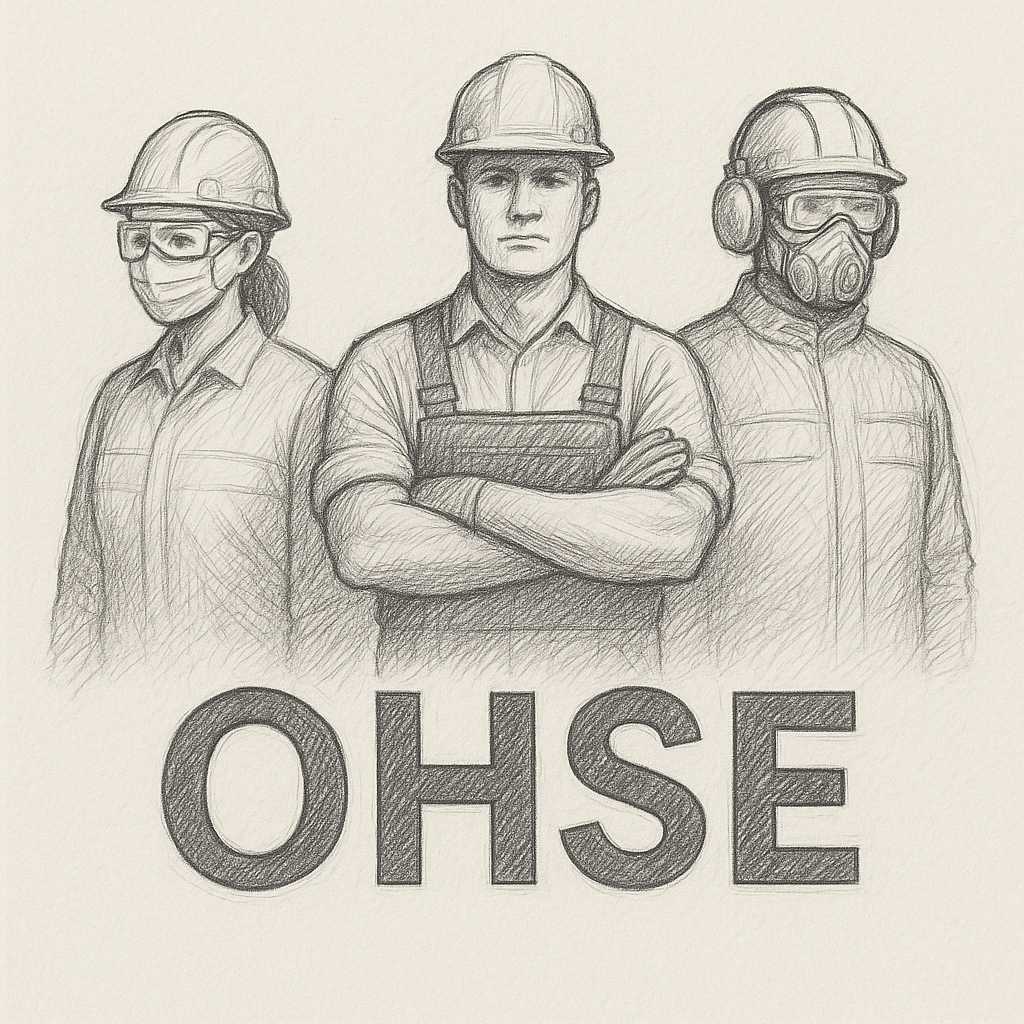
- Protect workers from physical, chemical, and psychological hazards.
- Reduce costs associated with accidents, compensation claims, and downtime.
- Improve employee morale and productivity through safer, healthier environments.
- Enhance an organization’s reputation by demonstrating corporate responsibility.
For example, industries like construction, oil and gas, manufacturing, and healthcare rely heavily on OHSE programs to reduce incidents such as falls, toxic exposures, and infectious disease outbreaks.
Principles of OHSE
Effective OHSE programs are built on several core principles:
- Prevention First: Anticipating and eliminating hazards before they cause harm.
- Compliance: Following local and international safety and environmental regulations (e.g., OSHA, ISO 45001, CSA standards).
- Continuous Improvement: Using audits, inspections, and training to identify gaps and make ongoing improvements.
- Employee Participation: Workers play a vital role in reporting hazards, following procedures, and shaping safety culture.
- Sustainability: Balancing workplace needs with environmental stewardship for long-term success.
Key Components of an OHSE Program
A robust OHSE framework usually includes:
- Risk Assessments: Identifying hazards and assessing their likelihood and severity.
- Policies and Procedures: Written standards for safe operations, emergency response, and environmental care.
- Training and Awareness: Regular instruction on topics like PPE use, ergonomics, fire safety, and spill response.
- Incident Reporting and Investigation: Mechanisms to learn from near misses and prevent recurrence.
- Environmental Management: Waste segregation, energy efficiency, and pollution control initiatives.
Many organizations also integrate OHSE into their broader corporate governance and sustainability strategies.
OHSE in Canada and Beyond
In Canada, OHSE is governed by federal and provincial legislation such as the Canada Labour Code, provincial Occupational Health and Safety Acts, and environmental regulations.
Agencies like CCOHS (Canadian Centre for Occupational Health and Safety) provide guidance, resources, and training for employers and employees alike.
Globally, standards such as ISO 45001 (Occupational Health and Safety Management Systems) and ISO 14001 (Environmental Management Systems) serve as frameworks for building effective OHSE programs.
Modern Trends in OHSE
Today, OHSE is evolving with new challenges and technologies:
- Digital Safety Tools: Wearables, sensors, and apps help monitor exposure and prevent incidents.
- Psychological Safety: Addressing mental health, workplace violence, and stress.
- Climate Change Adaptation: Preparing workplaces for heat stress, extreme weather, and sustainability transitions.
- Behavior-Based Safety Programs: Encouraging positive worker actions and peer accountability.
By adopting these innovations, organizations strengthen resilience and ensure long-term workplace safety.
Final Thoughts
So, what is OHSE? It is more than a compliance checklist—it is a culture of care, responsibility, and prevention.
By integrating occupational health, safety, and environmental practices into daily operations, businesses not only protect their employees but also secure long-term sustainability and community trust.
For anyone working in industries where risks are present, OHSE remains a vital tool to ensure everyone goes home safe, healthy, and with a cleaner planet to enjoy.