

The Role of First Aiders in Occupational Health and Safety is one of the most critical yet often overlooked aspects of workplace safety.
First aiders serve as the first line of defense in emergencies, providing immediate care before professional medical help arrives.

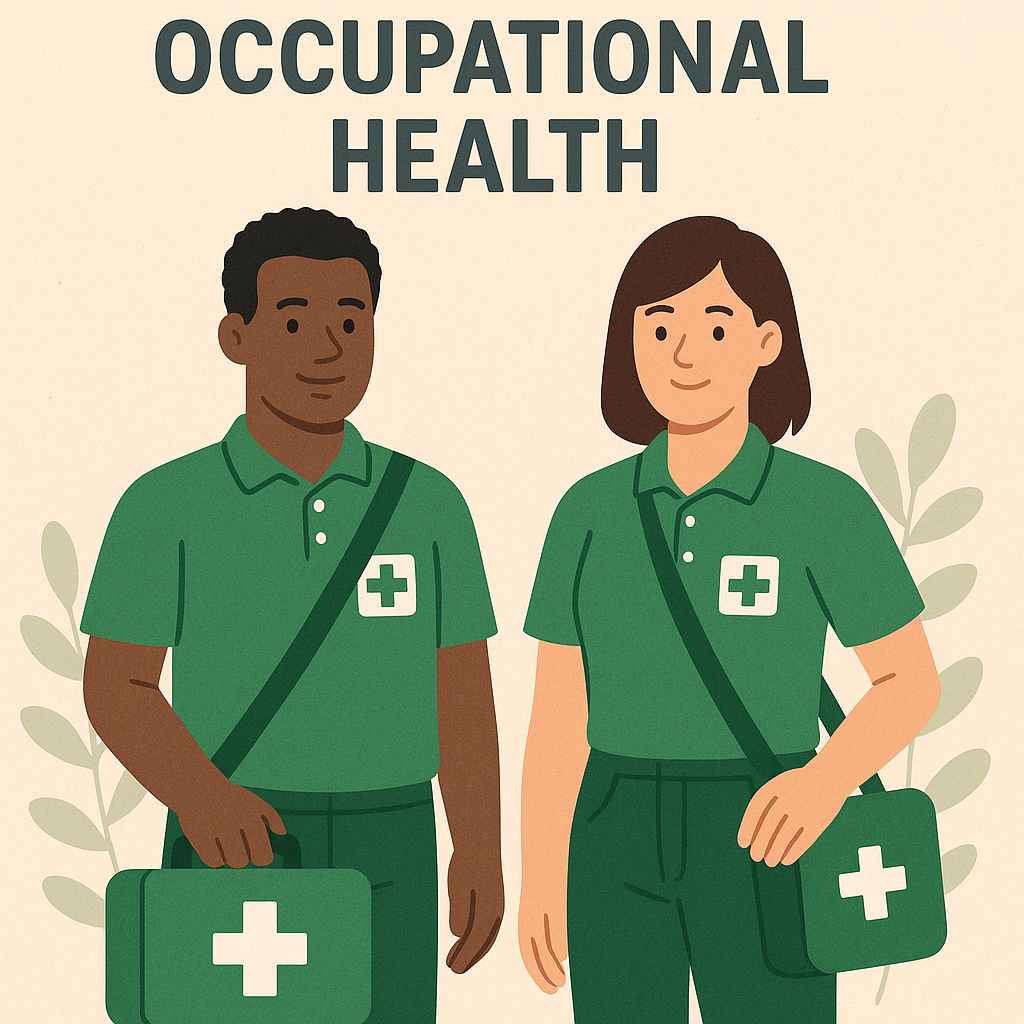
In workplaces where risks range from minor cuts to life-threatening cardiac events, having trained individuals ready to act can mean the difference between life and death.
- Why First Aiders Are Vital in Occupational Health and Safety
- Legal Responsibilities of Employers
- Core Responsibilities of First Aiders
- Essential Training for First Aiders
- First Aiders and Workplace Culture
- Supporting First Aiders: What Employers Must Do
- Case Example: CPR in the Workplace
- Future Trends in First Aid and OHSE
- Conclusion
Why First Aiders Are Vital in Occupational Health and Safety
Workplace safety programs typically focus on prevention, but accidents still happen. When they do, first aiders bridge the critical gap between the incident and professional medical care.
First aiders not only stabilize injured workers but also reduce the severity of injuries and increase survival rates in emergencies such as cardiac arrests, choking incidents, chemical exposures, and falls.


In Canada, organizations such as the Canadian Centre for Occupational Health and Safety (CCOHS) emphasize the importance of employer-provided first aid resources as part of compliance with occupational health regulations.
Legal Responsibilities of Employers
Occupational health and safety laws in most jurisdictions, including Canada, the U.S., and the EU, require employers to provide adequate first aid training, supplies, and designated responders. For example:
- Employers must ensure there are sufficient trained first aiders available at all times.
- First aid kits should meet specific workplace hazard requirements.
- Adequate signage and communication about first aid facilities must be provided.
Failing to meet these responsibilities can result in penalties, liability claims, and reputational damage. Employers should regularly review compliance through safety audits and employee feedback.
Core Responsibilities of First Aiders
The Role of First Aiders in Occupational Health and Safety goes beyond performing CPR or bandaging a wound.
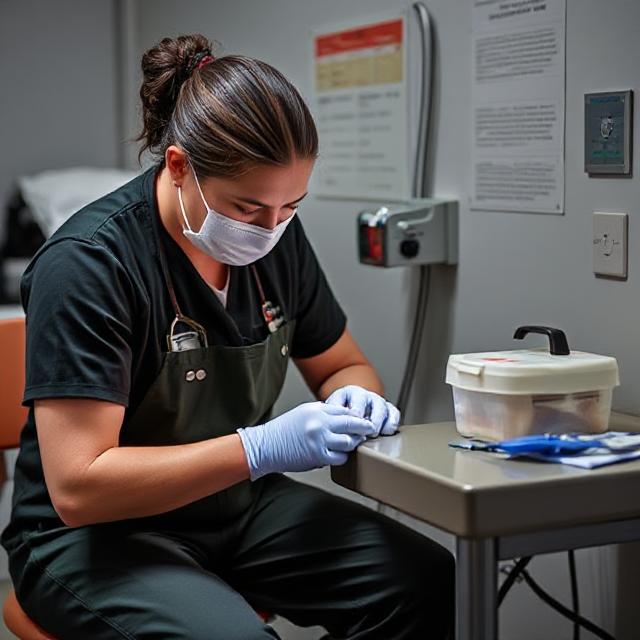
Their duties typically include:
- Immediate Response: Administering lifesaving techniques like CPR, the Heimlich maneuver, or bleeding control.
- Stabilization: Keeping an injured worker comfortable and stable until emergency responders arrive.
- Hazard Awareness: Ensuring their own safety and preventing secondary accidents while assisting.
- Documentation: Recording incident details for OHSE reporting and legal compliance.
- Support Role: Offering reassurance and psychological support to injured workers and witnesses.
This combination of physical and emotional care highlights why trained first aiders are indispensable to workplace health.
Essential Training for First Aiders
To perform effectively, first aiders require certified training programs that meet occupational safety standards. Recognized providers include:
- St. John Ambulance Canada
- The Canadian Red Cross
- The American Heart Association (AHA)
- Workplace Safety and Insurance Board (WSIB) approved trainers
Training usually covers:
- CPR and AED usage
- Choking response and airway management
- Bleeding control and wound care
- Shock, burns, and fracture management
- Bloodborne pathogen precautions
- Mental health first aid
Employers should schedule refresher courses every 1–3 years to maintain competence and align with evolving guidelines.

First Aiders and Workplace Culture
The presence of trained first aiders fosters a culture of safety. Employees feel more secure knowing colleagues are capable of responding during emergencies. This improves morale, reduces absenteeism, and supports productivity.
Integrating first aid into safety culture may include:
- Regular drills and simulations
- Visible signage and awareness posters
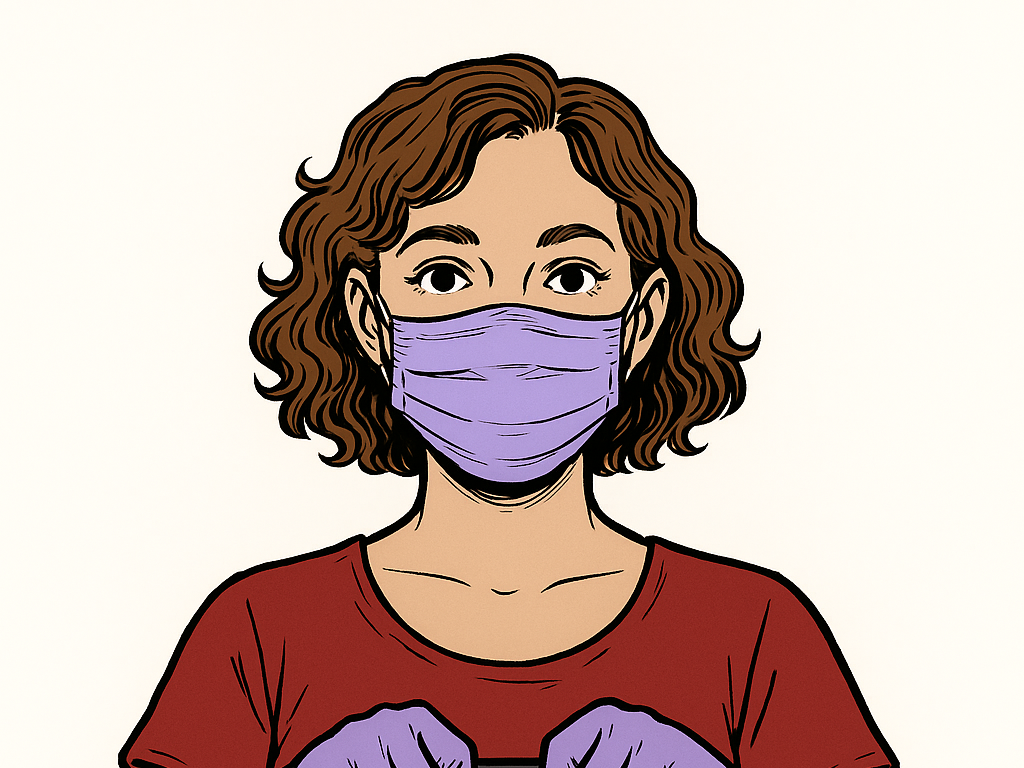
- PPE integration such as gloves and barrier devices
- Linking first aid efforts to broader OHSE initiatives like zero-harm programs
This holistic approach ensures that safety is not just a legal requirement but a shared responsibility.
Supporting First Aiders: What Employers Must Do
Employers play a crucial role in empowering their first aiders. Best practices include:
- Providing easy access to AEDs, first aid kits, and PPE.
- Establishing a clear incident reporting procedure.
- Offering psychological support or counseling after traumatic incidents.
- Recognizing and rewarding first aiders for their contributions.
These steps strengthen organizational resilience and highlight the commitment to occupational health and safety.
Case Example: CPR in the Workplace
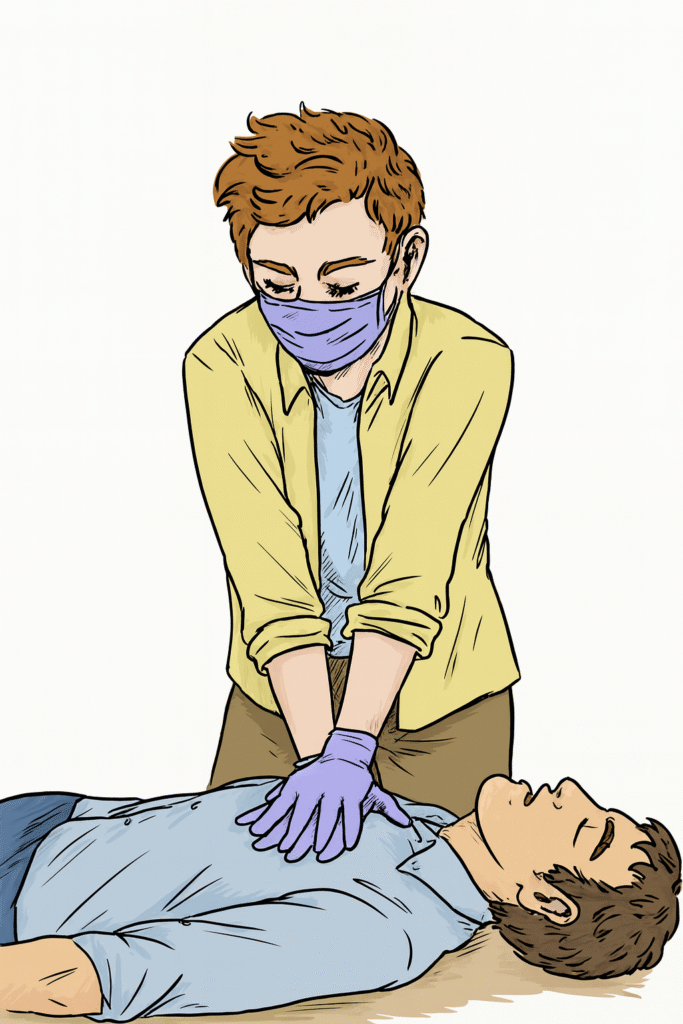
Consider a real-world example: An employee collapses due to sudden cardiac arrest. A trained first aider immediately begins CPR while another retrieves the AED. Within minutes, the worker’s heart rhythm is restored, and paramedics arrive to provide advanced care.
Without the presence of a trained first aider, the outcome could have been fatal. This underscores how The Role of First Aiders in Occupational Health and Safety directly saves lives.
Future Trends in First Aid and OHSE
Technology and awareness are transforming first aid in occupational health:
- Smart AEDs with voice prompts and connectivity.
- Wearable devices that alert first aiders when someone collapses.
- Virtual reality training to simulate high-pressure emergencies.
- Mental health first aid integration into workplace wellness programs.
Employers adopting these innovations will strengthen their overall OHSE strategy.
Conclusion
The Role of First Aiders in Occupational Health and Safety cannot be overstated. They are frontline responders, bridging the gap between incident and medical care, while reinforcing a strong workplace safety culture.

Employers who invest in first aid training, equipment, and support are not only complying with the law but also demonstrating genuine care for their workforce.
By prioritizing first aiders, organizations move closer to achieving a zero-harm workplace—a goal that benefits employees, employers, and society at large.