
Cold Stress Safety Measures for Winter Work: Essential Steps to Protect Outdoor Workers
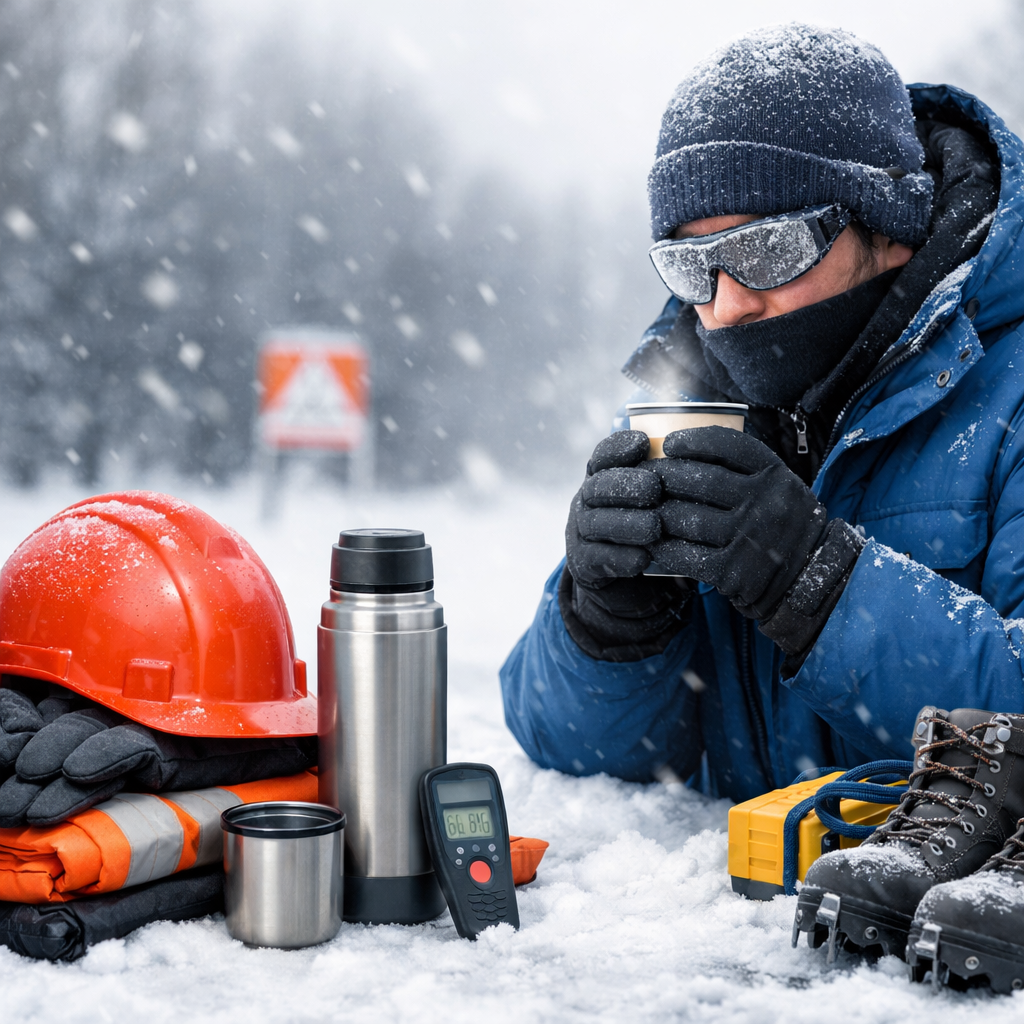

Cold stress safety measures are critical for any workplace where employees face low temperatures, wind, snow, icy surfaces, or wet conditions. Winter work can affect construction crews, utility teams, delivery staff, road workers, warehouse personnel, farmers, and anyone who spends time outdoors or in unheated spaces.
Without the right precautions, cold exposure can reduce concentration, slow reaction time, and increase the risk of serious injury. It can also lead to medical emergencies such as frostbite and hypothermia. Employers and supervisors should build winter plans that combine training, clothing guidance, scheduled warm-up breaks, and clear emergency response procedures.
Why cold stress safety measures matter in the workplace
Cold environments put physical stress on the body even when temperatures are not far below freezing. Wind chill, damp clothing, standing still for long periods, and fatigue can make a worker lose body heat much faster than expected.
That is why effective cold stress safety measures should be part of every winter safety program. These measures are especially important in industries where work continues regardless of weather, such as roofing, transportation, utilities, and public works.
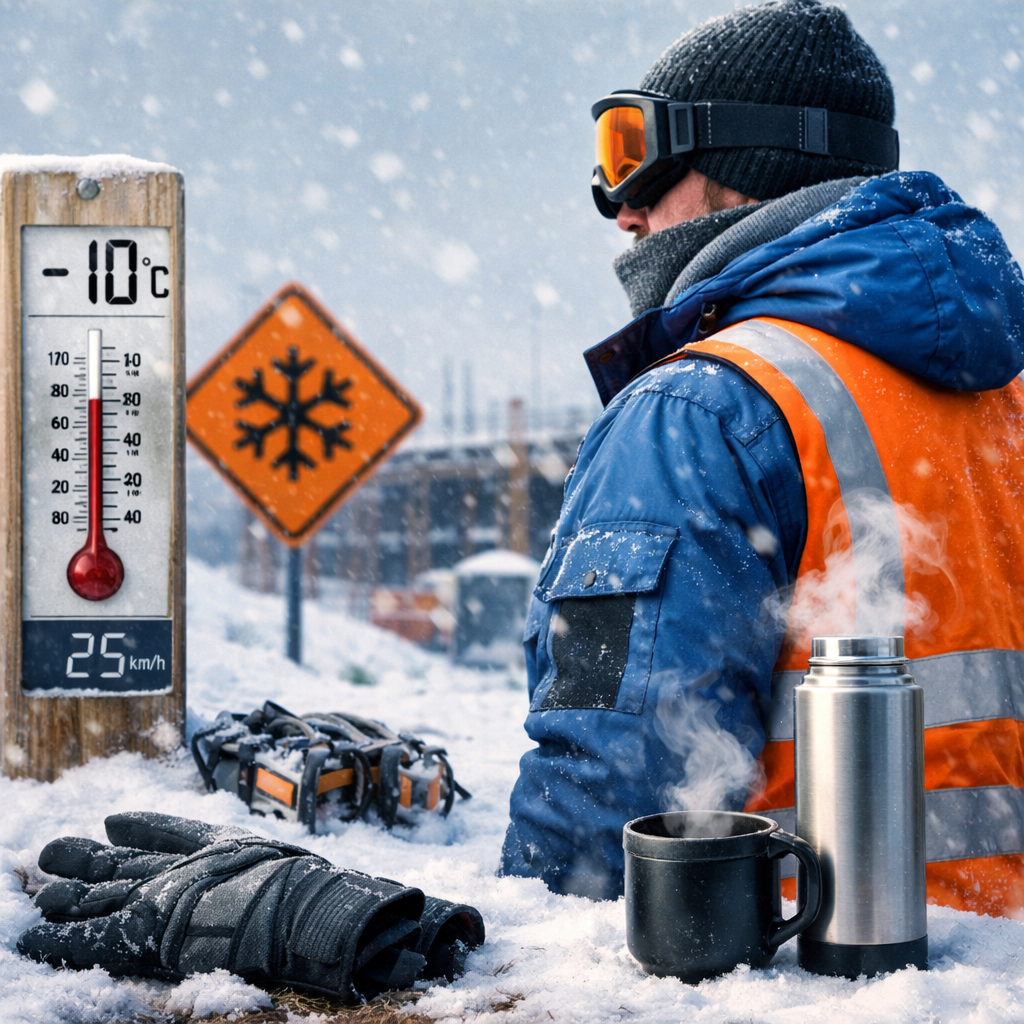
From an occupational health and safety perspective, the goal is to reduce exposure and control risk before illness develops. Following the Hierarchy of Controls can help. Elimination may not be possible when outdoor work must continue, but other controls can still make a major difference:
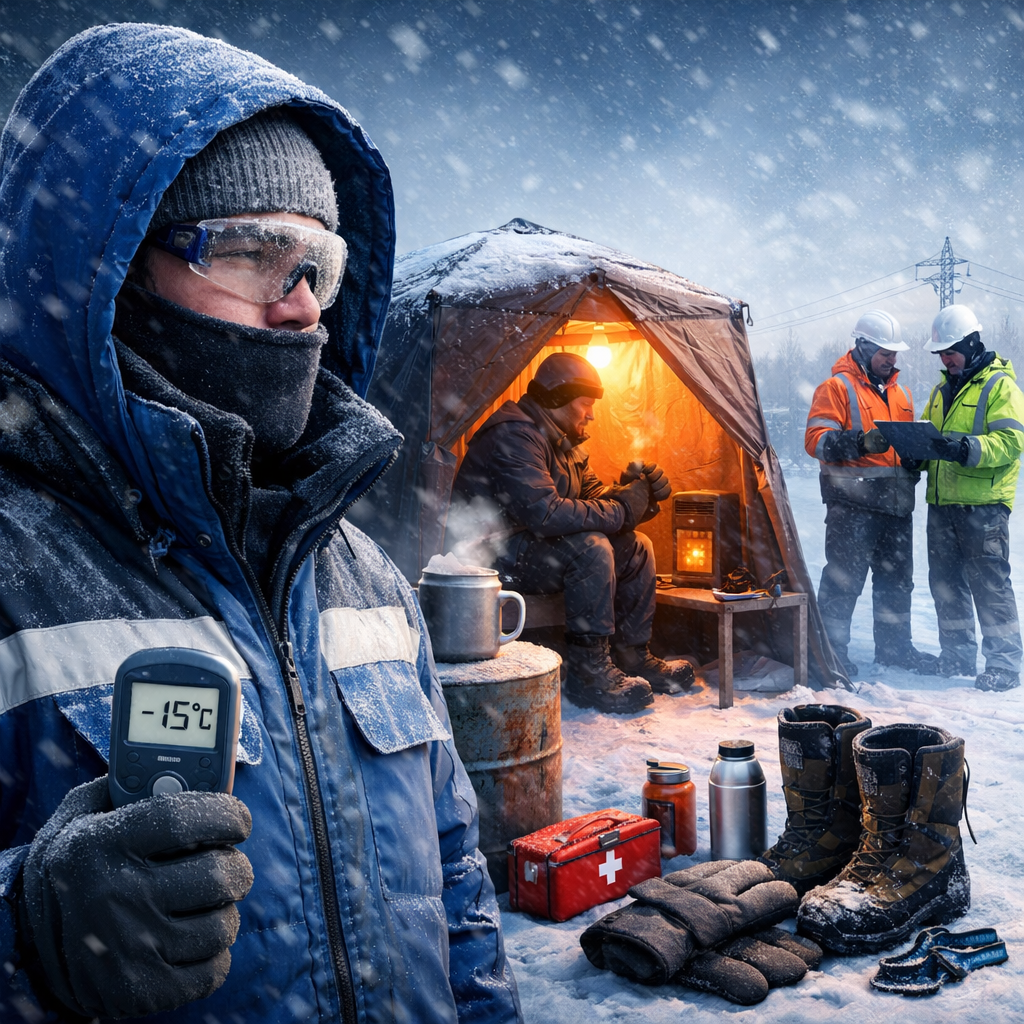
- Engineering controls: heated shelters, wind barriers, enclosed cabs, portable heaters in approved areas
- Administrative controls: shorter shifts outdoors, work rotation, weather monitoring, buddy systems, warm-up break schedules
- Personal protective equipment: insulated gloves, thermal layers, waterproof boots, face protection, high-visibility winter gear
Organizations such as OSHA and CCOHS provide guidance on managing cold exposure. Many employers also include winter topics in their safety training programs and site-specific procedures.
Recognizing frostbite and hypothermia before they become emergencies
Frostbite signs and immediate response
Frostbite happens when skin and underlying tissue freeze. It most often affects fingers, toes, ears, cheeks, and the nose. Workers may not notice it right away because cold can cause numbness.
Common warning signs include white or pale skin, tingling, stinging, numbness, waxy-looking skin, and tissue that feels firm or unusually cold. In more serious cases, blisters may develop after rewarming.
If frostbite is suspected, the worker should move to a warm area immediately. Wet gloves or clothing should be removed, and the affected body part should be gently rewarmed using warm, not hot, water if available. Rubbing frozen skin should be avoided because it can cause more tissue damage. Medical attention is recommended, especially when numbness continues or the area does not return to normal color and sensation.
Hypothermia signs and immediate response
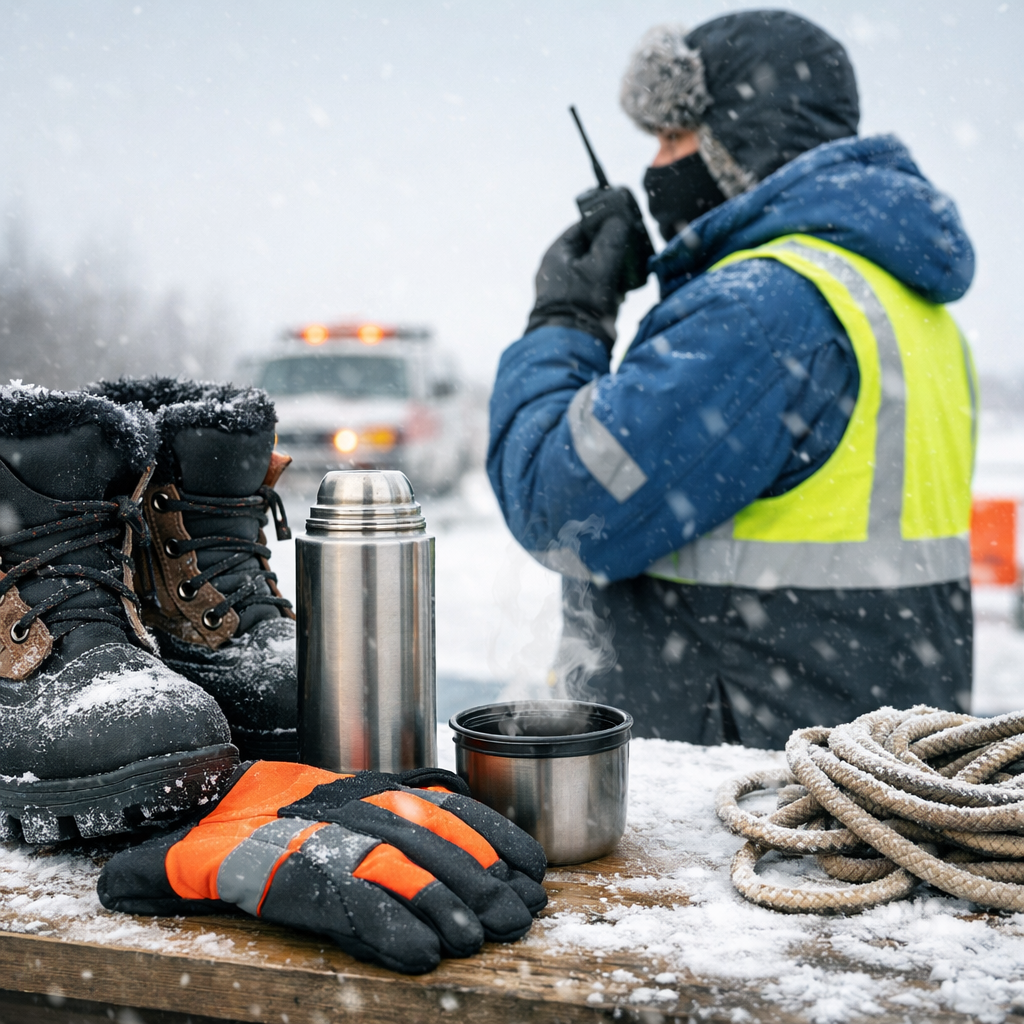
Hypothermia occurs when the body loses heat faster than it can produce it, causing the core temperature to drop. This can happen in freezing weather, but it can also develop in cool, wet, and windy conditions.
Early signs include intense shivering, fatigue, clumsiness, confusion, slurred speech, poor coordination, and irritability. As hypothermia worsens, shivering may stop, and the worker may become drowsy, disoriented, or unresponsive.
These symptoms should always be treated as urgent. Move the person to shelter, remove wet clothing, wrap them in dry layers or blankets, and provide warm beverages only if they are fully alert. Emergency medical help should be called for moderate or severe symptoms. Every crew should know when to stop work and activate emergency procedures.
Cold stress safety measures for warm-up breaks, planning, and supervision
One of the most practical cold stress safety measures is a structured warm-up break plan. Workers should not wait until they feel unwell to get out of the cold. Scheduled breaks in a heated space help maintain body temperature, reduce fatigue, and improve focus.
Break frequency depends on temperature, wind speed, workload, and whether clothing stays dry. Heavy tasks may generate body heat, but sweating can become a problem if clothing gets damp. Light-duty tasks may require even more frequent breaks because the body is not producing as much heat through movement.
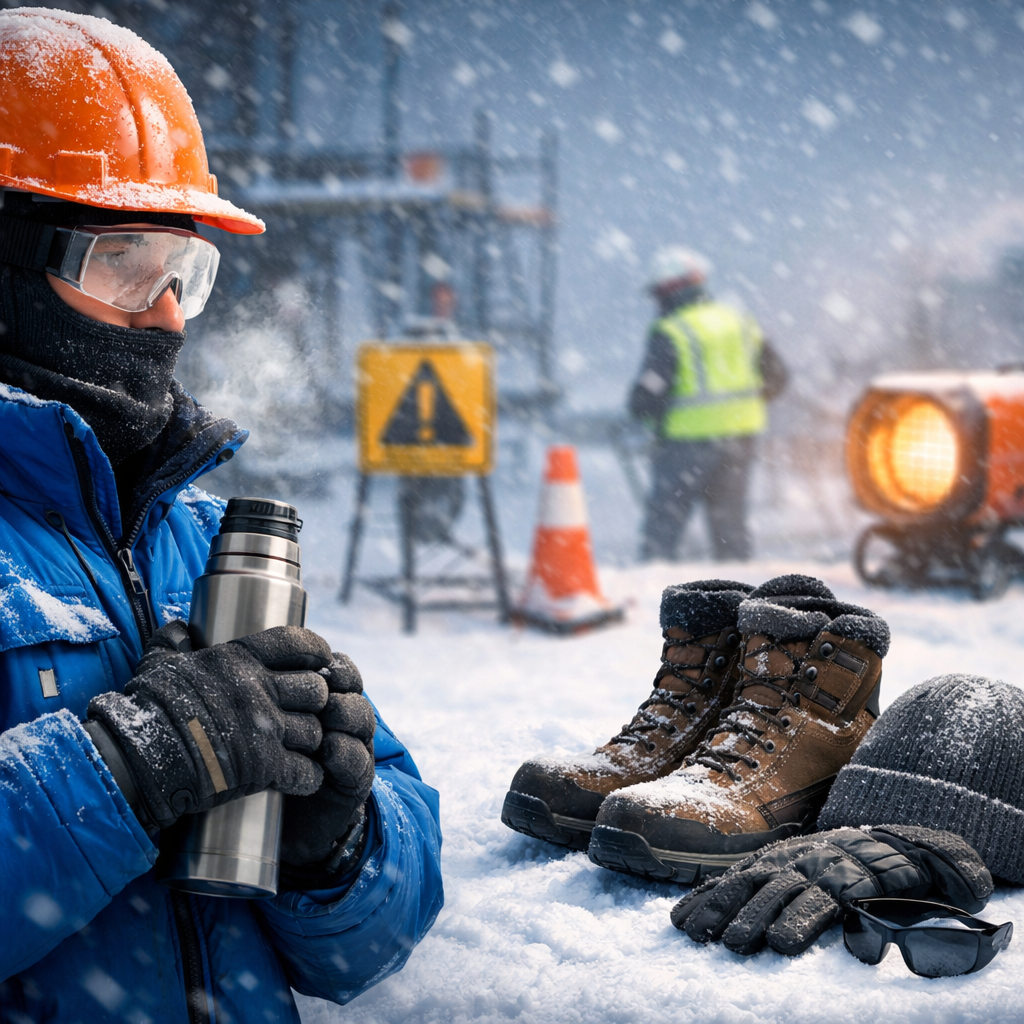
Supervisors should monitor conditions throughout the day and adjust schedules as the weather changes. Pre-job planning should include checking forecasts, identifying heated shelters, reviewing travel routes, and setting communication expectations. Workers should also use a buddy system so changes in behavior, speech, or coordination are noticed quickly.
The table below shows a simple example of how winter work planning can match conditions to protective actions:
| Work Condition | Typical Risk | Recommended Control |
|---|---|---|
| Cold and dry weather | Gradual heat loss | Layer clothing, schedule regular warm-up breaks, monitor wind chill |
| Cold, wet weather | Rapid chilling and hypothermia | Use waterproof outerwear, change wet clothing quickly, increase break frequency |
| High wind exposure | Frostbite on exposed skin | Use face protection, wind barriers, and sheltered work areas where possible |
| Long shifts outdoors | Fatigue and reduced alertness | Rotate tasks, shorten exposure time, use buddy checks and supervision |
Practical planning also includes housekeeping. Snow and ice can create slip hazards that become more dangerous when workers are stiff, distracted, or carrying bulky gear. Winter safety should be coordinated with risk assessments, equipment inspections, and emergency readiness.
Clothing choices that support cold stress safety measures
How to dress for changing winter conditions
Proper clothing choices are a foundation of strong cold stress safety measures. The best approach is layering. Layers allow workers to add or remove insulation as activity levels and weather change through the day.
A basic winter clothing system includes:
- Base layer: moisture-wicking material that keeps sweat off the skin
- Middle layer: insulating material such as fleece or wool to retain heat
- Outer layer: wind-resistant and waterproof protection against snow, rain, and cold air
Cotton should generally be avoided next to the skin because it holds moisture. Wet clothing greatly increases heat loss and raises the risk of hypothermia.
Hands, feet, and the head need special attention. Insulated gloves or mitts, thermal socks, and waterproof boots with good traction help protect against frostbite while reducing slip risk. A warm hat or liner under a hard hat can reduce heat loss significantly. In high winds, face coverings may be needed to protect exposed skin.
Balancing warmth, visibility, and safe movement
Winter gear should keep workers warm without creating new hazards. Clothing that is too bulky can limit movement, interfere with tool handling, or reduce visibility. On active job sites, outerwear should also meet visibility requirements where traffic, mobile equipment, or low-light conditions are present.
Employers should make sure PPE fits over winter layers and still functions properly. For example, fall protection harnesses, hard hats, hearing protection, and gloves must remain effective in cold weather. Workers should also have spare dry clothing available when snow, rain, or sweat soaks their garments.
Training is equally important. Employees need to understand how to dress for the expected conditions, when to change wet clothing, and why overdressing can be as problematic as underdressing if it causes sweating. A strong winter policy does not just provide gear; it teaches workers how to use it well.
Building a safer winter work program
Cold-weather safety works best when it is proactive rather than reactive. Employers should create clear procedures for weather monitoring, exposure limits, emergency response, first aid, and worker reporting. Supervisors should be trained to recognize early symptoms of frostbite and hypothermia, and workers should know they can report discomfort before it becomes dangerous.
Daily toolbox talks can reinforce cold stress safety measures by covering temperature changes, expected tasks, warm-up break timing, hydration, and signs of illness. Even in winter, hydration matters because dehydration can reduce the body’s ability to regulate temperature. Warm drinks, heated rest areas, and reasonable scheduling can all support safer performance.
Ultimately, cold stress safety measures protect both people and productivity. When employers plan carefully, provide the right clothing, schedule warm-up breaks, and respond quickly to frostbite and hypothermia risks, winter work becomes much safer and more manageable. A practical cold-weather safety program helps workers stay alert, healthy, and ready to do the job safely all season long.
No comments yet