
driver health and safety programs: Building Safer, Healthier Fleets

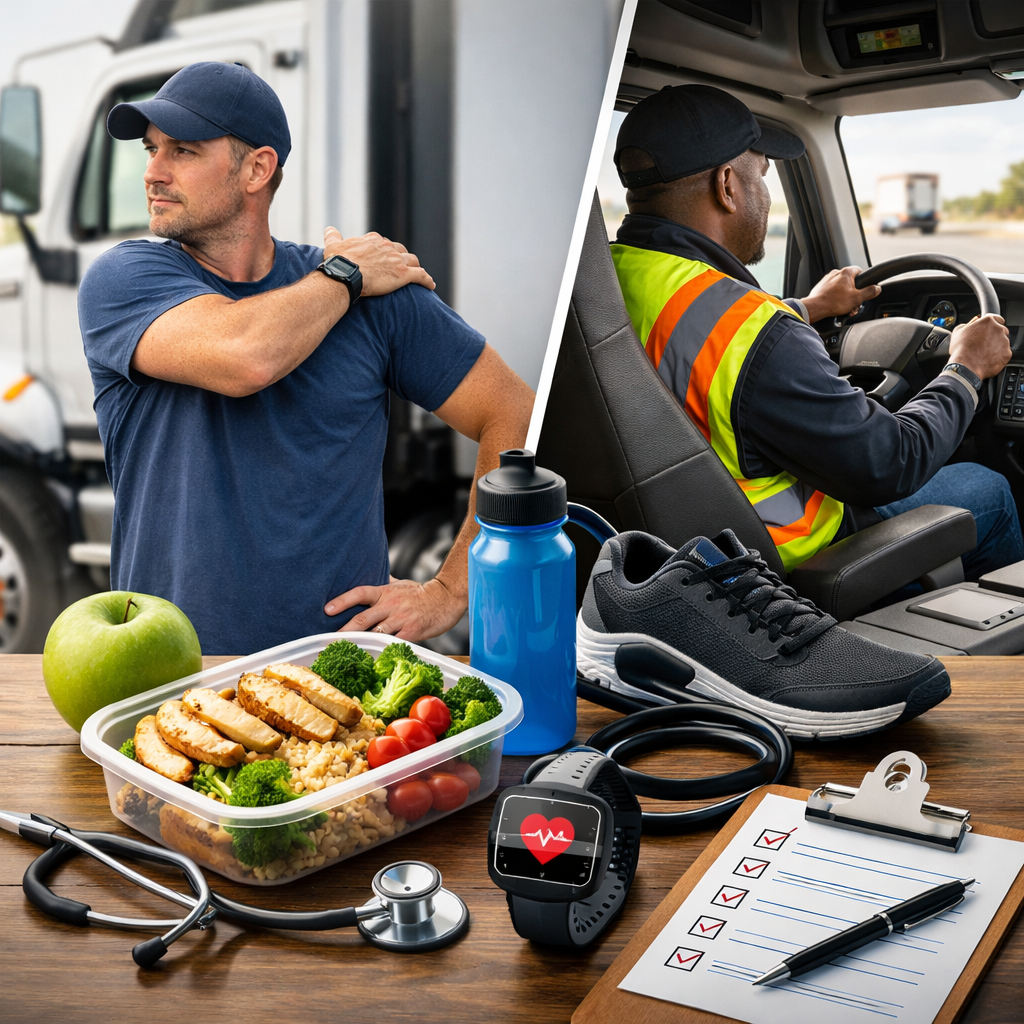
driver health and safety programs are essential for any business that relies on transport, delivery, logistics, field service, or mobile equipment. They help employers manage fatigue, prevent injuries, reduce vehicle incidents, and create a safer working environment for professional drivers and others who share the road.
In OHSE terms, driving for work is a high-risk activity because it combines vehicle hazards, changing road conditions, time pressure, manual tasks, and human factors such as distraction or poor health. A strong program does more than tell drivers to be careful. It sets clear rules, provides training, applies practical controls, and supports workers before problems become incidents.
For employers, the value is clear. Better safety performance can lower downtime, workers’ compensation costs, maintenance expenses, and reputational risk. For workers, it supports wellbeing, confidence, and the ability to perform safely every day. Effective driver health and safety programs bring these outcomes together through planning, monitoring, and continuous improvement.
Why driver health and safety programs matter in OHSE
Driving is often treated as a routine task, but it exposes workers to some of the most serious hazards in the workplace. A single lapse in concentration, a poorly maintained vehicle, or a rushed schedule can lead to severe injury, property damage, or fatal outcomes.
That is why driver health and safety programs should be part of a wider occupational health, safety, and environment system. They should align with company policies, risk assessments, incident reporting, fitness-for-work procedures, emergency response, and contractor management.
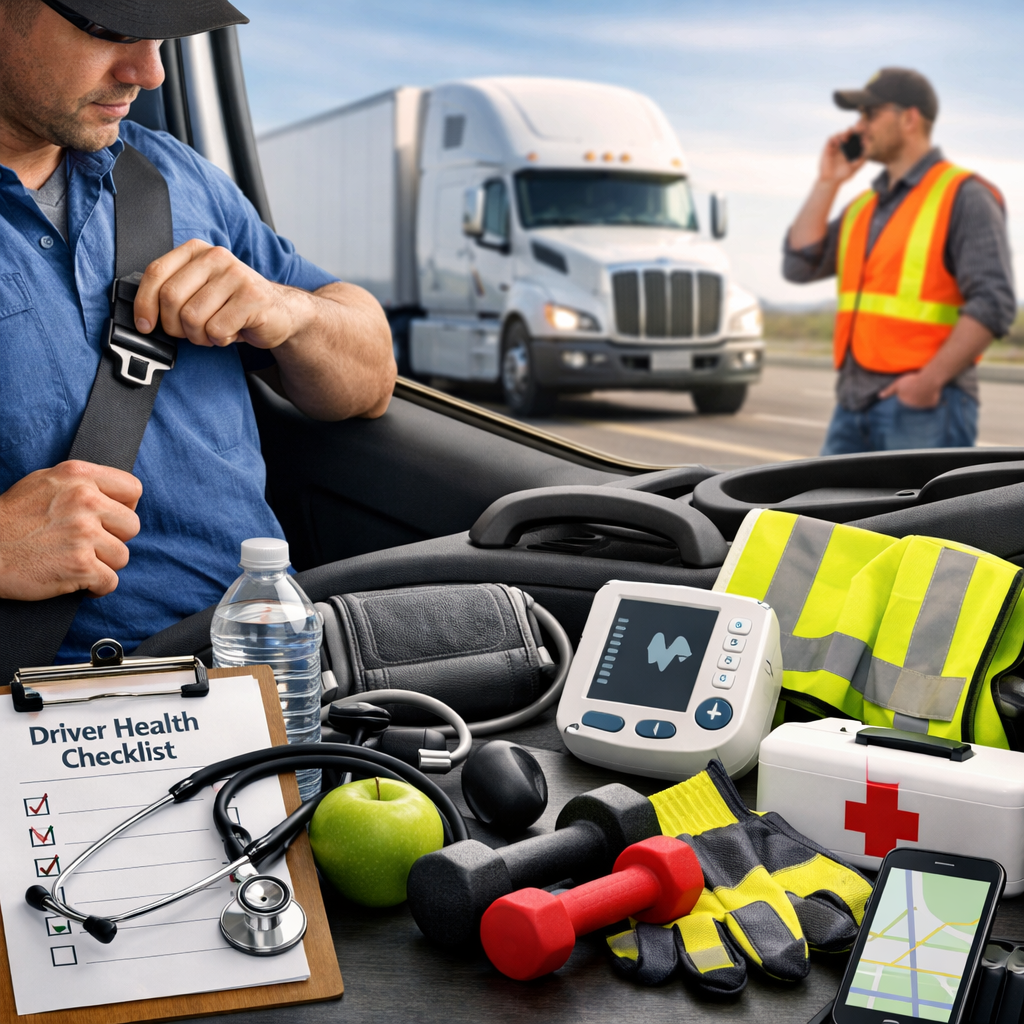
Common workplace driving risks include:
- Fatigue from long hours, night work, or inadequate rest
- Distraction from phones, in-cab devices, eating, or paperwork
- Speeding and aggressive driving due to delivery pressure
- Poor vehicle maintenance, including brakes, tyres, lights, and steering
- Manual handling injuries during loading, unloading, or entering and exiting vehicles
- Exposure to weather, heat, cold, noise, and vibration
- Drug and alcohol impairment, including medication side effects
- Roadside breakdown risks and working alone in remote locations
Guidance from organizations such as OSHA and the CCOHS supports a systematic approach to managing these risks. That means identifying hazards, assessing exposure, implementing controls, consulting workers, and reviewing performance regularly.
Core elements of effective driver health and safety programs
Strong driver health and safety programs combine policy, prevention, and practical field controls. They should cover the full scope of work, from route planning and vehicle selection to driver fitness and post-incident review.
Fitness for work and health monitoring
Drivers need to be physically and mentally fit for duty. This includes adequate sleep, medical fitness, hydration, vision standards, and the ability to operate vehicles safely. Employers should have clear procedures for reporting illness, fatigue, medication use, or conditions that may affect driving performance.
Practical examples include pre-shift self-assessments, fatigue reporting tools, and referral processes for medical review where appropriate. In high-exposure operations, health monitoring may also address hearing loss, vibration exposure, or musculoskeletal strain.

Training, supervision, and safe work procedures
Training should go beyond licence verification. Drivers need instruction on defensive driving, journey management, reversing safety, vehicle inspections, load restraint, incident reporting, and emergency response. Supervisors should also be trained to recognize fatigue, stress, and unsafe work patterns.
Procedures should be simple and easy to follow in the real world. For example, a rule that prohibits handheld phone use, requires seat belts at all times, and sets maximum driving hours is far more effective when supported by induction, refreshers, and active supervision.
Vehicle safety and maintenance
Safe drivers still need safe vehicles. Preventive maintenance, pre-start inspections, and prompt defect reporting are non-negotiable. This is especially important for fleets operating in harsh weather, on construction sites, or across long distances.
A practical fleet checklist may include tyres, mirrors, cameras, horn, lights, brakes, seat belts, windscreen condition, fluid levels, and first aid supplies. If your operation uses specialized units, see our fleet safety checklist and workplace fatigue management resources for related controls.
Risks, prevention, and the Hierarchy of Controls
One of the best ways to strengthen driver health and safety programs is to apply the Hierarchy of Controls. This prevents organizations from relying only on training or reminders when stronger controls are available.
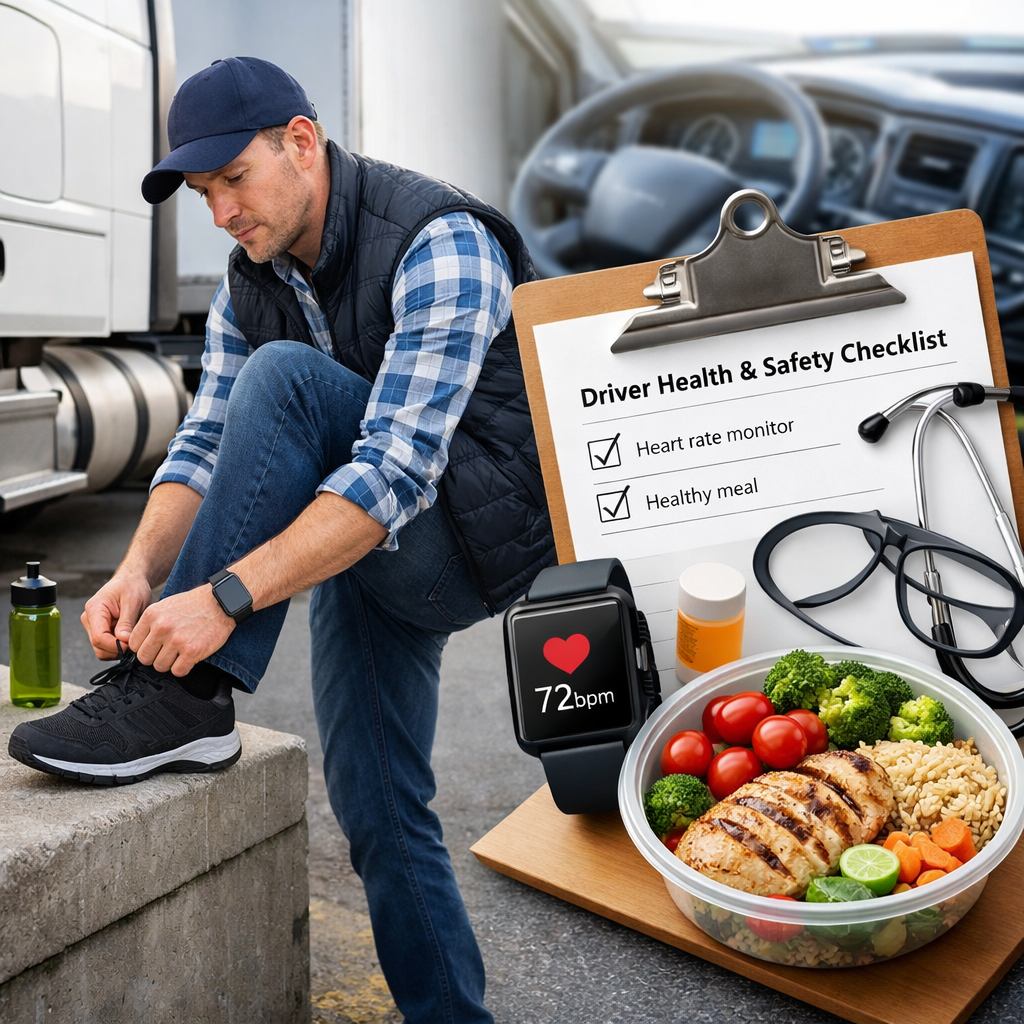
Applying the Hierarchy of Controls to driving risks
| Control Level | Example in Driver Safety | Practical Benefit |
|---|---|---|
| Elimination | Remove unnecessary trips by using remote meetings or local dispatching | Reduces exposure to road hazards completely |
| Substitution | Use safer vehicles with advanced braking and stability systems | Lowers crash risk and severity |
| Engineering Controls | Install reversing cameras, telematics, speed limiters, and ergonomic seating | Improves driver awareness and vehicle control |
| Administrative Controls | Journey planning, fatigue rules, training, inspections, and no-phone policies | Creates consistent safe work practices |
| PPE | High-visibility clothing, safety boots, gloves, hearing protection, and eye protection where required | Reduces injury during loading, roadside work, and site access |
Prevention works best when several controls are used together. For example, a courier business can reduce reversing incidents by redesigning routes to avoid difficult parking areas, selecting vans with 360-degree cameras, training drivers in spotter-free reversing limits, and requiring high-visibility PPE when stepping into active loading zones.
Another example is long-haul transport. Fatigue can be controlled through realistic scheduling, mandatory rest breaks, in-cab alert technology, driver education, and supervisor review of logbooks or telematics. If the schedule itself is unsafe, no amount of awareness training will fully solve the problem.
PPE, compliance, and practical examples from the field
PPE is not the first line of defence, but it still plays an important role in driver health and safety programs. Drivers often leave the cab to load goods, inspect vehicles, secure loads, direct traffic, or respond to breakdowns. In those situations, the right PPE can prevent serious harm.
Depending on the task and environment, PPE may include:
- High-visibility vests or jackets for roadside work and depots
- Safety boots with slip-resistant soles
- Work gloves for load handling and inspections
- Safety glasses when dealing with dust, debris, or maintenance tasks
- Hearing protection in high-noise yards or industrial sites
- Weather protection such as rain gear, sun protection, and cold-weather clothing
Compliance is another key area. Employers need to meet legal duties for safe systems of work, training, vehicle condition, and incident management. Requirements vary by jurisdiction, but a compliant program typically includes documented policies, driver records, inspection logs, maintenance schedules, hazard reporting, and corrective actions. Employers should also keep up with transport-specific regulations, hours-of-service rules, and any site induction requirements.
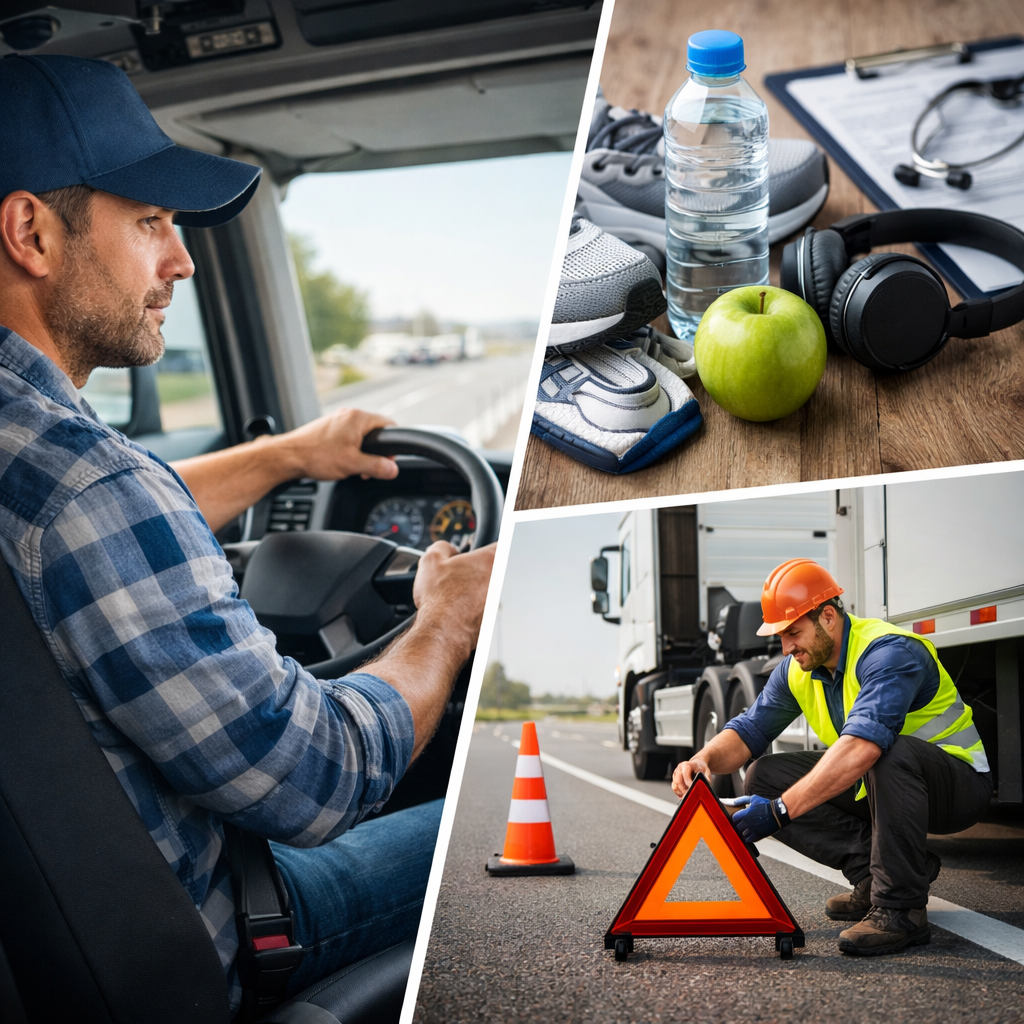
Practical examples make these programs real. A utility company may require a pre-drive risk review before crews travel to remote areas, including weather checks, emergency communication, and lone-worker protocols. A construction supplier may require load restraint verification, PPE checks, and exclusion zones during unloading. A healthcare transport team may focus more on infection control, patient handling, and fatigue from rotating shifts.
To strengthen implementation, track a few useful indicators: vehicle incidents, near misses, fatigue reports, maintenance defects, training completion, seat belt compliance, and speeding events. Reviewing these trends monthly helps managers identify whether controls are working or whether procedures need adjustment. Useful road safety resources are also available through the National Safety Council.
driver health and safety programs work best when they are practical, visible, and supported at every level of the business. When employers address risks, apply preventive controls, provide suitable PPE, and maintain compliance, they build safer drivers and safer operations. In the long term, driver health and safety programs are not just a legal obligation or policy document. They are a frontline OHSE strategy that protects people, vehicles, and business continuity every day.
No comments yet