
Lone Worker Safety Measures: Essential Protection for Remote and Isolated Jobs

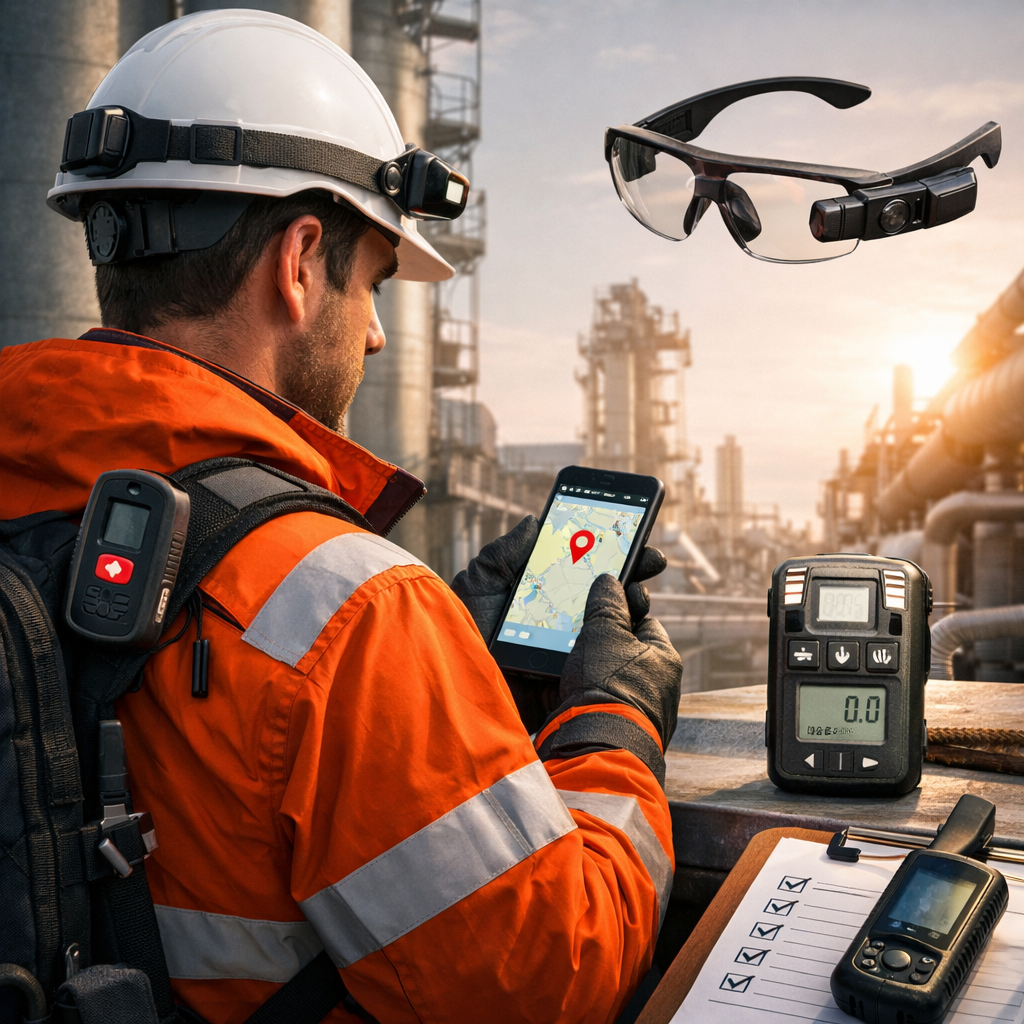
Lone worker safety measures are essential for protecting employees who perform tasks without direct supervision or nearby support. Whether someone is driving between sites, inspecting remote infrastructure, working late in a warehouse, or maintaining equipment in rural areas, isolation can turn a routine task into a high-risk situation if proper controls are not in place.
Employers have a duty to identify hazards, reduce exposure, and make sure workers can call for help quickly when something goes wrong. Guidance from organizations such as CCOHS and OSHA reinforces the need for planning, communication, and emergency preparedness for lone and remote work.
In this article, we will cover practical lone worker safety measures for remote and isolated jobs, with a focus on communication devices, check-in systems, emergency planning, and risk assessment. These steps help create safer workplaces and support compliance with occupational health and safety expectations.
- Why lone worker safety measures matter in remote and isolated work
- Risk assessment is the foundation of effective lone worker safety measures
- Communication devices and check-ins for reliable lone worker safety measures
- Emergency planning and response as core lone worker safety measures
- Building a safer culture around lone worker safety measures
Why lone worker safety measures matter in remote and isolated work
A lone worker is any employee who performs duties without close or direct supervision. This does not always mean working in a wilderness setting. A cleaner in an empty office building, a utility technician on a rural route, a healthcare worker visiting homes, or a security guard on a night shift may all be considered lone workers.
The main concern is that if an incident occurs, assistance may be delayed. A fall, medical event, vehicle breakdown, aggressive encounter, or exposure to hazardous conditions can become far more serious when no one is nearby to respond. That is why lone worker safety measures should be built into daily operations rather than treated as an afterthought.
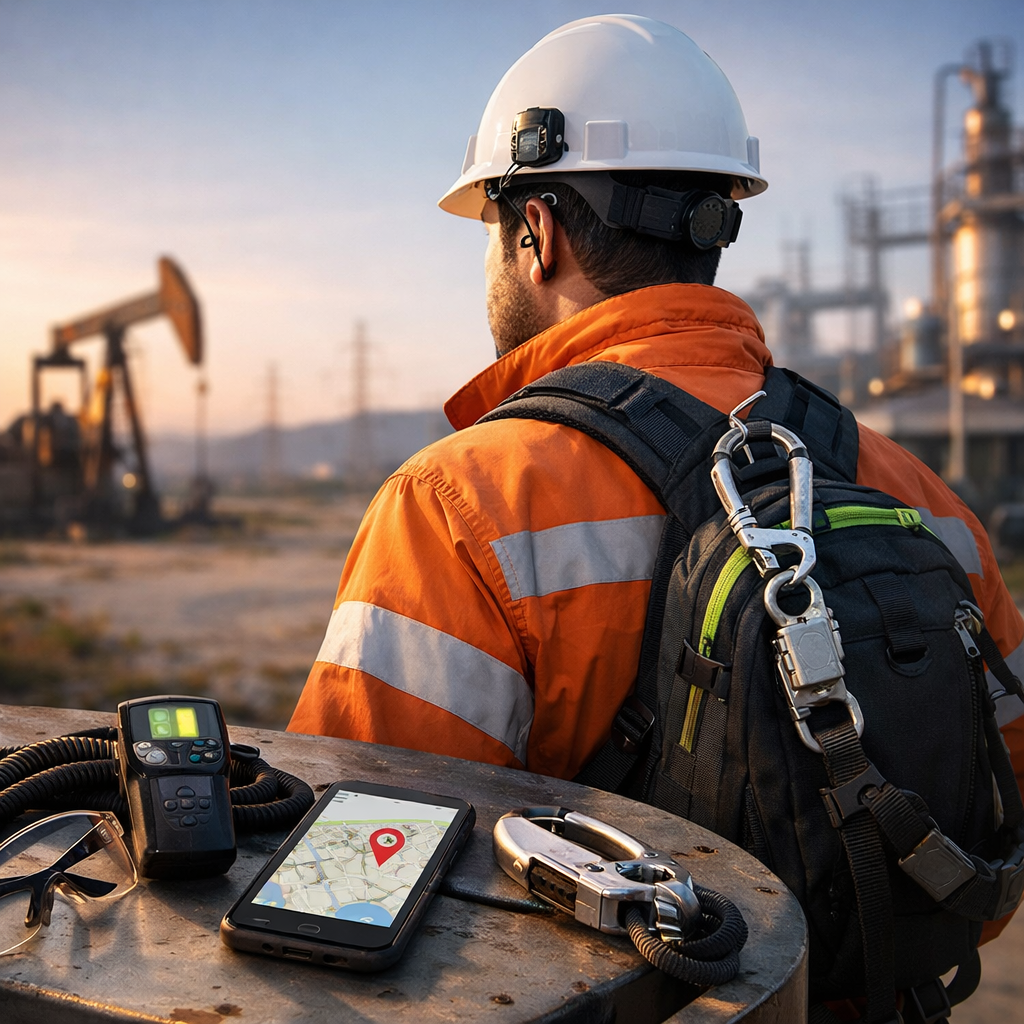
Common risks for lone workers include:
- Slips, trips, and falls in isolated locations
- Vehicle incidents during travel between job sites
- Extreme weather exposure, including heat, cold, and storms
- Violence or aggression from members of the public
- Medical emergencies with delayed response times
- Equipment failure or hazardous energy exposure
- Poor mobile coverage that limits emergency communication
A strong safety program should account for all of these possibilities. Many organizations also support remote staff through site-specific procedures and training resources such as those found in a workplace safety training program or a risk management process.
Risk assessment is the foundation of effective lone worker safety measures
Before assigning anyone to work alone, employers should complete a documented risk assessment. This process identifies the hazards of the task, the environment, the worker’s capabilities, and the likely consequences if help is not immediately available. Without this step, safety controls may be too weak or poorly matched to actual conditions.
What a lone worker risk assessment should cover
A proper assessment should consider where the work happens, how long the worker will be alone, what equipment is used, and whether the task involves public interaction, confined spaces, electrical work, hazardous substances, or driving. The worker’s experience level, physical condition, and emergency response knowledge should also be reviewed.
The Hierarchy of Controls is useful here. First, ask whether the task can be eliminated or done without working alone. If not, look at safer alternatives, engineering controls, administrative procedures, and personal protective equipment. For example, an employer may remove the need for isolated visits at night, install GPS-enabled devices, implement mandatory check-ins, and provide weather-specific PPE.
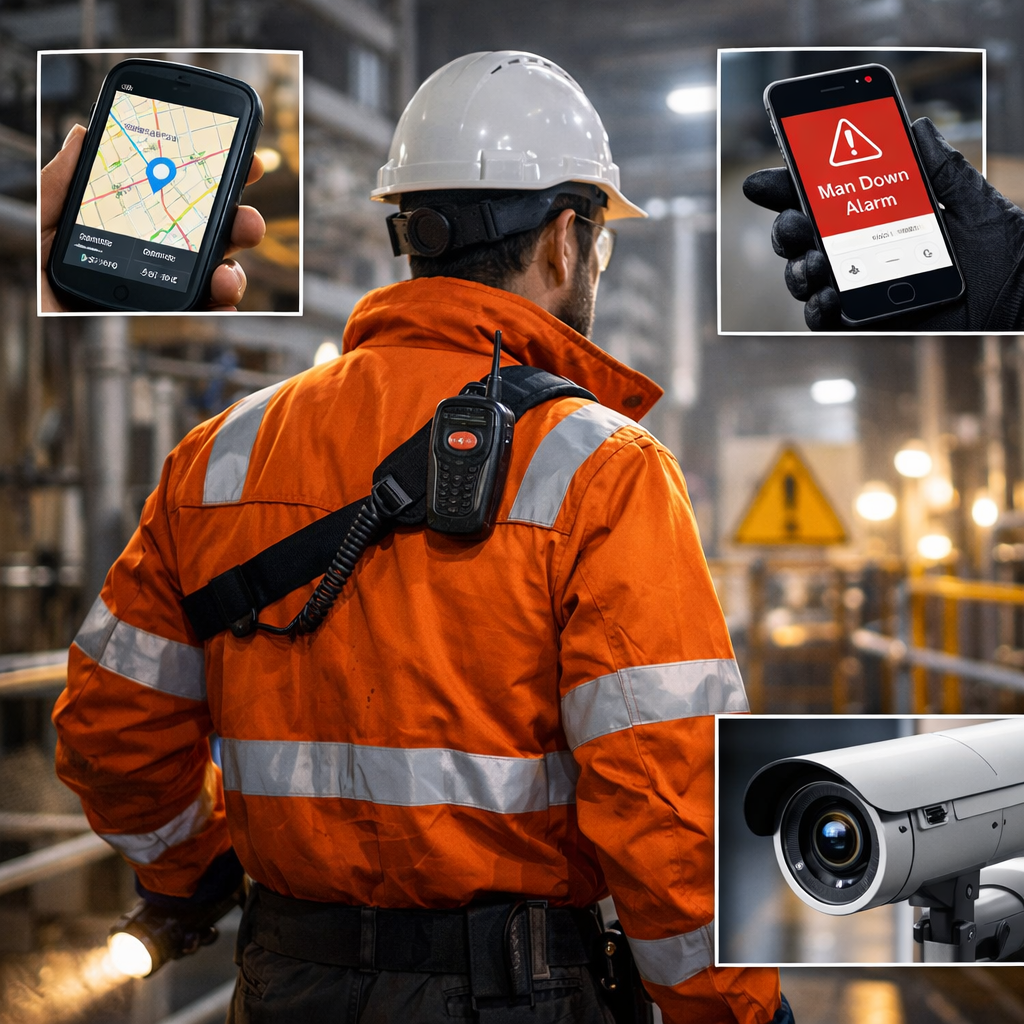
Here is a simple example of how risk controls can be applied:
| Hazard | Risk | Control Measure |
|---|---|---|
| Remote field inspection | Delayed rescue after injury | Satellite communication device, scheduled check-ins, emergency location sharing |
| Late-night customer visit | Violence or aggression | Pre-visit screening, duress alarm, supervisor monitoring, visit restrictions |
| Driving in rural areas | Breakdown or collision without quick assistance | Journey plan, vehicle kit, GPS tracking, escalation procedure for missed arrivals |
Risk assessments should be reviewed regularly, especially after incidents, near misses, route changes, or new job tasks. Effective lone worker safety measures depend on current information, not outdated assumptions.
Communication devices and check-ins for reliable lone worker safety measures
Clear communication is one of the most important protections for isolated workers. If a person cannot reach help quickly, even a minor incident can escalate. The right communication method depends on the work environment, travel distance, coverage limitations, and the urgency of likely incidents.
Choosing the right communication devices
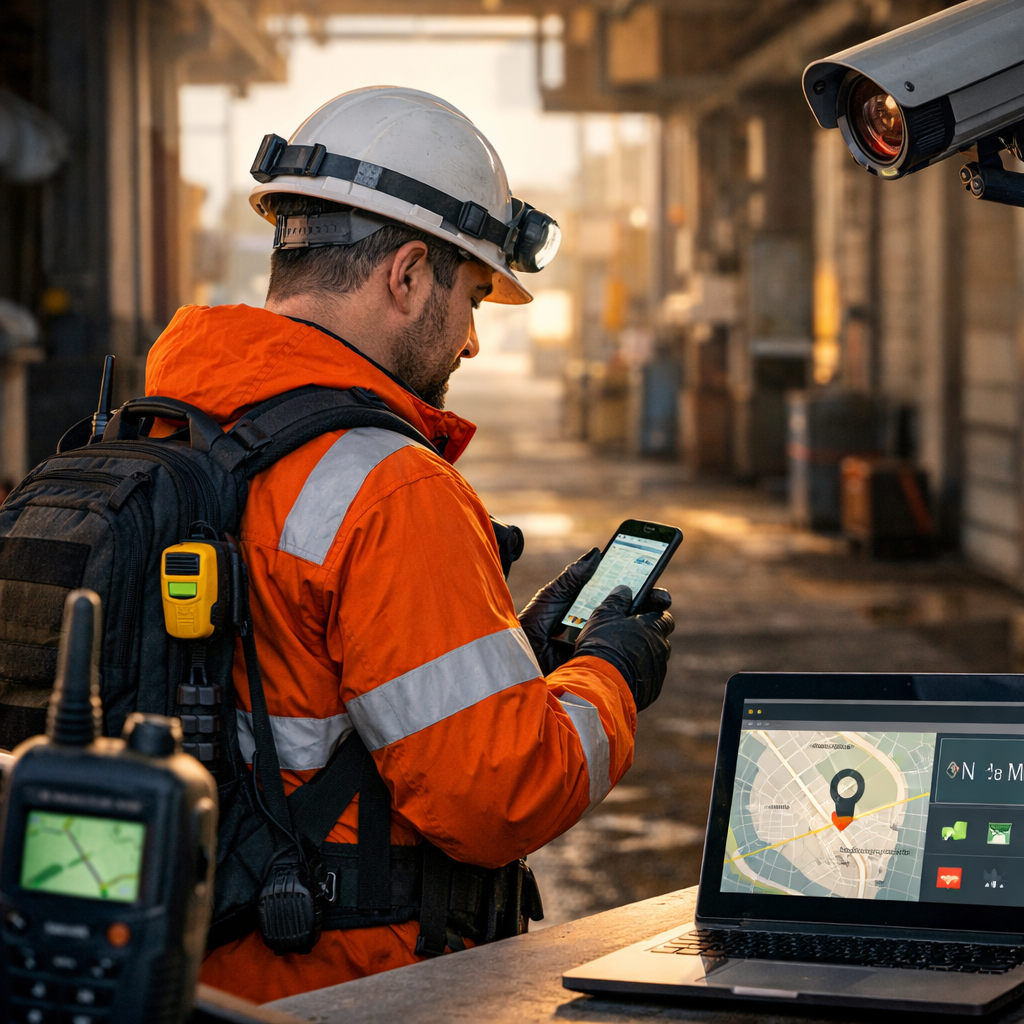
In urban or accessible areas, a standard mobile phone may be enough for routine communication. In remote regions, however, a phone alone may not be reliable. Workers may need satellite phones, two-way radios, GPS trackers, or dedicated lone worker devices with panic alerts, fall detection, and real-time location monitoring.
Useful communication equipment may include:
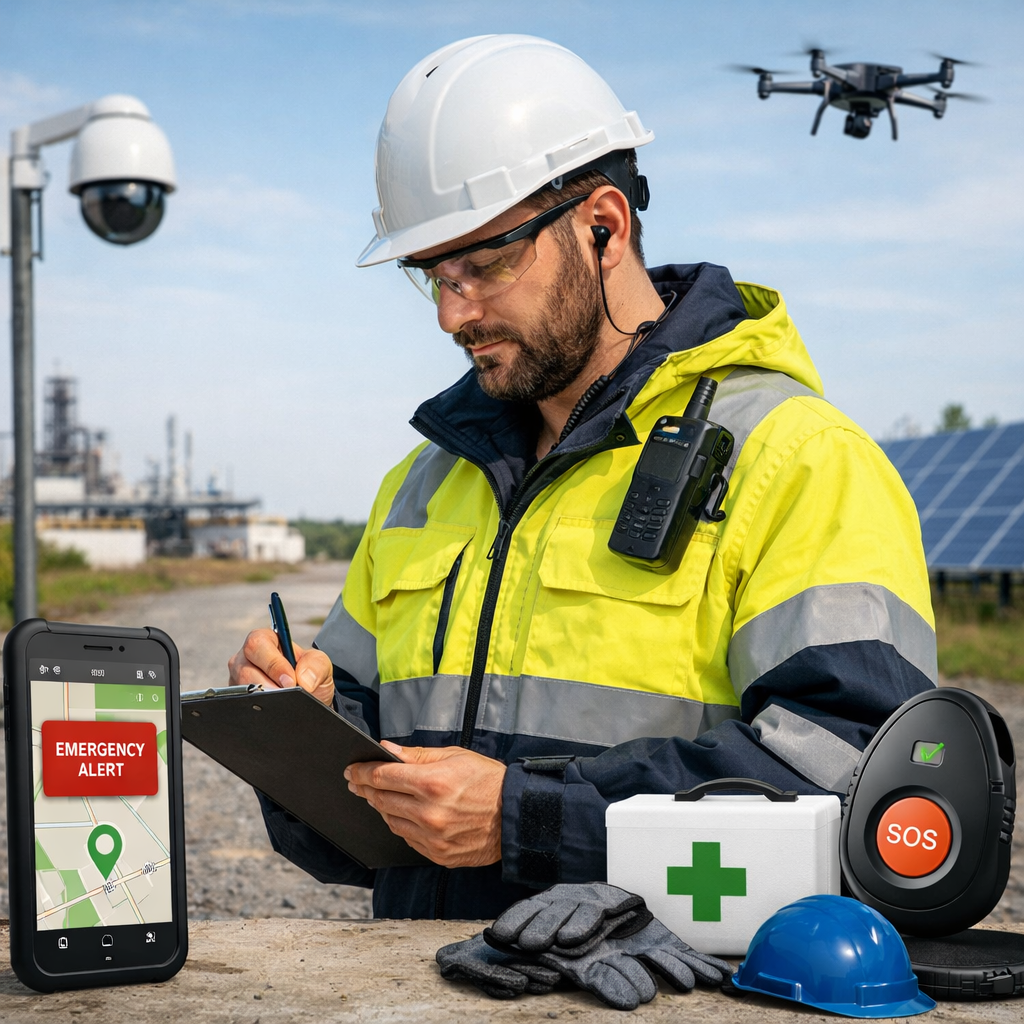
- Mobile phones with charged battery packs
- Two-way radios for fixed-site communication
- Satellite phones for no-coverage areas
- GPS-enabled lone worker devices
- Wearable panic buttons or duress alarms
- Man-down alarms that detect lack of movement or sudden falls
Whatever device is chosen, workers must be trained to use it properly. The equipment should be tested before each shift, and backup methods should exist in case the primary device fails. Employers should also confirm whether location sharing works accurately in the actual work area, not just in the office parking lot.
Why check-in systems are critical
Check-ins are a simple but highly effective part of lone worker safety measures. A check-in system creates a routine for confirming that the worker is safe, on schedule, and able to continue working. It also gives supervisors a clear trigger for when to escalate and send help.
A strong check-in process should define:
- When the worker must check in
- How the worker checks in, such as app, phone, radio, or text
- Who receives and monitors the check-in
- What happens if a check-in is missed
- How quickly the escalation process begins
For example, a utility worker may check in at the start of the shift, on arrival at each remote location, at a mid-shift interval, and at the end of the day. If a scheduled check-in is missed, the supervisor may attempt contact immediately, review GPS data, contact the emergency person on the journey plan, and call emergency services if there is no response within the defined timeframe.
Emergency planning and response as core lone worker safety measures
Even with good controls, emergencies still happen. That is why employers need a written emergency plan tailored to lone work. Generic emergency procedures are often not enough because remote and isolated jobs involve different response times, difficult access, and communication challenges.
What an effective emergency plan should include
Emergency planning should cover medical emergencies, vehicle incidents, violence, severe weather, fire, equipment failure, and lost communication. Workers should know exactly what to do, who to contact, and when to stop work and leave the area. Plans should be realistic and based on the actual environment.
An emergency plan should include:
- Worker location and route details
- Emergency contact numbers and supervisor contacts
- Nearest hospitals, clinics, or emergency response points
- Rescue access instructions for remote sites
- Escalation steps for missed check-ins or distress alerts
- First aid arrangements and required supplies
- Weather or environmental evacuation triggers
Practical drills are just as important as written procedures. If a worker carries a duress alarm or satellite phone, they should practice using it under realistic conditions. Supervisors should also rehearse their response to a missed check-in so there is no confusion during a real event. These drills can reveal common weaknesses, such as outdated contact details, unclear access instructions, or slow escalation.
Emergency readiness also means giving workers authority to make safe decisions. If road conditions are dangerous, a site feels unsafe, or communication equipment fails, the worker should be empowered to pause the job and report the issue without pressure to continue.
Building a safer culture around lone worker safety measures
The best lone worker safety measures combine equipment, procedures, training, and supervision. A communication device alone is not enough if no one monitors alerts. A risk assessment alone is not enough if work conditions change and the plan is never updated. Safety improves when employers treat lone work as an active management responsibility.
Training should cover hazard recognition, conflict management, emergency communication, first aid expectations, fatigue awareness, and stop-work authority. Supervisors should regularly review incident reports, near misses, and worker feedback to identify patterns and strengthen controls. Simple improvements, such as changing visit times, improving route planning, or adding a second worker for high-risk tasks, can significantly reduce exposure.
In the end, lone worker safety measures protect people by making sure they are never truly on their own, even when working in remote or isolated conditions. With strong risk assessment, reliable communication devices, scheduled check-ins, and well-tested emergency planning, employers can reduce risk, improve response times, and create a safer working environment for every lone worker.
No comments yet