
safe use of glassware in labs: OHSE Guidelines to Prevent Breakage, Exposure, and Injury
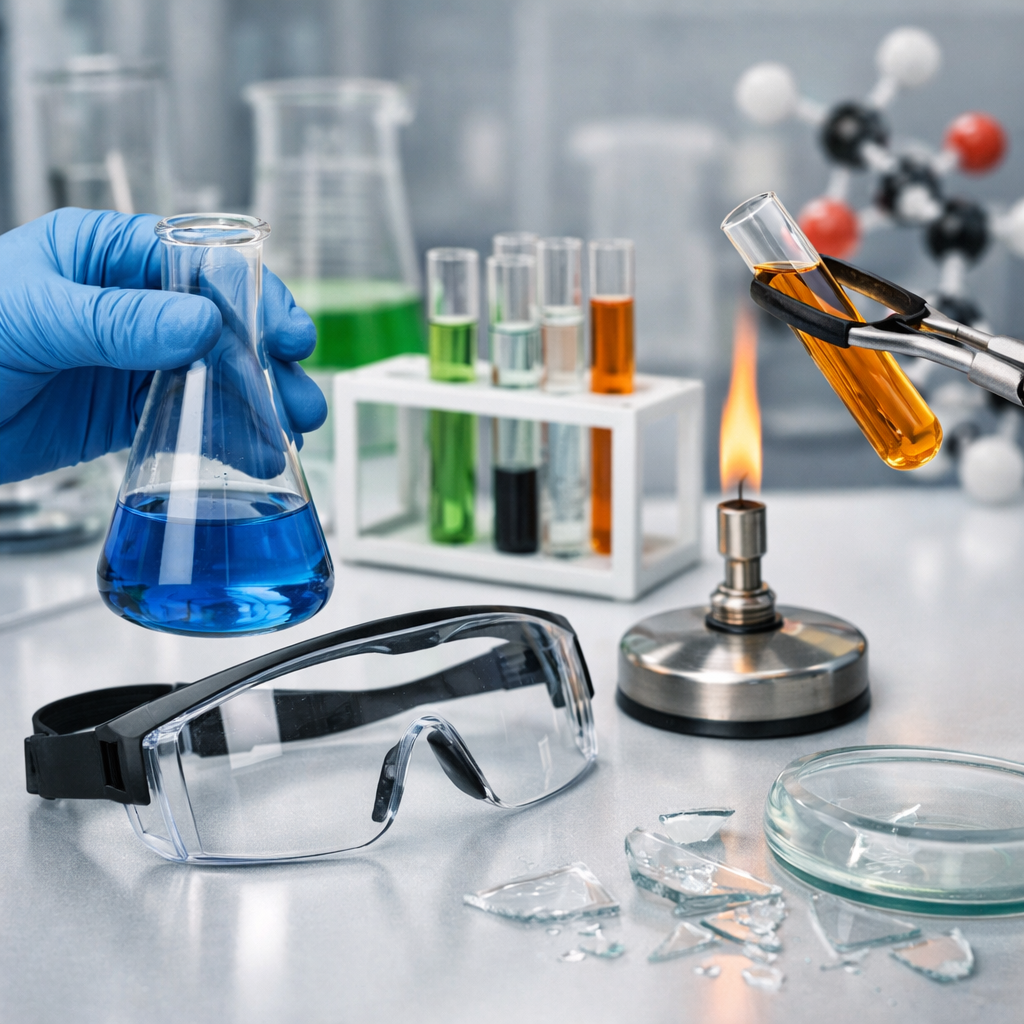

safe use of glassware in labs is a basic but critical part of occupational health, safety, and environment practice. From teaching laboratories to research facilities and industrial quality-control spaces, glassware is used every day for measuring, heating, storing, mixing, filtering, and transferring materials that may be corrosive, flammable, toxic, or biologically hazardous.
Because glass is fragile, transparent, and often exposed to thermal or chemical stress, it creates risks that are easy to underestimate. Cuts, punctures, chemical splashes, burns, contamination, and release of hazardous substances can all result from poor handling or damaged equipment. A strong OHSE approach focuses on hazard recognition, proper procedures, personal protective equipment, and compliance with recognized guidance from organizations such as OSHA and CCOHS.
When employers and workers treat glassware as a controlled risk rather than a routine tool, injury rates drop and laboratory reliability improves. The sections below explain the main risks, prevention strategies, PPE needs, compliance expectations, and practical examples that support the safe use of glassware in labs.
Why the safe use of glassware in labs matters
Laboratory glassware includes beakers, flasks, test tubes, pipettes, condensers, burettes, watch glasses, reagent bottles, desiccators, vacuum vessels, and specialized apparatus. Each type is designed for a specific purpose, and misuse can quickly create unsafe conditions.
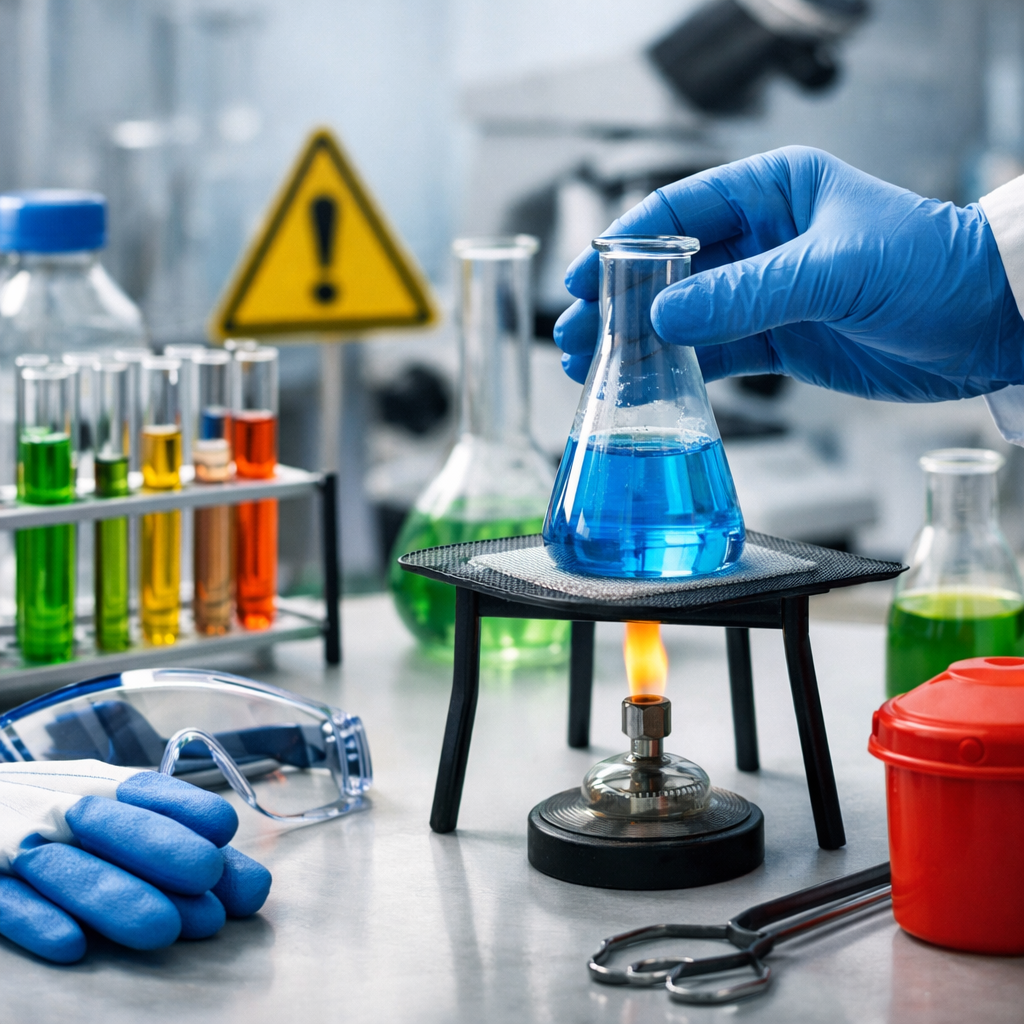
Many incidents happen during ordinary tasks such as inserting tubing into a stopper, moving hot glass from a bench, clamping a flask too tightly, or reusing chipped containers. In other cases, breakage occurs because incompatible chemicals weaken the material or because glass is exposed to sudden temperature changes. Even a small crack can turn routine work into an emergency if the vessel contains acids, solvents, pressurized contents, or infectious samples.
OHSE programs should treat glassware hazards as both physical and chemical risks. A broken flask may cause lacerations, but it may also spread fumes, release sharps contamination, or trigger a fire if flammable vapors are present. This is why laboratory safety procedures should connect the safe use of glassware in labs with chemical hygiene plans, spill response, waste handling, and emergency preparedness.
Common hazards linked to laboratory glassware
- Cuts and punctures: Broken edges, snapped tubing, and shattered containers can injure hands, wrists, and forearms.
- Chemical exposure: Breakage during transfer or heating may splash hazardous substances onto skin or into eyes.
- Thermal burns: Hot glass looks similar to cold glass and can remain hot long after heating ends.
- Pressure and vacuum failure: Vacuum flasks and desiccators can implode if damaged or used incorrectly.
- Contamination: Cracks and chips can trap residues, affecting results and increasing exposure risk.
- Ergonomic strain: Poor storage, awkward carrying methods, or overloaded trays increase drop and breakage risks.
Risk prevention and the hierarchy of controls
The safe use of glassware in labs should follow the hierarchy of controls. PPE is important, but it should not be the only safeguard. The best prevention measures start with choosing safer materials, improving equipment setup, and building safe work habits into standard operating procedures.
Applying the hierarchy of controls
Elimination and substitution should be considered first. If a process does not require glass, use plastic-coated, shatter-resistant, or alternative materials compatible with the task. For example, field sampling or transport of non-reactive liquids may be safer in durable plastic containers rather than glass bottles.
Engineering controls are the next layer. Use splash shields, bottle carriers, padded storage racks, and appropriate clamps and supports. Vacuum work should use vessels rated for the task and, where necessary, shielding to reduce injury from implosion. Heating setups should be stable and separated from high-traffic areas.
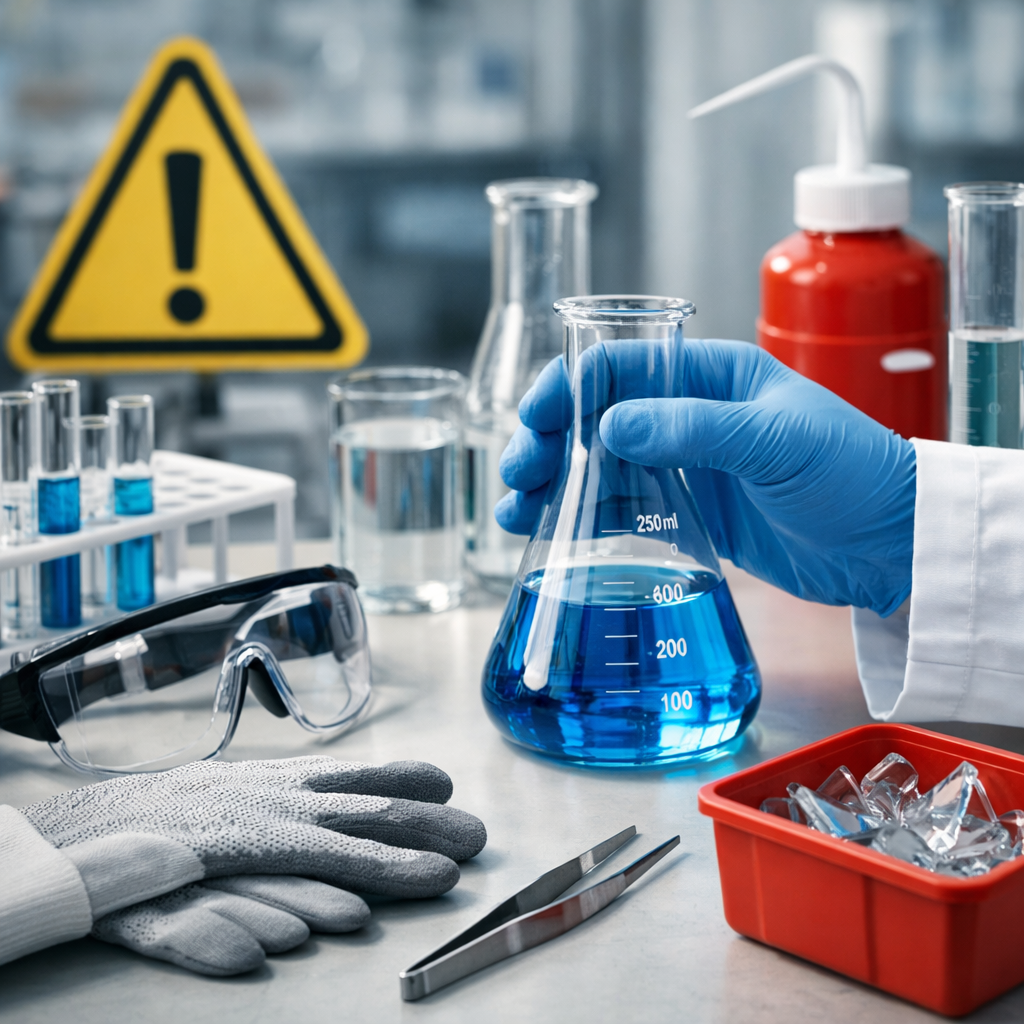
Administrative controls include inspection routines, training, labeling, safe transport rules, and written procedures. Staff should know how to identify star cracks, worn joints, etched surfaces, and heat-stressed glass. They should also know when glassware must be taken out of service. For more guidance on wider laboratory controls, many workplaces also connect these rules with their laboratory risk assessment and chemical spill response procedures.
Personal protective equipment remains essential, especially when handling corrosives, biohazards, heated vessels, or vacuum systems. PPE helps reduce injury severity when other controls fail.
Daily prevention practices
- Inspect glassware before each use for chips, cracks, clouding, or damaged rims.
- Never use broken or questionable glassware, especially under heat, pressure, or vacuum.
- Use the correct glassware for the process, including borosilicate glass for thermal resistance where appropriate.
- Avoid sudden temperature changes that can cause thermal shock.
- Lubricate tubing and protect hands when inserting glass into stoppers.
- Carry large bottles with bottle carriers or secondary containment.
- Keep benches uncluttered to reduce accidental knocks and rolling.
- Dispose of broken glass in designated sharps or broken-glass containers, never regular trash.
PPE and safe handling procedures for the safe use of glassware in labs
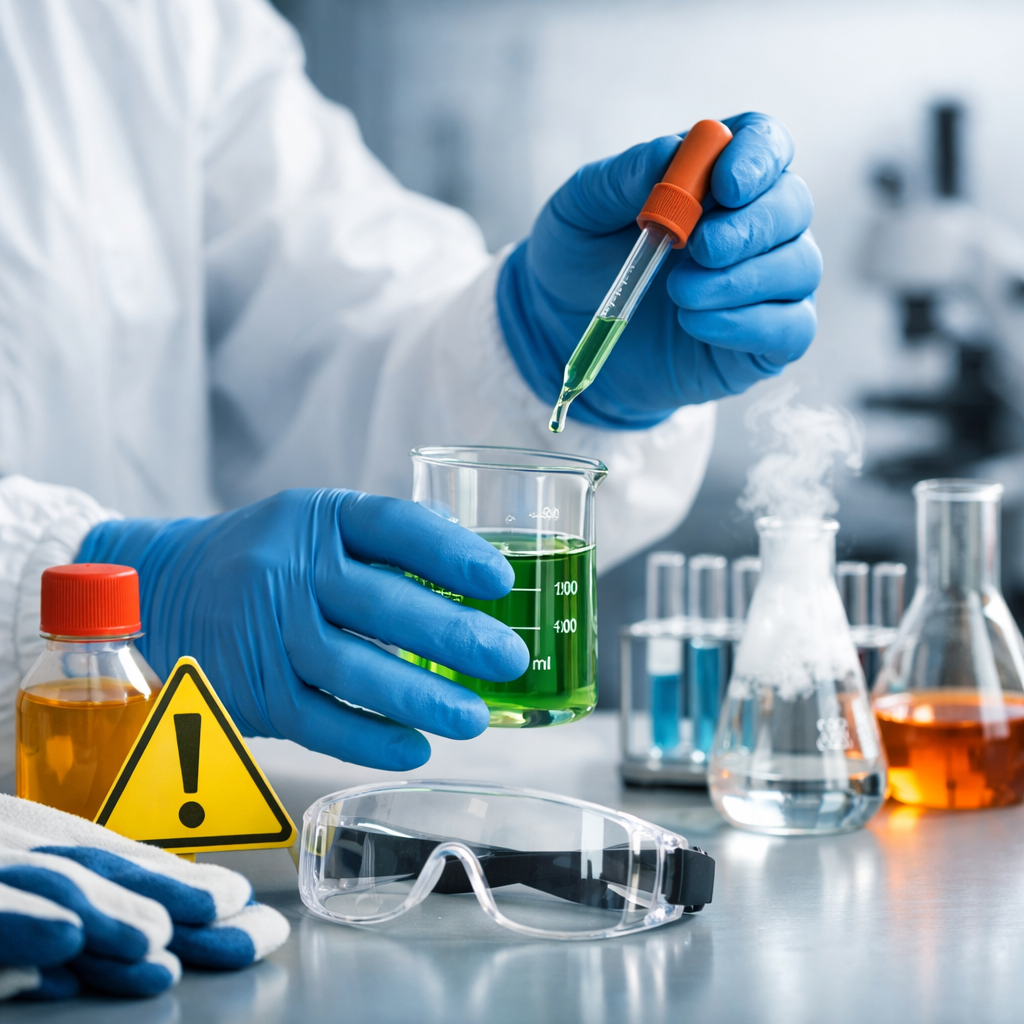
PPE supports the safe use of glassware in labs by limiting exposure to cuts, splashes, burns, and airborne hazards. The exact selection depends on the activity, but eye protection is a minimum expectation in most laboratories. Where hazardous chemicals are involved, a face shield may be needed in addition to safety glasses or goggles.
Gloves should be selected for chemical compatibility rather than assumed protection. Cut-resistant gloves may help during cleanup of uncontaminated broken glass, but they are not a replacement for chemical-resistant gloves during handling of hazardous contents. Lab coats, long pants, and closed footwear help protect skin from falling shards and liquid splashes.
Safe handling steps workers should follow
Before use, confirm that the item is clean, dry, and suitable for the intended temperature and chemical range. Handle large flasks and reagent bottles with both hands, and support the base rather than lifting by the neck alone. When heating, use appropriate holders or clamps, point openings away from the body, and allow enough cooling time before touching.
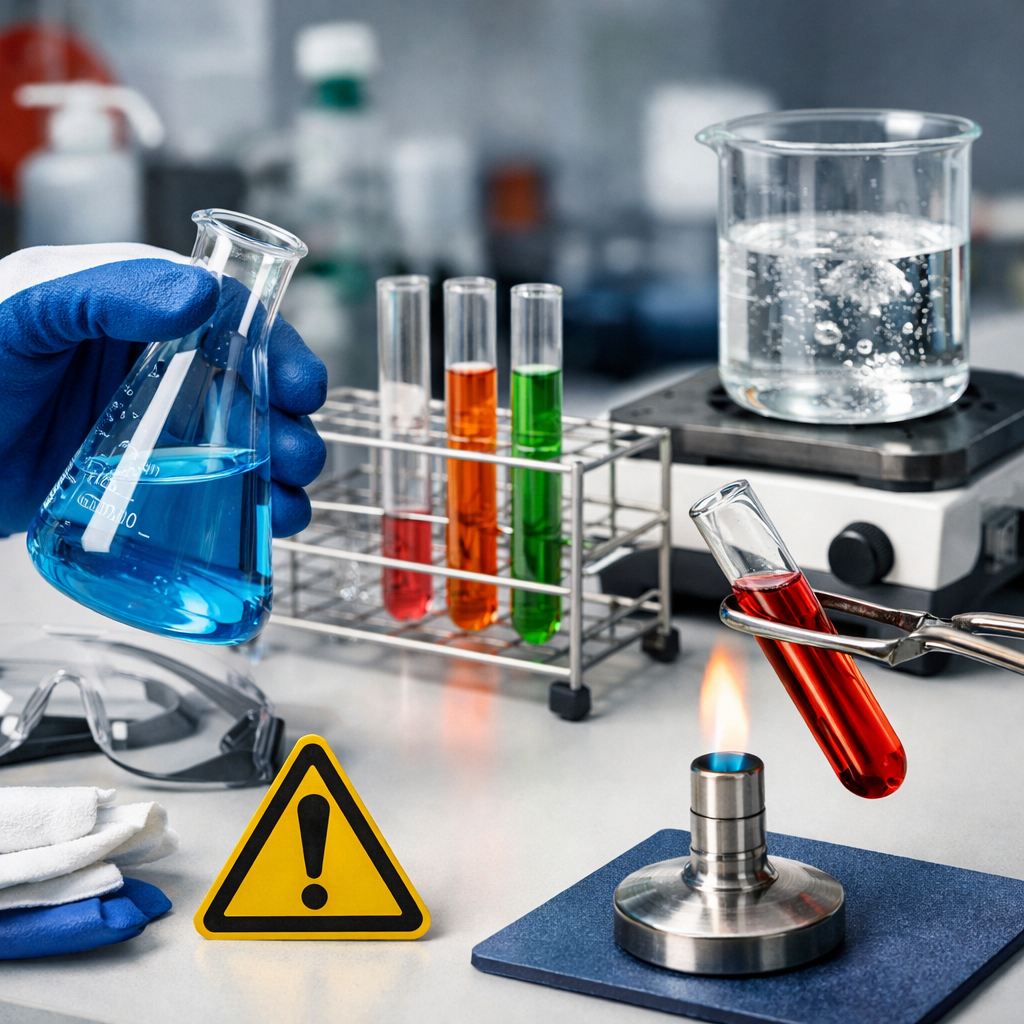
Glass tubing and thermometers require extra care. When inserting them into stoppers, workers should fire-polish cut ends where applicable, lubricate the insertion point, use a towel or hand protection, and keep hands close together to control movement. This simple step prevents a common injury in academic and industrial labs alike.
Cleanup after breakage should also follow procedure. Workers should isolate the area, assess whether hazardous material is present, and use tools such as tongs, forceps, or a brush and dustpan rather than bare hands. Contaminated sharps must be managed according to local hazardous waste rules and workplace procedures. Additional information on occupational chemical safety can be found through the NIOSH and related health and safety resources.
Compliance, training, and practical workplace examples
Compliance for the safe use of glassware in labs is not just about having PPE on site. It requires documented training, hazard assessments, maintenance of safe equipment, incident reporting, and proper waste disposal. OSHA standards and CCOHS guidance support employers in building programs that identify risks, provide instruction, and ensure workers understand safe procedures before beginning laboratory tasks.
Training should cover glass selection, inspection, storage, transport, heating, vacuum use, emergency response, and disposal. Supervisors should verify competency, especially for new workers, students, contractors, and anyone performing non-routine tasks. Refresher training is valuable after incidents, process changes, or introduction of new chemicals and apparatus.
Practical examples from real lab work
In a teaching lab, a student may remove a hot beaker from a hot plate and place it directly on a cool, wet bench. The result can be thermal shock and shattering. A safer method is to use heat-resistant surfaces, allow gradual cooling, and clearly communicate that hot glass may not look hot.
In a pharmaceutical quality lab, an analyst may transport several filled volumetric flasks by hand between rooms. If one slips, it can break and expose the worker to both glass and hazardous liquid. Using a stable tray with secondary containment significantly reduces that risk.
In a research setting, a cracked vacuum flask may be reused because the damage appears minor. Under reduced pressure, the vessel can implode and send fragments outward. A proper inspection program, equipment tagging, and immediate removal from service prevent this type of event.
| Glassware task | Main risk | Recommended control |
|---|---|---|
| Heating liquids in a flask | Thermal shock, burns, splashes | Use heat-rated glass, secure setup, allow controlled cooling, wear eye protection |
| Inserting glass tubing into stoppers | Hand lacerations | Lubricate, protect hands, control force, use correct technique |
| Vacuum filtration | Implosion, exposure to contents | Inspect vessels, use shield if needed, avoid damaged glassware |
| Transporting reagent bottles | Drops, chemical release | Use bottle carriers or secondary containment |
The safe use of glassware in labs depends on consistent attention to detail. Risks such as cuts, chemical exposure, thermal injury, and implosion can be controlled through the hierarchy of controls, proper PPE, inspection, training, and compliance with recognized OHSE guidance. When laboratories choose suitable equipment, remove damaged items from service, and reinforce safe handling through everyday practice, they protect workers while also improving the quality and reliability of their work. In any laboratory environment, the safe use of glassware in labs should remain a visible and ongoing safety priority.
No comments yet