
transporting hazardous goods safely: Essential OHSE Practices for Compliance and Risk Reduction

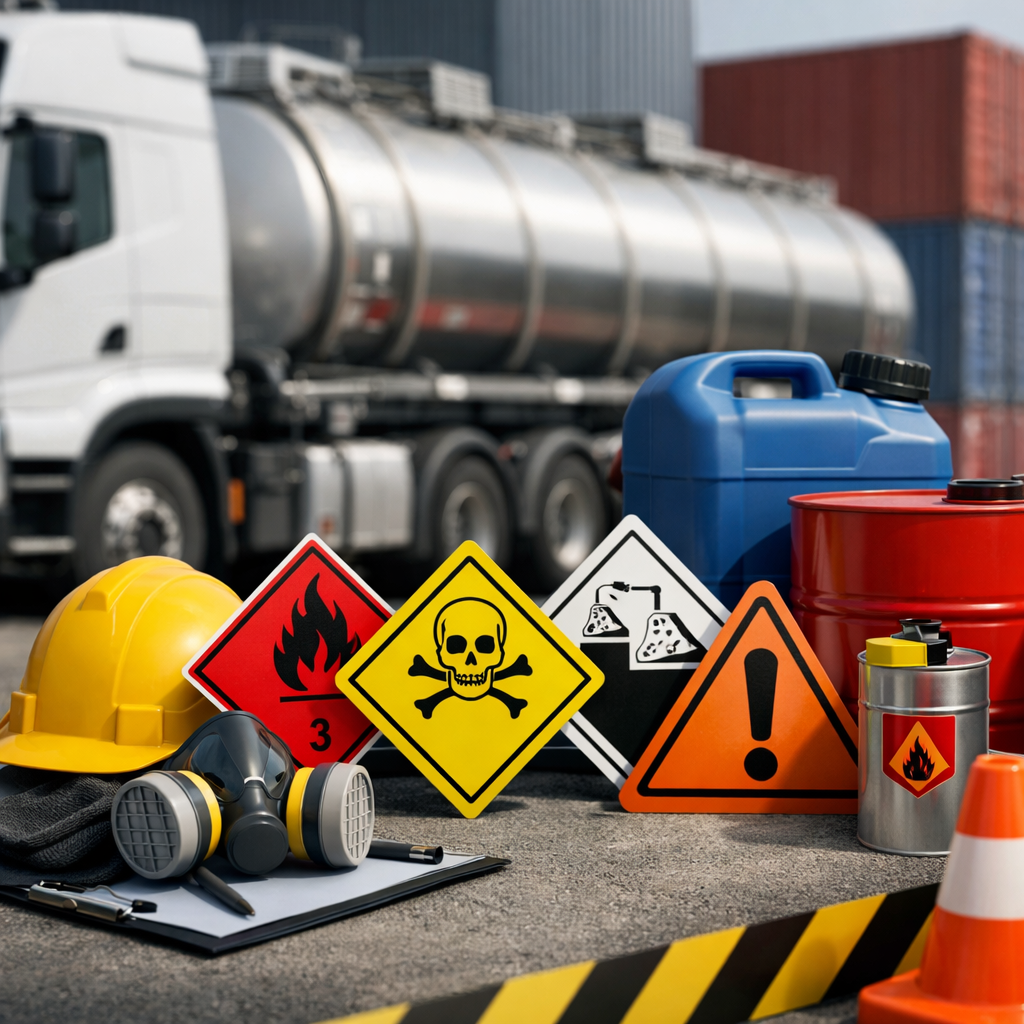
transporting hazardous goods safely is a critical OHSE responsibility for any business that handles chemicals, fuels, gases, corrosives, infectious substances, or other dangerous materials.
Whether goods move by road, rail, sea, or air, the risks of spills, fires, toxic exposure, and environmental harm make safe transport planning essential.
From warehouses and factories to laboratories and construction sites, employers must ensure hazardous goods are identified, packaged, labelled, loaded, secured, and delivered in line with legal requirements and good safety practice.
A single mistake can put drivers, loaders, emergency responders, nearby communities, and the environment at risk.
This article explains the key hazards, control measures, PPE needs, compliance duties, and practical examples involved in transporting hazardous goods safely in the workplace.
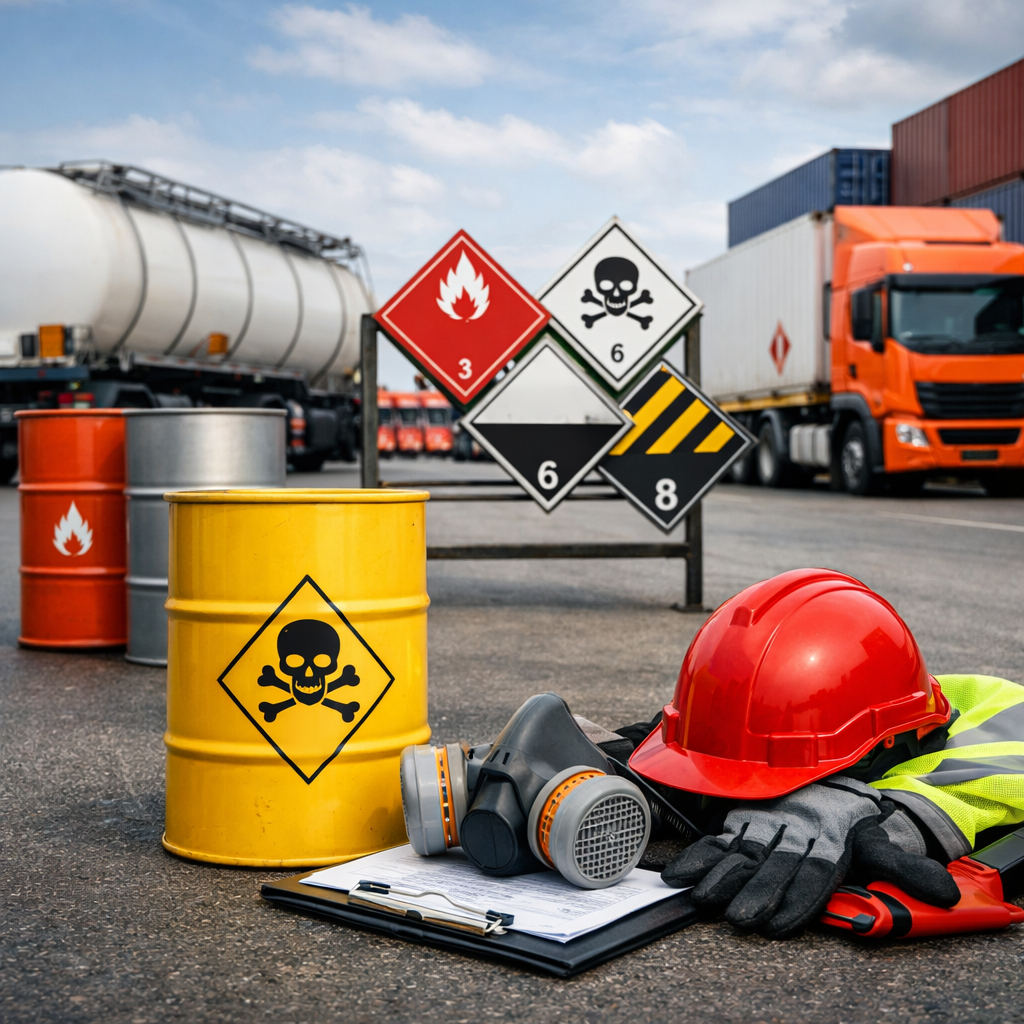
- Why transporting hazardous goods safely matters in every workplace
- Key risks involved in transporting hazardous goods safely
- Prevention strategies for transporting hazardous goods safely
- PPE and worker responsibilities when transporting hazardous goods safely
- Compliance and practical examples of transporting hazardous goods safely
Why transporting hazardous goods safely matters in every workplace
Hazardous goods include substances and articles that can cause harm during transport because of their chemical or physical properties.
Common examples include flammable liquids, compressed gases, oxidizers, toxic chemicals, corrosive substances, and lithium batteries.
Even routine deliveries can become high-risk when packaging is damaged, documentation is incomplete, or loads are poorly secured.
The consequences may include worker injury, burns, poisoning, explosions, property damage, traffic incidents, and costly regulatory action.
Businesses also face reputational damage and operational disruption when hazardous goods incidents occur.
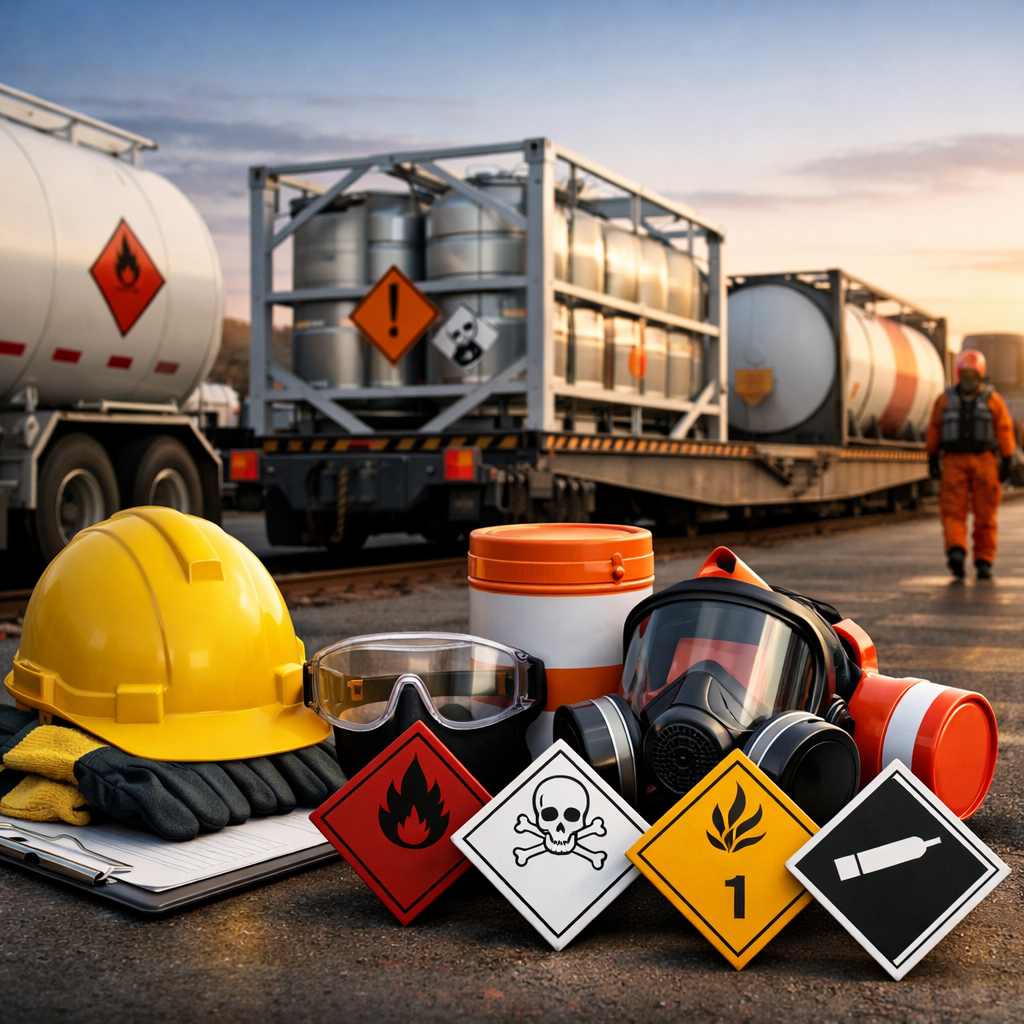
For that reason, transporting hazardous goods safely should be treated as part of a wider OHSE system rather than a simple logistics task.
Safe transport relies on proper classification, competent workers, emergency preparedness, and clear communication across the supply chain.
Organizations often use guidance from OSHA and CCOHS to strengthen their hazardous materials handling and transport programs.
Internal procedures such as safety training programs and risk assessment processes are also important in day-to-day operations.
Key risks involved in transporting hazardous goods safely
Physical, chemical, and environmental hazards
The main risks vary depending on the substance, quantity, route, vehicle type, and transport conditions.
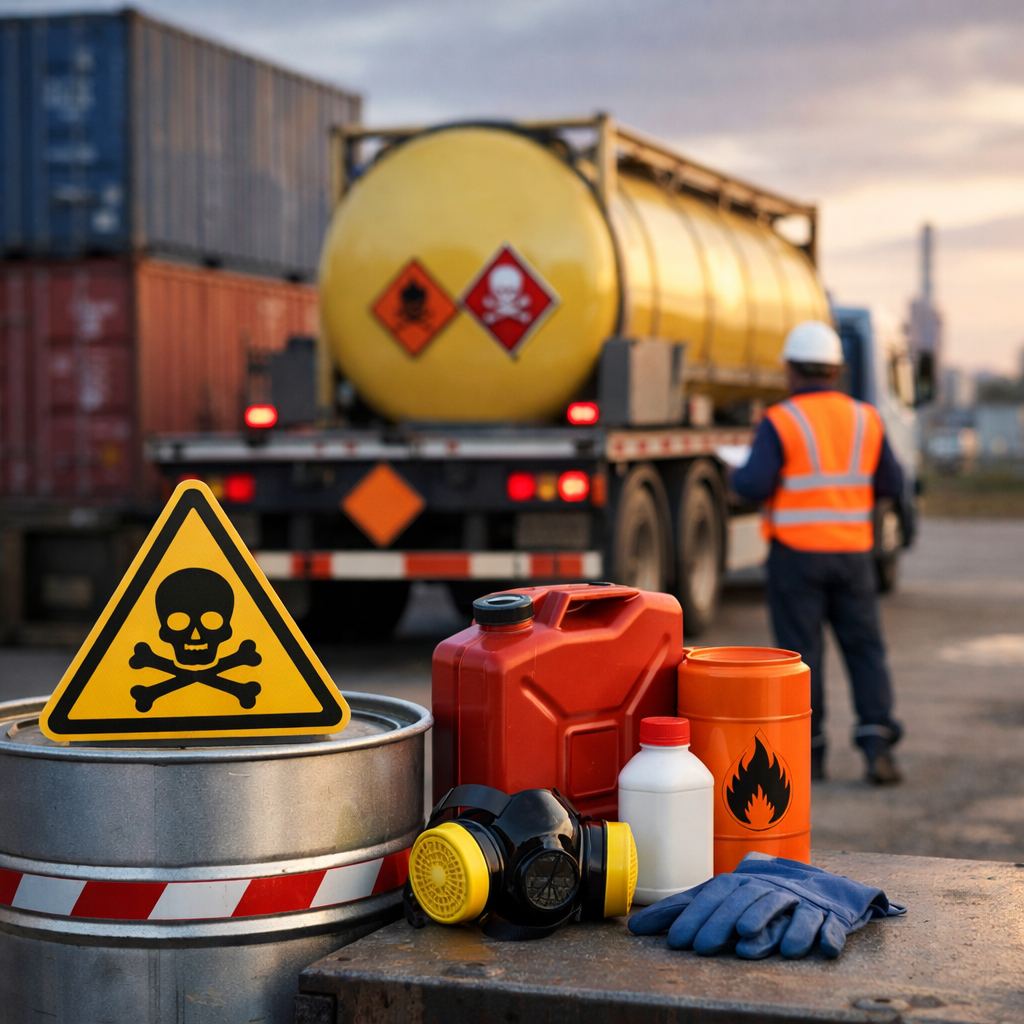
Flammable goods may ignite from heat, sparks, or static electricity, while corrosives can burn skin and damage vehicle surfaces if containment fails.
Toxic substances may expose workers through inhalation, skin contact, or ingestion during loading, unloading, or spill response.
Compressed gases can rupture under pressure or become dangerous projectiles if cylinders are not secured correctly.
Environmentally hazardous materials can contaminate soil, drains, or waterways if released during transit.
Human and operational factors
Many incidents are linked not only to the material itself but also to human error and weak systems.
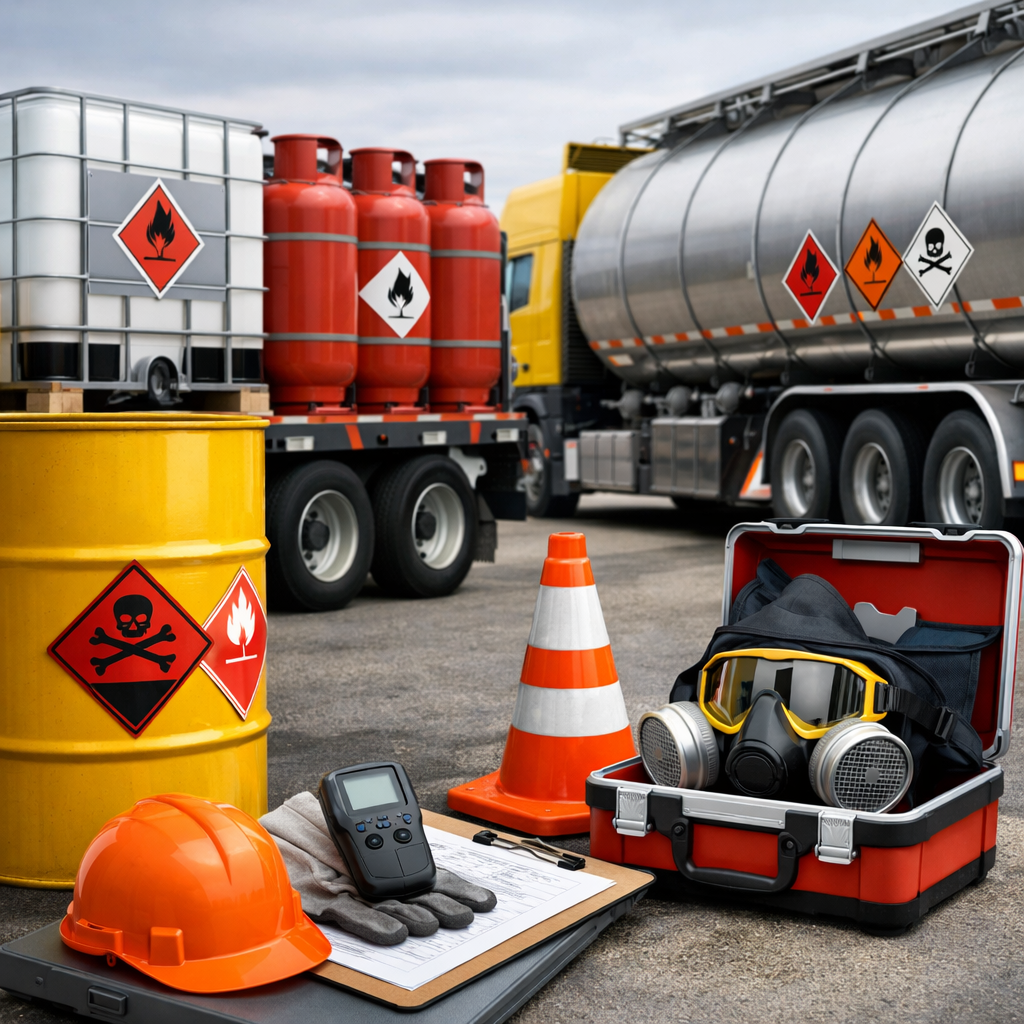
Examples include incorrect labels, incompatible substances packed together, missing shipping documents, driver fatigue, and inadequate supervision.
Poor vehicle maintenance can increase the chance of leaks, brake failure, or load instability.
Weather, traffic congestion, remote routes, and communication breakdowns can further increase risk.
When planning for transporting hazardous goods safely, employers should assess both routine and non-routine scenarios, including breakdowns, collisions, and emergency diversions.
- Spill and leak risk: damaged containers, poor seals, overfilled drums, or rough handling
- Fire and explosion risk: ignition sources, incompatible segregation, static discharge, or heat exposure
- Worker exposure risk: inhalation, skin absorption, splashes, or contaminated surfaces
- Load shift risk: improper restraint, unstable pallets, or unsuitable vehicle configuration
- Compliance risk: incorrect placards, incomplete paperwork, or untrained workers
Prevention strategies for transporting hazardous goods safely
Apply the Hierarchy of Controls
The most effective way to reduce transport risk is to apply the Hierarchy of Controls.
Elimination may involve avoiding transport altogether by changing process design, reducing stock levels, or sourcing materials closer to site.
Substitution may mean using a less hazardous product, such as a water-based chemical instead of a highly flammable solvent.
Engineering controls include spill-proof containers, ventilated storage compartments, vehicle restraint systems, and segregation barriers.
Administrative controls include route planning, pre-trip inspections, permit systems, emergency instructions, training, and documented safe work procedures.
PPE remains important, but it should never be the only control.
Core prevention measures
Safe transport starts before the vehicle moves.
Hazardous goods must be correctly classified, packed in approved containers, clearly labelled, and accompanied by accurate documentation.
Workers need to verify that packaging is intact, closures are secure, and incompatible substances are separated.
Vehicles should be fit for purpose and inspected for leaks, restraint points, fire extinguishers, placards, and emergency equipment.
Drivers and loading teams must understand the properties of the goods, handling precautions, and what to do if an incident occurs.
| Risk Area | Common Issue | Practical Control |
|---|---|---|
| Packaging | Damaged or incompatible container | Use approved packaging and inspect before dispatch |
| Labelling | Missing or incorrect hazard information | Check labels, placards, and shipping documents |
| Loading | Unsecured or mixed incompatible goods | Apply segregation rules and load restraint systems |
| People | Untrained driver or handler | Provide competency-based training and refreshers |
| Emergency response | Delayed action during a spill or fire | Carry spill kits, response guides, and contact procedures |
Businesses can also refer to international guidance such as the UNECE dangerous goods framework where relevant to their operations.
Regular audits, incident reviews, and contractor checks help confirm whether controls remain effective over time.
PPE and worker responsibilities when transporting hazardous goods safely
Choosing the right PPE
PPE requirements depend on the specific hazardous goods being transported and the tasks involved.
For example, loading corrosive chemicals may require chemical-resistant gloves, splash goggles, coveralls, and face protection.
Handling flammable liquids may require anti-static clothing and suitable footwear.
Where inhalation risks exist, respiratory protection may be needed, but only where selected, fitted, and managed correctly.
High-visibility clothing, hard hats, and safety boots may also be required in loading yards and transport depots.
Importantly, PPE should be maintained in good condition, stored properly, and replaced when damaged or contaminated.
Training, supervision, and communication
Workers involved in transporting hazardous goods safely need more than general induction training.
They must understand SDS information, hazard classes, segregation rules, emergency contacts, and how to use spill kits and fire extinguishers where appropriate.
Supervisors should verify competency, especially for contractors and new workers.
Clear communication between consignors, loaders, drivers, receivers, and emergency personnel is essential.
If documentation does not match the load, the transport task should stop until the issue is resolved.
Near misses should be reported early, because they often reveal system failures before serious harm occurs.
Compliance and practical examples of transporting hazardous goods safely
Meeting legal and OHSE obligations
Compliance is a major part of transporting hazardous goods safely.
Employers must identify the laws and codes that apply in their jurisdiction, including transport regulations, workplace safety rules, and environmental obligations.
This typically includes duties around classification, packaging, labelling, placarding, documentation, training, licensing, and emergency planning.
Records should be current and accessible, especially during inspections or incident investigations.
Companies should also confirm that third-party carriers meet the same standards expected internally.
A contractor with poor maintenance, weak training, or incomplete paperwork can expose the hiring business to significant risk.
Practical workplace examples
Consider a manufacturing site shipping drums of flammable solvent to a customer.
Before dispatch, the team checks the drum condition, confirms labels and transport documents, separates ignition sources, and secures the load using suitable restraints.
The driver carries emergency instructions, a fire extinguisher, and spill equipment, and follows an approved route that avoids unnecessary delays.
This is a practical example of transporting hazardous goods safely through planning, engineering controls, and worker competency.
In another example, a healthcare facility sends clinical waste for off-site treatment.
Sharps containers are sealed, infectious waste is segregated correctly, manifests are completed, and handlers wear appropriate gloves, eye protection, and protective clothing.
The receiving site confirms the load on arrival and reports any packaging defects immediately.
These simple but consistent steps greatly reduce the chance of exposure and non-compliance.
In conclusion, transporting hazardous goods safely depends on understanding the hazards, applying the Hierarchy of Controls, selecting suitable PPE, and meeting all compliance requirements.
With strong procedures, trained workers, reliable equipment, and practical emergency planning, businesses can protect people, property, and the environment while keeping operations efficient and lawful.
No comments yet