Category Blog SAFETY The Importance of Workplace Safety in the Textile Industry Workplace Safety in the Textile Industry is critical for protecting workers from a range of occupational hazards, from fire risks…
Category Blog Hazards HEALTH Jobs Life OHSE SAFETY What Should an Injured Employee Do After a Workplace Injury? Workplace injuries can be stressful and overwhelming, especially when they occur unexpectedly. It’s important for injured employees to understand their…
Category Blog OHS OHSA OHSE OSH SAFETY The Surprising Benefits of Hands-On Safety Simulations The surprising benefits of hands-on safety simulations extend beyond simply learning safety protocols—they foster practical skills, enhance decision-making, and prepare…
Category Blog OHAS OHS OHSA OHSE OHSW SAFETY Reducing Greenhouse Gas Emissions at Work: A Vital Part of OHSE Programs Greenhouse Gas Emissions at Work have become a growing concern for businesses worldwide. At the heart of this challenge lies…
Category Blog OHSA SAFETY Controlling Static Electricity in Hazardous Environments: A Hidden Danger You Can Prevent Controlling static electricity in hazardous environments is crucial to avoiding deadly fires, explosions, and injuries. Static discharge may seem harmless,…
Category Blog OHS OHSA OHSE OHSW SAFETY How to Identify and Mark Emergency Exits How to Identify and Mark Emergency Exits is a critical skill for any employer, facility manager, or safety officer. Clearly…
Category Blog Canada HEALTH OHSE SAFETY Risk = Likelihood of Occurrence × Severity of Consequences: A Key Concept in Risk Assessment In the realm of Occupational Health, Safety, and Environment (OHSE), effective risk management is critical for protecting the health and…
Category ISO 45001 OHAS SAFETY Key Features and Differences Between ISO 45001 and OHSAS 18001 Occupational health and safety (OH&S) management is critical for ensuring worker safety, minimizing risks, and improving overall business performance. Businesses…
Category ENVIRONMENT HEALTH OHS OHSE OHSE 104 SAFETY Advanced Techniques in Incident Investigation 6.1. Human Factors Analysis in Incident Investigation Human factors play a critical role in many workplace incidents. Understanding the interaction…
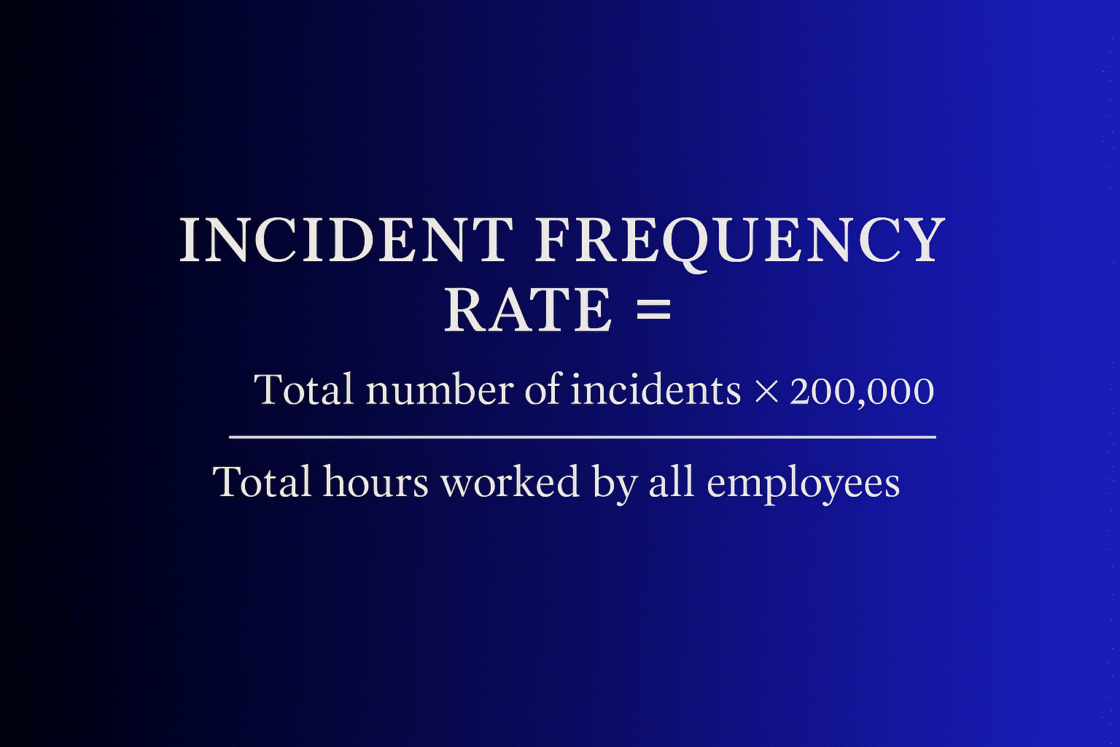
Category SAFETY Incident Frequency Rate (IFR) Incident Frequency Rate (IFR) is a critical safety metric that quantifies how often recordable workplace injuries occur relative to hours…