
Municipal and Public Works: OHSE Considerations for Snow Plow and Salting Crews are at the heart of safe, efficient winter operations that protect workers, road users, and the community.
- Why OHSE considerations for snow plow and salting crews matter
- Planning and risk assessment for winter operations
- Municipal & Public Works: OHSE Considerations for Snow Plow and Salting Crews in training and competency
- Vehicle inspection, maintenance, and safe operation
- PPE, cold stress, and ergonomics in winter maintenance
- Traffic management and public interaction
- Incident reporting, investigation, and continuous improvement
Municipal and Public Works: OHSE Considerations for Snow Plow and Salting Crews
When snow starts to fall, municipal and public works teams become the front line for keeping roads, sidewalks, and critical infrastructure safe.
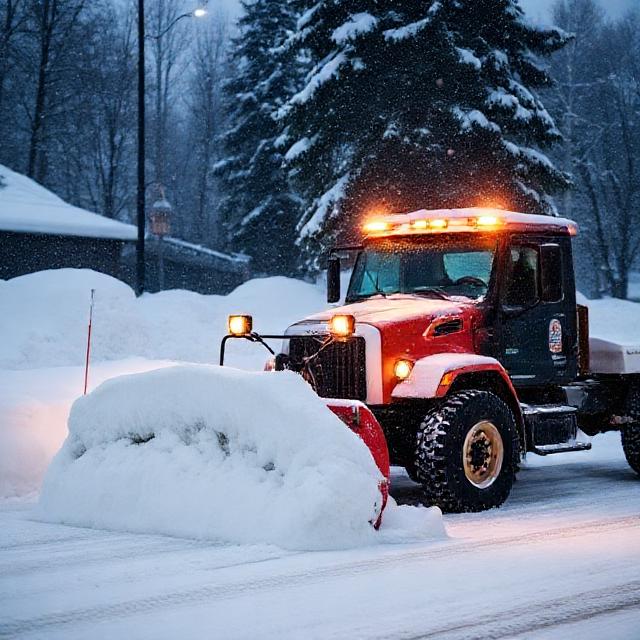
But the same conditions that demand rapid snow and ice control also create serious occupational hazards: reduced visibility, slick surfaces, cold stress, long shifts, and heavy interaction with live traffic.
A structured OHSE approach for snow plow and salting crews helps prevent injuries, damage, and service disruptions while supporting consistent, professional winter maintenance.
Why OHSE considerations for snow plow and salting crews matter
Snow plow and salting crews face overlapping hazards: driving in poor visibility, working around moving equipment, handling chemicals, and exposure to extreme cold. A single lapse in control can result in collisions, struck-by incidents, falls from equipment, or serious cold-related illness.
From an organizational perspective, solid OHSE considerations for snow plow and salting crews also protect your municipality from reputational damage, legal liability, and service interruptions.
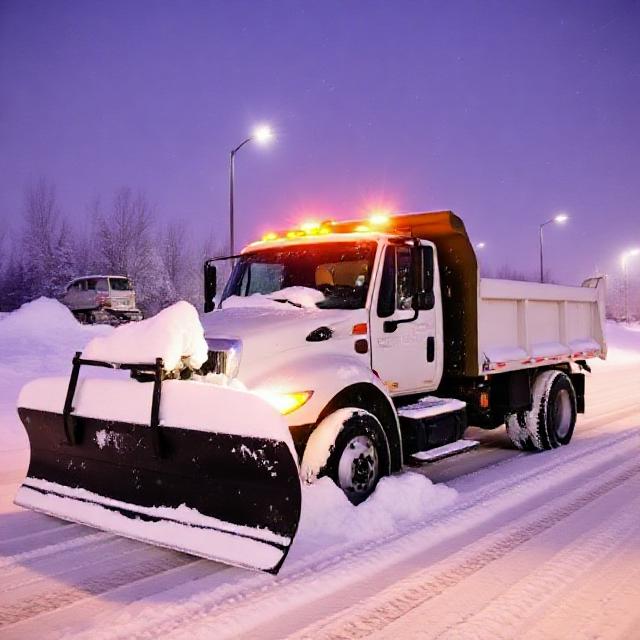
Demonstrating due diligence through risk assessments, training programs, and documented procedures shows that management is systematically managing winter hazards, not leaving safety to chance.
Planning and risk assessment for winter operations
Before the first snowfall, supervisors should complete a formal risk assessment specific to snow plow and salting crews.
This assessment should identify tasks (e.g., loading salt, driving routes, clearing cul-de-sacs, working around schools and hospitals) and evaluate the likelihood and severity of hazards for each.
Consider at least these factors:
- Road types and speed limits on each route
- High-risk locations, such as curves, hills, bridges, bus stops, and crosswalks
- Pedestrian and cyclist activity, especially near schools and transit hubs
- Interaction with other contractors or utilities working on the roadway
- Weather triggers (snow intensity, ice warnings, wind chill, freezing rain)
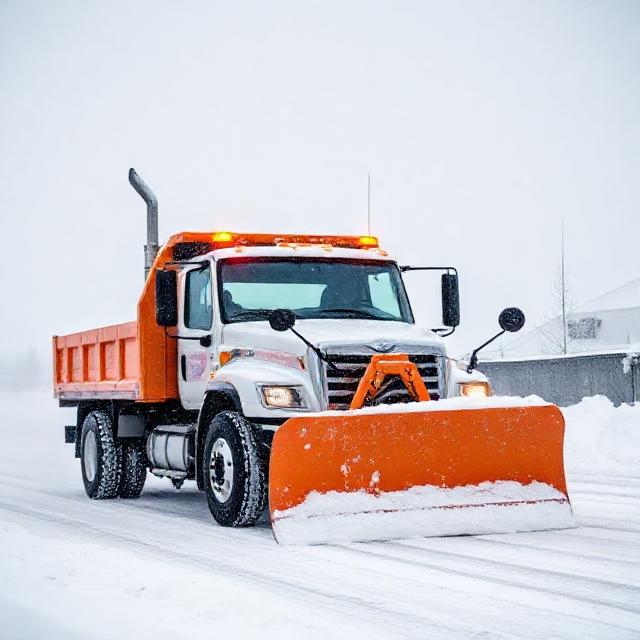
Use the risk assessment to prioritize controls and procedures. For example, high-risk intersections may require reduced speed limits for trucks, additional lighting, or special instructions about how to plow to maintain sightlines.
Guidance from organizations like the Canadian Centre for Occupational Health and Safety and transportation agencies can help you benchmark your approach against industry best practice.
Municipal & Public Works: OHSE Considerations for Snow Plow and Salting Crews in training and competency
Training is one of the strongest OHSE considerations for snow plow and salting crews, because the work environment can change minute by minute.
New and seasonal workers must never be sent out on routes without structured onboarding and competency checks.
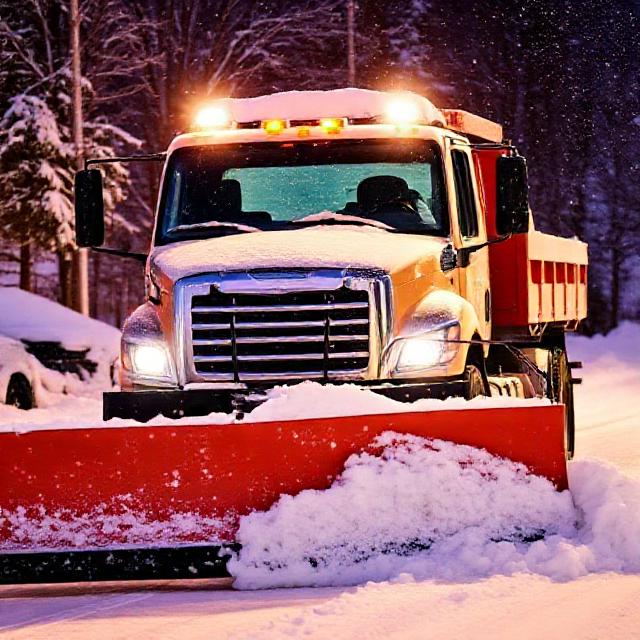
An effective training program should cover:
- Vehicle and equipment familiarization
Controls, blind spots, mirrors and cameras, safe mounting and dismounting, pre-trip inspections, and what to do if a defect is found. - Winter driving techniques
Safe speeds, following distances, braking on ice, turning with heavy loads, and defensive driving around impatient road users. Linking to a more detailed winter driving safety checklist on your own site can support ongoing learning. - Route-specific hazards
Photos, maps, and past incident data for difficult turns, tight streets, low-clearance structures, and areas with heavy pedestrian traffic. - Communication and reporting expectations
When to call the supervisor, how to report near misses, and how to escalate road or equipment issues that require immediate attention.
Practical, scenario-based training using real route data and recent incidents will resonate more than generic PowerPoint slides. Refresher talks during the season—short toolbox discussions at the start of shifts—help keep snow plow and salting crew OHSE issues visible.
Vehicle inspection, maintenance, and safe operation
Snow plows and salters operate under tough conditions that can quickly expose mechanical weaknesses. A robust pre- and post-trip inspection routine is a critical OHSE consideration for snow plow and salting crews.
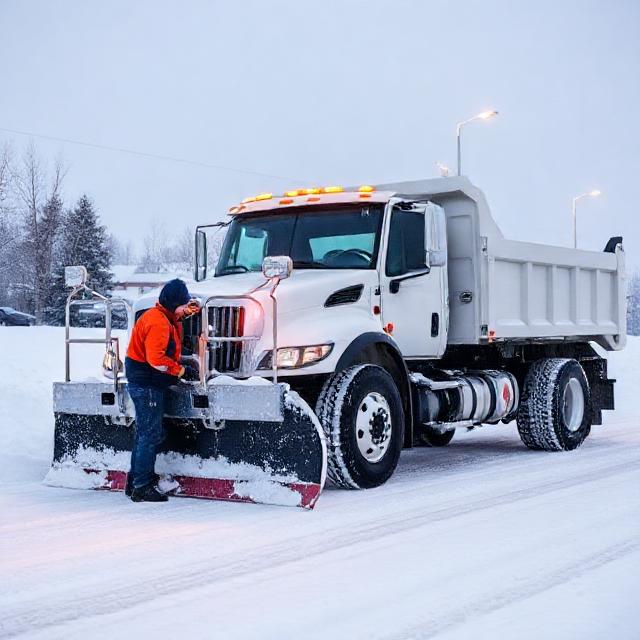
Pre-trip inspections should include:
- Brakes, steering, tires, wipers, lights, and defrosters
- Plow blades, attachment points, and hydraulic systems
- Salter hoppers, spinner mechanisms, guards, and covers
- Mirrors, cameras, and backup alarms
- In-cab safety equipment: seatbelts, radios, emergency kits, high-vis vests, and first-aid supplies
Defects that impact safety—such as faulty brakes, worn tires, or non-functional lights—must trigger an immediate “do not operate” decision until repairs are completed.
Guidance from transportation departments and standards bodies such as the Transportation Association of Canada can support your inspection criteria and maintenance intervals.
During operation, key safe-driving practices include:
- Choosing a speed appropriate for conditions, not just the posted limit
- Avoiding sudden lane changes or hard braking whenever possible
- Using beacons and hazard lights consistently when plowing or salting
- Maintaining extra space around pedestrians, cyclists, and parked vehicles
- Never using phones or handheld devices while driving
PPE, cold stress, and ergonomics in winter maintenance
Proper PPE and cold-weather controls are central OHSE considerations for snow plow and salting crews who work long hours outdoors or in unheated vehicles.
Key elements include:
- Layered clothing that wicks moisture, insulates, and blocks wind
- High-visibility outerwear that meets relevant standards, with reflective striping visible from all sides
- Insulated, slip-resistant footwear suitable for climbing steps and walking on ice
- Warm gloves and liners that allow dexterity for controls without exposing skin
- Face and eye protection in blowing snow, salt mist, or high winds
Supervisors should plan work/rest cycles, especially during extreme cold or overnight storms. Crews need access to warm shelters, hot drinks, and opportunities to move and stretch.
Training on recognizing frostbite, hypothermia, and fatigue—using resources from agencies like NIOSH—helps workers look out for themselves and their teammates.
Ergonomics matter too: loading salt bags, shovelling around obstacles, or manually clearing steps can strain backs and shoulders.
Provide mechanical aids wherever possible and train staff on safe lifting and shovelling techniques. Linking to an internal resource such as an ergonomics and snow shovelling guide reinforces these messages.
Traffic management and public interaction
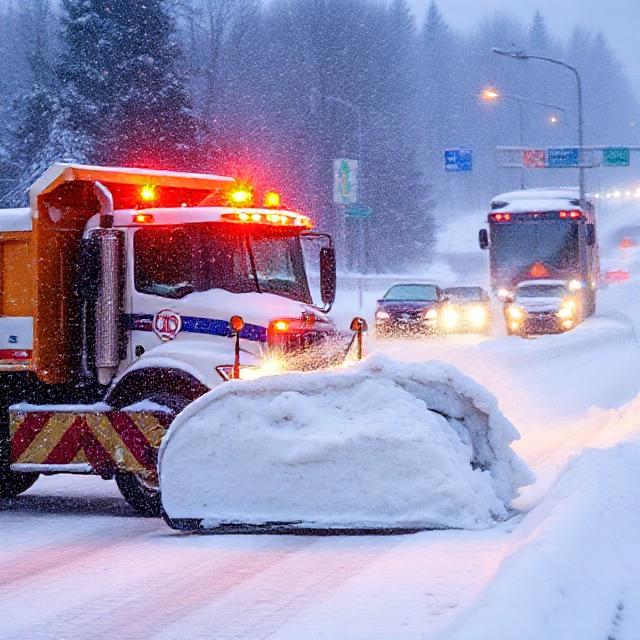
Because snow plow and salting crews operate in live traffic and around the public, traffic management is a major OHSE consideration. Clear procedures reduce the risk of struck-by incidents and collisions.
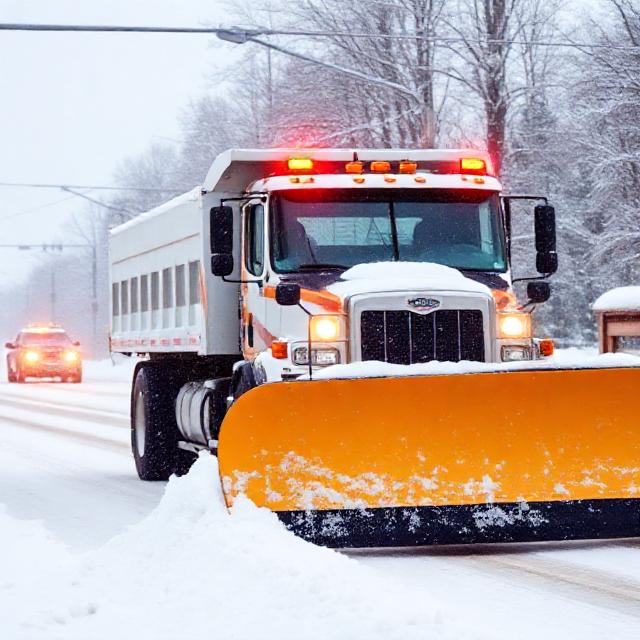
Controls may include:
- Standardized vehicle markings and conspicuity (reflective striping, municipal logos, and “STAY BACK” messaging)
- Use of escort vehicles in complex or high-speed areas
- Defined plowing patterns on multi-lane roads to avoid surprise lane changes
- Guidelines for interacting with aggressive or impatient drivers, including when to notify police
Crews also interact with pedestrians and property owners. Workers should be trained to pause operations when visibility is poor near crosswalks or bus stops, and to avoid pushing snow in ways that block sidewalks, driveways, or hydrants. These practices support both public relations and safety.
Incident reporting, investigation, and continuous improvement
Even with strong controls, incidents and near misses will still occur. Treating each event as a learning opportunity is one of the most valuable OHSE considerations for snow plow and salting crews.
Encourage workers to report:
- Vehicle collisions and property damage
- Slips, trips, and falls while entering or exiting vehicles
- Equipment malfunctions and near failures
- Situations where they felt unsafe due to traffic, visibility, or road conditions
Investigate these reports promptly. Look for root causes—route design, training gaps, equipment issues, or unrealistic timelines—and track corrective actions.
Sharing lessons learned in pre-shift briefings or through short articles on your intranet or safety sites like OHSE.ca reinforces that safety is a shared responsibility.
When you embed these practices into your winter maintenance program, you build a safer, more resilient operation that protects your people, your community, and your reputation—anchored on Municipal & Public Works: OHSE Considerations for Snow Plow and Salting Crews.
No comments yet