
Heat Stress Prevention Tips for Outdoor and Hot Indoor Work: Practical Steps to Keep Workers Safe

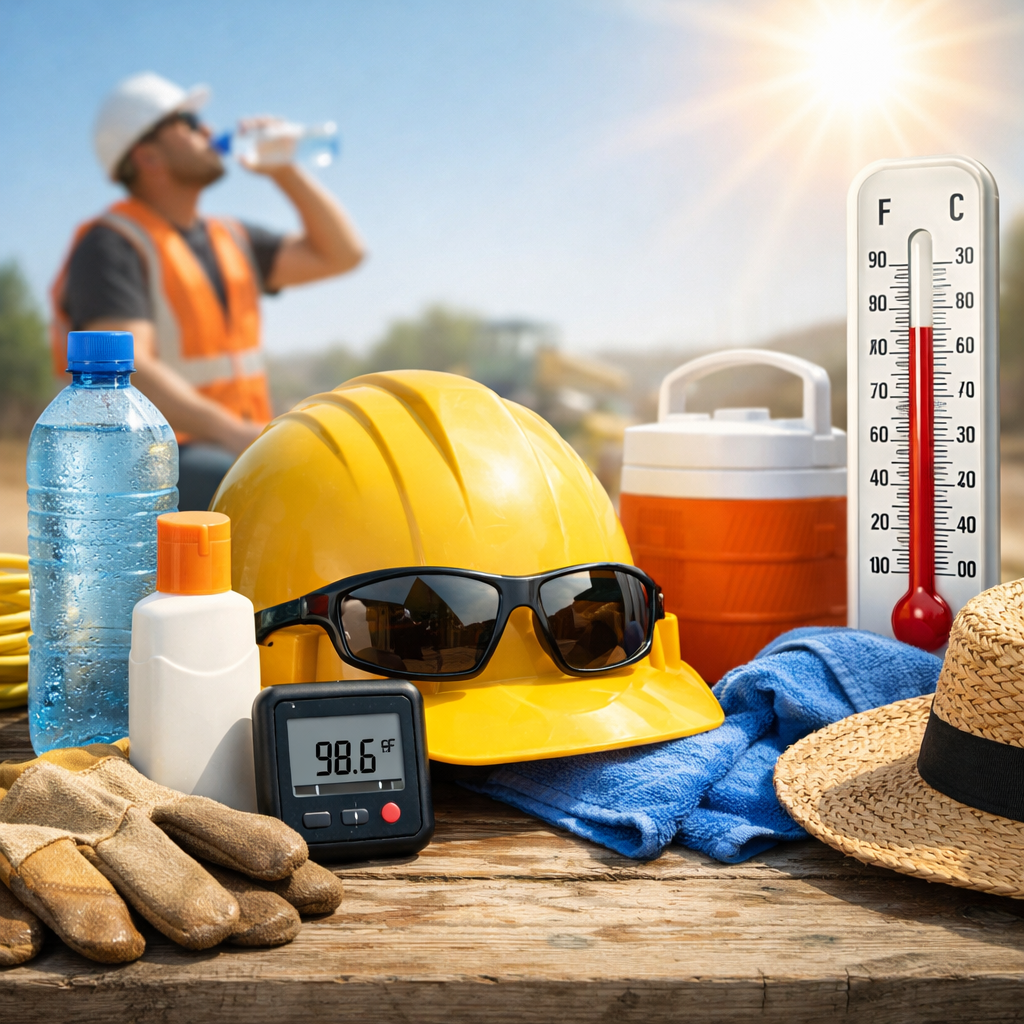
Heat stress prevention tips are essential for anyone working outdoors in summer weather or inside hot indoor environments such as warehouses, commercial kitchens, foundries, boiler rooms, and manufacturing plants.
When temperatures rise, the body has to work harder to stay cool, and that can quickly lead to dehydration, fatigue, reduced concentration, heat exhaustion, or even life-threatening heat stroke.
Employers, supervisors, and workers all play a role in reducing risk. A strong prevention plan should combine safe work practices, training, hydration, acclimatization, supervision, and a clear emergency response process.
This guide explains practical, seasonally useful heat stress prevention tips for outdoor and hot indoor work, with workplace-focused advice that aligns with guidance from organizations such as OSHA and CCOHS.
Heat Stress Prevention Tips: Understand the Main Risk Factors
Heat stress does not only happen on extremely hot days. It can also develop during warm, humid conditions, during early-season heat waves, or in indoor spaces where air movement is poor and heat-producing equipment raises temperatures.

Common high-risk workplaces include roofing sites, roadwork, landscaping, agriculture, loading docks, warehouses, laundries, kitchens, and metalworking operations.
Who faces the greatest risk?
New workers, temporary staff, workers returning after time away, and anyone not yet used to hot conditions are especially vulnerable. Heavy physical activity, direct sun exposure, dark or non-breathable clothing, and the use of personal protective equipment can also increase body heat.
Other factors include dehydration, certain medications, medical conditions, poor sleep, and working alone.
- Environmental risks: high temperature, humidity, radiant heat, direct sunlight, and low air movement
- Job risks: heavy lifting, repetitive exertion, fast-paced work, and limited rest breaks
- Personal risks: poor hydration, lack of acclimatization, illness, or not recognizing early symptoms
- Organizational risks: weak supervision, no heat plan, inadequate training, and poor emergency procedures
Recognizing these risk factors early is one of the most important heat stress prevention tips because prevention starts before symptoms appear.
Use the Hierarchy of Controls for Better Heat Stress Prevention Tips
The most effective approach is to apply the Hierarchy of Controls. Instead of relying only on workers to “push through,” employers should reduce exposure at the source wherever possible.
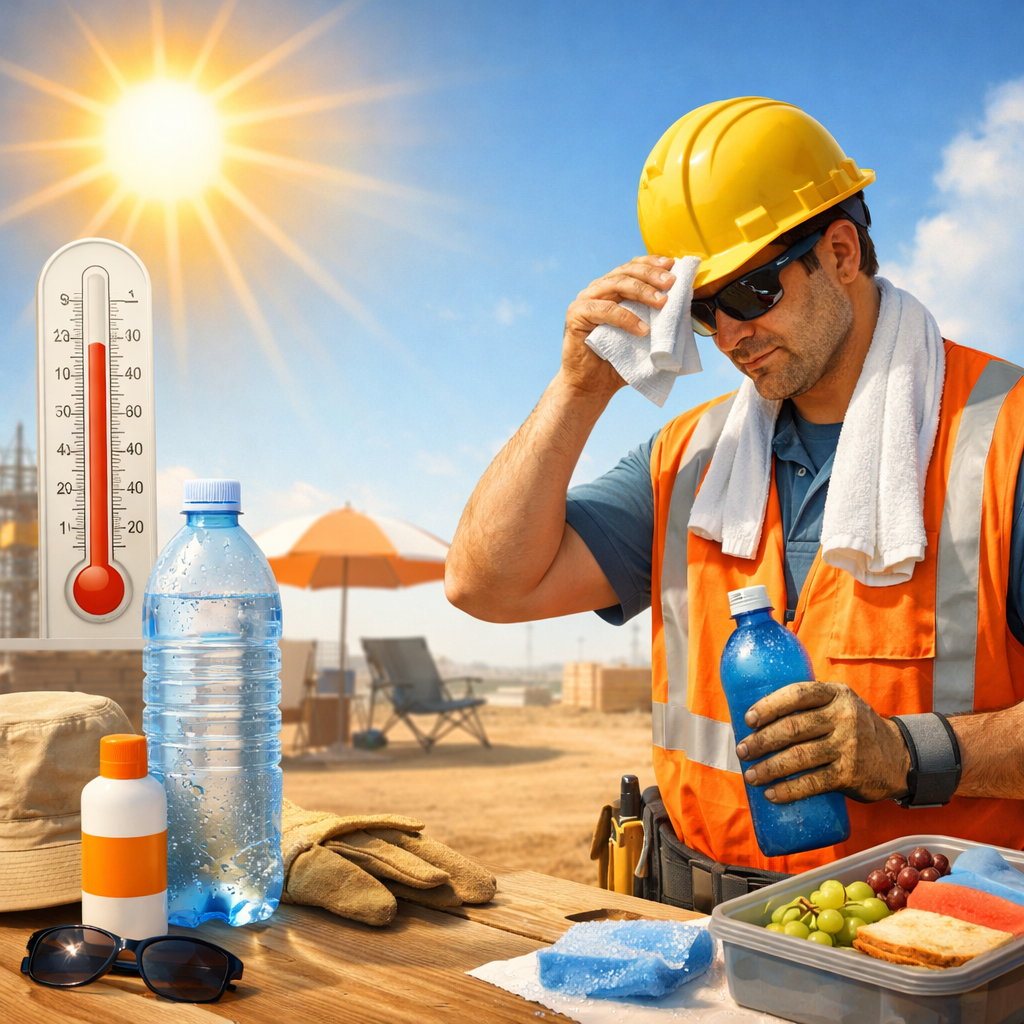
Elimination and substitution
In some settings, the hottest tasks can be moved to cooler hours of the day or completed during cooler seasons. If a process creates unnecessary heat, an alternative process or lower-heat equipment may reduce exposure.
Engineering controls
Engineering controls are among the strongest heat stress prevention tips for both indoor and outdoor work.
- Provide shade structures, canopies, or cooled rest trailers for outdoor crews
- Use fans, general ventilation, spot cooling, or air conditioning where feasible
- Insulate hot surfaces and pipes in indoor facilities
- Reduce radiant heat with barriers or reflective shielding
- Improve airflow in enclosed or poorly ventilated work areas
Administrative controls
Administrative controls often make the biggest day-to-day difference. Schedule demanding work for early morning, rotate workers through hot tasks, and increase recovery time as temperatures rise.
Supervisors should monitor forecasts, indoor heat conditions, and worker symptoms. A buddy system can help identify confusion, dizziness, or unusual behavior before a medical emergency develops.
Training also matters. Workers should know the signs of heat rash, heat cramps, heat exhaustion, and heat stroke. They should also know when to stop work and how to report concerns without hesitation.
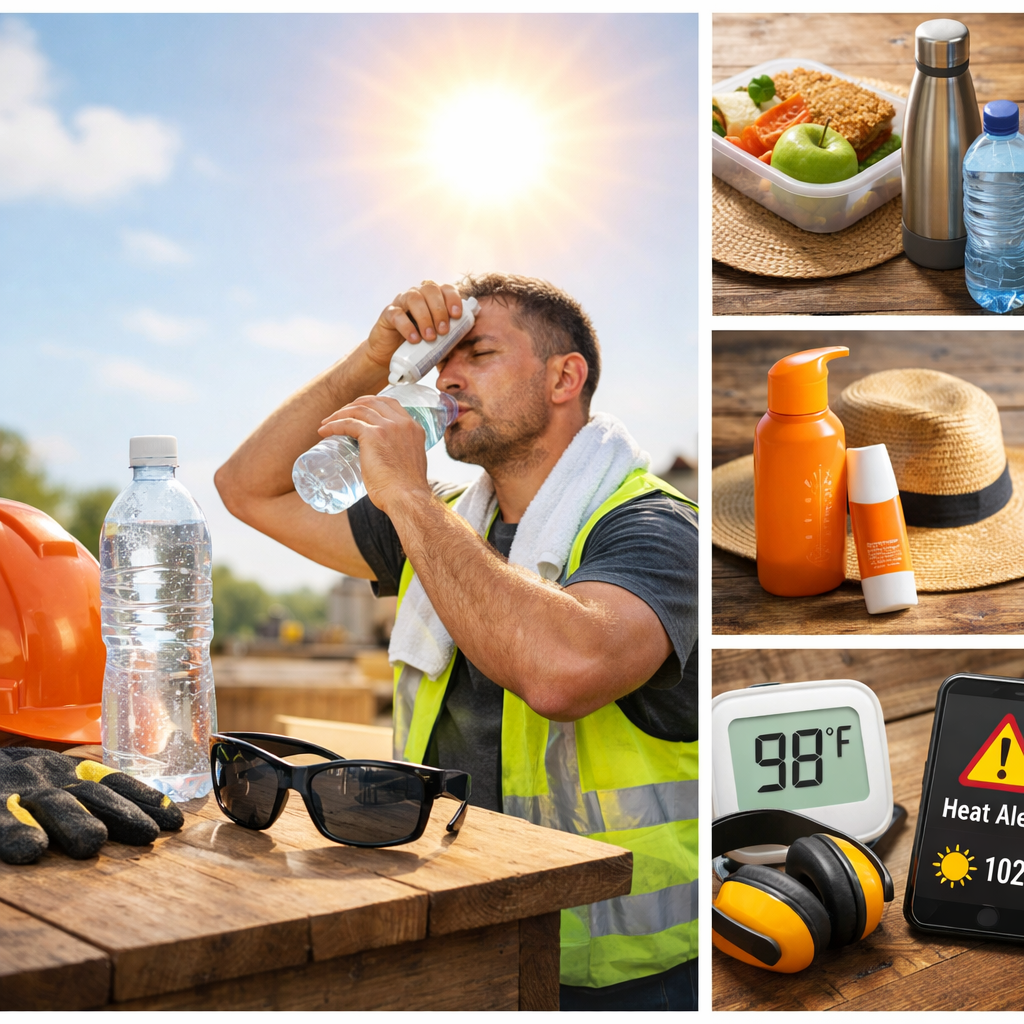
For more practical workplace safety planning, companies may also link heat procedures to their safety training programs and workplace risk assessments.
Heat Stress Prevention Tips for Hydration and Acclimatization
Two of the most effective heat stress prevention tips are simple in theory but often missed in practice: drink fluids regularly and allow the body time to adapt to heat.
Hydration: drink before you feel thirsty
Thirst is not always an early warning sign. Workers should drink water regularly throughout the shift, especially during heavy work or hot, humid conditions.
Cool, clean water should be readily available near the work area. In longer or more intense shifts involving heavy sweating, electrolyte replacement may also be helpful, depending on the task and conditions.
| Hydration Practice | Why It Helps | Practical Workplace Example |
|---|---|---|
| Drink water frequently | Replaces fluids lost through sweat | Set scheduled water breaks every 15 to 20 minutes during peak heat |
| Keep water close to work areas | Improves access and compliance | Use insulated water stations on roofs, loading areas, or production floors |
| Monitor for dehydration signs | Supports early intervention | Watch for dark urine, headache, dizziness, or unusual fatigue |
| Use electrolyte drinks when appropriate | Helps replace salts during heavy sweating | Provide options during long, physically demanding summer shifts |
Workers should avoid relying on energy drinks or excessive caffeine, which may worsen dehydration for some people. Alcohol before a shift or during off-hours in a heat wave can also increase risk the next day.
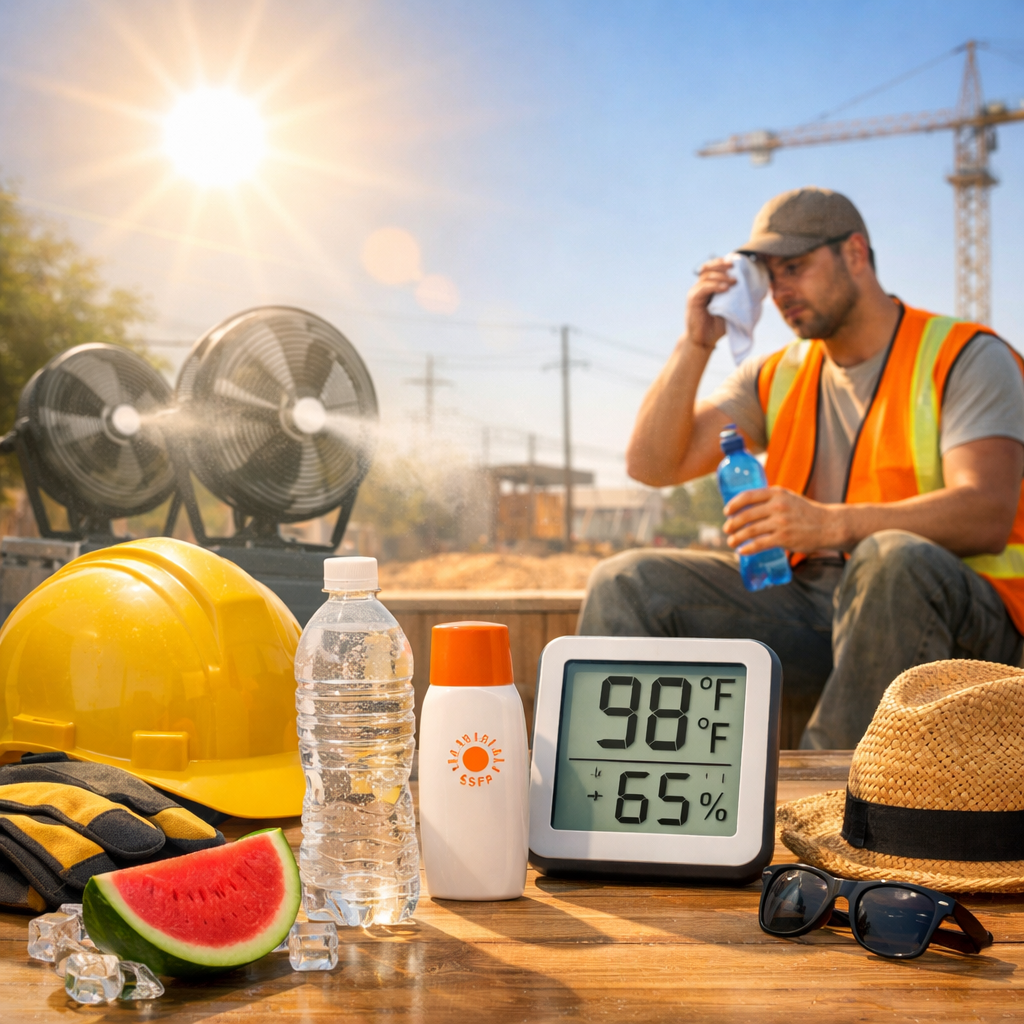
Acclimatization: build heat tolerance gradually
Acclimatization is the body’s gradual adjustment to heat. This is one of the most important heat stress prevention tips at the start of summer, during sudden heat waves, or whenever a worker is new to a hot environment.
A new or returning worker should not begin with a full workload in extreme heat. Instead, exposure and physical demands should increase over several days. This allows the body to improve sweating efficiency, circulation, and temperature regulation.
As a practical rule, new workers may need lighter duties, shorter hot-task periods, and more frequent breaks during their first week. Supervisors should watch these workers more closely because many serious heat incidents happen in the first few days of exposure.
Heat Stress Prevention Tips for Symptoms, Response, and Emergency Action
Even strong prevention programs need a fast response plan. Heat illness can escalate quickly, especially when a worker tries to keep going despite symptoms.
Know the warning signs
Early signs may include heavy sweating, muscle cramps, headache, thirst, weakness, dizziness, nausea, irritability, or reduced focus. If not addressed, heat exhaustion may develop, often causing clammy skin, faintness, vomiting, and rapid pulse.
Heat stroke is a medical emergency. Warning signs can include confusion, collapse, altered behavior, seizures, loss of consciousness, or a very high body temperature. Skin may be hot, and sweating may be present or absent.
What to do right away
- Move the worker to a cooler or shaded area immediately
- Stop work and loosen unnecessary clothing or PPE if safe to do so
- Give cool water if the person is alert and able to drink
- Cool the body with fans, wet cloths, misting, or ice packs to the neck, armpits, and groin
- Never leave a symptomatic worker alone
- Call emergency services immediately if heat stroke is suspected
Emergency procedures should be documented, practiced, and easy to access. Outdoor crews should know the exact site address or GPS location so emergency responders can find them quickly. Indoor facilities should ensure first aid personnel can reach hot work zones without delay.
Strong heat stress prevention tips also include clear reporting rules. Workers must feel empowered to speak up when they feel overheated, notice a struggling coworker, or believe the pace of work has become unsafe.
In seasonal high-heat periods, daily pre-shift talks can reinforce hydration, rest, weather expectations, indoor hot spots, and emergency contacts. This small step often prevents larger incidents.
In conclusion, heat stress prevention tips are not just summer reminders. They are a core part of workplace health and safety for any job involving outdoor exposure or hot indoor conditions. By combining the Hierarchy of Controls, proper hydration, gradual acclimatization, active supervision, and a well-practiced emergency response plan, employers can reduce injuries and protect productivity. The best heat stress prevention tips are the ones built into everyday operations before temperatures become dangerous.
No comments yet