
Air Monitoring Basics for Stronger Occupational Hygiene Programs

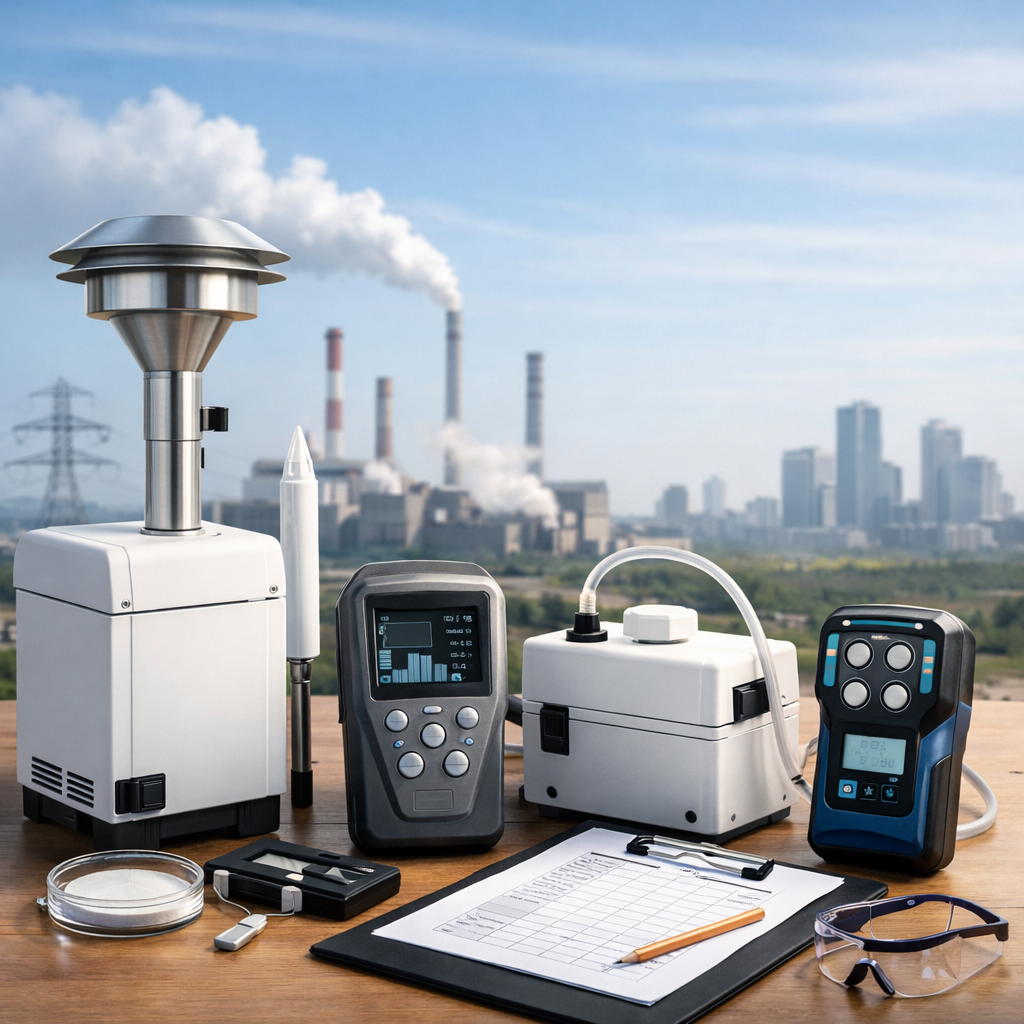
Air monitoring basics are a core part of any effective occupational hygiene program. They help employers understand what workers are breathing, when exposures are happening, and whether current controls are actually reducing risk.
In workplaces such as manufacturing plants, warehouses, construction sites, laboratories, and workshops, airborne hazards can include dusts, fumes, vapors, mists, gases, and fibers. Without monitoring, exposure decisions are often based on assumptions rather than evidence.
A practical air monitoring program supports compliance, protects worker health, and helps prioritize resources. It also gives safety teams a clearer basis for action when applying the Hierarchy of Controls, from elimination and substitution through engineering controls, administrative controls, and personal protective equipment.
Why air monitoring basics matter in occupational hygiene
Understanding air monitoring basics starts with a simple goal: identify whether airborne contaminants are present at levels that may harm workers. This is not only about legal compliance. It is about preventing occupational illness, confirming risk assessments, and finding hidden problems before they lead to chronic exposure.
Many health hazards cannot be seen or smelled at dangerous levels. Welding fumes, solvent vapors, silica dust, diesel exhaust, and isocyanates are common examples. In some cases, workers may only notice symptoms after repeated exposure over time. Monitoring fills that gap by producing objective data.
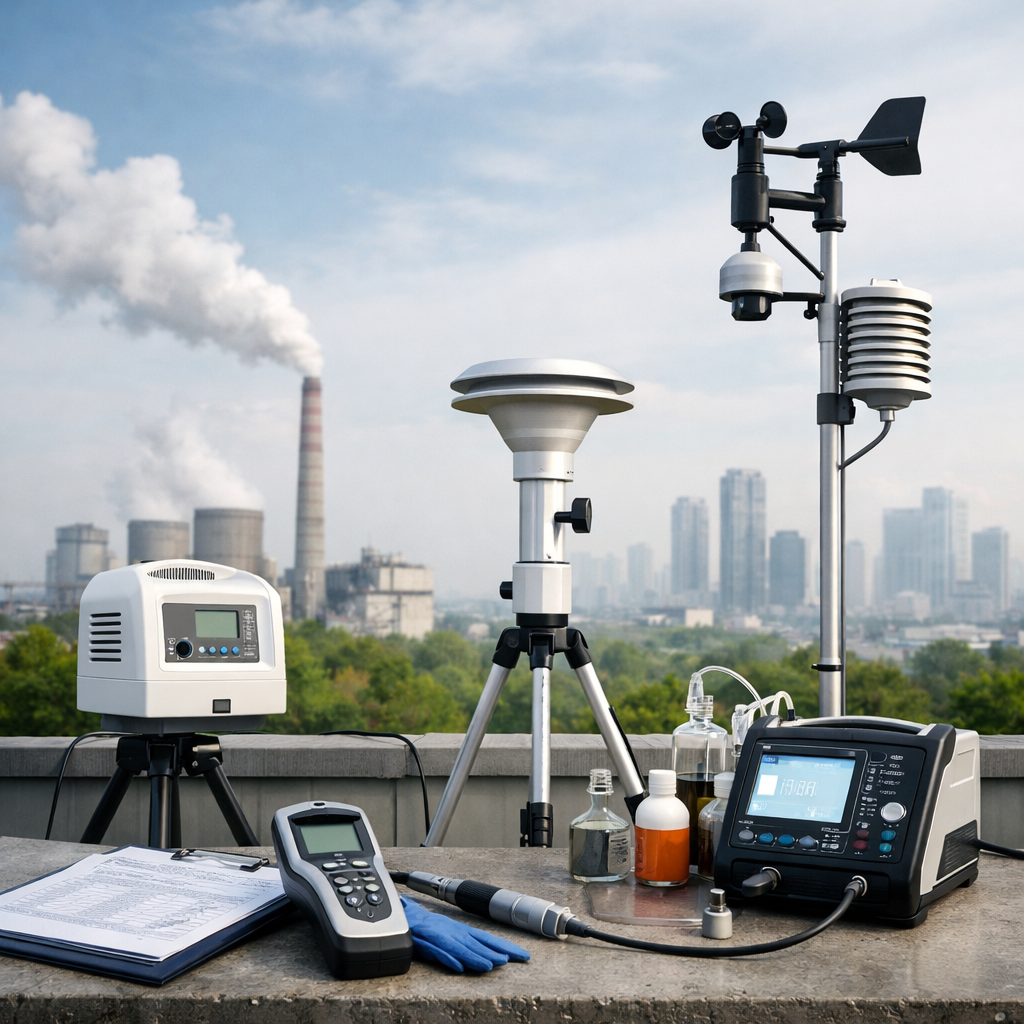
Good programs also distinguish between different exposure patterns. Some tasks create short, intense peaks, while others produce lower but continuous exposure across a shift. That distinction matters because exposure limits may include both time-weighted averages and short-term limits. Guidance from organizations such as OSHA and CCOHS helps employers understand how to assess these patterns properly.
When air data is linked to job tasks, worker groups, and process conditions, it becomes much more useful. For example, a hygiene team may find that dust exposure is low during normal operation but spikes during bag dumping, cleanup, or maintenance. That level of detail makes control decisions more accurate and more cost-effective.
Air monitoring basics: when to monitor and what to prioritize
One of the most important air monitoring basics is knowing when monitoring is needed. Monitoring should not be limited to times when a regulator asks for it or when a worker complains. It should be built into routine hazard management.
Air monitoring is especially useful when:
- a new process, chemical, or material is introduced
- workers report symptoms such as coughing, headaches, irritation, or breathing difficulty
- there is visible dust, mist, smoke, or fume in the work area
- controls such as local exhaust ventilation are newly installed or modified
- tasks change due to production increases, maintenance, shutdowns, or seasonal factors
- regulations, customer standards, or internal policies require exposure confirmation
- previous results suggest exposure may be close to or above occupational exposure limits
Prioritization usually starts with a risk assessment. Review safety data sheets, process descriptions, incident history, worker feedback, and previous industrial hygiene results. Consider which substances are most hazardous, which tasks create emissions, and which workers are likely to have the highest exposure.
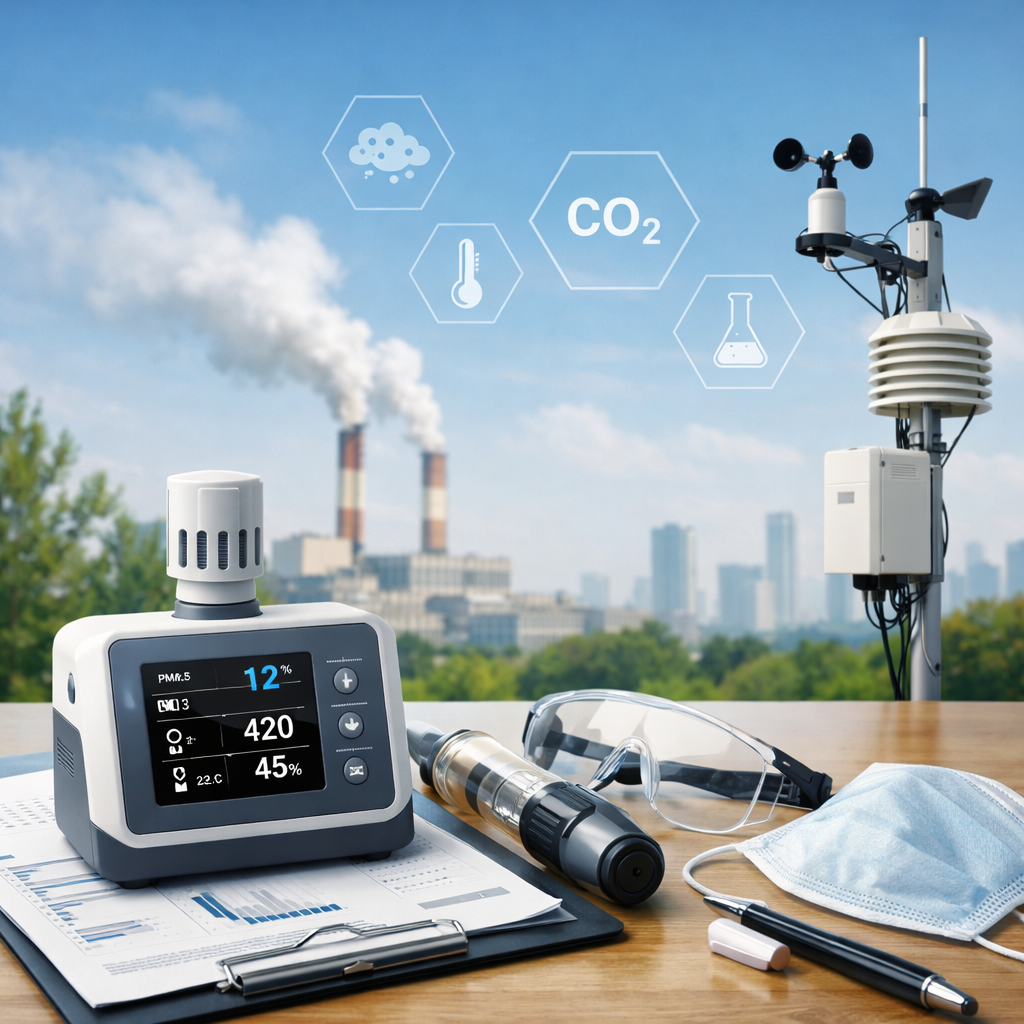
It is often helpful to group employees into similar exposure groups, sometimes called SEGs. Workers doing the same tasks under similar conditions can often be assessed together. This approach makes monitoring more efficient and helps a program focus on exposure patterns rather than isolated measurements.
If you are building or refreshing your program, our occupational hygiene risk assessment guide and workplace exposure control plan overview can help connect air monitoring with broader prevention activities.
Sampling strategies that make air monitoring results useful
Strong sampling strategy is at the heart of air monitoring basics. A result is only useful if the sampling method matches the hazard, task, and decision you need to make. That means choosing the right type of sample, the right duration, and the right workers or locations.
Personal sampling vs area sampling
Personal sampling measures the air in a worker’s breathing zone, usually using a pump and sampling media worn during the task or shift. This is often the best way to assess true exposure and compare results to occupational exposure limits.
Area sampling measures the air in a fixed location. It can help identify emission sources, evaluate ventilation performance, or monitor general workplace conditions, but it does not always represent what an individual worker inhales. In many programs, both approaches are used together.
Task-based, full-shift, and real-time monitoring
Full-shift sampling is useful when exposure may occur across the day and needs to be compared with an 8-hour time-weighted average. Task-based sampling is valuable when high-risk activities happen in short periods, such as spray painting, abrasive cutting, or tank cleaning.
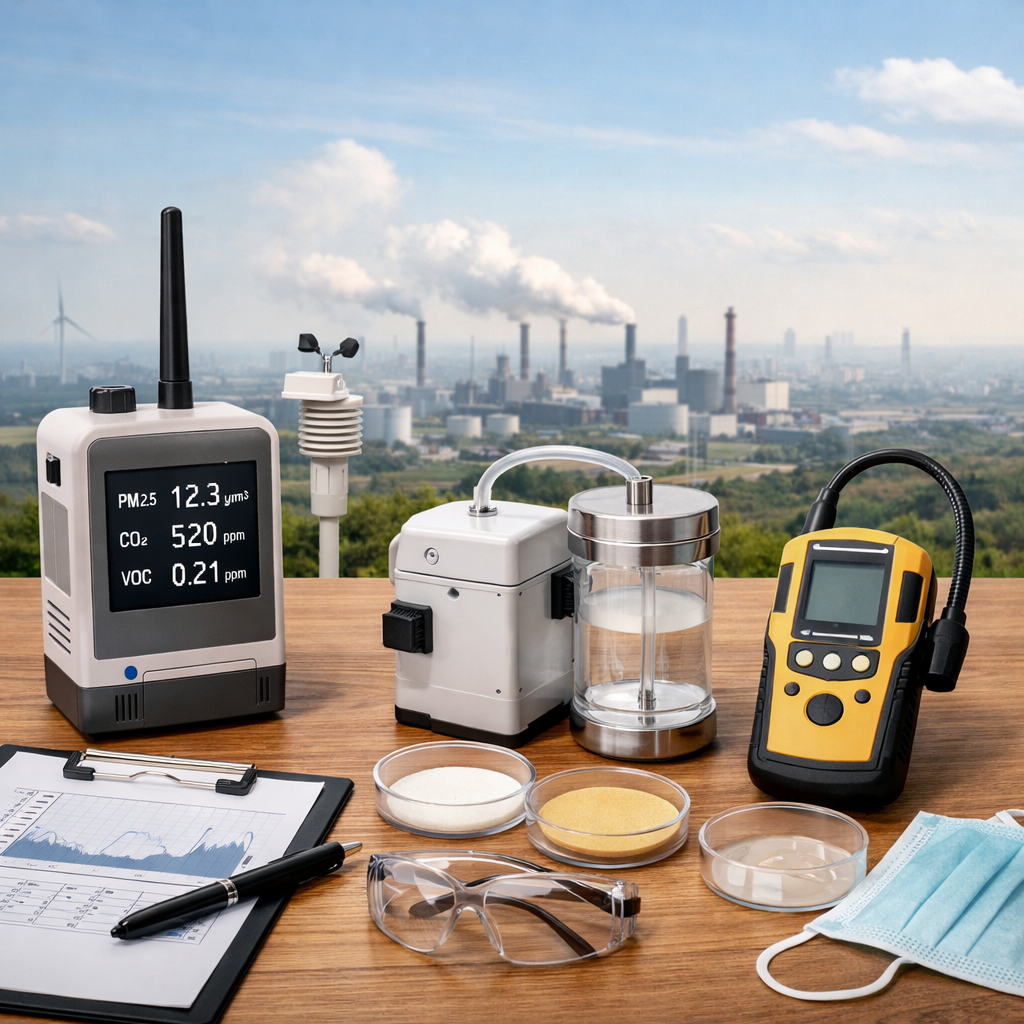
Real-time direct-reading instruments can show how exposures rise and fall during the day. They are especially helpful for identifying leaks, ventilation failures, and short-duration peaks. However, they may need confirmation with laboratory-based methods depending on the contaminant and the purpose of the assessment.
Choosing representative conditions
Monitoring should reflect normal operations, but it should also capture realistic worst-case conditions where appropriate. If a process runs at different production rates or shifts, plan for enough samples to understand variability. Weather, room pressure, temperature, equipment condition, and work practices can all influence results.
Sampling should also follow recognized methods where possible, such as those published by NIOSH or OSHA. Calibration, chain of custody, media selection, sample duration, and laboratory analysis all affect data quality. Poorly planned samples can create false confidence or lead to the wrong control decisions.
| Sampling approach | Best use | Main advantage | Common limitation |
|---|---|---|---|
| Personal sampling | Assessing worker exposure | Most representative of breathing zone exposure | Requires worker participation and careful setup |
| Area sampling | Identifying sources and checking room conditions | Useful for mapping workplace hot spots | May not reflect individual exposure accurately |
| Task-based sampling | Short, high-exposure activities | Captures exposure peaks linked to specific tasks | May miss lower background exposure across the shift |
| Real-time monitoring | Trend analysis and troubleshooting | Immediate feedback for process changes | Not always sufficient for compliance decisions |
Using air monitoring basics to guide controls and decisions
The value of air monitoring basics is not in collecting numbers alone. The real purpose is to decide what actions are needed to reduce exposure and protect health. Results should be reviewed alongside exposure limits, uncertainty, task observations, and worker comments.
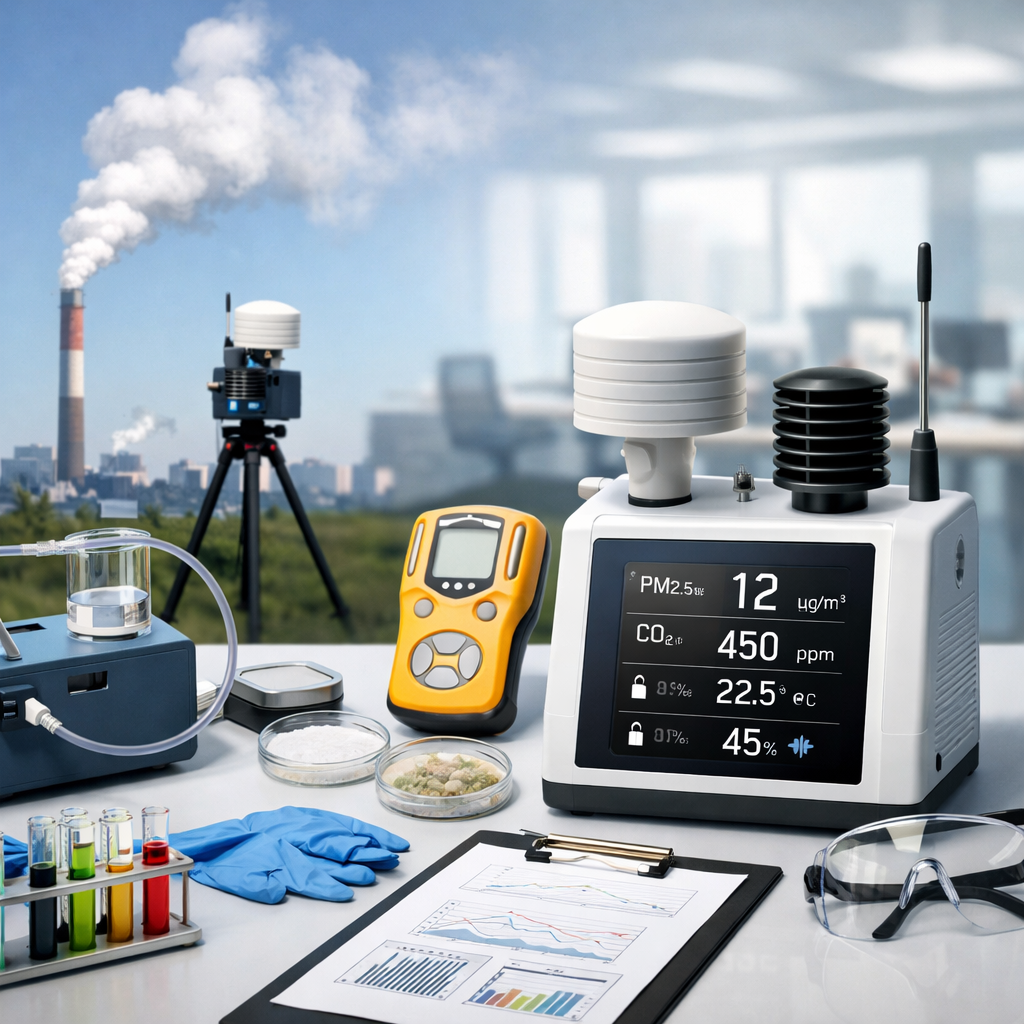
If results are well below applicable limits and work conditions are stable, the focus may be on maintaining controls and setting a reasonable re-monitoring schedule. If results are close to the limit, that is often a sign to improve controls before the situation worsens. If results exceed a limit, prompt action is needed.
The best response follows the Hierarchy of Controls. First ask whether the hazard can be eliminated, substituted, or isolated. For example, a solvent with high vapor release may be replaced with a lower-volatility product, or a dusty transfer step may be enclosed. If that is not practical, engineering controls such as local exhaust ventilation, process automation, wet methods, or sealed systems should be prioritized.
Administrative controls may include limiting time in high-exposure areas, improving housekeeping, changing maintenance schedules, or updating standard operating procedures. PPE such as respirators can be necessary, but it should not be the first or only control when stronger options are available. Respiratory protection should align with exposure data, fit testing, and a formal program.
Practical examples show how this works. If personal sampling during welding finds elevated metal fumes, the response may include repositioning local exhaust hoods, improving make-up air, using lower-fume consumables, and retraining workers on torch position. If silica monitoring during cutting shows short-term peaks, controls might include on-tool extraction, water suppression, restricted access, and revised cleanup methods that avoid dry sweeping.
Monitoring should then be repeated to verify effectiveness. This “monitor, control, recheck” cycle is what turns an occupational hygiene program from a paper exercise into a living system. It also creates records that support due diligence, management review, and worker communication.
Building a practical air monitoring program that lasts
To make air monitoring basics part of daily safety management, keep the program simple, consistent, and risk-based. Start with your highest-priority hazards, define who is responsible for scheduling and review, and document why each monitoring activity is being done.
Workers and supervisors should understand the purpose of monitoring and how results will be used. Clear communication builds trust and often improves the quality of task observations. Frontline input can reveal changes in work practices that a written procedure does not capture.
A lasting program typically includes a few essentials:
- a current inventory of airborne hazards and exposed job groups
- defined sampling plans for routine, change-driven, and incident-driven monitoring
- recognized methods, calibrated equipment, and competent interpretation of results
- action levels that trigger controls, investigation, or repeat sampling
- records of results, corrective actions, and follow-up verification
In the end, air monitoring basics give occupational hygiene programs the evidence needed to make better decisions. When employers know when to monitor, how to choose the right sampling strategy, and how to use results to strengthen controls, they are better positioned to prevent exposure before it causes harm. A practical, well-run monitoring program supports compliance, improves worker confidence, and helps ensure the air people breathe at work is as safe as it should be.
No comments yet